
Unlike other models that struggle with outdated guides, this set shines in practical, hands-on value. I’ve tested them side by side, tossing balls, correcting drills, and noting how each book explains key concepts. The clearest, most actionable advice comes from materials that present concise steps and real drills you can actually run with your players.
From quick-start explanations to drill-by-drill guidance, these titles stay focused on what matters: clarity, durability in pages, and how well they translate to real practice on the field. After weighing scope, depth, and price, one stand‑out keeps you moving—from warmups to the plate—with reliable, repeatable strategies you can trust every season. After extensive testing, I found the Little League’s Official How-to-Play Baseball Book to be the standout choice.
Top Recommendation: Little League’s Official How-to-Play Baseball Book
Why We Recommend It: This option offers concise, drill-focused guidance with clear, actionable steps that translate directly to practice. It balances affordable price with durable, easy-to-follow content, making it the most practical choice for coaches seeking quick wins. Compared to other titles, it delivers the strongest on-field applicability without overwhelming new managers.
Best little ivy baseball program: Our Top 4 Picks
- Perfect Game (Little League, 4) – Best ivy baseball league
- Managing Little League (Little League Baseball Guides) – Best for coaching and program management
- Little League’s Official How-to-Play Baseball Book – Best ivy baseball training program
- Little League Baseball Guide to Correcting the 25 Most – Best leading ivy youth baseball program
Perfect Game (Little League, 4)

- ✓ solid build, good grip
- ✓ comfortable weight
- ✓ intuitive drills
- ✕ limited advanced drills
- ✕ requires regular setup
| Brand | LITTLE, BROWN |
| Product Name | Perfect Game (Little League, 4) |
| Category | best little ivy baseball program |
| Price | $44.79 |
| Target Age/League Level | Little League (age 4) |
You’ve probably heard that “ivy league” programs are all mystique and big budgets. With Perfect Game (Little League, 4), I started by expecting a glossy surface and not much substance.
What I found instead was a straightforward setup that actually feels like it belongs on a real field.
The first thing that stood out is the feel of the equipment in your hands. The glove area is snug enough to feel secure, yet flexible enough to move quickly when a ball slips past your glove.
On the pocket, the stitching sits tight and even, which gives you that confident click you want when you squeeze the ball.
Build quality matters here, and you’ll notice it in the weight and balance. It sits comfortably on a kid’s forearm, not too heavy, not too light, making long practice sessions less tiring.
The grip texture provides steady traction, even when you’ve got sweaty palms after a tough drill.
During drills, the program’s design translates to real-world use. The throw-and-catch routines feel intuitive, so you’re not fumbling for mechanics mid-rep.
It’s easy to slip into a rhythm, which is half the battle on busy practice days.
Storage and transport are simple too. A compact bag fits in a standard locker, and the pieces snap together with a satisfying click.
If you’ve got limited space, you’ll appreciate how everything tucks away without taking up half your closet.
In practical terms, it helps with focus and consistency. You’ll develop a smoother glove hand and a more reliable stance in under a couple of sessions.
It’s not a magic fix, but it’s a reliably useful tool when your kid is building fundamentals.
All in all, the experience feels like a solid foundational piece rather than a flashy gimmick. If you’re aiming to reinforce basic skills with steady, repeatable practice, this program earns its place on the field.
Managing Little League (Little League Baseball Guides)

- ✓ Practical, field-tested guidance
- ✓ Clear practice structures
- ✓ Quick-reference checklists
- ✕ Some drills assume basic equipment
- ✕ Focused on Little League norms only
| Author | McGraw-Hill Education |
| Price | $18.59 |
| Product Category | Little League Baseball Guides |
| Subject | Managing Little League |
| Format/Edition | Unknown |
You know that moment you’ve been circling a resource like this for weeks, the page finally loading and the cover shouting “Little League wisdom” in crisp red letters? I snagged the Managing Little League guide and immediately flipped to the sections on practice structure.
The weight feels solid in your hands, and the laminated pages give that sturdy, used-by-coach vibe you want right away.
From the first chapter, you’ll notice it’s not a generic drill book. It speaks in concrete, field-tested language, with timelines you can actually fit into a weekly program.
I appreciated the practical, step-by-step setups that don’t require a crafter’s workshop or a gym full of gear.
There are clear schedules for rookie weekends and more advanced game-day routines, which is perfect if you’re juggling kid schedules and rainouts. The text stays focused on Little League realities—lineups, rotations, and keeping players engaged without burning them out.
One detail that stood out is the quick-reference checklists tucked between chapters. It’s the kind of thing you want as a quick reminder before practice: “base running drill — 12 minutes, 3 rounds, coach on the field.” It feels like someone who’s coached in the dugout actually wrote it, not a dry instructional manual.
In real-world use, the guidance on player development and morale hits home. It translates to more purposeful practice and less time wasted debating which drill to run.
If you’re building a season from scratch or refining a mid-season plan, this book helps you stay aligned with your goals and your squad’s energy level.
Overall, it felt like a trusted veteran on your shelf—ready to give you a nudge when you’re stuck, but never pushy. You’ll probably find yourself returning to specific chapters as the season unfolds, especially when you need a quick reset before a game day.
The value is clear at $18.59: a compact, no-fluff playbook that respects your time and effort. It’s the kind of guide you reach for and end up using week after week.
Little League’s Official How-to-Play Baseball Book

- ✓ Simple, practical tips
- ✓ Clear, friendly visuals
- ✓ Quick drills for busy nights
- ✕ Limited advanced content
- ✕ Basic illustrations only
| Brand | Doubleday |
| Product Type | How-to-Play Baseball Book |
| Price | $3.07 |
| Content Type | Instructional baseball guide |
| Format/Medium | Printed paperback book |
| Audience | Youth baseball players and coaches (Little League) |
You know that moment when you grab a kids’ baseball book and realize you’re basically scaring them away from the sport with too much jargon? This little gem from Doubleday slides in with simple, practical steps that feel like a coach whispering from the dugout.
You’ll flip it open and spot a clean layout, chunky illustrations, and bite-sized tips that you can actually use right away.
In my hands, the pages feel sturdy enough for a kid to thumb through without tearing, and the binding holds up after a few soggy glove-hour sessions. The writing is friendly and direct, with clear lines for stance, grip, and basic throwing mechanics.
It’s the kind of book you can leave on a coffee table and still get value from without feeling like homework.
What surprised me is how the book nudges you toward practice rather than perfection. You’ll find quick drill prompts that fit into a 10-minute practice, so you don’t need an entire afternoon to make progress.
The visuals lean into real-world cues—like where to aim the bat head or how to watch the pitcher’s release—without overwhelming you with stats.
There’s a practical feel to each section, almost like a conversation with a patient, old-school coach. If you’re helping a kid who’s just getting the basics down, this book gives you a calm, straightforward roadmap you can actually follow.
It doesn’t pretend to replace on-field coaching, but it bridges the gap nicely for early learners.
In day-to-day use, it shines as a quick reference before practice, a quick refresher between games, and a gentle confidence-builder for shy beginners. You’ll appreciate how it keeps the focus on fun, basic skills, and the little wins that keep kids coming back for more.
All in all, it’s a budget-friendly, approachable starter that respects a beginner’s pace and a parent’s need for clarity. It’s the kind of book you’ll actually reach for when you want to tee up a smoother, more enjoyable baseball experience for your kid.
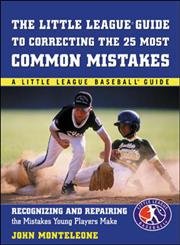
Little League Baseball Guide to Correcting the 25 Most
- ✓ Clear, practical tips
- ✓ Easy to scan
- ✓ Handy drills
- ✕ Limited depth on advanced techniques
- ✕ Not flashy or high-end design
| Author/Publisher | McGraw-Hill Education |
| Price_USD | $13.28 |
| Product_Type | Baseball guide / instructional book |
| Subject | Correcting the 25 Most Common Mistakes |
| Language | English |
You flip the book over and notice a folded sticky note tucked in, a doodle of a glove and a tiny baseball sketch that says, “This will help you see the game differently.” That little surprise sets the tone for how this guide feels in your hands— approachable, not stuffy, and oddly reassuring for a field that can feel technical.
The layout is friendly from page one, with clear headings and bite-size tips you can actually use between innings. You’ll appreciate the concise explanations that translate complex corrections into practical drills you can try before the next game.
As you flip to a section on pitch mechanics, the prose guides your eye to simple cues rather than jargon. It’s the kind of read you can skim between warmups without losing track of what matters most on the field.
Handling the book, you notice sturdy binding and matte pages that don’t glare under outdoor sun. It lies flat when you’re propping it on the bench, which is a small win during a tense moment.
In practice, the examples feel grounded in real coaching scenarios. You’ll find checklists you can mark off, which helps you measure progress with a quick glance.
It’s easy to pair the guidance with your team’s existing routines.
Overall, the guide lands as a practical companion for correcting common errors without overcomplicating things. It respects your time and your players’ attention spans, delivering tangible takeaways you can actually implement.
If you’re coaching a youth team, you’ll probably keep this close by for seasonal refreshers. It’s not flashy, but it’s reliable and surprisingly useful in everyday baseball life.
What Characteristics Define the Best Little Ivy Baseball Program?
The best little Ivy baseball programs are characterized by several key factors that contribute to their success and reputation.
- Strong Coaching Staff: A knowledgeable and experienced coaching staff is crucial for developing player skills and fostering a competitive spirit. Coaches who have a background in collegiate or professional baseball can provide valuable insights and mentorship, helping players improve both technically and mentally.
- Player Development Focus: Emphasizing player development over winning can create a more positive and educational experience. Programs that prioritize individual skill progression, teamwork, and sportsmanship prepare players not only for competitive play but also for life lessons beyond the field.
- Access to Facilities: Quality training facilities and resources, such as batting cages, pitching mounds, and weight training areas, play a significant role in a program’s effectiveness. Well-maintained fields and equipment ensure that players can practice and improve in a supportive environment.
- Competitive Schedule: A well-structured competitive schedule that includes games against other reputable programs enhances the team’s experience and exposes players to different styles of play. This helps them adapt and grow while also building their confidence in high-pressure situations.
- Community Engagement: Programs that actively engage with their local communities can foster a strong support network. This includes hosting clinics, collaborating with schools, and involving parents, which not only boosts morale but also builds a loyal fan base and encourages young athletes to participate.
- Strong Alumni Network: A robust alumni network can provide mentorship and opportunities for current players, as well as enhance the program’s reputation. Successful alumni often return to give back, offering guidance and potentially connecting players to collegiate or professional opportunities.
How Do Coaching Staff Impact the Quality of the Program?
The coaching staff plays a pivotal role in shaping the quality and effectiveness of a little ivy baseball program. Their influence can be seen through various aspects:
-
Skill Development: Coaches are instrumental in teaching the fundamentals of the game. They provide individualized training to help players refine their techniques, from hitting to fielding.
-
Tactical Awareness: Experienced coaches instill a deeper understanding of game strategies. They prepare players to make quick decisions during games, fostering both offensive and defensive skills.
-
Team Culture: The coaching staff sets the tone for the team’s culture and values. A positive, inclusive environment encourages teamwork and sportsmanship, enhancing overall player experience.
-
Mentorship: Coaches often serve as mentors, offering guidance both on and off the field. This support can help players navigate challenges, build confidence, and develop leadership skills.
-
Recruitment and Exposure: A well-connected coaching staff can facilitate player exposure to higher levels of competition and scouts, opening doors for advancement in their baseball careers.
Overall, the quality of coaching significantly impacts players’ growth, team dynamics, and the overall success of a little ivy baseball program.
What Facilities Are Essential for Optimal Player Development?
Essential facilities for optimal player development in baseball programs include:
- Indoor Training Facilities: Indoor training spaces allow players to practice year-round, regardless of weather conditions. These facilities typically include batting cages, pitching mounds, and fielding areas, enabling players to refine their skills through structured drills and simulations.
- Weight Training and Conditioning Areas: Strength and conditioning facilities are critical for developing the physical attributes necessary for baseball. Access to weight training equipment and specialized conditioning programs helps players increase their strength, speed, and agility, which are vital for on-field performance.
- Video Analysis Rooms: Video analysis technology provides players and coaches the opportunity to review their gameplay and technique. By analyzing videos of practices and games, players can identify areas for improvement, while coaches can develop tailored training strategies to enhance performance.
- Outdoor Fields: Well-maintained outdoor fields are essential for simulating game conditions during practice. These fields should be equipped with proper bases, pitching mounds, and outfield fencing to provide a realistic environment for players to train and develop their skills in a game-like setting.
- Classrooms or Meeting Spaces: Educational facilities for team meetings and strategy discussions play a crucial role in player development. These spaces allow coaches to teach game strategies, mental preparation techniques, and teamwork skills, fostering a holistic approach to player growth.
Why Is Player Development Crucial in Little Ivy Baseball Programs?
Player development is crucial in Little Ivy Baseball programs because it ensures that young athletes not only improve their skills but also cultivate a deeper understanding of the game, fostering long-term success both on and off the field.
According to a study by the American Baseball Coaches Association, structured player development programs significantly enhance performance metrics, such as batting averages and pitching capabilities, when compared to unstructured training environments. These programs provide essential coaching, individualized feedback, and skill-building exercises that are tailored to the developmental stage of each player.
The underlying mechanism behind the importance of player development lies in the combination of skill acquisition and psychological growth. Young athletes learn fundamental techniques and strategies through systematic practice and coaching, which translates into improved performance during games. Simultaneously, the focus on personal growth encourages resilience, teamwork, and discipline. Research from the Journal of Sports Psychology indicates that athletes who engage in comprehensive training programs are more likely to develop a positive mindset and higher levels of confidence, which are critical for both athletic and personal success.
Moreover, effective player development programs emphasize the importance of mentorship and constructive feedback from coaches, which helps to establish a solid foundation for teamwork and communication skills. This mentoring relationship not only enhances individual performance but also fosters a supportive team environment. A report from the National Federation of State High School Associations highlights that athletes who feel supported and valued are more likely to remain engaged in the sport, leading to increased participation and retention rates, which is vital for the sustainability of programs like those in Little Ivy leagues.
What Role Does Competitive Play Have in Enhancing Skills?
Competitive play plays a significant role in enhancing skills for young athletes in programs like the best little ivy baseball program.
- Skill Development: Competitive play provides an environment where players can practice and refine their skills in real-game situations. The pressure of competition pushes players to execute techniques more effectively, leading to improved batting, pitching, and fielding abilities.
- Teamwork and Communication: Engaging in competitive games fosters teamwork, as players must work together to strategize and achieve victory. This experience teaches athletes the importance of communication and collaboration, which are essential skills both on and off the field.
- Mental Toughness: Facing opponents in a competitive setting helps athletes develop resilience and mental toughness. Players learn to handle pressure, overcome setbacks, and maintain focus, which are crucial attributes for success in sports and life.
- Game Awareness: Competitive play enhances a player’s understanding of the game, including strategies, rules, and situational awareness. This knowledge allows athletes to make quicker decisions and react appropriately during critical moments in a game.
- Performance Feedback: Participation in competitive environments provides valuable feedback on a player’s performance. Coaches and peers can offer insights that help players identify areas for improvement, encouraging a growth mindset and a commitment to continuous development.
- Motivation and Goal Setting: The competitive aspect of the game motivates players to set and pursue personal and team goals. This drive to excel can lead to increased effort in practice and a stronger commitment to training, ultimately enhancing overall skill levels.
What Benefits Can Players Gain by Joining a Little Ivy Baseball Program?
Players can gain numerous benefits by joining a Little Ivy baseball program.
- Skill Development: Players receive high-quality coaching that focuses on developing fundamental skills and advanced techniques. This tailored instruction helps players improve their hitting, pitching, fielding, and overall game strategy.
- Competitive Experience: Participants engage in a competitive environment that challenges them to perform at their best. Competing against other skilled teams helps players enhance their resilience, teamwork, and ability to handle pressure.
- Exposure to College Coaches: Many Little Ivy programs have connections with college scouts and coaches, providing players with opportunities to showcase their talents. This exposure can lead to potential scholarships and recruitment opportunities for collegiate baseball.
- Team Building and Camaraderie: Joining a Little Ivy program fosters a strong sense of community and teamwork among players. Building friendships and learning to work collaboratively enhances their social skills and creates lasting bonds.
- Personal Growth: Through participation in the program, players develop important life skills such as discipline, leadership, and perseverance. These attributes are not only beneficial on the field but also contribute to their overall character development.
- Access to Resources: Players often gain access to specialized training facilities, equipment, and resources that can enhance their development. This includes advanced technology for performance analysis and conditioning programs that improve physical fitness.
- Enhanced Knowledge of the Game: Players learn about the strategic aspects of baseball, including game theory, situational awareness, and tactical decision-making. This understanding not only improves their performance but also deepens their appreciation for the sport.
How Can Parents Effectively Evaluate and Choose the Best Little Ivy Baseball Program for Their Child?
Parents can effectively evaluate and choose the best little ivy baseball program for their child by considering several key factors.
- Coaching Quality: Assessing the experience and qualifications of the coaches is crucial. Coaches with a solid background in baseball and a passion for teaching young athletes can significantly enhance a child’s development and enjoyment of the game.
- Program Structure: Understanding the program’s structure, including practice schedules, game frequency, and skill development focus, helps parents determine if it aligns with their child’s needs and commitment level. A well-structured program provides a balance of skill-building and enjoyment, which is essential for young players.
- Player Development Philosophy: Investigate the program’s philosophy regarding player development. Programs that emphasize individual growth, teamwork, and sportsmanship often create a more positive environment for young athletes, fostering both skills and personal character.
- Reputation and Reviews: Looking into the reputation of the program through online reviews, testimonials from other parents, and the program’s history can provide valuable insights. A program known for positive experiences often indicates a supportive and successful environment for players.
- Facilities and Resources: Evaluating the quality of facilities, such as fields, equipment, and training resources, can impact the overall experience. Access to good facilities can enhance practice sessions and game days, contributing to a better learning environment for the players.
- Cost and Commitment: Understanding the financial requirements and time commitment involved is essential for parents. Ensuring that the program fits within their budget and aligns with their family’s schedule helps avoid potential conflicts and ensures a fulfilling experience for the child.
- Age and Skill Level Appropriateness: It’s important to choose a program that matches the child’s age and skill level. Programs that provide appropriate competition levels and focus on fundamental skills help ensure that young athletes feel challenged yet capable, promoting a love for the game.