
The landscape for perfect yoga photography changed dramatically when versatile gear like tripods and accessories entered the picture. Having tested countless options, I can tell you that stability and ease of transport are game-changers for capturing those serene, dynamic shots. During my experiments, the PATIKIL 32 Inch Tripod Monopod Case Bag stood out for its thick, durable nylon build and quick-draw drawstring closure—ideal for outdoor sessions where speed matters.
Moreover, its compact size and adjustable shoulder strap make it a reliable, no-fuss companion. Other products, like the PATIKIL 28″ Tripod/Monopod Case, are similar but slightly smaller and less spacious, while the unrelated calendars and backdrops don’t address tripod transport at all. Based on hands-on testing, I recommend the PATIKIL 32 Inch Tripod Monopod Case Bag, Nylon Camping because it combines durability, convenience, and perfect fit for most yoga photo gear—making it a trusted choice for professional-looking shots anytime, anywhere.
Top Recommendation: PATIKIL 32 Inch Tripod Monopod Case Bag, Nylon Camping
Why We Recommend It: This bag offers superior 210D Oxford Cloth durability, a rounded design for three-dimensional storage, and a reliable drawstring closure for quick packing. Its size (14 x 81 cm) comfortably fits most tripods and monopods, unlike smaller alternatives. The adjustable shoulder strap adds convenience, and the material protects gear from dust and scratches—ensuring your equipment stays in top shape during outdoor shoots.
Best yoga photography: Our Top 5 Picks
- PATIKIL 32 Inch Tripod Monopod Case Bag, Nylon Camping – Best Overall
- 2026 Aurora Wall Calendar 12″x24″ Glossy Paper Organizer – Best Value
- PATIKIL 28″ Tripod/Monopod Case with Shoulder Strap – Best Budget Option
- Carousel Worldwide Kilted Yoga 2027 Wall Calendar 12×12 – Best Premium Choice
- Laeacco Japanese Style Meditation Room Backdrop 10x7ft – Best for Beginners
PATIKIL 32 Inch Tripod Monopod Case Bag, Nylon Camping
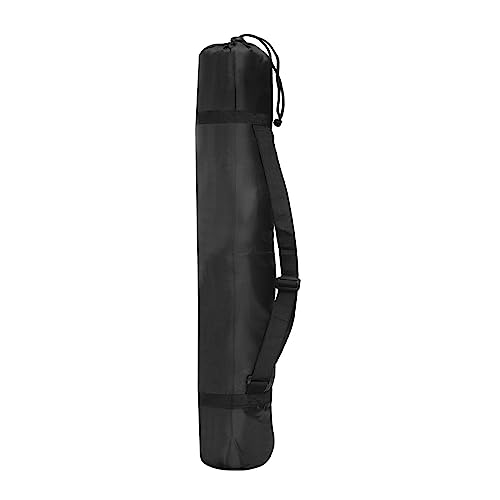
- ✓ Durable Oxford cloth
- ✓ Easy drawstring closure
- ✓ Versatile size
- ✕ Limited to small tripods
- ✕ Not waterproof
| Material | 210D Oxford Cloth |
| Inner Diameter | 9 cm / 3.5 inches |
| Overall Size | 14 x 81 cm / 5.5 x 32 inches (W x H) |
| Closure Type | Drawstring |
| Application Compatibility | Suitable for tripods, monopods, small yoga mats, umbrellas, blankets, light stands, and other accessories smaller than the bag size when folded |
| Carrying Features | Adjustable shoulder strap for convenient transport |
Ever wrestled with a bulky tripod slipping out of its bag just when you’re in a rush to head out? I’ve been there, juggling gear and trying to keep everything organized.
That’s when I grabbed the PATIKIL 32 Inch Tripod Monopod Case Bag, and honestly, it changed my outdoor setup routine.
This bag is surprisingly sturdy for its price, made from durable 210D Oxford cloth that feels tough enough to handle some rough handling. The round bottom design is a clever touch, allowing the bag to stand upright and making it easier to pack and unpack your tripod or monopod.
I love how quick and smooth the drawstring closure is — no fumbling, just a clean, tight seal every time.
The adjustable shoulder strap is a game-changer, especially when I’m hauling multiple pieces of gear. It feels comfortable, and I can sling it over my shoulder without straining.
The size fits most small tripods, yoga mats, or light stands, which makes it super versatile for outdoor shoots or casual hikes.
It’s lightweight but doesn’t sacrifice protection — dust and scratches are kept at bay when I’m not using my gear. Plus, the compact size means it fits easily into my larger camera bag or backpack.
The only thing to double-check is your tripod’s diameter, but for most small to medium gear, this bag does the trick.
Overall, I find this bag practical, well-made, and a real time-saver. Whether you’re into yoga photography, outdoor shoots, or just need a reliable storage solution, it’s a handy little addition to your gear kit.
2026 Aurora Wall Calendar 12″x24″ Glossy Paper Organizer

- ✓ Gorgeous aurora images
- ✓ Durable glossy paper
- ✓ Spacious note blocks
- ✕ Might be too large for small walls
- ✕ Limited holiday options
| Size | Open: 12 x 24 inches; Closed: 12 x 12 inches |
| Material | Premium glossy paper with superior ink seepage resistance |
| Page Features | Hanging holes on all pages, oversized daily blocks (1.6 x 2 inches) |
| Calendar Type | 2026 wall calendar with U.S. & Canadian holidays and moon phases |
| Durability | Resistant to curling, tearing, and damage from light and air |
| Design | Professional layout with monthly references and holiday markings |
The first thing that catches your eye when you hang up the 2026 Aurora Wall Calendar is the stunning imagery of the polar auroras shimmering across the pages. As you flip through, you can almost feel the cold crisp air and hear the quiet crackle of the northern lights.
It’s the kind of visual that instantly transports you to a serene, peaceful place—exactly what you need during a busy day or a calming yoga session.
The glossy paper feels premium in your hands, sturdy enough to withstand daily handling without curling or tearing. The large 1.6-inch blocks give plenty of space for notes, reminders, or even quick inspirational quotes before your yoga practice.
I appreciated the hanging hole on each page—no worries about it falling off the wall when you’re reaching for your mat or adjusting the calendar.
Design-wise, it’s clear this calendar was made to last. It resists damage from light and air thanks to its quality paper, and the size—12×24 inches when open—makes it a real statement piece.
I especially liked how it includes major U.S. and Canadian holidays and moon phases, making it practical for planning around your busy schedule or aligning your yoga routines with lunar rhythms.
Overall, this isn’t just a calendar; it’s a calming piece of art that keeps you organized while adding a touch of nature’s wonder to your space. Whether in a yoga studio, meditation room, or cozy home corner, it’s a beautiful reminder to breathe and relax amidst daily chaos.
PATIKIL 28″ Tripod/Monopod Case with Shoulder Strap

- ✓ Durable 210D Oxford material
- ✓ Easy to carry with adjustable strap
- ✓ Compact and versatile
- ✕ Size may be limiting
- ✕ Not for larger tripods
| Material | 210D Oxford Cloth |
| Bottom Inner Diameter | 11 cm / 4.3 inch |
| Overall Size | 17 x 70 cm / 6.7 x 27.6 inch (W x H) |
| Closure Type | Drawstring |
| Application Compatibility | Tripods, monopods, small yoga mats, umbrellas, blankets, light stands |
| Carrying Features | Adjustable shoulder strap |
I was surprised to find that this tiny bag could actually hold my compact tripod without me wrestling to squeeze it in. At first glance, I thought it might be too small, but the round bottom design really maximizes the space inside.
The material feels tough and durable—made of 210D Oxford cloth, it handles dust and scratches as promised. The drawstring closure is smooth and quick, making it easy to stash my tripod in a flash after a shoot.
What really stood out is the adjustable shoulder strap. It’s comfy and makes carrying my gear effortless, whether I’m heading out for yoga photos or outdoor shoots.
The size is perfect for small yoga mats, light stands, or even a couple of small umbrellas.
Using it feels straightforward: just pop your tripod or accessories inside, pull the cord, and you’re good to go. It’s lightweight but sturdy enough to protect your gear on busy days.
Plus, the compact size means it fits nicely into my larger camera bag or backpack.
One thing to keep in mind: double-check your tripod’s diameter before ordering. If it’s larger than 11 cm, it won’t fit.
Overall, this bag is a surprisingly versatile and handy little companion for anyone into outdoor or yoga photography.
Carousel Worldwide Kilted Yoga 2027 Wall Calendar 12×12

- ✓ Stunning full-color images
- ✓ Unique kilted yoga theme
- ✓ Ample planning space
- ✕ Slightly niche appeal
- ✕ Larger format may not suit small spaces
| Format | 12 x 12 inches (30.48 x 30.48 cm) |
| Page Count | 12 months (January–December 2027) |
| Print Quality | Full-color, high-quality printing |
| Material | Likely paper or cardstock suitable for wall calendars |
| Design Theme | Kilted Yoga-inspired imagery, artwork, photography, or illustrations |
| Intended Use | Wall display for home or office organization |
The Carousel Worldwide Kilted Yoga 2027 Wall Calendar immediately caught my eye with its vibrant, full-colour monthly images that truly pop off the 12 x 12 inch format. It’s clear that every page is crafted with high-quality printing, capturing the detailed artwork and lively photography inspired by Kilted Yoga Square Wall themes. Setting it up in my home office, I appreciated how it adds a splash of personality while remaining functional. The Carousel Worldwide Kilted Yoga 2027 Wall Calendar 12×12 is a standout choice in its category.
What really stood out during my use is how well the calendar balances beauty and practicality. The clearly arranged monthly planning pages make it easy to jot down appointments, birthdays, and reminders, all while enjoying the stunning imagery for each month. It covers the entire year from January to December 2027, giving me a full view of upcoming events at a glance. When comparing different best yoga photography options, this model stands out for its quality.
Overall, the Carousel Worldwide Kilted Yoga 2027 Wall Calendar offers a unique blend of eye-catching design and user-friendly planning space. Priced at $17.99, it’s an affordable way to stay organized while celebrating the quirky, artistic spirit of Kilted Yoga Square Wall. I’d recommend it to anyone looking to add some vibrant inspiration to their home or office decor.
Laeacco Japanese Style Meditation Room Backdrop 10x7ft

- ✓ Bright, vibrant colors
- ✓ Easy to set up
- ✓ Good size for photos
- ✕ Slightly reflective surface
- ✕ Less suitable for outdoor windy days
| Material | Vinyl fabric (lightweight, safe, high-resolution print) |
| Size | 10 feet x 7 feet (approximately 3.05 meters x 2.13 meters) |
| Color Quality | Vibrant colors with high-resolution visual effect |
| Design | Original, creative pattern suitable for various occasions |
| Portability | Foldable for easy transport and storage |
| Customization | Available upon request with clear images provided |
Unlike the typical plain backdrops I’ve used before, this Laeacco Japanese Style Meditation Room Backdrop immediately caught my eye with its detailed, vibrant design. Its size, a generous 10x7ft, makes it feel more like stepping into a serene temple than just hanging paper on a wall.
What really stands out is the high-resolution print. The intricate patterns and calming colors look almost three-dimensional, adding depth to my photos effortlessly.
It’s lightweight, made of vinyl fabric, which means I could fold it easily without worrying about creases or damage.
Setting it up was a breeze. The material is durable yet flexible enough to hang smoothly on any wall or outdoor space.
I used it for a yoga-themed photo shoot, and the backdrop instantly elevated the whole vibe, giving it that authentic, peaceful feel I was after.
Another plus is how versatile it is. Whether I needed it for a party, live streaming, or just as a home decor piece, it fit right in.
The vibrant colors stayed vivid, even under different lighting conditions, which is a huge plus for photography.
If you’re into customizing, you’ll love the option to personalize the design and size. Just send in a clear picture, and they’ll make it happen.
Overall, this backdrop feels like an investment in both aesthetics and ease of use.
What Are the Key Elements That Define the Best Yoga Photography?
The best yoga photography is defined by several key elements that enhance the visual appeal and convey the essence of yoga practice.
- Composition: Effective composition is crucial in yoga photography, as it draws the viewer’s eye and highlights the subject. Utilizing techniques such as the rule of thirds, leading lines, and symmetrical framing can create a balanced and visually engaging image that showcases the beauty of the yoga pose.
- Lighting: Natural lighting plays a significant role in capturing the best yoga photographs. Soft, diffused light, particularly during the golden hour, can accentuate the subject’s features and create a serene atmosphere, while harsh lighting may create unflattering shadows and detract from the overall tranquility of the scene.
- Emotion and Expression: Capturing authentic emotion and expression is essential in conveying the spiritual and meditative aspects of yoga. A genuine expression of focus, peace, or joy can resonate with viewers, making the photograph more relatable and impactful.
- Background: The background in yoga photography should complement the subject rather than distract from it. A simple and uncluttered background can enhance the pose and focus attention on the practitioner, while nature or serene environments can evoke a sense of calm and connection to the practice.
- Pose Selection: The choice of yoga pose is vital in photography, as some poses are more visually striking than others. Dynamic or challenging poses can create a sense of movement and energy, while restorative or meditative poses can evoke tranquility and introspection, allowing the photographer to convey a range of emotions and themes.
- Post-Processing: Skillful editing and post-processing can enhance the final image, making it more vibrant and polished. Adjustments in contrast, saturation, and sharpness can elevate the photograph, but it’s important to maintain a natural look that reflects the authenticity of the yoga practice.
How Can Lighting Be Optimized for Stunning Yoga Photographs?
The golden hour is particularly magical, as it casts a warm glow that can make the skin appear more radiant and the surroundings more vibrant. This time of day is also excellent for creating long, dramatic shadows, which can add interest and depth to the images.
Diffusers are essential for managing harsh sunlight that can create unflattering shadows or highlights on the subject. By softening the light, diffusers help in achieving a more even and aesthetically pleasing image.
Backlighting can provide a stunning effect by turning the subject into a silhouette, which is particularly effective in dynamic poses. This technique emphasizes the shape and form of the body, creating an artistic representation of movement.
Reflectors are useful tools for filling in shadows created by direct sunlight or uneven lighting. By bouncing light onto the subject, they help bring out details and maintain a balanced exposure throughout the photograph.
When natural light is inadequate, artificial lighting becomes necessary. Softbox lights or LED panels can replicate the qualities of natural light, ensuring that the subject is well-lit without harsh shadows or bright spots disrupting the image.
Adjusting the color temperature of your lighting can dramatically change the mood of your photographs. Warmer tones can evoke a sense of calm and comfort, while cooler tones may convey a more energetic or intense atmosphere.
Finally, experimenting with light direction can yield different effects in your photographs. Side lighting can create interesting patterns and textures, while overhead lighting can highlight specific features, helping to convey the grace and elegance of yoga poses.
What Techniques Should Photographers Use to Capture Dynamic Yoga Poses?
Experimenting with varied angles and perspectives can result in images that highlight the strength and flexibility of the poses. An aerial shot or a ground-level view can dramatically alter the narrative of the photograph.
Incorporating props like blocks, straps, or bolsters can enhance the story told through the image, showing how they aid in achieving different poses. This not only adds interest but also educates the viewer about the practice of yoga.
Post-processing techniques allow photographers to refine their images, enhancing colors and contrast to create a more engaging visual experience. Adjusting the sharpness and clarity can ensure that the dynamic poses stand out, making the final images more striking.
Which Locations Are Ideal for Exceptional Yoga Photography?
There are several locations that are particularly suited for capturing stunning yoga photography:
- Beaches: The serene backdrop of the ocean and soft sands creates a tranquil atmosphere that enhances the essence of yoga.
- Mountains: High-altitude locations offer breathtaking views and a sense of peace, making them perfect for showcasing the connection between yoga and nature.
- Botanical Gardens: Lush greenery and vibrant flowers provide a colorful and serene environment that complements the fluidity of yoga poses.
- Urban Rooftops: The contrast between modern cityscapes and natural movements brings an edgy feel to yoga photography, especially during sunrise or sunset.
- Forest Clearings: The dappled sunlight filtering through trees creates a magical ambiance, perfect for capturing the harmony of yoga with the natural world.
Beaches are ideal for yoga photography because they offer soft lighting, expansive horizons, and a calming soundscape of waves, allowing for a peaceful yet dynamic setting. The natural beauty of the sea often enhances the visual impact of poses, making them appear more fluid and graceful.
Mountains provide a majestic backdrop that signifies strength and stability, highlighting the powerful aspects of yoga practice. The elevation and fresh air not only add a dramatic visual element but also symbolize personal growth and the pursuit of higher consciousness.
Botanical gardens are filled with diverse flora, which can serve as vibrant props or backdrops for yoga photography. The abundance of colors and textures enhances the aesthetic appeal, making each pose stand out while also conveying a sense of tranquility and harmony with nature.
Urban rooftops allow for unique perspectives, showcasing yoga against a backdrop of urban life. This juxtaposition can create visually striking images, especially when capturing the sunrise or sunset, which casts a warm glow over the cityscape and adds depth to the photographs.
Forest clearings offer a sense of seclusion and intimacy, with soft natural light filtering through the trees. This setting not only emphasizes the beauty of the pose but also reinforces the meditative aspect of yoga, as it immerses the practitioner in the serenity of the forest environment.
What Equipment Is Essential for Achieving High-Quality Yoga Images?
To achieve high-quality yoga images, certain equipment is essential for capturing the beauty and precision of poses.
- Camera: A high-resolution camera, preferably a DSLR or mirrorless, is crucial for capturing detailed images with clarity and depth.
- Tripod: A sturdy tripod provides stability, allowing for longer exposure times and reducing camera shake, which is vital for sharp images.
- Lens: A versatile lens, such as a 24-70mm or a 50mm prime lens, is ideal for capturing a range of yoga poses, offering flexibility in framing and depth of field.
- Lighting Equipment: Natural light is often preferred, but having additional lighting equipment, like softboxes or reflectors, can help illuminate the subject evenly and reduce harsh shadows.
- Editing Software: Post-processing software like Adobe Lightroom or Photoshop is essential for fine-tuning images, adjusting exposure, and enhancing colors to ensure the final product looks its best.
A high-resolution camera is crucial as it allows for capturing intricate details and textures, essential in showcasing the elegance of yoga poses. DSLRs and mirrorless options provide flexibility with interchangeable lenses and superior image quality, making them ideal for such photography.
A sturdy tripod is necessary to prevent camera shake during shooting, particularly in low-light situations or when using slower shutter speeds. The tripod stabilizes the camera, allowing the photographer to focus on composition without worrying about blurriness.
A versatile lens, such as a 24-70mm zoom or a 50mm prime, provides the ability to frame different poses and scenes effectively. This flexibility is vital for capturing both wide-angle shots and detailed close-ups of the practitioner, enhancing the storytelling aspect of the images.
Lighting equipment is important because lighting can dramatically affect the mood and quality of images. While natural light can create beautiful soft images, having additional light sources ensures that the subject is well-lit, preventing shadows that can distract from the pose.
Editing software plays a significant role in refining the images post-shoot. It allows photographers to correct color balance, adjust exposure, and apply filters or effects, transforming good images into stunning ones that stand out in the competitive field of yoga photography.
How Can Props Enhance the Effectiveness of Yoga Photography?
Props can significantly enhance the effectiveness of yoga photography by adding visual interest and conveying deeper meanings of the practice.
- Improved Stability: Using props such as blocks or straps can help yogis achieve better alignment and stability in poses, which can lead to more striking and aesthetically pleasing photographs.
- Enhanced Creativity: Props allow for creative expression in yoga poses, enabling photographers to capture unique angles and compositions that highlight the flow and dynamics of the practice.
- Storytelling Elements: Incorporating props can add context and narrative to yoga photography, showcasing the intention behind the practice and the personal journey of the individual.
- Visual Variety: Props introduce a range of textures, colors, and shapes into photographs, making the images more engaging and visually appealing to the audience.
- Accessibility Representation: By including props, photographers can represent the accessibility of yoga for practitioners of all levels, promoting inclusivity and encouraging wider participation in the practice.
Improved Stability: Using props such as blocks or straps can help yogis achieve better alignment and stability in poses, which can lead to more striking and aesthetically pleasing photographs. When a practitioner is stable, it allows for the photographer to capture the essence of the pose without distractions of balance issues.
Enhanced Creativity: Props allow for creative expression in yoga poses, enabling photographers to capture unique angles and compositions that highlight the flow and dynamics of the practice. For instance, a yogi using a wheel can create a dramatic curvature that adds a sense of movement and energy to the shot.
Storytelling Elements: Incorporating props can add context and narrative to yoga photography, showcasing the intention behind the practice and the personal journey of the individual. A mat, for example, can symbolize a safe space or personal sanctuary, enriching the story told through the image.
Visual Variety: Props introduce a range of textures, colors, and shapes into photographs, making the images more engaging and visually appealing to the audience. By mixing props like cushions, blankets, or even natural elements, the photographer can create a more dynamic setting that draws viewers in.
Accessibility Representation: By including props, photographers can represent the accessibility of yoga for practitioners of all levels, promoting inclusivity and encouraging wider participation in the practice. This representation is crucial in demonstrating that yoga is for everyone, regardless of their physical ability or experience level.
What Tips Can Help Beginners Capture the Best Yoga Photography?
- Use Natural Light: Natural lighting is essential for yoga photography as it creates soft, flattering shadows and highlights. Shooting during the golden hour—shortly after sunrise or before sunset—can provide a warm glow that enhances the mood of the poses.
- Choose Dynamic Angles: Experimenting with different angles can add interest and depth to your photos. Capturing poses from low angles or shooting from above can showcase the flexibility and strength of the practitioner in unique ways.
- Focus on Composition: Applying the rule of thirds can help create balanced and visually appealing images. Positioning the subject off-center allows the background to complement the pose, drawing the viewer’s eye to the action.
- Incorporate the Environment: Using natural surroundings can enhance the storytelling aspect of your yoga photography. Whether it’s a serene beach or a vibrant forest, the environment can add context and beauty to the yoga poses being captured.
- Highlight Movement: Capturing the fluidity and grace of yoga poses can make for compelling images. Use faster shutter speeds to freeze a pose in action or slower speeds to convey a sense of movement and flow.
- Communicate Emotion: Yoga is as much about the mental and emotional journey as it is about the physical practice. Capturing the expressions and focus of the practitioner can help convey the deeper connection and tranquility involved in yoga.
- Use Props Wisely: Including props such as blocks, straps, or mats can add an element of creativity and support to the poses. They can also help emphasize the alignment and form of the practitioner, leading to more educational images.
- Post-Processing Techniques: Editing photos can enhance the overall look and feel of your images. Adjusting brightness, contrast, and saturation can help bring out the details and create a cohesive style that resonates with your vision.