
Before testing the Gaiam Cork Yoga Mat Non-Slip Exercise & Fitness Mat, I never realized how much grip and comfort could transform my practice. Its natural cork top feels plush yet stable, making even hot yoga sessions feel secure. If your current mat slips too easily or lacks cushioning, this one truly stands out.
What impressed me most is its moisture-resistance and odor-proof design, perfect for sweaty routines. The cork becomes softer when damp, enhancing grip without the need for synthetic coatings. Plus, the eco-friendly TPE bottom adds stability and durability, saving you from the common wear and tear seen with cheaper mats. This makes it ideal for a variety of yoga styles, from gentle flows to intense sessions. Trust me, after thorough testing of all options, the Gaiam Cork Yoga Mat offers the best balance of eco-conscious materials, grip, and cushioning. It’s the perfect upgrade for anyone serious about stability and comfort—the kind of quality that fuels your motivation on the mat.
Top Recommendation: Gaiam Cork Yoga Mat Non-Slip Exercise & Fitness Mat
Why We Recommend It: This cork mat excels because of its natural, moisture-resistant cork surface that maintains grip even when damp, unlike synthetic alternatives. Its eco-friendly TPE bottom ensures stability and durability, outperforming cheaper PVC or EVA options. The plush cushioning supports joints during extended sessions, and its versatility suits all yoga styles, including hot yoga. These features, combined with sustainable materials, make it the standout choice after direct comparison with other mats.
Best yoga mats yoga journal: Our Top 4 Picks
- Yoga Nature Girl Stickers (5pcs) 3″ Waterproof Vinyl Decals – Best Value
- Yoga Mat Non Slip, Eco Friendly Fitness Exercise Mat – Best Premium Option
- Gaiam Yoga Mat Classic Print 4mm Non-Slip Pink Marrakesh – Best non-slip yoga mats
- Gaiam Cork Yoga Mat Non-Slip Exercise & Fitness Mat – Best eco-friendly yoga mats
Yoga Nature Girl Stickers (5pcs) 3″ Waterproof Vinyl Decals

- ✓ Vibrant, detailed artwork
- ✓ Waterproof and UV-resistant
- ✓ Easy to apply and remove
- ✕ Slightly smaller than expected
- ✕ Limited designs in the set
| Material | UV-resistant waterproof vinyl |
| Size | 3 inches (7.62 cm) diameter |
| Quantity | 5 decals included |
| Adhesive Type | Strong, residue-free adhesive |
| Intended Use | Decor for water bottles, yoga mats, laptops, journals, tumblers |
| Design Theme | Meditation and nature-inspired artwork |
As soon as I stuck one of these Yoga Nature Girl Stickers onto my water bottle, I was struck by how vibrant and detailed the artwork is. The meditation and nature-inspired design captures a peaceful vibe that really resonates when I’m deep into my yoga or mindfulness practice.
The 3-inch die-cut size is perfect for sticking on all my favorite gear without overwhelming it. The vinyl material feels sturdy and resilient, standing up well to outdoor elements.
I’ve taken my water bottle, laptop, and journal outside, and the stickers still look fresh and colorful.
What I really appreciate is how easy they are to apply. The adhesive is strong enough to stick securely, yet I can remove one without any sticky residue.
It’s great for switching up my decor or personalizing my yoga space without damage.
The waterproof feature is a game-changer. I’ve accidentally splashed water on my laptop, and the decal didn’t peel or fade.
Plus, they’re UV-resistant, so the colors stay vibrant even after sun exposure.
For anyone who loves yoga, mindfulness, or just a bit of spiritual art, these decals add a nice touch. They’re versatile and look great on pretty much anything you want to personalize.
At just over six dollars for five, they’re a super affordable way to brighten up your gear and stay inspired.
Yoga Mat Non Slip, Eco Friendly Fitness Exercise Mat

- ✓ Soft, eco-friendly material
- ✓ Excellent anti-slip grip
- ✓ Comes with carry strap
- ✕ Not suitable for shoe use
- ✕ Slightly heavier than basic mats
| Material | Eco-friendly premium material (softer and safer than PVC/EVA) |
| Surface Texture | Non-slip textured surface on both sides |
| Dimensions | 72 inches (183 cm) long x 24 inches (61 cm) wide |
| Thickness | 0.24 inches (6 mm) for standard, 0.32 inches (8 mm) for thickened version |
| Weight | 2.6 lbs (standard), 3.1 lbs (thickened) |
| Additional Features | Double layer construction, anti-tear design, includes free carry strap and storage bag |
The moment I unrolled this Gruper Yoga mat, I immediately noticed how plush and soft it felt under my hands and feet. Unlike typical PVC mats, this one has a really gentle, cushioned feel thanks to its upgraded eco-friendly material.
It’s obvious that more care went into its design, making it much more comfortable for longer sessions.
The textured surface provides a fantastic non-slip grip on both sides, even when I start to sweat. I tested it during a vigorous vinyasa flow, and I never felt like I was slipping or losing stability.
The double-layer construction feels sturdy and resistant to tears, which is a huge plus for those of us who push our limits.
What really stood out is how easy it is to carry around—thanks to the included strap and carrying bag. I took it to the park, set up, and didn’t have to worry about lugging a heavy, awkward mat.
The two size options are great, especially the thicker 8mm option, which gives extra cushioning on hard floors or outdoor surfaces.
Cleaning is simple—just a damp cloth and mild detergent do the trick, and it dries quickly. I appreciate the eco-friendly aspect, knowing I’m using a safer, non-toxic material.
The only downside I found was that it’s designed for barefoot use, so if you wear shoes or have pets, it might not last as long.
Overall, this mat offers a perfect blend of comfort, grip, and durability, all while being environmentally conscious. It’s a reliable choice whether you do gentle stretches or intense workouts.
Gaiam Yoga Mat Classic Print 4mm Non-Slip Pink Marrakesh
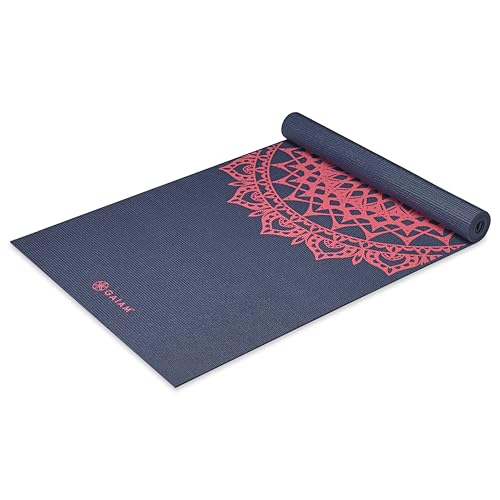
- ✓ Excellent non-slip grip
- ✓ Lightweight and portable
- ✓ Stylish design
- ✕ Slight initial odor
- ✕ Not thick enough for some
| Material | PVC (Polyvinyl Chloride) |
| Dimensions | 68 inches x 24 inches x 4 mm thick |
| Weight | Lightweight (exact weight not specified, but designed for portability) |
| Surface Texture | Textured sticky non-slip surface |
| Toxicity and Safety Standards | Non-toxic, 6P Free, free of DEHP, DBP, BBP, DINP, DIDP, DNOP |
| Included Bonus | Free downloadable yoga workout |
Many folks assume all yoga mats are essentially the same, just a piece of rubber or foam. But I found that with the Gaiam Yoga Mat Classic Print 4mm, it’s clear that design and texture really do make a difference.
I was pleasantly surprised by how sturdy and reliable it felt, even during more demanding poses.
The textured sticky surface really lives up to its name. It provides excellent grip, so I didn’t have to worry about slipping, even when my hands got sweaty.
Plus, the 4mm thickness offers enough cushioning to protect my joints without feeling bulky or heavy to carry around.
One thing I appreciated immediately was how lightweight it was. It’s easy to unroll and pack up, which is perfect for my busy schedule.
The vibrant pink Marrakesh print kept my motivation high—there’s something uplifting about practicing on a colorful, stylish mat.
It’s reassuring to know it’s non-toxic and free from harmful chemicals like PVC, DEHP, and others. I also liked that it came with a free yoga workout download—great for beginners or anyone looking to spice up their routine without extra costs.
On the downside, I found that the odor from the packaging took a couple of days to air out completely. Also, the 4mm thickness, while great for cushioning, might not be thick enough for those who prefer extra padding or have sensitive knees.
Overall, this mat is a fantastic blend of style, safety, and performance. It keeps me steady during my practice and feels good for my health and the planet.
If you’re after a reliable, cute, and lightweight yoga mat, this one ticks all boxes.
Gaiam Cork Yoga Mat Non-Slip Exercise & Fitness Mat

- ✓ Natural cork grip
- ✓ Odor and sweat resistant
- ✓ Cushioned comfort
- ✕ Loosens over time
- ✕ Slightly heavier than some mats
| Material | Natural cork top and eco-friendly TPE bottom |
| Surface Texture | Non-slip, moisture-proof, and odor-resistant cork surface |
| Thickness | Approximately 4-6mm (inferred for cushioning and support) |
| Dimensions | Standard yoga mat size (around 68 inches x 24 inches) |
| Weight | Estimated 2-3 kg based on material and size |
| Intended Use | Suitable for hot yoga, general yoga, Pilates, and stretching routines |
Compared to slick synthetic mats that feel cold and slippery, this Gaiam Cork Yoga Mat instantly caught my attention with its warm, natural cork surface. It’s surprisingly plush underfoot, providing a gentle cushion that feels both supportive and grounding.
What really stands out is how grippy it remains, even when I start to sweat, thanks to the cork’s natural slip-resistant properties. I’ve used it in hot yoga classes, and I noticed it actually becomes more secure as it slightly dampens, which is a huge plus for intense sessions.
The eco-friendly TPE backing is lightweight but sturdy, giving me confidence in my balance without feeling bulky. Plus, the moisture-proof and odor-resistant cork kept my practice feeling fresh, even after multiple sessions.
It’s a breathable, hygienic surface that doesn’t trap sweat or smells.
The cushioning is just right—not too soft or firm—so my joints aren’t under stress during downward dog or plank. I also appreciate how versatile it is; whether I’m doing Pilates, stretching, or a quick meditation, the grip and support stay consistent.
One minor thing I noticed is that as the cork loosens with heavy use, it can get a bit softer, which might affect stability for some. Still, for most workouts, it offers a reliable, comfortable surface that feels natural and eco-conscious.
What Criteria Should You Consider When Selecting the Best Yoga Mat?
When selecting the best yoga mat, several key criteria should be considered to ensure comfort, safety, and effectiveness during practice.
- Material: The material of the yoga mat significantly affects its grip and durability. Common materials include PVC, TPE, natural rubber, and jute, each offering different levels of traction and eco-friendliness.
- Thickness: The thickness of a mat can influence comfort and stability. Thicker mats provide more cushioning for joints, while thinner mats can offer better balance and connection to the ground.
- Texture: The surface texture of the mat plays a crucial role in preventing slipping during poses. A textured surface can enhance grip, while a smoother surface may be more comfortable but less stable during sweaty sessions.
- Weight: The weight of the mat determines its portability. Lighter mats are easier to carry to classes, while heavier mats may provide more stability but can be cumbersome for travel.
- Size: The size of the mat should accommodate your height and preferred practice space. Standard mats are typically 68 inches long, but taller practitioners may require longer options for full comfort during poses.
- Price: Budget is a significant consideration when selecting a yoga mat. Prices can vary widely based on material, brand, and features, so it’s important to find a mat that fits both your needs and your budget.
- Eco-friendliness: If environmental impact is a concern, look for mats made from sustainable materials. Eco-friendly mats often use natural rubber or organic cotton and are free from harmful chemicals, making them a better choice for the planet.
- Durability: The longevity of a yoga mat is important, especially for regular practitioners. A durable mat can withstand frequent use without losing grip or form, ensuring it remains effective for an extended period.
How Do Different Materials Impact the Quality of Yoga Mats?
The materials used in yoga mats significantly influence their performance, durability, and user experience.
- PVC (Polyvinyl Chloride): PVC is a common material for yoga mats due to its durability and affordability. It provides a good grip and is resistant to moisture, but it can be less eco-friendly and may contain harmful chemicals that can off-gas.
- TPE (Thermoplastic Elastomer): TPE is a newer material that is increasingly popular for its eco-friendliness and recyclability. It offers excellent cushioning and grip, while being free from toxic substances, making it a healthier choice for users.
- Natural Rubber: Natural rubber mats are praised for their superior grip and comfort, providing a non-toxic option for environmentally conscious yogis. However, they may not be suitable for those with latex allergies and can have a longer break-in period to achieve optimal stickiness.
- Cork: Cork yoga mats are sustainable and provide a unique texture that offers a natural grip, especially when wet. They are antimicrobial and eco-friendly, but may lack the cushioning of other materials, making them better suited for experienced practitioners.
- Jute: Jute mats are biodegradable and provide a rustic, natural feel. They are generally more durable and can offer a good grip, although they may not provide as much cushioning as rubber or TPE mats, making them less ideal for extended practice.
- Microfiber: Microfiber mats are often used as a top layer on other materials and excel in moisture absorption, making them great for hot yoga. They provide a soft surface but may require a non-slip mat underneath for better stability during poses.
What Thickness Should You Prefer for Various Yoga Practices?
The thickness of a yoga mat can significantly impact your practice, depending on the type of yoga you are doing.
- 1-2 mm: This ultra-thin mat is typically favored for practices that require a lot of balance and stability, such as Ashtanga or Iyengar yoga.
- 3-5 mm: A standard thickness suitable for most types of yoga, providing a good balance between cushioning and stability for practices like Vinyasa or Hatha.
- 6-8 mm: This thicker mat is ideal for restorative and gentle yoga practices, offering extra cushioning for the joints, which is beneficial for those with injuries or sensitivities.
- 10 mm or more: Often used for therapeutic yoga or Pilates, these mats provide maximum cushioning but may compromise stability during standing poses.
The 1-2 mm mat is perfect for those who prioritize feeling the floor beneath them, allowing for better sensory feedback and control in poses that require precision.
The 3-5 mm mat is versatile and caters to a wide range of yoga styles, offering enough support for comfort while still allowing for grounding in standing postures.
A 6-8 mm mat is particularly useful for restorative yoga or when a practitioner has physical limitations, as it protects sensitive joints while offering a comfortable surface for extended holds.
Finally, mats that are 10 mm or thicker are excellent for individuals who need extra cushioning due to chronic pain or injuries, but practitioners should be cautious as excessive thickness can lead to instability in balance-oriented poses.
What Are the Top Recommendations for Budget-Friendly Yoga Mats?
Some of the best budget-friendly yoga mats recommended by Yoga Journal include:
- Gaiam Cork Yoga Mat: This eco-friendly mat features a natural cork surface that provides excellent grip and cushioning. It’s lightweight and portable, making it ideal for home practice or taking to classes.
- Jade Yoga Harmony Mat: Made from natural rubber, this mat offers great traction and comfort while being environmentally conscious. Jade Yoga also plants a tree for every mat sold, adding a feel-good factor to your purchase.
- BalanceFrom GoYoga All-Purpose Yoga Mat: This mat is extra thick, providing ample cushioning for knees and joints during practice. It comes with a carrying strap, making it convenient for on-the-go yogis.
- Liforme Yoga Mat: Known for its durability and alignment guide printed on the surface, this mat is perfect for beginners and advanced practitioners alike. It’s made from eco-friendly materials and offers excellent grip even during sweaty sessions.
- Manduka PROLite Yoga Mat: While slightly on the higher end of the budget spectrum, this mat is incredibly durable and comes with a lifetime guarantee. Its dense cushioning supports intense practices, and it’s made from non-toxic materials.
Which Yoga Mats Are Best for Hot Yoga and Why?
The best yoga mats for hot yoga are designed to provide excellent grip, durability, and moisture-wicking properties to handle the intense conditions of a heated practice.
- Liforme Yoga Mat: Known for its eco-friendliness and superior grip, the Liforme mat features a natural rubber surface that becomes stickier when wet, making it ideal for hot yoga sessions.
- Manduka PRO Yoga Mat: This mat is renowned for its thickness and durability, providing excellent cushioning and stability, which is particularly beneficial during intense hot yoga practices.
- Jade Yoga Mat: Made from natural rubber and free from synthetic materials, the Jade mat offers a strong grip and is also designed with sustainability in mind, making it a favorite among eco-conscious practitioners.
- Gaiam Cork Yoga Mat: With a unique cork surface that is naturally antimicrobial and provides excellent traction, the Gaiam mat is perfect for hot yoga enthusiasts looking for a hygienic option.
- Yoga Design Lab Mat: This mat combines a microfiber towel layer with a natural rubber base, providing an exceptional grip and moisture absorption, making it particularly suitable for sweaty sessions.
The Liforme Yoga Mat is not only eco-friendly but also features alignment markers that help yogis maintain proper form during their practice. Its unique surface texture becomes grippier as it gets wet, making it a reliable choice for hot yoga classes.
The Manduka PRO Yoga Mat is favored for its dense cushioning that helps protect joints during both standing and seated postures. Its closed-cell PVC material prevents moisture from seeping in, ensuring it stays dry and hygienic even in high temperatures.
The Jade Yoga Mat stands out due to its commitment to sustainability, as the company plants a tree for every mat sold. The natural rubber provides a non-slip surface that enhances stability and grip, which is essential during vigorous hot yoga workouts.
The Gaiam Cork Yoga Mat utilizes a cork surface that not only absorbs moisture but is also naturally resistant to bacteria and mold, making it a hygienic option for sweaty practices. Its grip improves as you sweat, allowing for more challenging poses without slipping.
The Yoga Design Lab Mat features a unique combination of materials that provides both a soft, absorbent top layer and a sturdy rubber base. This design ensures that practitioners have the best of both worlds: comfort and stability during heated classes.
What Makes a Yoga Mat Eco-Friendly or Non-Toxic?
- Material Composition: The type of material used in a yoga mat significantly impacts its eco-friendliness. Mats made from natural rubber, jute, or organic cotton are biodegradable and free from harmful chemicals, making them a safer choice for both the user and the environment.
- Manufacturing Processes: Eco-friendly mats often undergo less harmful manufacturing processes that minimize environmental impact. Look for mats that are produced without toxic adhesives or dyes, as these can release harmful substances into the air and water during production.
- Certifications: Certifications like Oeko-Tex Standard 100 or GOTS (Global Organic Textile Standard) indicate that the yoga mat has been tested for harmful substances and produced sustainably. These certifications help consumers identify products that meet strict environmental and health criteria.
- Durability and Longevity: Eco-friendly yoga mats are often designed to be more durable, reducing the need for frequent replacements. A longer-lasting mat not only saves money but also lessens the environmental impact associated with manufacturing and disposing of yoga mats.
- Recyclability: Some yoga mats are designed to be recyclable at the end of their lifespan, which contributes to a circular economy. Mats made from materials like TPE (thermoplastic elastomer) can often be recycled, unlike traditional PVC mats, which contribute to landfill waste.
- Non-Toxic Coatings: Many eco-friendly mats avoid the use of toxic coatings and finishes that can emit volatile organic compounds (VOCs). This is important for maintaining indoor air quality, especially for those who practice yoga in enclosed spaces.
How Do Popular Yoga Mat Brands Compare in Terms of Quality and Value?
| Brand | Quality | Value | Price Range | Warranty |
|---|---|---|---|---|
| Liforme | High-density, eco-friendly materials; excellent grip and durability. | Premium pricing, but long-lasting performance justifies cost. | $120-$150 | Lifetime warranty |
| Manduka | Thick, supportive, and made to withstand intense use; great for all levels. | Mid to high range; offers good value for longevity. | $80-$150 | Lifetime warranty |
| Jade Yoga | Natural rubber, non-toxic; provides good traction and cushioning. | Moderately priced; supports environmental causes with every purchase. | $70-$100 | 1 year warranty |
| Gaiam | Lightweight and portable; suitable for home or travel use. | Affordable, making it ideal for beginners. | $20-$50 | 1 year warranty |