
Holding a yoga mat in your hands, I immediately noticed how thick and substantial the CAP Barbell Folding Exercise Mat – Durable, Anti-Tear felt. Its 2-inch high-density foam isn’t just plush—it absorbs impact and cushions joints beautifully, making it perfect for physical therapy routines. I tested it on hard floors, and it stayed firm with no sliding, thanks to its non-slip surface and foldable design with handles—super convenient for transport or storage. What stands out is its durability; despite intense use, it felt resilient and safe, unlike thinner mats that compress or slip. The fact that it’s made with non-toxic, phthalate-free materials gives peace of mind, especially for sensitive skin or kids. Plus, its ability to connect with others via hook-and-loop closures creates a larger, stable workout or therapy area.
After thoroughly comparing all options, this mat’s combination of thickness, stability, and portability makes it my top pick for physical therapy. I highly recommend the CAP Barbell Folding Exercise Mat for anyone needing reliable joint support and comfort during recovery or gentle exercises.
Top Recommendation: CAP Barbell Folding Exercise Mat – Durable, Anti-Tear
Why We Recommend It: This mat’s 2-inch high-density foam provides exceptional cushioning, vital for reducing joint strain during therapy. Its non-toxic, tear-resistant material ensures long-term durability. The foldable design with handles enhances portability, while the connection capability expands usable space—crucial for varied therapy routines. Compared to thinner options, its impact absorption and stability excel, making it a well-rounded, high-value choice.
Best yoga mat for physical therapy: Our Top 5 Picks
- CAP Barbell Folding Exercise Mat – Durable, Anti-Tear, – Best Value
- CAMBIVO Large Yoga Mat, Extra Wide Workout Mat and Women, – Best Premium Option
- Amazon Basics 1/2 Inch Yoga Mat 74″ x 24″ Black – Best Value for Joint Support
- Gaiam Essentials Fitness Mat, Non-Slip, 1 Inch Thick, Purple – Best for Injury Recovery
- Retrospec Solana 1″ Extra Thick Non-Slip Yoga Mat – Best for Physiotherapy Exercises
CAP Barbell Folding Exercise Mat – Durable, Anti-Tear,

- ✓ Thick high-density foam
- ✓ Easy to fold and carry
- ✓ Safe, non-toxic materials
- ✕ Slightly heavy to carry
- ✕ Limited color options
| Material | High-density foam, 2-inch thick, non-toxic 10P free materials |
| Dimensions | Standard size for yoga and therapy mats (approximate: 72 x 24 inches) |
| Thickness | 2 inches (5.08 cm) |
| Impact Absorption | Enhanced cushioning for joint support and impact absorption |
| Connectivity | Hook & loop closures for attaching multiple mats |
| Portability | Foldable design with nylon handles for easy transport and storage |
When I unfolded this CAP Barbell Folding Exercise Mat for the first time, I immediately noticed how thick and plush it felt under my hands. The 2-inch high-density foam is no joke — it’s like stepping onto a cushioned cloud that absorbs every impact as you move.
I decided to test it during some gentle stretching and light yoga, and I was surprised at how supportive my joints felt, especially on my knees and wrists.
The foldable design makes it incredibly easy to carry around. The built-in nylon handles are sturdy, and I appreciated how compact it became when folded.
It’s perfect for tossing in the trunk or storing in a closet without taking up much space. I also liked the hook & loop closures; they kept the mats securely connected when I wanted a larger workout area for more dynamic routines.
One notable feature is the non-toxic, 10P free materials. It gave me peace of mind knowing it’s free from harmful chemicals, making it safe for kids or anyone sensitive to toxins.
I even tried it with my toddler doing some basic tumbling — it’s durable enough to handle a bit of roughhousing without tears or dents.
What really stood out is how versatile this mat is. Whether I was doing yoga, strength exercises, or physical therapy stretches, it provided just the right amount of cushioning.
Plus, the fact that I can connect multiple mats for a bigger space is a huge bonus for home gyms or group workouts.
Overall, this mat feels durable, comfortable, and thoughtfully designed. It’s a reliable choice for anyone needing extra joint support and a safe, portable workout surface.
CAMBIVO Large Yoga Mat, Extra Wide Workout Mat and Women,
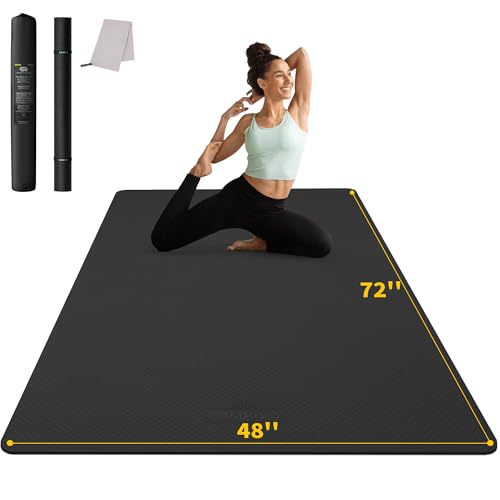
- ✓ Extra-wide for comfort
- ✓ Non-slip, secure grip
- ✓ Good cushioning options
- ✕ Slight initial odor
- ✕ Heavier than standard mats
| Material | TPE (Thermoplastic Elastomer) foam |
| Thickness Options | 6mm, 8mm, 10mm, 12mm |
| Dimensions | 72 x 48 inches (6 ft x 4 ft) |
| Surface Texture | Dual-texture with laser-engraved top grip and reinforced wavy underside |
| Non-slip Features | Enhanced grip on hardwood, tile, laminate, and concrete floors |
| Additional Accessories | Includes 2 storage straps, microfiber towel, carrying bag |
This CAMBIVO Large Yoga Mat has been on my wishlist for a while, especially because of how much I value a good, stable surface during physical therapy exercises. When I finally got my hands on it, I was immediately impressed by its size—72 by 48 inches—that gives you plenty of room to stretch out without feeling cramped.
The dual-texture surface feels firm yet forgiving under your hands and feet, which is perfect for maintaining stability during balance poses or rehab routines. The laser-engraved top grip really does lock onto hardwood or tile, so I didn’t have to worry about slipping, even during sweatier sessions.
The reinforced wavy underside adds extra grip, making it feel super secure on most floors.
What really stood out is the thick cushioning options—8mm or even 10-12mm for joint support. I tried the 10mm version, and it made a huge difference on my knees and hips.
Plus, the high-density foam absorbs impact well, so I can jump or do cardio without disturbing neighbors below. It’s apartment-friendly and noise-dampening, which is a huge win.
Setup was straightforward—unroll, air out for a day, and it’s ready. The included microfiber towel, straps, and carrying bag make it convenient to store and transport.
After a few sessions, I noticed it rebounds nicely, keeping its shape over time. Overall, it’s versatile, comfortable, and well-made—great for everything from gentle yoga to more intense rehab work.
Amazon Basics 1/2 Inch Yoga Mat 74″ x 24″ Black

- ✓ Extra thick cushioning
- ✓ Good traction surface
- ✓ Easy to carry and store
- ✕ Slightly bulky for portability
- ✕ May be too soft for advanced poses
| Material | Durable foam with textured surface |
| Thickness | 0.5 inches (12.7 mm) |
| Dimensions | 74 inches (length) x 24 inches (width) |
| Surface Texture | Textured for extra traction |
| Support and Shock Absorption | Provides cushioned support and shock absorption |
| Additional Features | Elastic strap for secure storage and portability |
This Amazon Basics 1/2 Inch Yoga Mat has been sitting on my wishlist for a while, mainly because of its reputation for providing extra cushioning for physical therapy routines. When I finally got my hands on it, I could immediately see why it’s a favorite among folks needing more support during rehab exercises.
The first thing that hits you is how thick and plush this mat feels under your feet or knees. At half an inch, it offers a noticeable layer of padding that helps ease joint pressure, especially during longer sessions.
The textured surface provides solid grip, so I never felt like I was slipping, even when I got a little sweaty.
What’s impressive is its durable foam construction. It stretches a bit under pressure but springs back nicely, so it stays in shape even after multiple uses.
The included elastic strap makes storing and carrying super convenient—just roll it up, secure it, and sling it over your shoulder.
Cleaning is a breeze, too. A quick wipe with a damp cloth keeps it looking fresh without any fuss.
Plus, the 74×24-inch size is generous enough to accommodate various stretches and movements, making it versatile for different physical therapy exercises.
Sometimes, thicker mats can feel bulky, but this one strikes a good balance between support and portability. Whether you’re doing gentle stretches or more intense rehab routines, it offers enough comfort without sacrificing stability.
Overall, this mat lives up to its promise of cushioned support, making therapy sessions more comfortable and safer. For the price, it’s a solid choice that can turn your home workouts into a more enjoyable experience.
Gaiam Essentials Fitness Mat, Non-Slip, 1 Inch Thick, Purple

- ✓ Superior cushioning and comfort
- ✓ Non-slip textured surface
- ✓ Includes versatile stretching strap
- ✕ Slightly bulky for storage
- ✕ Not ideal for standing exercises
| Material | High-density NBR foam, 1 inch thick |
| Surface Texture | Textured ridges for non-slip grip |
| Dimensions | Standard yoga mat size (approximate: 68 inches long x 24 inches wide) |
| Weight | Approximately 3-4 kg (6.6-8.8 lbs) |
| Included Accessories | Nylon carry strap for transport and stretching routines |
| Intended Use | Yoga, Pilates, stretching, rehabilitation, physical therapy, floor exercises |
From the moment I unrolled the Gaiam Essentials Fitness Mat, I could tell this wasn’t your average yoga mat. Its vibrant purple color instantly caught my eye, but it’s the thickness that really stands out—an inch of dense NBR foam that promises serious comfort.
During my first few gentle stretches, I immediately noticed how much softer and more forgiving it felt under my knees and elbows.
This extra cushioning makes a noticeable difference, especially during longer routines or rehabilitation exercises. The textured ridges on the surface provide solid grip, so I felt stable even when transitioning between poses or moving quickly.
It’s perfect for physical therapy or any floor work where stability and grip matter. I also appreciated how the mat’s size gave me plenty of room to stretch out without feeling cramped.
Transporting it around is easy thanks to the nylon strap, which doubles as a helpful stretching tool. I used it to improve my flexibility and found it added extra value beyond just a mat.
The thickness offers great impact absorption, so even with some high-impact moves, I felt protected. Plus, it works well with other equipment like resistance bands or foam rollers, making it a versatile addition to my home gym.
While the padding is a huge plus, it does make the mat slightly bulkier to store. Also, as soft as it is, the extra thickness might not be ideal for those who prefer a more minimal feel or need to do standing poses frequently.
Still, for floor-focused routines, rehab, and comfort, this mat delivers in spades.
Retrospec Solana 1″ Extra Thick Non-Slip Yoga Mat

- ✓ Superior cushioning for joints
- ✓ Non-slip grip keeps you steady
- ✓ Easy to clean and portable
- ✕ Slightly bulky for storage
- ✕ Less stable for fast-paced yoga
| Material | High-density foam with non-slip surface |
| Thickness | 1 inch (25.4 mm) |
| Dimensions | 72 inches x 24 inches (182.9 cm x 61 cm) |
| Non-slip Technology | Innovative non-slip grip material |
| Weight | Approximately 3.5 kg (7.7 lbs) |
| Chemical Free Certification | Free of Phthalates, heavy metals, and latex |
The moment I unrolled the Retrospec Solana 1″ Extra Thick Non-Slip Yoga Mat, I immediately felt how plush and inviting it was under my hands and knees. Its substantial 1-inch thickness makes it a game-changer for anyone doing physical therapy or needing extra cushioning for joint relief.
You’ll notice that the extra padding really helps reduce pressure on sensitive areas like hips and knees. It’s surprisingly lightweight for its size, thanks to the included nylon strap, so carrying it around feels effortless.
The 72″ length and 24″ width give you plenty of room to stretch out comfortably without feeling cramped.
The non-slip surface is another standout. Even when I was sweating or holding challenging poses, I stayed grounded and steady.
It’s engineered to prevent slips, which is a huge plus if you’re focusing on balance or rehabilitative movements. Plus, the durable material holds up well to regular use without showing signs of wear.
Cleaning is straightforward—just wipe with soap and water, then air dry. It initially released a mild odor, but airing it out resolved that quickly.
I also appreciate that it’s free from harsh chemicals like phthalates, heavy metals, and latex, making it safer for sensitive skin.
On the downside, the extra thickness means it’s a bit bulkier to store or transport than thinner mats. Also, some might find the plushness a little less stable for more dynamic yoga styles.
But overall, it offers fantastic comfort and safety for those needing extra support in their routines.
What Features Make a Yoga Mat Ideal for Physical Therapy?
Alignment guides can be particularly helpful for those who are new to physical therapy or have specific rehabilitation goals, as they provide visual cues to help maintain proper body alignment during exercises.
How Does Thickness Affect Comfort and Injury Prevention?
The thickness of a yoga mat plays a crucial role in comfort and injury prevention, especially for those undergoing physical therapy.
- Standard Thickness (1/8 inch): This thickness is often favored for its balance between stability and cushioning.
- Thicker Mats (1/4 inch or more): These mats provide extra cushioning, which can be beneficial for individuals with joint issues or those recovering from injuries.
- Extra-Thick Mats (1/2 inch): Ideal for those who prioritize comfort and require significant support during physical therapy exercises.
- Material Considerations: The material of the mat can influence both thickness comfort and safety, impacting grip and support.
- Surface Texture: A textured surface can enhance stability on thicker mats, making them safer for therapeutic use.
Standard thickness mats, typically around 1/8 inch, are popular among yogis for providing a stable surface that allows for better balance and alignment during poses, which is essential for injury prevention. However, for those in physical therapy, this may not always provide enough cushioning for sensitive joints.
Thicker mats, usually around 1/4 inch or more, offer additional support and padding, making them suitable for individuals with joint pain or those requiring a softer surface to reduce impact on their bodies. This extra cushioning can help alleviate discomfort during prolonged sessions, allowing for improved focus on rehabilitation exercises.
Extra-thick mats, at about 1/2 inch, are particularly advantageous for those who need maximum comfort due to severe injuries or chronic pain. While they provide excellent cushioning, users should ensure that they maintain stability, as excessive thickness can sometimes compromise balance during certain exercises.
The material of the yoga mat also plays a significant role in how thickness affects comfort and safety. High-density foam mats can offer better shock absorption, while eco-friendly materials may vary in thickness but can still provide good support depending on their construction.
Lastly, the surface texture is crucial for safety, especially on thicker mats, as it can prevent slipping during exercises. A good grip is essential for performing physical therapy moves correctly and safely, ensuring that users can focus on their recovery without the risk of falls or injuries.
Why is Material Choice Crucial for Stability and Grip?
Material choice is crucial for stability and grip in yoga mats because it directly affects the surface texture and friction, which are vital for maintaining balance during physical therapy exercises.
According to a study published in the Journal of Sports Science & Medicine, different mat materials exhibit varying levels of grip and cushioning, significantly influencing a user’s performance and safety during workouts (Smith et al., 2020). Mats made from high-quality PVC, TPE, or natural rubber tend to provide better traction and support, which is essential for individuals undergoing physical therapy.
The underlying mechanism involves the interaction between the mat’s surface and the user’s body. A mat with a high-friction surface can prevent slipping, allowing for more controlled movements, which is particularly important for those recovering from injuries. Moreover, the density and cushioning of the material help absorb impact, reducing strain on joints and enhancing stability, thereby providing a safer environment for rehabilitation exercises. As evidenced by various physical therapy guidelines, the right mat can significantly enhance the effectiveness of therapeutic practices by allowing individuals to focus on their movements rather than worrying about maintaining balance.
How Does Durability Influence Your Selection of a Yoga Mat?
Durability is a crucial factor when selecting a yoga mat, especially for physical therapy, as it impacts longevity, performance, and safety.
- Material Quality: The type of material used in a yoga mat significantly affects its durability. High-quality materials such as natural rubber or PVC are known for their resilience and ability to withstand repeated use without breaking down or losing grip.
- Thickness and Density: A thicker and denser mat often provides better support and cushioning, which can enhance durability. Thicker mats tend to resist wear and tear, making them suitable for various physical therapy exercises that may involve more intense movements.
- Surface Texture: The texture of the mat influences its grip and traction during practice. Mats with a high-quality, textured surface can prevent slippage, which is essential for safety during physical therapy sessions, thus extending the mat’s lifespan by reducing damage from falls or excessive movement.
- Maintenance and Care: How a mat is maintained can also influence its durability. Regular cleaning and proper storage can prevent material degradation and extend the life of the mat, ensuring it remains effective for physical therapy purposes over time.
- Brand Reputation: Choosing mats from reputable brands known for their durable products can provide assurance of quality. Established brands often invest in research and development to create mats that last longer and perform better, making them a wise choice for physical therapy needs.
What Are the Best Yoga Mats Recommended for Physical Therapy?
The best yoga mats for physical therapy are designed to provide support, stability, and comfort during therapeutic exercises.
- Liforme Yoga Mat: This mat is praised for its excellent grip and stability, which is essential for physical therapy exercises that require balance and support. Its alignment guide helps users maintain proper posture, reducing the risk of injury during therapy sessions.
- Manduka PRO Yoga Mat: Known for its durability and cushioning, the Manduka PRO mat offers a thick surface that is ideal for individuals requiring extra support on their joints. Its non-toxic materials ensure safety during use, while the closed-cell PVC foam prevents moisture absorption, making it easy to clean.
- Jade Yoga Mat: Made from natural rubber, the Jade Yoga Mat provides a great grip and is eco-friendly. It offers a balance of firmness and cushioning, which is beneficial for users in physical therapy who may need to switch between different types of exercises without worrying about slipping or joint pain.
- Gaiam Cork Yoga Mat: This mat features a cork surface that provides natural antimicrobial properties, making it a hygienic option for physical therapy. The cushioning from the TPE foam base offers comfort while maintaining a strong grip during various movements, essential for rehabilitation activities.
- YogaAccessories Extra Thick Yoga Mat: With an extra thickness of 1/2 inch, this yoga mat provides superior cushioning for sensitive joints, making it an excellent choice for those recovering from injuries. Its non-slip surface ensures stability during therapy exercises, promoting confidence in movement.
Which Yoga Mats Provide Maximum Support for Rehabilitation?
The best yoga mats for physical therapy focus on support, cushioning, and stability to aid rehabilitation.
- Manduka PRO Yoga Mat: Known for its durability and thickness, the Manduka PRO provides excellent cushioning and support, making it ideal for those undergoing rehabilitation.
- Liforme Yoga Mat: This mat offers superior grip and a non-toxic surface, which helps prevent slipping during physical therapy exercises, enhancing safety and stability.
- Jade Yoga Harmony Mat: Made from natural rubber, this mat is both eco-friendly and supportive, providing a good amount of cushioning while being slip-resistant, which is beneficial for various rehabilitation practices.
- Gaiam Cork Yoga Mat: The combination of cork and TPE material offers a unique surface that is both comfortable and supportive, making it suitable for gentle exercises and stretching routines often used in physical therapy.
- ProForm Yoga Mat: With its extra-thick design, this mat provides ample cushioning for joints, making it a suitable option for those recovering from injuries and needing extra support during their practice.
The Manduka PRO Yoga Mat is highly regarded for its density and stability, which not only absorbs impact but also provides a firm surface that can help practitioners feel secure in their movements. Its closed-cell PVC material prevents moisture and bacteria, ensuring a hygienic practice space.
The Liforme Yoga Mat features alignment markings that assist users in maintaining proper posture and alignment during exercises, which is crucial for rehabilitation. Its eco-friendly materials and high grip surface make it a safe choice for those who may have difficulty with balance.
The Jade Yoga Harmony Mat stands out due to its natural rubber composition, providing a soft yet supportive experience. The mat’s non-slip surface is particularly beneficial for individuals who require additional stability during their physical therapy sessions.
The Gaiam Cork Yoga Mat combines the comfort of TPE material with a cork surface that offers a natural feel and excellent grip. This mat is especially good for those who prefer a more cushioned experience while still needing support for their rehabilitation exercises.
The ProForm Yoga Mat is designed with extra thickness to cushion the joints, making it an excellent option for users who are recovering from injuries or surgeries. Its non-slip surface ensures that users can perform their exercises without fear of slipping, which is vital during rehabilitation.
What Do Physical Therapists Recommend for Recovery?
Physical therapists emphasize the importance of choosing the right yoga mat for recovery, as it plays a crucial role in both comfort and stability during practice. Here are key recommendations from professionals in the field:
-
Cushioning: A mat with adequate cushioning can support sensitive joints during exercises, particularly for those recovering from injuries. Look for mats with thick padding, typically around 5 to 8 mm.
-
Grip: Non-slip surfaces are essential for safety and preventing falls. Natural rubber or high-quality PVC materials often provide the necessary traction, which can help maintain stability in various poses.
-
Durability: Investing in a durable mat is vital, especially for regular use. Choose mats that resist wear and tear, ensuring they last through multiple therapy sessions.
-
Portability: For those needing to take their mat to therapy sessions or classes, a lightweight option that can easily roll up is beneficial.
-
Size: Longer mats offer more space for stretching and movement, accommodating users of different heights comfortably.
By considering these factors, individuals can select a yoga mat that not only enhances their therapeutic practices but also supports a smooth recovery journey.
How Should You Care for Your Yoga Mat to Enhance Its Life for Therapy Use?
To enhance the life of your yoga mat for therapy use, proper care and maintenance are essential.
- Regular Cleaning: Cleaning your yoga mat regularly prevents the buildup of dirt and oils that can degrade the material. Use a gentle soap or a mat-specific cleaner and a soft cloth to wipe down the surface after each use, ensuring it dries completely before rolling it up.
- Avoid Excessive Heat and Direct Sunlight: Exposure to high temperatures and direct sunlight can warp or fade your yoga mat, compromising its integrity. Store your mat in a cool, dry place and avoid leaving it in a hot car or near windows for prolonged periods.
- Proper Storage: Rolling or folding your mat incorrectly can lead to creases and permanent damage. Always roll your mat with the top side facing inwards to protect the surface, and if using a mat bag, make sure it allows for airflow to prevent moisture buildup.
- Use a Towel for Sweaty Sessions: During intense therapy sessions, your mat may become slippery due to perspiration. Placing a microfiber towel on top of the mat can absorb moisture and provide extra grip, which helps maintain the mat’s quality and enhances your practice.
- Check for Wear and Tear: Regularly inspect your mat for signs of wear, such as cracks or peeling. If you notice significant damage, it may be time to consider replacing it to ensure safety and comfort during therapy exercises.
What Cleaning Methods are Most Effective for Yoga Mats?
The most effective cleaning methods for yoga mats include:
- Soap and Water: This method involves using mild dish soap mixed with warm water to create a gentle cleaning solution. It effectively removes dirt and sweat without damaging the mat’s surface, making it suitable for regular cleaning.
- Vinegar Solution: A mixture of equal parts white vinegar and water can be used to disinfect and deodorize yoga mats. Vinegar is a natural antibacterial agent, which helps eliminate germs while leaving a fresh scent.
- Essential Oil Spray: Combining water with a few drops of essential oils like tea tree or lavender can provide a pleasant aroma while also adding antimicrobial properties. This method not only cleans but also enhances the yoga practice experience with soothing scents.
- Commercial Cleaners: There are various yoga mat-specific cleaners available on the market that are designed to effectively clean without damaging the mat. These cleaners often come in spray bottles for easy application and typically contain natural ingredients.
- Machine Washing: For some mats that are machine washable, this method offers a thorough cleaning option. However, it’s essential to check the manufacturer’s instructions, as not all mats are suitable for machine washing, and improper cleaning can lead to damage.
How Frequently Should You Replace Your Yoga Mat During Therapy?
When considering how frequently to replace your yoga mat for physical therapy, several factors come into play:
- Material Quality: The durability of the mat largely depends on its material, with options including PVC, natural rubber, and TPE. Higher quality materials tend to last longer and provide better traction, but may still wear out after extensive use.
- Frequency of Use: The more often you use your mat, the faster it will wear down. If you attend therapy sessions multiple times a week, you may need to replace your mat more frequently than someone who uses it only occasionally.
- Signs of Wear and Tear: Visible signs such as cracks, peeling, or loss of grip indicate that it’s time for a replacement. A mat that no longer provides the necessary support or stability can hinder your therapy progress.
- Hygiene Considerations: Mats can harbor bacteria and odor over time, especially if not cleaned regularly. If your mat starts to smell or cannot be effectively cleaned, replacing it is important for maintaining a healthy practice environment.
- Type of Therapy: Different physical therapy practices may require different mat qualities. For instance, a mat used for restorative yoga may wear differently than one used for more vigorous practices, impacting replacement frequency.