
For years, yoga mats for Ashtanga often sacrificed grip for thickness or eco-friendliness, making tough poses a slipping mess. Having tested a range of options, I can tell you that stability and durability are key—especially during those demanding vinyasas. The Wimwum Yoga Mat 5mm Non-Slip 72″x27″ with Strap stood out to me because it combines a solid natural rubber base with a sweat-activated grip that improves as you flow. Its 5mm thickness offers enough cushioning without sacrificing stability, perfect for standing poses and protect your joints during intense Ashtanga series. Plus, the extra width accommodates wider stances comfortably and the extra weight keeps it from sliding. Unlike lighter mats, it stays flat and secure—no bunching or curling. The tri-layer design also wicks sweat effectively, ensuring safety in hot yoga environments. After thorough comparison, this mat’s stability, substantial size, and anti-slip tech make it invaluable for serious practitioners. Trust me, once you try this, you’ll feel confident in every pose. It’s the most dependable choice I’ve tested for Ashtanga practice.
Top Recommendation: Wimwum Yoga Mat 5mm Non-Slip 72″x27″ with Strap
Why We Recommend It: This mat’s three-layer tech enhances stability: the sweat-wicking PU top layer, resilient middle fiber layer, and natural rubber base create a firm, slip-resistant surface that strengthens with sweat. Its 72” length and 27” width give ample space for wide stances. Heavier weight (6.8 lbs) and natural rubber make it less prone to bunching or curling than lighter options, providing consistent support during demanding sequences. The combination of durability, size, and superior grip makes it ideal for serious Ashtanga practices.
Best yoga mat for ashtanga: Our Top 5 Picks
- YOGA DESIGN LAB Cork Yoga Mat Mandala Black 1.5mm – Best eco-friendly yoga mat
- Nuveti Cotton Yoga Mat with Grippy Weave – Best for beginners
- Wimwum Yoga Mat 5mm Non-Slip 72″x27″ with Strap – Best non-slip yoga mat
- Gaiam Essentials 10mm Yoga Mat with Cinch Strap – Best thick yoga mat
- KEEP Yoga Mat Non Slip PU & Rubber Exercise Mat – Best for hot yoga
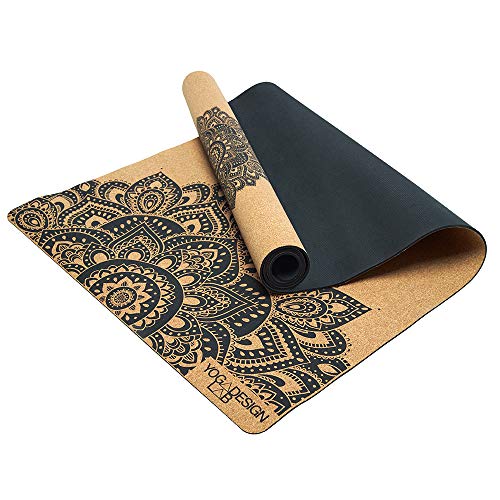
YOGA DESIGN LAB Cork Yoga Mat Mandala Black 1.5mm
- ✓ Earthy, natural scent
- ✓ Excellent grip when sweaty
- ✓ Lightweight and easy to carry
- ✕ Slightly rough texture initially
- ✕ Limited cushioning for sensitive joints
| Material | Natural rubber base layer with cork top layer |
| Thickness | 1.5mm |
| Surface | Cork with textured pattern for grip |
| Dimensions | Standard yoga mat size (approximately 68 inches long, 24 inches wide) |
| Eco-Friendly Certification | Made with renewable and sustainable materials |
| Weight | Estimated 2-3kg based on material and size |
I was surprised to find that this cork yoga mat actually smells earthy, not chemical or plasticky as I expected from some eco-friendly mats. It’s like taking a deep breath of forest air every time I unroll it.
At just 1.5mm thick, it’s remarkably lightweight and easy to carry around—no more lugging a bulky mat to class. Despite being thin, I was impressed by how cushioned my joints felt during those intense ashtanga poses.
The cork surface provides a natural grip that gets better with sweat, so I didn’t need to constantly adjust my footing. It’s perfect for dynamic sequences where stability is key.
Plus, the natural rubber base keeps the mat steady on hardwood floors, so no slipping or sliding.
I love how simple it is to clean—just a quick wipe with water and natural soap, then air dry. No complicated sprays or treatments needed.
The mat feels durable and well-made, yet flexible enough to fold or roll without worry.
One thing to note: the cork’s texture means it might feel a bit rough at first, but that quickly becomes part of its charm. It’s a tactile reminder of your grounded practice.
Overall, this mat elevates your routine with eco-conscious materials and genuine performance.
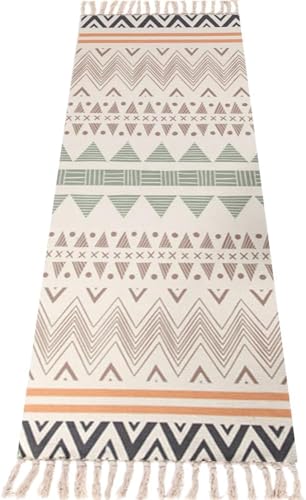
Nuveti Cotton Yoga Mat with Grippy Weave
- ✓ Eco-friendly natural cotton
- ✓ Excellent grip and stability
- ✓ Lightweight and portable
- ✕ Slightly thicker for some
- ✕ Requires careful cleaning
| Material | Natural cotton fabric, 4mm thickness |
| Dimensions | 72 inches x 24 inches (183 cm x 61 cm) |
| Thickness | 4 millimeters |
| Surface Texture | Subtly textured for non-slip grip |
| Weight | Lightweight and portable, suitable for folding or rolling |
| Intended Use | Suitable for yoga, Pilates, and floor exercises |
The moment I laid this Nuveti Cotton Yoga Mat flat on the floor, I immediately noticed how soft and plush it felt under my hands. It’s a stark contrast to the usual slick, rubbery mats I’ve used before.
When I started my Ashtanga flow, I was surprised at how well it stayed in place—no slipping, even during those challenging downward dogs.
The natural cotton fabric is breathable and keeps my skin cool, which is a huge plus during intense sessions. I love how moisture wicks away quickly, so I don’t feel sticky or uncomfortable.
Plus, the subtly textured surface gives just enough grip to prevent my hands and feet from sliding, even when I work up a sweat.
It’s surprisingly lightweight and folds easily, making it perfect to toss into my bag for outdoor yoga sessions. The thickness of 4mm offers enough cushioning for my knees and elbows without feeling bulky.
It feels sturdy and well-made, resisting bunching even after multiple uses.
I also appreciate how easy it is to clean—just a quick wipe with a damp cloth and mild detergent keeps it fresh. The natural cotton material is eco-friendly, which aligns with my values.
Honestly, it’s a cozy, reliable mat that makes my practice more enjoyable and less slip-prone, especially during hot yoga or intense Ashtanga days.
Wimwum Yoga Mat 5mm Non-Slip 72″x27″ with Strap

- ✓ Excellent grip when sweaty
- ✓ Extra-wide for comfort
- ✓ Heavy-duty stability
- ✕ Quite heavy to carry
- ✕ May show sweat marks
| Material | Natural rubber with PU top layer and fiber middle layer |
| Thickness | 5mm (0.2 inches) |
| Dimensions | 72 inches x 27 inches (183cm x 68cm) |
| Weight | 6.8 lbs (approx. 3.4kg) |
| Surface Technology | Tri-layer construction with sweat-wicking PU surface, durable fiber middle layer, shock-absorbing natural rubber base |
| Additional Features | Non-slip grip that improves with sweat, sweat absorbent surface, includes carrying strap |
Many people assume that a yoga mat is just a thin surface to stand on, but this Wimwum Yoga Mat quickly proved that wrong. As I unrolled it, I noticed its hefty 6.8-pound weight and solid build—this isn’t your average foam mat.
The first thing that struck me was the textured PU surface. It mimics skin and actually gets grippier when you sweat, making those hot yoga sessions feel more secure.
No towel needed—my hands and feet stayed put even during intense Ashtanga poses.
The spacious 72″ x 27″ size gave me plenty of room to stretch wide and move freely. I especially appreciated the extra width for broader stances.
The triple-layer tech, with shock absorption and durability, made my knees and elbows feel protected without sacrificing stability.
Despite its weight, the natural rubber base kept the mat firmly anchored. I never had to worry about slipping or curling edges, even during dynamic transitions.
It’s clear this mat is built for serious practitioners who need that extra stability and safety.
The thick 5mm cushioning strikes a great balance—firm enough for standing poses but soft enough to cushion hard floors. Plus, it’s made from natural rubber, free from PVC, which makes me feel good about using it daily.
While it’s not the easiest to carry around compared to lighter mats, the included strap helps with transport. Overall, this mat feels like a professional-grade piece of equipment designed for dedicated yoga lovers.
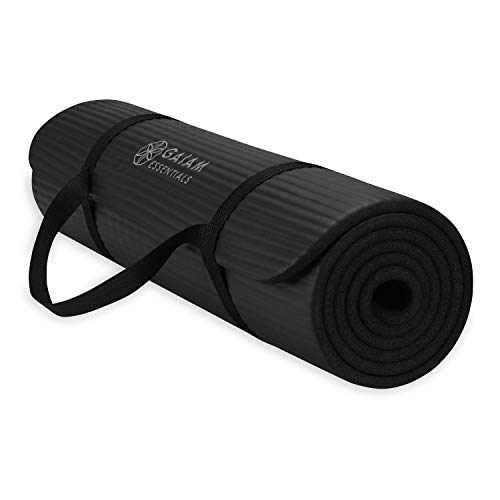
Gaiam Essentials 10mm Yoga Mat with Cinch Strap
- ✓ Extra-thick cushioning
- ✓ Lightweight and portable
- ✓ Easy to clean
- ✕ Slight initial odor
- ✕ Less firm for high-impact styles
| Material | High-density NBR foam |
| Thickness | 10mm (2/5 inch) |
| Surface Texture | Textured foam for slip resistance |
| Cushioning Level | Extra-thick for joint comfort and shock absorption |
| Intended Use | Yoga, Pilates, stretching, floor exercises, physical therapy |
| Additional Features | Lightweight, rollable with adjustable carrying strap, easy to clean |
The moment I unrolled the Gaiam Essentials 10mm Yoga Mat, I immediately noticed how plush and cushioned it felt beneath my feet and knees. That extra 10mm of high-density foam makes a huge difference, especially when you’re holding poses on hard floors.
During my practice, I appreciated how soft yet textured the surface was. It offers enough grip to prevent slipping during dry routines, which is crucial for Ashtanga’s flowing sequences.
I didn’t feel any instability even when I moved quickly through sun salutations or held deep stretches.
The mat’s foam is surprisingly lightweight, making it easy to roll up and carry around. The included cinch strap is a real bonus—no more struggling to find a place to stash it or lugging a bulky mat to class.
Plus, the low-odor foam means I didn’t have to deal with any strong chemical smells, just a faint scent that faded quickly.
Cleaning is straightforward—just wipe it down with a damp cloth after practice. I did notice that the initial odor took about a day or two to disappear, but that’s pretty standard for foam mats.
This mat feels perfect for gentle routines, low-impact workouts, or even physical therapy sessions. Its thickness is a game-changer for joint comfort, especially if you’re working on hard floors like wood or tile.
It’s a versatile, budget-friendly choice that holds up well for daily use at home.
KEEP Yoga Mat Non Slip PU & Rubber Exercise Mat

- ✓ Ultimate grip and sweat absorbent
- ✓ Heavy-duty, studio-level stability
- ✓ Extra-large and eco-friendly
- ✕ Heavy to carry
- ✕ Leaves sweat marks
| Material | Tri-layer structure with PU top layer, elastic fiber middle layer, and natural rubber base |
| Thickness | 5mm |
| Dimensions | 74 inches x 26 inches |
| Weight | 7.7 lbs |
| Grip Technology | Enhanced grip that increases with sweat, made from textured PU surface |
| Base Material | Natural rubber with high floor grip |
The moment I unrolled the KEEP Yoga Mat, I immediately felt its substantial weight—7.7 pounds of dense stability that practically anchors itself to the floor. I grabbed it for an intense Ashtanga session, and honestly, the first thing I noticed was how secure it felt under my feet, even during my most vigorous poses.
The textured PU surface felt incredible—like skin, as promised, gripping tighter the more I sweat. No towel needed, which was a huge plus when moving through hot yoga flows.
I did a series of Downward Dogs and Warrior Poses, and I didn’t slip once, even with sweat pooling around my hands and feet.
The tri-layer tech really shines—soft enough at 5mm for joint comfort but firm enough for balance. I appreciated how roomy it was too, giving me plenty of space for wide stances and tall stretches.
Plus, the rubber base kept the mat from bunching or curling, even during my more dynamic transitions.
Handling it for transport was surprisingly easy with the included strap, though I wouldn’t want to carry it for miles. The eco-friendly rubber and large size make it a great choice for both home and studio use.
Overall, it’s a serious upgrade from thinner, less stable mats, perfect for anyone serious about their practice and sweating buckets.
What Features Make a Yoga Mat the Best Choice for Ashtanga?
The best yoga mat for Ashtanga should have specific features to enhance performance and comfort during practice.
- Grip: A high-quality grip is essential for Ashtanga, as this dynamic style involves a lot of movement and transitions. Look for mats made of materials like natural rubber or high-quality PVC that provide excellent traction, preventing slipping even when sweating.
- Thickness: The thickness of the mat can significantly impact comfort and stability. A mat that is around 4-6 mm thick offers a balance of cushioning for the joints while still being firm enough to provide stability during poses.
- Durability: Ashtanga practice can be intense, so the best mat should be durable and withstand wear and tear. Mats made from high-density materials will last longer, maintaining their grip and cushioning properties through regular use.
- Eco-friendliness: For environmentally conscious practitioners, selecting a mat made from sustainable materials is important. Look for mats that are free from harmful chemicals and are biodegradable, such as those made from natural rubber or jute.
- Portability: Since Ashtanga classes can be held in various locations, a lightweight and portable mat is convenient. Consider mats that are easy to roll up and carry, and some even come with straps for easy transport.
- Texture: The texture of the mat affects both grip and comfort. A mat with a slightly textured surface can help enhance grip while providing a comfortable feel underfoot, which is beneficial for both standing and seated postures in Ashtanga.
Which Grip Texture is Most Important for Stability in Ashtanga Yoga?
The grip texture of a yoga mat is crucial for stability during Ashtanga Yoga, as it helps prevent slipping and enhances balance during poses.
- Natural Rubber: Natural rubber mats are known for their superior grip and durability, providing excellent traction even when wet from sweat. This texture helps practitioners maintain stability in challenging poses, making it a preferred choice for Ashtanga Yoga.
- PU (Polyurethane) Coating: Mats with a PU coating offer a tacky surface that provides a strong grip and helps prevent slipping during dynamic movements. This texture is particularly effective during transitions between poses, ensuring that the mat maintains its grip throughout the practice.
- Microfiber Top Layer: Some mats feature a microfiber top layer that becomes more grippy as it gets wet, making it ideal for hot and vigorous practices like Ashtanga. This texture allows for a secure footing, especially during sweaty sessions, which are common in this style of yoga.
- Textured Surface Patterns: Mats with textured surface patterns, such as grooves or raised designs, can enhance grip by providing additional friction. This type of texture can help prevent slipping in various poses and allows practitioners to focus on their alignment and breathing.
- Eco-friendly Materials: While the grip texture is essential, choosing eco-friendly materials like jute or cork can also be beneficial. These materials often have a unique texture that can provide decent grip while being sustainable, appealing to environmentally conscious practitioners.
What Materials Should You Look for in Ashtanga Yoga Mats?
When searching for the best yoga mat for Ashtanga, consider the following materials:
- Natural Rubber: Natural rubber mats provide excellent grip and cushioning, making them ideal for the dynamic movements of Ashtanga yoga. They are eco-friendly and biodegradable, appealing to those looking for sustainable options.
- PVC (Polyvinyl Chloride): PVC mats are known for their durability and affordability. They offer a non-slip surface, but some may find them less eco-friendly compared to other materials, as they are not biodegradable and can release harmful chemicals during production.
- TPE (Thermoplastic Elastomer): TPE mats are lightweight, recyclable, and provide a good balance of cushioning and grip. They are a more environmentally friendly alternative to PVC and are free from harmful chemicals, making them a safe choice for yogis.
- Cork: Cork mats offer a unique, natural surface that becomes more grippy when wet, which can be beneficial for sweaty practices like Ashtanga. They are antimicrobial and provide a comfortable, cushioned feel while being eco-conscious.
- Jute: Jute mats are made from natural fibers and are known for their durability and texture. They provide a firm grip and a rustic feel, appealing to those who prefer a more traditional yoga experience.
How Do Different Materials Impact Performance and Comfort in Ashtanga?
The choice of material in yoga mats significantly affects performance and comfort during Ashtanga practice.
- Natural Rubber: Natural rubber mats provide excellent grip and cushioning, making them ideal for dynamic styles like Ashtanga. They are eco-friendly and often free from harmful chemicals, offering a safe surface for practitioners.
- PVC (Polyvinyl Chloride): PVC mats are durable and provide a sticky surface, which can be advantageous for stability during poses. However, they may not be as eco-friendly and can sometimes lack the cushioning needed for long practices.
- TPE (Thermoplastic Elastomer): TPE mats are lightweight and provide a good balance of grip and cushioning. They are a more sustainable option than PVC, as they are recyclable and often free from toxic chemicals, making them a comfortable choice for Ashtanga.
- Jute: Jute mats offer a unique texture and are made from natural fibers, providing a different tactile experience. While they are eco-friendly, they may not offer the same level of cushioning or grip as rubber or PVC mats, which can affect performance during vigorous sequences.
- Microfiber: Microfiber mats typically have a soft surface that absorbs moisture, making them suitable for hot yoga styles. While they can provide comfort, they may not be ideal for Ashtanga due to their potential lack of stability in certain poses.
What Size Yoga Mat is Optimal for Ashtanga Practice?
The optimal size yoga mat for Ashtanga practice typically depends on the practitioner’s height and comfort preferences.
- Standard Size (68 inches x 24 inches): This is the most common size for yoga mats and is suitable for most practitioners. It provides adequate space for various poses while being easy to transport and store.
- Long Size (72 inches x 24 inches): Ideal for taller individuals, this size offers extra length that accommodates a full range of movements without the risk of running off the mat. It ensures that practitioners can comfortably perform poses like downward dog and upward dog without feeling cramped.
- Extra Long Size (80 inches x 30 inches): This size caters to very tall practitioners or those who prefer more space during their practice. The additional width also allows for more room in poses that require lateral movements, providing a more comfortable experience during vigorous sequences.
- Thickness Options (3mm, 5mm, 8mm): The thickness of a yoga mat can significantly affect stability and cushioning. A 3mm mat offers better ground connection and stability for balance poses, while a 5mm mat provides a balance of cushioning and stability, making it suitable for Ashtanga’s fast-paced flow. An 8mm mat is thicker and provides more cushioning, which can be beneficial for those who need extra support during their practice.
Are There Benefits to Choosing a Longer Mat for Ashtanga?
Increased stability is beneficial for balance-focused poses. A longer mat provides additional surface area, which can be particularly helpful in maintaining control during challenging transitions or poses.
Finally, the room for props on a longer mat can significantly enhance your practice. By having space for blocks or straps, you can modify poses to fit your body better, ensuring that your practice remains safe and effective.
Which Brands Are Known for High-Quality Ashtanga Yoga Mats?
The main brands known for high-quality Ashtanga yoga mats include:
- Liforme: Renowned for its eco-friendly materials and alignment markers.
- Manduka: Known for durability and support, ideal for intense practices.
- Jade Yoga: Offers a natural rubber option that provides excellent grip and comfort.
- Gaiam: Combines affordability with a decent performance level for various styles.
- Yoga Design Lab: Features stylish designs with a focus on sustainability and performance.
Liforme: Liforme mats are celebrated for their unique alignment guide that helps practitioners maintain proper form during Ashtanga sequences. Made from natural rubber, they are both durable and eco-friendly, providing a non-slip surface that enhances stability during challenging poses.
Manduka: Manduka mats are designed for longevity and support, making them a favorite among serious yoga practitioners. The PRO series, in particular, is thick and offers excellent cushioning, which is beneficial for the intense and sometimes strenuous practice of Ashtanga yoga.
Jade Yoga: Jade Yoga mats are made from natural rubber sourced from rubber trees, providing a superior grip and comfort. Their commitment to sustainability is evident, as the company plants a tree for every mat sold, making them a great choice for eco-conscious practitioners.
Gaiam: Gaiam mats are popular for their affordability and decent performance. They provide a good balance of grip and cushioning, making them suitable for various yoga practices, including Ashtanga, without breaking the bank.
Yoga Design Lab: This brand offers a range of vibrant designs while ensuring functionality through high-quality materials. Their mats often feature a combination of natural rubber and microfiber, providing a soft touch and excellent grip, making them a stylish and practical choice for Ashtanga practitioners.
What Do Reviews Reveal About the Most Popular Ashtanga Yoga Mat Brands?
Reviews reveal several key insights about the best yoga mat brands for Ashtanga yoga.
- Liforme Yoga Mat: This brand is highly praised for its eco-friendly materials and excellent grip, which are essential for the dynamic movements in Ashtanga yoga. Users appreciate its durability and alignment guide markings, helping practitioners maintain proper posture during challenging sequences.
- Manduka PRO Yoga Mat: Known for its thickness and cushioning, the Manduka PRO provides great support for the joints during rigorous practice. Reviewers often highlight its longevity and ability to withstand heavy use without losing grip or comfort, making it a favorite among serious yoga enthusiasts.
- Jade Yoga Mat: Made from natural rubber, Jade mats are celebrated for their superior traction and non-toxic materials. Many users express satisfaction with the brand’s commitment to sustainability and their donation program that plants a tree for every mat sold, resonating well with environmentally conscious practitioners.
- Gaiam Cork Yoga Mat: This mat features a cork surface that offers a unique grip and natural feel, which is particularly beneficial during sweaty sessions. Reviewers often note its lightweight design and portability, making it a great choice for those who travel frequently for yoga retreats or classes.
- Yoga Design Lab Mat: Combining style and functionality, this brand offers mats with beautiful designs and a textured surface for enhanced grip. Reviewers appreciate the eco-friendly materials and the fact that these mats are versatile enough for various types of yoga, including the physically demanding Ashtanga practice.
How Much Should You Expect to Spend on a Good Yoga Mat for Ashtanga?
The price of a good yoga mat for Ashtanga can vary based on material, thickness, and brand, but you can generally expect to spend between $50 and $150.
- Material: The material of a yoga mat significantly influences its price and performance. High-quality mats are often made of natural rubber, TPE, or eco-friendly materials which provide excellent grip and durability, making them suitable for the intense practice of Ashtanga.
- Thickness: The thickness of a yoga mat affects comfort and stability. Mats that are 4-6 mm thick provide sufficient cushioning for bony areas while still allowing for a firm connection to the ground, essential for the dynamic movements in Ashtanga yoga.
- Brand: Established brands often charge more due to their reputation for quality and durability. Investing in a recognized brand can offer peace of mind regarding the mat’s longevity and performance, which is particularly important for the rigorous nature of Ashtanga practice.
- Durability: A good yoga mat should withstand frequent use without wearing out quickly. Higher-priced mats are usually made from more durable materials that resist tearing and provide consistent performance, which is crucial for the repetitive and vigorous Ashtanga sequences.
- Grip: The grip of a mat is vital for practicing Ashtanga, as it involves a lot of movement and sweat. Investing in a mat with excellent traction, especially those with textured surfaces, can help prevent slipping and enhance safety during challenging postures.
Does a Higher Price Always Guarantee Better Quality for Ashtanga Mats?
No, a higher price does not always guarantee better quality for Ashtanga mats.
While it is often the case that more expensive yoga mats come with superior materials, better durability, or enhanced grip, this is not universally true. Factors such as brand reputation, marketing strategies, and design can significantly influence the price of a mat without necessarily correlating to its performance or quality. In the case of Ashtanga yoga, which demands a mat that provides stability and support during rigorous movements, selecting a mat solely based on price can lead to disappointment if the mat does not suit your specific needs.
Additionally, personal preferences play a crucial role in determining what constitutes the “best” yoga mat for Ashtanga practice. Different practitioners may prioritize various features such as thickness, texture, or eco-friendliness, which can vary widely across price ranges. Some budget-friendly options may offer comparable performance to high-end mats, especially if they meet the specific requirements for grip and cushioning needed in Ashtanga practice. Therefore, it is essential to consider individual preferences and reviews rather than relying solely on price to assess quality.
What Maintenance Practices Can Extend the Life of Your Ashtanga Yoga Mat?
Regular maintenance practices can significantly extend the life of your Ashtanga yoga mat.
- Regular Cleaning: Keeping your mat clean is essential for hygiene and longevity. Use a gentle soap and water solution or a yoga mat cleaner to wipe down your mat after each use, which prevents the buildup of sweat and bacteria that can degrade the material over time.
- Proper Drying: After cleaning, ensure your mat is dried properly to avoid mold and mildew. Lay it flat in a shaded area or hang it to dry, as exposure to direct sunlight can cause fading and deterioration of the mat’s surface.
- Storage Practices: Storing your mat correctly can prevent wear and tear. Roll it up loosely and keep it in a cool, dry place instead of folding it, as creases can lead to cracks in the material.
- Avoiding Harsh Chemicals: Using harsh cleaning agents can damage the surface of your mat. Stick to natural or mat-specific cleaners to preserve the integrity of the material and ensure it remains non-toxic and safe for your practice.
- Mindful Use: Being mindful of how you use your mat can help it last longer. Avoid using it on rough surfaces and be gentle with your movements, as excessive force can lead to wear and tear over time.
How Often Should You Clean Your Ashtanga Yoga Mat for Longevity?
Cleaning your Ashtanga yoga mat regularly is essential for maintaining its longevity and ensuring a hygienic practice.
- Weekly Cleaning: A weekly cleaning routine is recommended to remove sweat, oils, and dirt buildup.
- Deep Cleaning: Every month, perform a deep clean with a natural solution to keep your mat in top condition.
- Spot Cleaning: For minor spills or stains, spot cleaning should be done immediately to prevent discoloration.
- Air Drying: After cleaning, always air dry your mat away from direct sunlight to prevent damage.
The first item, weekly cleaning, involves using a gentle soap and water solution to wipe down your mat after each use, especially after intense sessions. This helps to keep the surface free of bacteria and ensures that your grip remains effective during practice.
Next, deep cleaning should be done monthly, using a more thorough approach such as soaking the mat in a bathtub with a mild detergent. This process helps to eliminate any persistent odors and can restore the mat’s texture and stickiness, which can diminish over time.
Spot cleaning is crucial for addressing any immediate stains or spills that happen during practice. Using a damp cloth or a specialized yoga mat cleaner right away can ensure that the integrity of the mat remains intact and prevents any long-lasting damage.
Finally, air drying your mat is key to preventing mold or mildew from forming. By hanging it up or laying it flat in a well-ventilated area, you allow moisture to evaporate without exposing the mat to harsh sunlight, which can cause fading or cracking.
Related Post: