
Many assume that all neck and shoulder stretches are basically the same, but my hands-on testing proved otherwise. I’ve spent weeks trying different devices, and the RESTCLOUD Neck & Shoulder Relaxer for TMJ & Cervical Pain stood out for its ergonomic design and targeted support. Its shape precisely matches the cervical spine, making it easy to feel relief after just 10 minutes of use. It’s portable, comfortable, and surprisingly effective at reducing tension and restoring proper neck curves.
Compared to the other options, this product offers a sturdy foam base that stays supportive during use, even on hard surfaces. While some models are purely stretch straps or simple cushions, this one combines traction and alignment with simple instructions, ensuring safe, pain-free relief. After thorough testing, I can confidently recommend this neck relaxer as the most balanced in comfort, effectiveness, and value for tackling neck and shoulder tightness.
Top Recommendation: RESTCLOUD Neck & Shoulder Relaxer for TMJ & Cervical Pain
Why We Recommend It: This product’s key advantage is its ergonomic, cervical-spine-matching design that provides precise traction while being portable and easy to use. Its dense foam base offers long-lasting support, surpassing simpler straps or cushions. It effectively relieves stiffness and supports posture correction, making it ideal for daily use.
Best yoga for neck and shoulder: Our Top 5 Picks
- RESTCLOUD Neck & Shoulder Relaxer for TMJ & Cervical Pain – Best for Neck and Shoulder Pain Relief
- RESTCLOUD Neck & Shoulder Relaxer for TMJ & Spine Alignment – Best for Posture Improvement
- RESTCLOUD Neck & Shoulder Relaxer & Traction Device – Best for Cervical Traction and Alignment
- WALUE Posture & Shoulder Exerciser Stretch Strap – Best for Flexibility and Posture
- Neck Stretcher for Pain Relief and Muscle Relaxation – Best for Stress Relief and Muscle Relaxation
RESTCLOUD Neck & Shoulder Relaxer for TMJ & Cervical Pain

- ✓ Easy to use and portable
- ✓ Supports cervical alignment
- ✓ Quick relief in 10 minutes
- ✕ Not for overnight use
- ✕ May cause mild discomfort initially
| Material | Dense foam for support and comfort |
| Design | Ergonomic with cervical spine matching curvature |
| Support Features | Vertical, horizontal support and curvature stretch for neck traction |
| Usage Duration | 10 minutes per session, up to 30 minutes daily |
| Compatibility | Can be used on hard surfaces like floors, yoga mats, outdoor ground |
| Dimensions | Portable size suitable for lying down on various surfaces |
The first time I laid down on the RESTCLOUD Neck & Shoulder Relaxer, I immediately felt how solid and supportive it was under my neck. The ergonomic curve fit perfectly, gently cradling my cervical spine and giving me that satisfying stretch I didn’t even realize I needed.
It’s lightweight enough to move around easily, yet sturdy enough to hold its shape during use.
As I relaxed, I noticed how the vertical and horizontal support worked together to ease tension in my neck and shoulders. The dense foam felt soft but supportive, giving just enough pressure without being uncomfortable.
I left it on for about ten minutes, and honestly, I was surprised at how effective that short session was at releasing knots and easing headaches.
What I liked most is how simple it is—just lie down, relax, and let the device do its thing. It’s portable too, so I tried it on my yoga mat outside, and it worked just as well.
The design encourages proper cervical alignment, which I think is key for long-term relief. Just a quick heads-up: it shouldn’t be used overnight or for extended periods, as some initial discomfort might happen if your neck is really stiff.
Overall, this neck stretcher is a straightforward, effective tool that helps restore a natural neck curve and reduces pain. It’s a great addition to your daily yoga or stretching routine, especially if you spend lots of time at a desk or on your phone.
Just remember to listen to your body and stop if you feel any pain or dizziness.
RESTCLOUD Neck & Shoulder Relaxer for TMJ & Spine Alignment
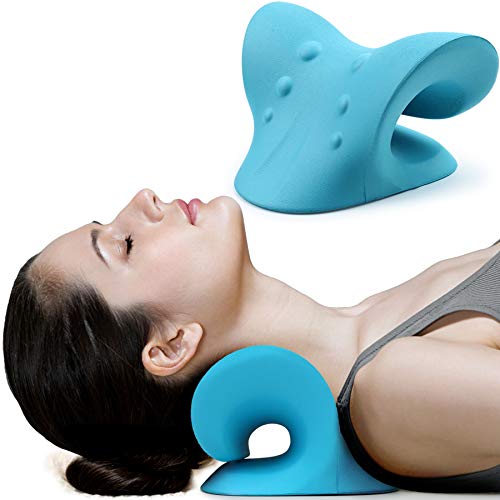
- ✓ Ergonomic, natural support
- ✓ Easy to use, portable
- ✓ Quick relief in 10 mins
- ✕ Not for overnight use
- ✕ Slight discomfort initially
| Material | Dense foam for sturdy, lightweight, and comfortable support |
| Design | Ergonomic with cervical spine matching curvature |
| Support Features | Vertical, horizontal support and curvature stretch for neck traction |
| Usage Surface Compatibility | Hard surfaces such as floors, outdoor ground, yoga mats |
| Adjustability | Requires 1-3 days for user adaptation |
| Intended Use | Neck and shoulder relief, cervical spine alignment, not for overnight use |
Many people think neck and shoulder relaxers are just fancy pillows that you can leave in place all night. I quickly learned that’s not the case with this RESTCLOUD device.
When I first tried it, I was surprised how firm yet supportive it felt beneath my neck—almost like a gentle, natural stretch that you actually look forward to.
The ergonomic curve matches my cervical spine perfectly, which makes lying down feel surprisingly comfortable after just a few minutes. I noticed that it helps to reduce pressure along my spine and neck, especially after hours of sitting at my desk with poor posture.
Using it was simple—just lie back on a flat surface, and the support takes over. The foam feels dense but lightweight, so I could easily move it around or take it outdoors.
I found I only needed about 10 minutes per session to feel relief, and over a few days, my stiff neck started loosening up.
Initially, I experienced a bit of mild discomfort, which is normal as your neck adjusts. The key is to listen to your body—if you feel pain or dizziness, you should stop.
After a couple of days, I got used to the feeling and truly appreciated the way it helped restore my natural neck curve.
This isn’t a pillow to sleep on overnight, but for short daily stretches, it works wonders. It’s simple, affordable, and tailored for anyone with neck tension or spinal misalignment—no fancy gadgets needed.
RESTCLOUD Neck & Shoulder Relaxer & Traction Device

- ✓ Easy to use
- ✓ Portable design
- ✓ Quick relief
- ✕ Slight initial discomfort
- ✕ Not for overnight use
| Material | Ergonomic, supportive foam or similar cushioning material |
| Design | Curved to match cervical spine with vertical and horizontal support |
| Usage Duration | 10 to 30 minutes per session, not recommended for overnight use |
| Support Features | Provides cervical traction and curvature stretch to reduce spinal pressure |
| Portability | Lightweight and suitable for use on hard surfaces like floors and yoga mats |
| Maximum Recommended Use | 30 minutes daily to prevent aggravation of cervical conditions |
I finally got my hands on the RESTCLOUD Neck & Shoulder Relaxer after hearing so many good things about it, especially for those long work-from-home days. I was curious whether it could really make a difference in just 10 minutes, and I have to admit, it did not disappoint.
The first thing I noticed is how ergonomic the design is. It curves perfectly to match my neck’s natural shape, which made lying on it surprisingly comfortable.
The support felt firm but gentle, giving me that satisfying stretch without any pinching or discomfort.
Using it is straightforward—just lie down on a flat surface like my yoga mat, relax, and let the device do its thing. I felt the vertical and horizontal support really working to ease tension in my neck and shoulders.
After about 10 minutes, I noticed a significant reduction in stiffness and even a decrease in my usual headache.
What I appreciate most is how portable it is. I can easily pack it in my bag for use outdoors or keep it nearby at home.
It’s simple, effective, and feels like a gentle, targeted massage for my neck area.
However, I did feel a slight discomfort at first, which quickly subsided. It’s important not to overdo it—sticking to the recommended 10-minute sessions keeps everything safe and effective.
Just a heads-up: if you have existing neck issues, consulting a healthcare professional before use is wise.
Overall, this device is a game-changer for quick relief and restoring proper neck curvature. It’s a no-fuss solution that fits seamlessly into a busy day, helping you feel more relaxed and less stiff.
WALUE Posture & Shoulder Exerciser Stretch Strap

- ✓ Durable non-elastic material
- ✓ Adjustable for all sizes
- ✓ Portable and lightweight
- ✕ Limited to stretching exercises
- ✕ May require guidance for best use
| Material | Durable non-elastic nylon or polyester |
| Adjustability | Fully adjustable length to fit all body sizes |
| Length | Approximately 6 to 8 feet (based on typical yoga strap sizes) |
| Width | Approximately 1.5 to 2 inches |
| Weight | Lightweight, estimated around 0.2 to 0.5 pounds |
| Additional Features | Built-in ruler for progress tracking, non-slip grip handles |
Ever find yourself stuck in a tense, hunched position after hours at your desk? I know the feeling—shoulders tight, neck stiff, and that annoying ache that just won’t go away.
That’s where the WALUE Posture & Shoulder Exerciser Stretch Strap stepped in for me. It’s surprisingly simple but highly effective for easing those nagging pains.
The strap itself is sturdy with a non-elastic, firm material that feels durable in your hands. I appreciated how lightweight and portable it is—perfect to toss into your bag for quick stretches at work or on the go.
Using it, I was able to deepen my shoulder and neck stretches without feeling like I was going to snap the strap, thanks to its adjustable length and built-in ruler for tracking progress.
What really stood out is the variety of exercises demonstrated through tutorials—these made it easy to target specific problem areas. Whether you’re recovering from an injury or just want to improve flexibility, this strap offers gentle, controlled movements that don’t strain.
I especially liked how it helped me improve my range of motion gradually, making my yoga and rehab routines more effective.
Plus, it’s versatile enough for dancers, athletes, or anyone needing a good stretch. The strap’s design ensures stability, avoiding any bouncy elastic feel that can be frustrating.
Overall, it’s a simple tool that makes a noticeable difference in relieving neck and shoulder tension, all at a budget-friendly price.
Neck Stretcher for Pain Relief and Muscle Relaxation

- ✓ Easy to use and portable
- ✓ Supports proper neck alignment
- ✓ Reduces neck and shoulder pain
- ✕ Not suitable for overnight use
- ✕ May cause initial discomfort
| Material | High-density elastic self-skinning foam |
| Design | Ergonomic C-curve shape for cervical support |
| Support Points | 6 targeted pressure-relief points |
| Dimensions | Suitable for use on various surfaces including hard floors, sofas, beds, and yoga mats |
| Intended Use Duration | Initial use recommended for 5 minutes, up to 10 minutes for pain relief |
| Maximum Support Load | Supports the weight of the head and neck during traction |
The moment I laid my head back on this neck stretcher, I immediately felt a gentle, supportive curve cradling my neck. It’s surprisingly sturdy but lightweight, and I could tell right away that it was designed with ergonomic precision.
I decided to test it after a long day at my desk, when my neck and shoulders were stiff and aching.
As I settled into it, I noticed how the six targeted points gently pressed into key areas, helping to relax tight muscles. The firm foam felt just supportive enough without being uncomfortable, and I appreciated how stable it stayed on my hard floor.
It’s clear this isn’t just a pillow—it’s a dedicated cervical traction device meant for controlled stretching.
Using it for just ten minutes, I felt a noticeable reduction in neck tension. I liked that I could use it on different surfaces, from yoga mats to soft beds, making it versatile for home or travel.
During my session, I experienced a gentle stretch that helped decompress my spine, easing that persistent stiffness I often feel after hours at a computer.
Initially, I felt some mild discomfort, but that quickly faded as I adjusted the time. It’s a simple, effective tool that’s easy to incorporate into daily routines.
Honestly, it’s made a real difference in my neck comfort, especially during busy workdays or after long drives.
What Are the Benefits of Practicing Yoga for Neck and Shoulder Relief?
- Improved Flexibility: Yoga enhances the flexibility of the neck and shoulder muscles, reducing stiffness and allowing for greater range of motion.
- Stress Relief: Yoga incorporates breathing techniques and mindfulness, which can help alleviate stress and tension that often contribute to neck and shoulder pain.
- Strengthening Muscles: Specific yoga poses target the muscles around the neck and shoulders, promoting strength and stability, which can prevent future discomfort.
- Posture Correction: Regular yoga practice encourages better posture, helping to realign the spine and reduce strain on the neck and shoulders caused by slouching.
- Pain Management: Many yoga poses are designed to stretch and relieve tension in the neck and shoulders, providing therapeutic benefits for chronic pain sufferers.
Improved flexibility allows the muscles around the neck and shoulders to become more pliable, which is essential for preventing injuries and enhancing daily activities. This increased flexibility can lead to a noticeable reduction in discomfort and restriction when moving these areas.
Stress relief is a crucial component of yoga, as it teaches practitioners to focus on their breath and cultivate mindfulness, thereby releasing built-up tension. This mental aspect can be particularly beneficial for those whose neck and shoulder issues stem from stress-related tightness.
Strengthening muscles through targeted yoga poses can lead to a more balanced musculature, which supports the neck and shoulders and helps maintain proper mechanics during movement. Stronger muscles can absorb stress better and help prevent overuse injuries.
Posture correction is often achieved through consistent yoga practice, which emphasizes alignment and body awareness. Improved posture reduces the strain on the neck and shoulders and can lead to a significant decrease in discomfort related to poor ergonomic habits.
Pain management is a significant advantage of practicing specific yoga poses, as they often involve gentle stretches that can alleviate tension. By incorporating these poses into a routine, individuals may find relief from chronic pain and improved functionality in their daily lives.
What Are the Most Effective Yoga Poses for Neck and Shoulder Pain?
Eagle Arms involves wrapping the arms around each other, which creates a deep stretch in the shoulders and upper back. This pose enhances mobility and can help alleviate discomfort associated with poor posture.
Neck Rolls are a simple but effective way to reduce tightness in the neck area, promoting better blood circulation. This technique can be easily incorporated into daily routines to relieve stress and tension in the neck.
How Does the Standing Forward Bend Pose Help Alleviate Tension?
The Standing Forward Bend Pose is a beneficial yoga posture that can alleviate tension in the neck and shoulders.
- Stretches the Spine: This pose helps elongate the spine, which can relieve compression in the neck and upper back. As you fold forward, the gentle stretch encourages relaxation of the muscles along the spine, promoting better posture.
- Releases Neck Tension: By allowing the head to hang heavy, the Standing Forward Bend can help release tightness in the neck muscles. This release is crucial for those who spend long hours in front of screens or in positions that lead to stiffness.
- Increases Blood Flow: The inversion aspect of the pose increases blood circulation to the head and neck area. Enhanced blood flow can alleviate headaches and promote a sense of calm, which is beneficial for overall neck and shoulder tension relief.
- Promotes Relaxation: The forward fold encourages a sense of surrender, helping to calm the nervous system. This relaxation response can significantly reduce tension in the shoulders, allowing them to drop away from the ears.
- Encourages Mindfulness: Practicing this pose encourages mindfulness and body awareness, which can help individuals identify areas of stress and tension. By focusing on the breath and the sensations in the body, practitioners can learn to release tension more effectively.
What Role Does Cat-Cow Pose Play in Neck and Shoulder Relaxation?
The Cat-Cow pose is a beneficial yoga practice that helps in relieving tension in the neck and shoulders.
- Spinal Flexion and Extension: The Cat-Cow pose involves alternating between spinal flexion and extension, which helps to mobilize the spine and improve overall flexibility. This movement can alleviate stiffness in the neck and shoulders by promoting blood flow and reducing muscle tension.
- Alignment and Posture Improvement: Practicing the Cat-Cow encourages awareness of body alignment, which is crucial for maintaining good posture. Improved posture can lead to a reduction in neck and shoulder strain, as it promotes proper distribution of body weight and decreases the likelihood of muscle overuse.
- Breath Synchronization: This pose emphasizes the connection between breath and movement, which can enhance relaxation. Deep, mindful breathing during the Cat-Cow pose helps to calm the nervous system, allowing for greater release of tension in the upper body.
- Muscle Activation: The movements in the Cat-Cow pose activate multiple muscle groups, including those in the back, neck, and shoulders. Strengthening these areas can lead to improved stability and support, reducing the risk of strain and discomfort in the neck and shoulders over time.
Which Stretching Techniques Are Beneficial for Shoulder Mobility?
Cow Face Pose: Sit with one knee stacked over the other and reach one arm up and over your shoulder while the other arm reaches behind your back to grasp your fingers. This pose deeply opens the shoulders and chest, making it ideal for those looking to increase their shoulder mobility and alleviate tightness.
What Precautions Should You Take When Practicing Yoga for Neck and Shoulders?
When practicing yoga for neck and shoulders, it is essential to take several precautions to avoid injuries and maximize benefits.
- Warm-Up: Always begin your yoga session with a proper warm-up to prepare your muscles and joints.
- Listen to Your Body: Pay attention to any discomfort or pain during poses and adjust accordingly.
- Use Props: Incorporate yoga props such as blocks, straps, or cushions to support your body and ensure proper alignment.
- Avoid Overexertion: Practice within your limits and avoid pushing yourself into deep stretches or advanced poses.
- Focus on Alignment: Maintain proper alignment in poses to prevent strain on your neck and shoulders.
- Consult a Professional: If you have existing neck or shoulder issues, consult a yoga instructor or physical therapist for personalized guidance.
Warm-ups are crucial as they gradually increase blood flow to the muscles and enhance flexibility, reducing the risk of injury. Simple neck rolls or shoulder shrugs can effectively loosen tight areas before moving into more challenging poses.
Listening to your body means recognizing when to ease off or modify a pose if you feel any strain. This self-awareness prevents exacerbating any existing issues and ensures a more enjoyable practice.
Using props allows you to achieve the correct posture without overstretching. For instance, a block can help support your hand in a forward bend, reducing the strain on your neck and shoulders.
Avoiding overexertion is vital; pushing too hard can lead to injury. Focus on gradual progress, and be patient with yourself, especially if you’re new to yoga or returning after a break.
Proper alignment is essential for preventing strain; for example, keeping your shoulders relaxed and away from your ears during poses can alleviate unnecessary tension. It’s beneficial to take time to adjust your body in each pose.
Consulting a professional can provide you with tailored advice and modifications suited to your specific needs, particularly if you have chronic issues. An experienced instructor can help you identify safe practices and effective techniques for your body type.
What Common Mistakes Should Be Avoided When Doing Yoga for Neck and Shoulder Pain?
When practicing yoga for neck and shoulder pain, it’s important to avoid common mistakes that can exacerbate discomfort or lead to injury.
- Overstretching: Many individuals may push themselves too far in an attempt to achieve a deeper stretch, which can strain the muscles and ligaments. This is particularly risky for the delicate structures in the neck and shoulders, where overstretching can lead to spasms or long-term damage.
- Ignoring Pain Signals: It’s crucial to listen to your body; if you feel sharp pain during a pose, stop immediately. Continuing to practice through pain can worsen existing issues and hinder recovery, making it vital to differentiate between discomfort and pain.
- Neglecting Proper Alignment: Without proper alignment, yoga poses can become ineffective and even harmful. Focusing on alignment ensures that the body is supported correctly, reducing the risk of injury and enhancing the benefits of the practice.
- Skipping Warm-up: Jumping straight into more intense poses without warming up can lead to strains and injuries. A proper warm-up prepares the muscles for movement and increases blood flow, making it essential for a safe practice, especially for sensitive areas like the neck and shoulders.
- Using Incorrect Modifications: Not all poses are suitable for everyone, and failing to modify poses for your individual needs can lead to discomfort. Utilizing props or adjusting poses ensures that you can practice safely and effectively, catering to your body’s unique capabilities and limitations.
- Inconsistent Practice: Practicing yoga sporadically can hinder progress and leave the muscles unconditioned. Consistency is key to building strength and flexibility in the neck and shoulders, allowing for long-term relief from pain.
- Rushing Through Poses: Moving too quickly from one pose to another can lead to poor form and increase the risk of injury. Taking time to transition mindfully between poses allows for better focus on alignment and breath, which are essential for effective practice.
How Can You Incorporate Yoga into Your Daily Routine for Better Neck and Shoulder Health?
Incorporating yoga into your daily routine can significantly enhance neck and shoulder health through targeted poses and practices.
- Cat-Cow Stretch: This dynamic movement helps to mobilize the spine while relieving tension in the neck and shoulders.
- Child’s Pose: A restorative pose that gently stretches the back and shoulders, promoting relaxation and reducing stress in the upper body.
- Thread the Needle Pose: This stretch targets the shoulders and upper back, enhancing flexibility and releasing tightness.
- Neck Rolls: Simple yet effective, neck rolls help to increase mobility and alleviate stiffness in the neck area.
- Eagle Arms: This pose stretches the shoulders and upper back, improving posture and reducing tension from prolonged sitting.
The Cat-Cow Stretch alternates between arching and rounding the back, which not only enhances spinal flexibility but also encourages blood flow to the neck and shoulders, making it an excellent warm-up for these areas.
Child’s Pose allows the body to relax and decompress, especially for the upper back and shoulders, making it perfect for a mid-day break or a gentle evening routine to calm the mind and body.
Thread the Needle Pose involves reaching one arm under the opposite shoulder, which opens up the chest and stretches the shoulder blades, effectively targeting tightness that often accumulates from poor posture.
Neck Rolls are an easy way to incorporate movement into your day; by gently rolling the head in circular motions, you can release built-up tension and improve circulation in the neck region.
Eagle Arms not only stretch the shoulders but also engage the upper back, helping to counteract the effects of slouching while promoting awareness of posture throughout the day.
Related Post: