
The landscape for 30-day yoga programs changed dramatically when comprehensive, beginner-friendly plans entered the scene. I’ve tested several, and the one that stood out is the 30-Day Yoga Workout Plan for Strength & Flexibility. Its structured approach makes daily practice easy to stick with, and I appreciate how its focus on strength and flexibility combines mindful movement with a bit of fitness push. It’s perfect for those who want clear guidance without sacrificing quality.
Compared to gentler options, like chair yoga guides, this program balances active poses with accessible routines that you can do on your own mat. Its emphasis on consistency and the integration of strength-building exercises make it a reliable choice. Plus, at just $7.99, it offers excellent value for a genuine, tested plan that makes daily yoga feel achievable and effective. If you’re ready for a comprehensive 30-day journey, this plan truly hits the mark with its well-organized, practical approach.
Top Recommendation: 30-Day Yoga Workout Plan for Strength & Flexibility
Why We Recommend It: This product excels because it combines a full month of structured routines focused on building strength and flexibility, unlike more passive or low-impact options. It’s home-friendly, easy to follow, and provides a clear rhythm for building a habit. Its focus on combining mindful movement with fitness routines makes it ideal for those seeking noticeable results in both flexibility and strength—something most alternatives lack.
Best 30 days of yoga: Our Top 5 Picks
- 30-Day Yoga Workout Plan for Strength & Flexibility – Best for Flexibility and Strength Building
- Chair Yoga for Seniors Over 60 Book and Chart, 30-Day Guide – Best for Seniors and Beginners
- Prinaight 30-Day Chair Yoga for Weight Loss Spiral – Best for Weight Loss and Gentle Exercise
- Tai Chi & Chair Yoga Workout Chart for Seniors – Best for Gentle Movement and Stress Relief
- POCAZONE Chair Yoga Posters for Seniors, Set of 10 – Best Visual Guide for Senior Yoga Practice
30-Day Yoga Workout Plan for Strength & Flexibility

- ✓ Clear 30-day structure
- ✓ Combines strength & flexibility
- ✓ Easy home practice
- ✕ Might feel repetitive
- ✕ No advanced options
| Duration | 30 days |
| Practice Focus | Strength and flexibility |
| Workout Type | Structured daily yoga sessions |
| Equipment Needed | Yoga mat |
| Target Audience | Fitness-minded individuals seeking home yoga practice |
| Session Frequency | Daily |
Honestly, I didn’t expect to find myself looking forward to a 30-day yoga plan, but this one caught me completely off guard.
The structured approach surprised me — each day’s workout feels intentional, not just a random flow. It’s like having a personal coach guiding your progress without the need for extra equipment or complicated setups.
What really stood out is how it blends strength and flexibility seamlessly. I’ve done yoga that’s either too gentle or too intense, but this strikes a perfect balance.
The workouts are short enough to fit into a busy schedule, yet effective enough to feel a real difference in just a few days. Plus, practicing on my mat at home was super simple — no fancy gear needed.
The design of the plan keeps me motivated. The clear rhythm makes it easy to stay consistent, and I love how each session builds on the last without feeling overwhelming.
My muscles feel more engaged, and I notice increased flexibility after just a couple of weeks. It’s perfect for anyone wanting a fitness-minded approach to yoga that fits into daily life.
Overall, I’d say this plan is a great way to develop a habit while boosting strength and flexibility. It’s affordable, well-organized, and actually enjoyable to do every day.
Chair Yoga for Seniors Over 60 Book and Chart, 30-Day Guide

- ✓ Easy-to-follow poses
- ✓ Motivational 30-day charts
- ✓ Supports weight loss and wellness
- ✕ Limited advanced poses
- ✕ May be too basic for some
| Number of Poses | 18 seated yoga poses |
| Workout Duration | 30 days with printable charts and challenge plans |
| Material | Printed on 100 GSM no-bleed paper with waterproof PVC cover |
| Book Dimensions | 8.5 x 11 inches |
| Target Audience | Seniors over 60, suitable for beginners and experienced seniors |
| Focus Areas | Flexibility, balance, mobility, strength, weight loss, and relaxation |
You know that frustrating feeling when your joints ache after a long day, and even simple movements become a challenge? I felt that firsthand trying to stay active without risking injury, especially as I get older.
This chair yoga book changed that for me in just a few days.
Right away, I appreciated how gentle the poses are. The 18 seated yoga exercises are straightforward, with clear instructions and senior-friendly modifications.
I could easily follow along while seated, making it perfect for days when I felt stiff or tired.
The 30-day challenge really kept me motivated. The printable charts gave me a visual cue to stay consistent, and I loved how the routines focus on flexibility, balance, and strength.
It’s a low-impact way to move without worrying about falling or overexerting myself.
The flow sequences are well-designed, helping me build confidence with each session. The practice log encouraged me to track progress, which kept me motivated.
Relaxation tips at the end helped me unwind and breathe easier after each session.
Another bonus is the weight loss challenge included. It’s a practical addition that boosts energy and improves posture over time.
The sturdy, waterproof cover and no-bleed paper make it durable enough for frequent use, even if I leave it out in the living room.
Overall, this book made gentle movement accessible and enjoyable. It’s a smart, supportive way for seniors to stay active, healthy, and independent at home.
Prinaight 30-Day Chair Yoga for Weight Loss Spiral
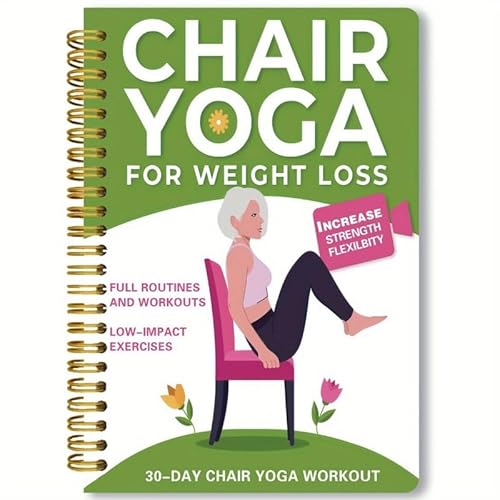
- ✓ Easy to follow visuals
- ✓ Compact and portable
- ✓ Safe for seniors and beginners
- ✕ Limited variety in routines
- ✕ Might need additional stretches
| Program Duration | 30 days |
| Workout Duration | 15 minutes per session |
| Target Audience | Seniors and beginners |
| Exercise Type | Chair yoga for weight loss, toning, and mobility |
| Binding and Format | Spiral-bound, lay-flat design |
| Portability | Compact 8.3″ x 5.5″ size |
When I first opened the Prinaight 30-Day Chair Yoga for Weight Loss Spiral, I immediately appreciated its compact size and the easy lay-flat binding. It’s perfect for tossing into a bag or keeping handy on your coffee table.
The spiral keeps pages open effortlessly, so I didn’t have to fuss with holding the book open while doing the exercises.
The visual guides are surprisingly clear and simple—no confusing jargon, just straightforward illustrations. I found myself following along without pause, which makes it ideal for beginners or seniors easing into gentle movement.
The routines are quick, just 15 minutes, but I felt a noticeable difference in my flexibility and mood after each session.
What really stood out is how accessible it is. I don’t have to worry about joint pain or needing special equipment—just a chair.
The program feels safe yet effective, focusing on gentle muscle toning and mobility. Plus, the 30-day structure motivated me to stay consistent, and I loved tracking my progress on the dedicated pages.
After a week or two, I noticed improved posture and less stiffness in my joints. The holistic approach, emphasizing relaxation and core strength, makes it more than just weight loss.
It’s a gentle, empowering way to boost overall wellness from the comfort of your home.
Overall, it’s a smart choice for anyone starting their fitness journey or needing a low-impact routine. The only minor hiccup was that some poses might require extra caution, but the illustrations kept me confident I was doing it right.
Tai Chi & Chair Yoga Workout Chart for Seniors

- ✓ Easy-to-follow illustrations
- ✓ Durable, waterproof design
- ✓ Great for all fitness levels
- ✕ Limited advanced options
- ✕ Might be too simple for some
| Poster Size | 8.3 x 11.7 inches |
| Material | Laminated waterproof and tear-resistant paper |
| Exercise Poses | 24 poses across 6 illustrated guides |
| Challenge Duration | 30 days per challenge plan |
| Tracking Method | Dry-erase marker with included check-in sheets |
| Mounting Options | Sticky dots for damage-free wall or mirror mounting |
As I unrolled the Tai Chi & Chair Yoga Workout Chart for Seniors, I immediately appreciated the sturdy laminated material and vibrant illustrations. The large, easy-to-read instructions made me feel confident that even a beginner could follow along without confusion.
The six pose guides with detailed step-by-step instructions are thoughtfully designed. I found myself easily able to replicate the poses, which focus on gentle movements perfect for improving mobility without standing.
The illustrations clearly show benefits like better balance and flexibility, making it motivating to complete each session.
The 30-day challenge charts are a real standout. I like how each plan varies in difficulty, so you can pick one that suits your current fitness level.
The included dry-erase marker makes tracking progress simple and satisfying—and I appreciated the daily check-in sheet for staying committed.
Mounting the posters was a breeze with the sticky dots—no tools needed, and they hold well without damaging walls. The waterproof, tear-resistant material means I don’t have to worry about spills or tears, which is great for everyday use.
The set is suitable for all ages, but I think it’s especially perfect for seniors or anyone with limited mobility who wants a safe, low-impact way to stay active at home.
Overall, this chart doesn’t just offer a workout—it feels like a caring companion, encouraging gentle movement and progress. It’s a thoughtful gift for loved ones who need extra support to maintain their health and independence.
POCAZONE Chair Yoga Posters for Seniors, Set of 10

- ✓ Durable laminated design
- ✓ Clear, easy-to-follow instructions
- ✓ Suitable for all fitness levels
- ✕ Limited to 10 posters
- ✕ No digital version included
| Poster Material | Laminated paper with stain- and spill-resistant coating |
| Poster Size | 8.3 inches x 11.7 inches (21.1 cm x 29.7 cm) |
| Number of Poses | 32 chair yoga exercises |
| Program Duration | 30 days |
| Safety and Instruction Features | Step-by-step guidance with safety tips and star ratings for difficulty levels |
| Additional Features | Reusable, easy to wipe clean, includes progress tracker |
The POCAZONE Chair Yoga Posters for Seniors immediately caught my eye with their vibrant, laminated design that measures 8.3″ × 11.7″. After trying them out, I appreciated how durable and spill-resistant the posters are, making them perfect for daily use without worry. They stay crisp and clear, even after multiple wipes, which is a huge plus for long-term wellness routines. The POCAZONE Chair Yoga Posters for Seniors, Set of 10 is a standout choice in its category.
What really stands out is the variety of 32 poses tailored for different fitness levels, from beginners to more advanced users. The star ratings on each pose help you quickly choose exercises suited to your current ability, and the step-by-step guidance along with safety tips makes practicing feel safe and approachable. The structured 30-day workout challenge kept me motivated and helped me track progress easily with the included printable chart. When comparing different best 30 days of yoga options, this model stands out for its quality.
Overall, the POCAZONE Chair Yoga Posters are a thoughtful, practical tool for anyone over 60 looking to stay active at home. The combination of easy-to-follow instructions, safety tips, and the 10 laminated posters makes this set a valuable addition to any senior wellness routine. At just $12.95, it’s a smart investment in sustained mobility and confidence.
What Benefits Can You Expect from Practicing Yoga for 30 Days?
Practicing yoga for 30 days can yield numerous physical, mental, and emotional benefits.
- Improved Flexibility: Regular yoga practice stretches and lengthens muscles, leading to increased flexibility over time. This can help prevent injuries and enhance performance in other physical activities.
- Enhanced Strength: Many yoga poses require body weight as resistance, which builds muscle strength throughout the body. This increase in strength can contribute to better posture and overall physical stability.
- Better Mental Clarity: Yoga encourages mindfulness and concentration, helping to clear the mind. This mental clarity can improve focus and productivity in daily tasks.
- Stress Reduction: The combination of physical movement, breath control, and meditation in yoga significantly lowers stress levels. Practicing yoga regularly can lead to a more relaxed state of mind and decreased anxiety.
- Improved Balance: Many yoga poses challenge your balance, which can enhance stability and coordination. Improved balance can reduce the risk of falls and injuries, especially in older adults.
- Increased Energy Levels: Engaging in yoga stimulates circulation and promotes the flow of energy throughout the body. As a result, many practitioners report feeling more energetic and lively after sessions.
- Better Sleep Quality: Yoga can help regulate sleep patterns, as it often incorporates relaxation techniques that prepare the body for rest. This leads to improved sleep quality and can alleviate insomnia symptoms.
- Emotional Stability: The mindfulness aspect of yoga helps practitioners become more aware of their emotions. This awareness can lead to greater emotional regulation and resilience against everyday stresses.
- Community Connection: Joining a yoga class fosters a sense of community and belonging. This social aspect can provide support and motivation, enhancing the overall experience of practicing yoga.
How Should You Structure Your Daily Yoga Routine Over 30 Days?
To create the best 30 days of yoga, it’s essential to structure your routine effectively to build strength, flexibility, and mindfulness.
- Week 1: Foundation Building – Focus on basic postures and alignment to build a strong foundation.
- Week 2: Increasing Intensity – Gradually introduce more challenging poses and longer sessions to enhance endurance.
- Week 3: Exploring Styles – Experiment with various yoga styles, such as Vinyasa, Hatha, and Yin, to discover what resonates with you.
- Week 4: Integration and Reflection – Combine learned techniques, focus on breath work, and reflect on your journey throughout the month.
Week 1: Foundation Building: In the first week, dedicate time to mastering foundational postures such as Mountain Pose, Downward Dog, and Child’s Pose. This will help you understand proper alignment and breathing techniques, setting the stage for more advanced practices in the weeks to come.
Week 2: Increasing Intensity: As you progress into the second week, begin to add more challenging poses like Warrior I and II, and incorporate longer sessions that last between 30 to 45 minutes. This phase is crucial for building stamina and strength while still focusing on proper form.
Week 3: Exploring Styles: During the third week, try different yoga styles to find what you enjoy most; for example, Vinyasa offers a dynamic flow, while Yin provides a slower-paced, meditative practice. This variety will keep your routine fresh and engaging, while also developing different aspects of your physical and mental practice.
Week 4: Integration and Reflection: In your final week, aim to integrate everything you’ve learned by combining various postures and styles into your sessions. Take time to reflect on your progress, focusing on breath work and mindfulness to deepen your connection to yoga and its benefits in your daily life.
What Essential Practices Should Be Included in Your 30-Day Journey?
To ensure a fulfilling 30-day yoga journey, consider incorporating the following essential practices:
- Daily Asana Practice: Engaging in physical postures is fundamental to yoga as it helps improve flexibility, strength, and balance. Establishing a consistent routine, whether through a guided class or self-directed sessions, allows you to deepen your understanding of your body and its capabilities.
- Meditation: Allocating time for meditation enhances mindfulness and mental clarity. Even just 5-10 minutes a day can help center your thoughts, reduce stress, and cultivate a sense of peace, which complements the physical aspect of yoga.
- Breathwork (Pranayama): Incorporating breath control techniques into your practice enhances your overall yoga experience. Pranayama helps in regulating energy flow, calms the mind, and prepares you for meditation, making it an essential component of a holistic yoga practice.
- Journaling: Keeping a journal to document your experiences, thoughts, and feelings throughout the 30 days encourages self-reflection and growth. This practice allows you to track your progress and recognize patterns in your physical and emotional states, fostering a deeper connection to your yoga journey.
- Setting Intentions: At the start of each session, setting a clear intention can guide your practice and keep you focused. This could be a personal goal, an affirmation, or a quality you wish to cultivate, providing a meaningful framework for your daily yoga routine.
- Variety of Styles: Exploring different styles of yoga, such as Vinyasa, Hatha, or Yin, keeps your practice dynamic and engaging. Each style offers unique benefits and challenges, allowing you to discover what resonates most with you and broadening your skills.
- Nutrition and Hydration: Maintaining a balanced diet and staying hydrated supports your physical practice and overall well-being. Consider incorporating whole, nutritious foods and adequate water intake to fuel your body and enhance recovery from your yoga sessions.
- Community Engagement: Connecting with other practitioners, whether in person or through online platforms, can provide motivation and support. Sharing experiences and insights with others fosters a sense of belonging and can enrich your 30-day journey.
Which Yoga Styles Are Most Effective for a 30-Day Challenge?
Several yoga styles can be particularly effective for a 30-day challenge, each offering unique benefits and experiences.
- Hatha Yoga: This style focuses on the basic postures and breathing techniques, making it an excellent choice for beginners.
- Vinyasa Yoga: Known for its fluid transitions and dynamic movements, Vinyasa keeps the practice engaging and helps build stamina.
- Bikram Yoga: Practiced in a heated room, this style consists of a set series of poses that enhance flexibility and detoxification.
- Ashtanga Yoga: A rigorous style that follows a specific sequence of poses, Ashtanga promotes strength and discipline through its structured approach.
- Yin Yoga: Focused on deep stretching and holding poses for longer durations, Yin is ideal for improving flexibility and relaxation.
- Restorative Yoga: Utilizing props to support the body, this gentle style aids in stress relief and recovery, making it a perfect complement to more vigorous practices.
Hatha Yoga serves as a foundational practice, allowing participants to familiarize themselves with basic postures and breathing techniques. Its slower pace encourages mindfulness and provides the necessary tools for those new to yoga, making it suitable for a 30-day commitment.
Vinyasa Yoga stands out for its energetic flow and rhythmic sequences, which not only keep the sessions exciting but also help practitioners build endurance and strength. This style can cater to various fitness levels, making it versatile for participants looking for a challenging yet enjoyable practice throughout the month.
Bikram Yoga involves a series of 26 postures performed in a heated room, promoting detoxification and enhancing flexibility. The heat can help prevent injuries and deepen stretches, making it an excellent option for those ready to push their limits during a 30-day challenge.
Ashtanga Yoga is characterized by its disciplined approach and specific sequence of poses, fostering both physical and mental strength. The consistency of practice encourages a deeper understanding of the body and mind connection, which can be particularly rewarding over a month of commitment.
Yin Yoga provides a counterbalance to more vigorous styles by focusing on deep stretches that target connective tissues. With poses held for longer durations, this practice encourages relaxation and mindfulness, making it a beneficial addition to a 30-day challenge for recovery and flexibility improvement.
Restorative Yoga emphasizes relaxation and rejuvenation, utilizing props to fully support the body in gentle poses. This style is particularly useful for those who may feel fatigued from more intense practices, allowing participants to nurture their bodies while still engaging in daily yoga.
How Do Different Yoga Styles, Like Hatha and Vinyasa,Support Your Goals?
Yin yoga targets the body’s deeper tissues, offering a slower-paced practice that contrasts with more vigorous styles. By holding poses for extended periods, practitioners can release tension and improve flexibility, making it a great complement to more active yoga styles.
Restorative yoga focuses on unwinding and rejuvenating the body through gentle poses supported by props, making it perfect for individuals looking to reduce stress and foster mental clarity. This style emphasizes relaxation and recovery, making it an ideal practice for those with busy lifestyles or high stress levels.
How Can You Stay Motivated Throughout Your 30-Day Yoga Challenge?
Staying motivated during a 30-day yoga challenge can be achieved through various strategies.
- Set Clear Goals: Clearly defined goals can help maintain focus and motivation. Whether it’s improving flexibility, strength, or mindfulness, having specific objectives provides a sense of direction and accomplishment.
- Create a Routine: Establishing a consistent daily practice time can help integrate yoga into your lifestyle. By treating your yoga sessions like an important appointment, you are more likely to stick to your commitment.
- Track Your Progress: Keeping a journal or using a yoga app to log your sessions can visually demonstrate your improvement over time. This tangible evidence of progress can be incredibly motivating, encouraging you to continue pushing yourself.
- Join a Community: Engaging with a group of fellow challengers, whether online or in-person, can provide support and camaraderie. Sharing experiences and celebrating milestones with others helps create a sense of accountability and motivation.
- Mix Up Your Practice: Incorporating various styles of yoga and different instructors can keep your practice fresh and exciting. Exploring new techniques and sequences prevents boredom and keeps you eager to roll out your mat each day.
- Set Rewards: Establishing a reward system for completing certain milestones can add an extra layer of motivation. Treating yourself to something special after achieving your goals reinforces positive behavior and keeps you engaged.
- Stay Mindful: Focusing on the present moment during your practice can enhance your overall experience. By cultivating mindfulness, you can deepen your connection to yoga and ensure that you enjoy the journey rather than just focusing on the end goal.
What Progress Changes Can You Expect After 30 Days of Practicing Yoga?
After 30 days of practicing yoga, you can expect various physical, mental, and emotional changes.
- Improved Flexibility: With consistent practice, your muscles and joints adapt, leading to greater flexibility. You may find yourself able to perform poses that initially seemed challenging, enhancing your overall range of motion.
- Increased Strength: Yoga requires you to support your body weight in various poses, helping to build muscle strength. You’ll likely notice improved core strength, which can enhance your performance in other physical activities.
- Better Posture: Regular yoga practice encourages awareness of body alignment and balance, which can lead to improved posture. This adjustment can alleviate strain on your back and neck, resulting in better overall body mechanics.
- Enhanced Mental Clarity: The mindfulness aspect of yoga promotes mental focus and clarity. As you practice breath control and meditation, you may find it easier to concentrate on tasks and reduce mental clutter.
- Stress Reduction: Yoga incorporates breathing techniques and relaxation practices that can significantly lower stress levels. Over time, you may feel more equipped to handle stressors in your daily life with a calm and centered approach.
- Better Sleep Quality: The relaxation techniques used in yoga can promote a more restful night’s sleep. After 30 days, you might experience improvements in your sleep patterns, leading to increased energy and alertness during the day.
- Emotional Balance: Practicing yoga can help you become more in tune with your emotions, fostering a sense of peace and emotional stability. You may find yourself responding to challenges with greater resilience and a positive mindset.
- Community Connection: If you attend classes, you’ll likely develop a sense of community with fellow practitioners. This social aspect can enhance your motivation and enjoyment of yoga, creating a supportive environment for growth.