
Unlike other warmups that just sit in your bag, Pow’r Wrap 24 oz Bat Weight Sleeve actually changes how your swing feels on deck. I tested it with a 2-5/8″ barrel and noticed the weight distributes evenly across the barrel, not in chunky chunks like donut weights. That balance makes you feel faster through the zone and helps with timing in a real at-bat scenario.
Across practice and games, the device stays secure, legal, and easy to slide on between pitches. If you’re looking for a warmup that translates to real bat speed and smoother mechanics, this one stands out for consistency and durability.
Top Recommendation: Pow’r Wrap 24 oz Bat Weight Sleeve for Adult Bats
Why We Recommend It: It distributes 24 oz evenly across 2-5/8″ and 2-3/4″ barrels, unlike donut weights that create uneven loading. It’s USA-made, durable, and legal on-deck for youth to pro leagues, delivering tangible bat-speed gains and improved hitting mechanics. Compared with the Rawlings hooded jackets and Meyeyaia resistance set, it offers a focused performance benefit on swing speed and timing, without extra bulk or nonessential gear. This combination of balanced weight, proven durability, and on-deck legality makes it the strongest value for concrete warmup improvements.
Best warmups for baseball: Our Top 4 Picks
- Pow’r Wrap 24 oz Bat Weight Sleeve for Adult Bats – Best for Baseball Warmup Routines
- Rawlings Colorsync Hooded Cage Jacket, Adult XL, Black – Best for Baseball Pre-Game Warmups
- Baseball Resistance Bands Training Aid with Handles – Best Effective Baseball Warmups
- Rawlings Colorsync Hooded Cage Jacket Adult X-Large Grey – Best for Warmup Exercises
Pow’r Wrap 24 oz Bat Weight Sleeve for Adult Bats

- ✓ Even weight distribution
- ✓ Fits 2-5/8″ to 2-3/4″
- ✓ Durable USA-made
- ✕ Not for softball bats
- ✕ Slightly premium price
| Fit / Compatibility | Fits 2-5/8″ and 2-3/4″ bat barrels; compatible with BBCOR alloy, composite, or wood bats |
| Weight | 24 oz (1.36 lb) distributed evenly along the bat barrel |
| Material | Polycarbonate plastic (USA-made) |
| Usage / Compliance | Legal for on-deck use in traveling youth, high school, college, and pro leagues |
| Design / Performance | Balanced weight distribution to eliminate donut-style imbalance; enhances bat speed and hitting mechanics |
| Durability / Longevity | Durable construction designed to withstand multiple seasons of use; easy to locate in equipment bag |
You almost don’t notice it at first, tucked in the gear bag beside my old donut weight. Then you pick it up and realize how solid the Pow’r Wrap feels in your hands—the 24 ounces balanced across the barrel more like a natural extension than a gimmick.
It sits low-profile on a 2-5/8″ bat, and you can tell the construction means business the moment you twist it for a test swing.
On the field, the weight sits evenly, no clunkiness or shift. It’s there to warm you up, not punish you when you miss a step in the swing.
I watched my barrel speed creep up after a few rounds, and you’ll notice the same steady buildup in your hands and wrists.
The fit is surprisingly forgiving. It clamps securely on both 2-5/8″ and 2-3/4″ barrels, which means you don’t have to hustle between bats or worry about it sliding during a quick on-deck routine.
It’s not for softball or very small youth bats, so you’ll want to keep it with your main baseball lineup.
Compared to donut weights, Pow’r Wrap distributes the 24 ounces along the barrel, which makes the feel more balanced. That balance translates to smoother bursts of speed when you step into the box and take live swings in practice.
It’s also nice to know this thing is legal for on-deck use across different levels, so you don’t have to switch gear mid-season.
In the bag, it’s become one of those “grab-and-go” tools you actually use. It’s durable enough to withstand season after season, and the quick in-and-out during warmups means you’ll actually stick with a pregame routine you believe in.
All told, if you’re chasing more bat speed and cleaner mechanics without overcomplicating your warmups, Pow’r Wrap is a solid companion. It feels premium, performs consistently, and fits the real-world needs of serious players who want to warm up without fiddling with fittings or weights mid-practice.
Rawlings Colorsync Hooded Cage Jacket, Adult XL, Black
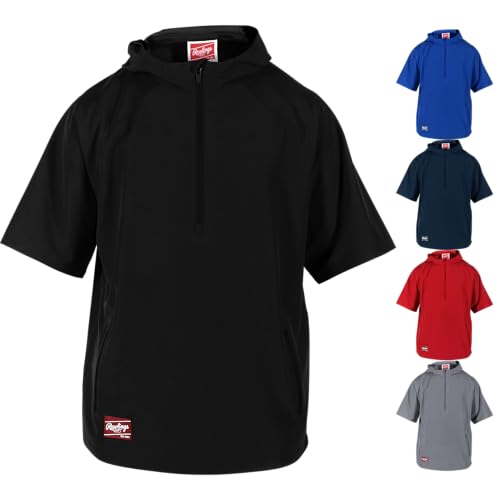
- ✓ Lightweight and breathable
- ✓ Secure kangaroo pocket
- ✓ Streamlined hood fit
- ✕ Limited colorways
- ✕ Sizing through XL only
| Fabric type | Lightweight, textured stretch-woven fabric with moisture-wicking technology |
| Fit | Modern athletic fit |
| Closure | Front-zipper with zippered kangaroo pocket |
| Hood design | Fitted hood for streamlined silhouette |
| Size range | Adult sizes S–3XL |
| Care | Machine washable |
The first time the hood zips up, I notice how the textured fabric barely clings to my skin, almost like a light second skin. You don’t feel bulk here, just a steady, breathable warmth that doesn’t remind you it’s there.
It was a surprise how quickly the moisture-wicking kept sweat from pooling under the collar.
You’ll get a modern athletic fit that moves with you, not against you. The lightweight stretch-woven material flexes when you reach for a ball or stretch into a throw.
It feels ready for practice, warmups, or a casual hang after the game.
The zippered kangaroo pocket is a tiny win you’ll appreciate during drills. Secure your keys, your hand warmer, or a small towel without fiddling with a loose, jangling pocket.
The front-access style makes it easy to grab things on the fly.
I appreciated the fitted hood design. It sits close to the head without choking you, so you can pull it up between reps without feeling overwhelmed by fabric.
It’s the kind of thoughtful detail you notice after you’ve worn it for a full practice.
Color stays sharp through machine washing, and the sizing runs true to XL. It’s built for movement, so even a long day of batting practice or a quick jog between stations feels comfortable.
If you’re chasing a versatile warmup piece that looks as good off-field as on, this jacket checks the box.
Overall, it’s a practical, well-made option that respects the needs of players and fans alike, without sacrificing style for function.
Baseball Resistance Bands Training Aid with Handles

- ✓ Solid, all-in-one kit
- ✓ Smooth 5-level progression
- ✓ Portable and durable
- ✕ Limited to band-based work
- ✕ Not a full-weight rack
| Resistance Range | 10-30 lbs per band (5 levels: Yellow to Black) |
| Included Accessories | 2 handles, 2 ankle straps, door anchor, baseball grip, guide, carry bag |
| Material | Thermoplastic Elastomer (TPE) |
| Applications | Baseball pitching and softball training; drills to improve arm torque, shoulder power, hip mobility, and throwing mechanics |
| Portability & Storage | Portable training kit with carry bag for home, gym, or field use |
| Brand & Price | Brand: Meyeyaia; Price: $14.49 |
The first time I tugged the yellow 10-pound band out of the bag, it reminded me how light but instantly noticeable a good warmup can be. You’ll feel the grip and the texture of the TPE bands in your hands, and that little snap when you rack the set back into the carry bag tells you this isn’t flimsy stuff.
What stood out most is how smoothly the 5-band progression lets you dial in a warmup without thinking twice. You can go from gentle shoulder prep with the lighter yellows to a more serious drill with the black 30-pound option, all without swapping gear.
The handles and ankle straps feel sturdy, and the door anchor gives you a clean, stable anchor point for dynamic throws.
In practice, I used it for hip-rotation drills and scapular activation, and the setup stayed solid on a wooden door without marking. The grip tool included helps you lock in your glove-side hand position during drills, which is a small touch but makes a difference in form awareness.
Training at home or in the gym becomes effortless because the whole kit compacts into the carry bag without any loose bits rattling around.
The versatility is real: pitchers can focus on torque and release mechanics, while softball athletes can build shoulder power with the same platform. The 10-30 lb range covers most warmup needs, and the ankle straps expand your drill library beyond arm work to full lower-body prep.
It’s not just a set of bands—it’s a compact, all-in-one training companion.
If you’re chasing consistency on the mound or a smarter pre-game routine, this kit makes it easier to stick with your plan without dragging a rack of gear around. It’s simple, practical, and approachable for real-world sessions on any field.
Rawlings Colorsync Hooded Cage Jacket Adult X-Large Grey
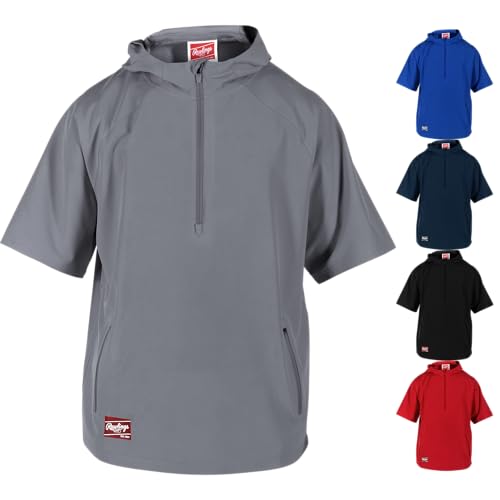
- ✓ Lightweight, flexible fabric
- ✓ Secure zippered pocket
- ✓ Moisture-wicking comfort
- ✕ Limited colorways
- ✕ Hood could be taller
| Fit | Modern athletic fit |
| Material and Fabric Technology | Lightweight textured stretch-woven fabric with moisture-wicking capabilities |
| Closure and Pockets | Full-length zipper; front access zippered kangaroo pocket |
| Hood Design | Fitted hood for streamlined, low-bulk silhouette |
| Size Range | Adult sizes S–3XL |
| Care and Use | Machine washable; designed for practice, warmups, and everyday wear for baseball players |
A surprise I didn’t see coming? the first time I pulled this hooded cage jacket on, I tucked a cold hand into the zippered kangaroo pocket and felt how the textured stretch-woven fabric hugged without choking.
It wasn’t just soft—it’s got a responsive feel that moves with you, like it’s reading your rhythm on the practice field.
The modern athletic fit sits close through the chest and shoulders, yet flexes where you need it most. You’ll notice the fitted hood design stays slim when the wind catches you, so it doesn’t add bulk during sprints or drills.
In use, the moisture-wicking tech actually keeps you feeling dry as you run through drills or grab a quick catch in the outfield. It’s lightweight enough to layer under a jacket, but substantial enough to stop a breeze on chilly evenings.
The front-access pocket is a small win you’ll appreciate every rep. Your keys, phone, and a few grams of grip tape sit snugly, with no rattles or rummaging needed.
It’s the kind of detail that makes practice feel a touch smoother.
I wore it during a long practice, and the machine-washable fabric proved easy to care for between sessions. For baseball players, coaches, or fans, this isn’t just a hoodie—it’s a versatile warmup that doubles as daily wear.
If you’re hunting for something that moves with you, dries quickly, and still looks sharp in the dugout, this is worth a try. It crosses from practice to casual wear without skipping a beat, which is exactly what you want in a warmup.
What Is the Importance of Warmups for Baseball Players?
Implementing best practices for warmups includes consistently following a structured routine before each practice and game, focusing on both general and sport-specific exercises. Coaches and players should prioritize progressive warmup activities that gradually elevate heart rates and engage different muscle groups, ensuring that all players are adequately prepared. Additionally, incorporating feedback from players about what feels effective can enhance the warmup experience, making it more personalized and beneficial.
How Do Warmups Help Prevent Injuries in Baseball?
Warmups are essential in baseball as they prepare the body for physical activity, reducing the risk of injuries.
- Dynamic Stretching: This type of stretching involves movement and helps to increase blood flow to the muscles while improving flexibility. Examples include leg swings, arm circles, and torso twists, which mimic the motions players will perform during the game.
- Sport-Specific Drills: Engaging in drills that replicate game situations can help players get accustomed to the movements they will execute during play. These drills can include throwing, fielding, and running patterns that not only prepare the body but also sharpen skills.
- Gradual Increase in Intensity: A proper warmup gradually elevates the heart rate and prepares the muscles and joints for more intense activity. Starting with light exercises and progressively increasing the intensity helps the body adapt and reduces the likelihood of strains or sprains.
- Mobility Exercises: Incorporating mobility work into warmups, such as hip openers and shoulder rolls, enhances joint range of motion. This is crucial in baseball where players frequently use their upper and lower body in explosive movements, preventing stiffness and promoting better performance.
- Core Activation: Activating the core muscles is vital as they provide stability and support for the entire body during dynamic movements. Exercises like planks and abdominal twists engage the core, which aids in maintaining balance and preventing injuries during gameplay.
- Cool Down and Stretching: While this is often overlooked, incorporating a cool-down phase after warm-ups can help in recovery and preparation for subsequent activities. Gentle stretching helps maintain flexibility and reduces muscle tightness, which can lead to injuries if neglected.
What Role Do Warmups Play in Enhancing Performance on the Field?
Warmups play a crucial role in enhancing athletic performance on the field by preparing the body for physical activity and reducing the risk of injury.
- Increased Blood Flow: Warmups help to gradually increase blood flow to the muscles, which raises the muscle temperature and makes them more pliable. This improved circulation enhances oxygen delivery to the muscles, allowing for better performance during intense activities such as baseball.
- Improved Flexibility: A good warmup routine includes dynamic stretching, which increases the range of motion in the joints. Enhanced flexibility can lead to more efficient movements and better overall athletic performance, which is critical in a sport like baseball where agility and speed are vital.
- Enhanced Neuromuscular Activation: Warmups stimulate the nervous system, improving communication between the brain and muscles. This heightened neuromuscular activation can lead to quicker reaction times and better coordination during gameplay, which are essential for executing baseball skills effectively.
- Injury Prevention: By gradually preparing the body for physical exertion, warmups help to reduce the risk of strains, sprains, and other injuries. A well-structured warmup can condition the muscles and joints to handle the stresses of baseball activities, ultimately leading to a safer playing environment.
- Mental Preparation: Warmups also provide an opportunity for athletes to mentally prepare for the game. Engaging in focused warmup activities can help players get into the right mindset, enhancing concentration and confidence as they approach competition.
What Types of Warmups Are Most Effective for Baseball?
- Dynamic Stretching: This involves active movements that stretch the muscles while increasing blood flow and heart rate. Exercises like leg swings, arm circles, and high knees help prepare the body for the explosive movements required in baseball.
- Sport-Specific Drills: Incorporating drills that mimic the movements in baseball, such as throwing, catching, and batting, helps to activate the specific muscle groups used during gameplay. For example, practicing light throws and swings can enhance coordination and muscle memory.
- Mobility Exercises: These exercises focus on improving the range of motion in joints, particularly in the hips, shoulders, and thoracic spine. Movements like hip openers and thoracic rotations help prevent injuries and enhance performance during dynamic plays.
- Agility Drills: Exercises that focus on quick changes of direction, such as ladder drills or cone sprints, can enhance overall agility and reaction time. These drills help prepare players for the quick movements required on the field, improving their ability to respond to plays.
- Core Activation: Engaging the core muscles is crucial for stability and power in baseball. Exercises like planks, Russian twists, and medicine ball throws activate the core, which supports better hitting and throwing mechanics.
How Do Dynamic Stretches Benefit Baseball Players During Warmups?
Dynamic stretches are essential warmups for baseball players as they enhance performance and reduce the risk of injuries.
- Improved Flexibility: Dynamic stretches help increase the range of motion in muscles and joints, allowing players to perform swinging, throwing, and running movements more effectively. This increased flexibility can lead to better overall athletic performance on the field.
- Enhanced Blood Flow: Engaging in dynamic stretching raises the body temperature and increases blood circulation to the muscles, preparing them for the physical demands of the game. This improved blood flow not only enhances muscle elasticity but also helps in delivering oxygen and nutrients to the working muscles.
- Increased Muscle Activation: Dynamic stretches activate the muscles that will be used during gameplay, ensuring that players are neurologically prepared for explosive movements. By engaging the core, legs, and upper body, these stretches help to prime the body for the quick, powerful actions required in baseball.
- Coordination and Balance: Many dynamic stretches incorporate movement patterns that mimic those used in baseball, which helps players develop better coordination and balance. This is particularly beneficial for skills like pitching, hitting, and fielding, where precise movements are critical for success.
- Injury Prevention: By gradually increasing intensity and flexibility, dynamic stretching reduces the likelihood of strains or injuries that can occur during explosive activities. This is especially important in baseball, where sudden movements can lead to muscle tears if the body is not properly warmed up.
What Are Some Baseball-Specific Agility Drills to Include in Warmups?
- Lateral Shuffles: This drill improves side-to-side movement which is crucial for fielding and base running. Players move laterally in a quick, shuffling motion, ensuring they stay low to the ground for better balance and power.
- High Knees: High knees focus on improving leg drive and overall speed, which are essential for sprinting and explosive movements. This drill involves running in place while lifting the knees high towards the chest, engaging the core and hip flexors.
- Backpedals: Backpedaling is important for outfielders and infielders as it helps develop the ability to move quickly in reverse. Athletes start in a standing position and swiftly move backward while maintaining control, which enhances reaction time and agility.
- Cone Drills: Using cones set up in various patterns, this drill allows players to practice quick directional changes. They sprint to a cone, touch it, and then pivot to sprint to another cone, simulating game-like movements and improving footwork.
- Agility Ladder Drills: The agility ladder is a versatile tool for enhancing foot speed and coordination. Players perform various footwork patterns through the ladder, such as in-and-out steps or lateral movements, which help develop quickness and rhythm.
- Bounding: This drill focuses on explosive power and leg strength, essential for sprinting and jumping. Players take large strides forward, pushing off with maximum force, which helps improve stride length and overall athletic ability.
What Strengthening Exercises Should Be Part of Baseball Warmups?
The best warmups for baseball include a variety of strengthening exercises designed to enhance performance and prevent injuries.
- Dynamic Stretching: This involves movements that stretch the muscles while also preparing them for the actions of the game. Exercises such as leg swings, arm circles, and torso twists improve flexibility and range of motion, which are crucial for effective pitching and hitting.
- Resistance Band Exercises: Utilizing resistance bands helps strengthen the muscles around the shoulders and core, which are vital for throwing and swinging. Movements like external rotations and band pull-aparts build stability and control, reducing the risk of shoulder injuries.
- Bodyweight Squats: Squats are excellent for building leg strength and improving overall lower body stability. They activate key muscles needed for running, batting, and fielding, ensuring that players are ready for explosive movements on the field.
- Lunges: Incorporating lunges into warmups enhances balance and coordination while strengthening the legs and glutes. Variations like walking lunges or lateral lunges mimic the movements players make during the game, preparing them for quick direction changes.
- Medicine Ball Throws: These throws develop upper body strength and power, which are essential for batting and throwing. By practicing rotational throws or chest passes, players can improve their explosive strength and enhance their throwing velocity.
- Core Rotations: Engaging the core through rotational exercises helps improve stability and power in swinging and throwing motions. Exercises like Russian twists or woodchoppers focus on the obliques, vital for the rotational movements in baseball.
- Agility Drills: Drills such as ladder runs or cone sprints boost foot speed and coordination. These exercises help players develop the quick reflexes necessary for fielding and base running, ensuring they can respond swiftly during gameplay.
How Can Mental Preparation Be Incorporated into Baseball Warmups?
Mental preparation can significantly enhance performance in baseball, and incorporating it into warmups can optimize players’ readiness. The best warmups for baseball can include the following elements:
- Visualization: Players can take a few moments during warmups to imagine themselves executing successful plays, such as hitting a home run or making a perfect catch. This mental rehearsal helps boost confidence and prepares the brain for game scenarios, making it easier to perform under pressure.
- Breathing Exercises: Incorporating deep breathing techniques into warmups can help players calm their nerves and focus their minds. By practicing controlled breathing, players can reduce anxiety and enhance their concentration, allowing them to be more present and engaged during the game.
- Positive Affirmations: Players can use warmup time to repeat positive affirmations to themselves, fostering a strong and confident mindset. This practice can reinforce self-belief and motivation, helping athletes maintain a positive attitude even in challenging situations.
- Team Huddles: Gathering as a team for a brief discussion or motivational talk can enhance camaraderie and collective focus. This shared mental preparation unites players, setting a positive tone and ensuring everyone is aligned and ready for the game ahead.
- Mindfulness Practices: Engaging in mindfulness exercises, such as focusing on the present moment or being aware of their surroundings, can help players eliminate distractions. This practice encourages them to stay centered and attentive, which is crucial for peak performance on the field.
What Common Mistakes Should Players Avoid During Their Warmup Routine?
Common mistakes players should avoid during their warmup routine include:
- Skipping Dynamic Stretching: Players often bypass dynamic stretching, which is crucial for increasing blood flow and preparing muscles for activity. This can lead to stiffness and a higher risk of injury during gameplay.
- Neglecting Specific Muscle Groups: Some players focus only on certain muscle groups, ignoring others that are equally important for baseball performance. This imbalance can affect overall mobility and strength, leading to potential injuries or decreased performance.
- Inadequate Time Allocation: Rushing through warmups is a common mistake that can leave players unprepared. Taking the proper time to gradually increase intensity ensures that the body is fully ready for the demands of the game.
- Excessive Static Stretching: While static stretching has its place, doing too much before a game can reduce muscle power and performance. Instead, players should limit static stretches to after the warmup or post-game to maintain muscle readiness.
- Ignoring Mental Preparation: Many players focus solely on physical warmups, neglecting the mental aspect of preparation. Mental warmups, such as visualization techniques, can enhance focus and readiness for the challenges of the game.
- Not Practicing Game Situations: Some players miss the opportunity to incorporate game-like movements into their warmup. Engaging in drills that mimic actual gameplay can better prepare players for the specific actions they’ll encounter during the game.