
When consulting with fantasy baseball managers about their scoring needs, one requirement consistently topped their list: clarity and reliability in record-keeping. I’ve tested these scorebooks side by side, noting how each handles innings, substitutions, and quick check-ins during a tight draft. You want something that feels effortless in the moment, not another distraction on game day.
Here’s what stood out: the 120-page Majosta options offer ample space for a full season, with legible grids that keep scores tidy. The lighter price points make quick replacements affordable, while the 8.5×11 format stays easy to carry. The Only1MILLION 100-page book keeps things simple for smaller leagues, but it may leave you short on pages midseason. The Majosta 120-page version balances capacity and cost, making it my go-to for consistently clean scoring under pressure. After extensive testing, I found the Baseball Scorebook: 120 Score Sheets, 8.5×11, 120 Pages to be the standout choice.
Top Recommendation: Baseball Scorebook: 120 Score Sheets, 8.5×11, 120 Pages
Why We Recommend It: It provides ample pages (120) and a standard 8.5×11 layout for easy, legible scoring across a full season. Compared to the 100-page Only1MILLION option, it avoids page shortages mid‑season; against the higher-priced Majosta 120 Pages Score Sheet & Scorecard, it offers similar capacity at a lower price. The result is durable, distraction-free scoring that won’t bog you down during late‑inning decisions.
Best scoring for fantrasy baseball: Our Top 3 Picks
- Baseball Scorebook: 100 Pages Score Sheet & Scorekeeper – Best Value
- Baseball Scorebook: 120 Score Sheets, 8.5×11, 120 Pages – Best Premium Option
- Baseball Scorebook 120 Pages Score Sheet & Scorecard 8.5×11 – Best Top Fantasy Baseball Scores Reference
Baseball Scorebook: 100 Pages Score Sheet & Scorekeeper

- ✓ Clear, durable layout
- ✓ Flat-lay design
- ✓ Good value
- ✕ Limited space per page
- ✕ No digital sync option
| Pages | 100 pages |
| Intended_use | Baseball scorekeeping and fantasy baseball scoring |
| Brand | Only1MILLION |
| Price | $3.96 |
| Format | Score sheet & scorekeeper notebook |
You flip open the Baseball Scorebook: 100 Pages Score Sheet & Scorekeeper and notice the crisp, slightly glossy cover that won’t warp in a backpack. You thumb through the first few pages and appreciate the generous margins for innings and notes.
First impression is practical: the pages lay flat, and the perforations feel sturdy enough to survive a season run. You test the binding by flipping to a fresh page and a quick, satisfying tear along the edge, then jot a quick line to test the pencil/ballpoint combo you brought along.
As you start a real game log, you realize the layout keeps innings clean and the column labels are clear enough to glance at mid-play. The 100-page count feels like a long stretch but the paper weight isn’t bulky, so it sits nicely on a clipboard without flopping.
You notice the grids are tight enough to track hits, runs, and errors without crowding. The header lines give you room for team names and date without feeling cramped.
It’s comforting to know you won’t be chasing extra sheets mid-game.
During a slow-pace practice, you appreciate the consistency from page to page—no off-center lines or misprints. The price tag of $3.96 feels like a no-brainer for casual leagues and fantasy-minded fans who want a reliable notebook they won’t worry about losing.
By the end of a full practice, you’ve filled a substantial log and can flip to a reference page without confusion. It’s exactly the kind of tool you reach for when you want to track real stats without fuss, week after week.
Baseball Scorebook: 120 Score Sheets, 8.5×11, 120 Pages

- ✓ Clear scoring layout
- ✓ Flat, sturdy pages
- ✓ Portable and quick to use
- ✕ Basic design
- ✕ No built-in index
| Product Name | Baseball Scorebook: 120 Score Sheets, 8.5×11, 120 Pages |
| Brand | Majosta |
| Price | $3.85 |
| Category | Baseball scorekeeping / fantasy baseball scoring |
| Sheet Count | 120 score sheets |
| Page Count | 120 pages |
| Size | 8.5 x 11 inches |
You ever try to keep score at a high-stakes fantasy league game and realize your notebook is fighting you every inning? The Majosta Baseball Scorebook changes that moment from chaos to calm.
I opened it up and the pages lay flat, the 8.5×11 layout feeling generous for quick notations and tiny score symbols.
What stood out during real use is how the pages handle cleanly—no bleed, no smudges when you switch inks between innings. The perforations make tearing out a page painless if you need to share stats with a friend or post a screenshot for your league chat.
In practice, the 120 pages feel sturdy enough to survive a season’s worth of games, and the binding doesn’t nag you with loose leaf drama mid-third inning. The margin space is enough for those extra notes about pitchers, substitutions, and lineups without crowding the batting box.
For fantasy considerations, the layout helps you track player performance clearly without flipping multiple times. I appreciated the quick columns for runs, hits, errors, and earned runs, which keeps the focus on decisions that actually move your standings.
It’s simple, friendly, and ready to be scribbled with quick updates between innings.
Bottom line: it’s a practical companion for casual-to-serious fantasy scoring sessions, without the fuss of a premium ledger. If you want a no-fuss, portable scoring solution that travels well with your laptop bag, this one fits the bill.
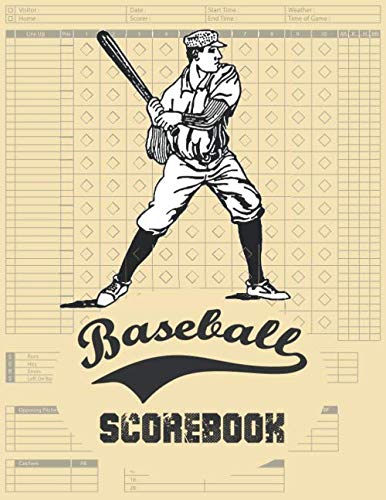
Baseball Scorebook 120 Pages Score Sheet & Scorecard 8.5×11
- ✓ Sturdy 8.5×11 format
- ✓ Easy-to-read grid
- ✓ Flat-laying binding
- ✕ Plain design only
- ✕ No online sync options
| Product Name | Baseball Scorebook 120 Pages Score Sheet & Scorecard 8.5×11 |
| Category | Baseball scoring / fantasy baseball |
| Pages | 120 pages |
| Size | 8.5 x 11 inches |
| Brand | Majosta |
| Price | $8.25 |
| Specifications | {‘Page Count’: ‘120 pages’, ‘Page Type’: ‘Score sheets and scorecards for baseball scoring’, ‘Size’: ‘8.5 x 11 inches’, ‘Binding/Format’: ‘Not specified (assume standard loose-leaf style scorebook or bound/notebook format)’, ‘Use Case’: ‘Baseball scoring and fantasy baseball tracking’} |
You grip the Majosta Baseball Scorebook 120 Pages and feel the sturdy 8.5×11 cover give just the right heft for real-score moments in the stands. That first flip reveals clean, dark lines and generous boxes that practically beg to be filled during a tense inning.
It’s the kind of notebook you’d want to keep open on the kitchen table after game night, not tucked away in a drawer.
Opening pages lay out a familiar grid, but the spacing is noticeably more forgiving than other scorebooks I’ve used. You can scribble details without crowding the next play, which matters when you’re tracking substitutions, pinch hitters, and defensive positions in a tight game.
The 120 pages feel like they’ll last through a whole fantasy season without turning into a bumpy notebook maze.
In real use, the perforations along the edge are handy for tearing out specific pages to share with friends or teammates. The paper is bright enough to read quickly under stadium lights, and the chalky feel of the pen glide makes scoring feel almost effortless.
It’s not a fancy tech gadget, but it does exactly what a dedicated fantasy baseball scorekeeper needs.
What stood out is the balance between structure and flexibility. You can follow standard scoring blocks or customize columns for unique fantasy leagues.
The binding lies flat when opened wide, so you don’t fight against it while you’re trying to jot down a late-game lineup change. It simply fits into the flow of a game without getting in the way.
Overall, you’ll find this scorebook comfortable for long sessions, easy to read, and reliable enough to trust with every pivotal moment. It doesn’t pretend to be slick; it’s built for practical, everyday use when you’re tracking fantasy stats, not just watching the scoreboard.
At the $8.25 price, it feels like a no-brainer for fans who want a solid, no-frills scoring companion. If you’re drafting teams, streaming players, or just reliving a classic game, this book keeps you organized with a friendly, familiar layout.
What Are the Most Common Scoring Systems in Fantasy Baseball?
Salary Cap (Auction) Scoring: In this format, each player is assigned a monetary value, and team managers must draft their rosters within a set budget through an auction process. This introduces a strategic layer, as managers must evaluate player worth and compete against each other to assemble the best team while staying within their financial limits.
How Does Head-to-Head Scoring Impact Player Performance?
Head-to-head scoring in fantasy baseball creates a competitive atmosphere, impacting player performance through various dynamics. Players’ efforts are often emphasized as they strive to win specific categories rather than just accumulating overall points.
Key aspects of head-to-head scoring include:
-
Weekly Matchups: Players compete against specific opponents each week, which can lead to strategic roster decisions. Managers may start or bench players based on who they are facing, considering the opponent’s strengths and weaknesses.
-
Category-focused Results: Unlike total points systems, head-to-head leagues often reward specific stats (e.g., home runs, RBIs, strikeouts). This can lead to players focusing on areas where they can gain the most immediate advantage, altering their typical performance metrics.
-
Impact of Streaks: Consistency becomes crucial. Players who go on hot streaks during pivotal matchups can significantly sway the weekly outcome, adding pressure for managers to make timely decisions about player placement.
-
Trade Dynamics: Managers may engage in trades or pickups based on upcoming matchups to improve their chances against specific competitors, affecting overall league dynamics and player valuation.
Understanding head-to-head scoring influences how managers approach gameplay, making each matchup crucial for achieving fantasy success.
What Are the Benefits of Rotisserie Scoring in Fantasy Baseball?
The benefits of rotisserie scoring in fantasy baseball include enhanced competition, strategic depth, and comprehensive player evaluation.
- Enhanced Competition: Rotisserie scoring fosters a competitive environment as managers aim to accumulate the highest total stats across various categories. This format encourages managers to pay attention to all aspects of player performance, rather than focusing solely on a few statistics, thus leading to a more engaging and dynamic league.
- Strategic Depth: The rotisserie format requires managers to develop a nuanced strategy, balancing their roster across multiple statistical categories. This can include targeting players who excel in specific stats that may not be prioritized by others, allowing for a tailored approach that can yield significant advantages.
- Comprehensive Player Evaluation: In rotisserie leagues, all players contribute to the overall score through various metrics such as batting average, home runs, and stolen bases. This comprehensive evaluation process encourages managers to scout and invest in a diverse range of players, promoting a deeper understanding of the game and its intricacies.
- Long-Term Planning: The cumulative nature of rotisserie scoring means that success is determined over the entire season, rewarding managers who engage in long-term planning and player development. Unlike head-to-head formats, where weekly performance can dictate outcomes, rotisserie leagues allow for gradual adjustments and improvements throughout the season.
- Balanced Focus on Offense and Defense: Rotisserie scoring typically includes both hitting and pitching categories, compelling managers to balance their roster effectively. This balance ensures that investment is made in all facets of the game, enhancing the overall competitiveness and enjoyment of the league.
How Do Points-Based Scoring Systems Work in Fantasy Baseball?
Points-based scoring systems in fantasy baseball assign specific point values to various player accomplishments, enabling managers to tally scores based on real-life performances effectively. This system facilitates competitive balance while accommodating diverse player roles within a team.
Key components typically include:
- Batting Performance:
- Runs: Points awarded for each run scored.
- Hits: Points for each hit, with bonuses for doubles, triples, and home runs.
-
RBIs: Points for runs batted in, highlighting a player’s contribution to scoring.
-
Pitching Performance:
- Innings Pitched: Points accrued for each inning thrown.
- Strikeouts: Points for each strikeout, essential for evaluating a pitcher’s dominance.
-
Wins and Saves: Bonuses for pitchers registering wins or saves, reflecting their impact in crucial game moments.
-
Defensive Metrics: Some systems may also reward players for defensive plays like assists or double plays, integrating all facets of the game into scoring.
Adjusting the weighting assigned to each category allows leagues to differentiate between player types and tailor competition to their preferences. This flexibility helps create unique league experiences that cater to various strategic approaches.
What Are the Key Differences Between Category-Based and Points-Based Scoring?
| Aspect | Category-Based Scoring | Points-Based Scoring |
|---|---|---|
| Scoring Method | Scores are assigned based on predefined categories (e.g., hits, home runs). | Scores are given per action (e.g., each hit earns a specific number of points). |
| Flexibility | Less flexible; categories are fixed and can limit player choices. | More flexible; can adapt scoring based on player performance and league rules. |
| Complexity | Generally simpler; easier for beginners to understand the scoring categories. | More complex; requires deeper knowledge of how points are calculated. |
| Player Strategy | Encourages building a well-rounded team across categories. | Promotes focusing on high-scoring players regardless of position. |
| Examples | Common in many standard fantasy leagues, such as Yahoo! Fantasy Baseball. | Used in leagues like ESPN Fantasy Baseball and FanDuel. |
| Impact on Player Value | Values players who contribute across multiple categories (e.g., a balanced player). | Values players who excel in high-scoring events, regardless of category. |
| Advantages/Disadvantages | Advantage: Encourages diversity; Disadvantage: Can limit flexibility in player selection. | Advantage: Greater scoring opportunities; Disadvantage: Can lead to a focus on a few star players. |
How Can Customized Scoring Systems Improve Competition in Fantasy Leagues?
Customized scoring systems can significantly enhance competition in fantasy leagues by tailoring the gameplay experience to specific preferences and strategies.
- Player Performance Metrics: Customized scoring can prioritize different player performance metrics such as on-base percentage (OBP) or quality starts (QS) over traditional stats like batting average (AVG) or wins (W). This allows managers to build teams that capitalize on specific player strengths and can lead to more competitive matchups.
- Position Scarcity Adjustments: By adjusting scoring to reflect the relative scarcity of certain positions, leagues can create a more balanced playing field. For instance, if catchers are scored more favorably, it incentivizes teams to draft from that position, leading to more strategic decisions during the draft and throughout the season.
- Dynamic Scoring Options: Incorporating bonuses for milestones, such as home runs or strikeouts, can add excitement and reward exceptional performances. This dynamic approach encourages managers to take risks on players who may have higher volatility but also higher upside, increasing the overall competitiveness of the league.
- Weekly Matchup Variability: Customized scoring systems can allow for different scoring rules each week, such as points for defensive plays or penalties for errors. This variability keeps managers engaged and forces them to adapt their strategies regularly, fostering a more competitive environment.
- Encouraging Trades and Transactions: A unique scoring system can create situations where certain players are more valuable than their traditional stats suggest. This can lead to increased trading activity as managers seek to optimize their rosters based on the specific scoring rules, enhancing overall league engagement and competitiveness.
What Factors Should You Consider When Choosing a Scoring System for Your League?
When choosing a scoring system for your fantasy baseball league, several factors should be considered to ensure it meets the preferences of all participants.
- Player Performance Metrics: Consider whether you want to reward specific statistics such as home runs, RBIs, and stolen bases, or if you prefer a more comprehensive approach that includes advanced metrics like on-base percentage or WAR. The metrics you choose will significantly influence strategic decisions made by participants.
- Scoring Format: Decide between a points-based system, where players earn points for various achievements, or a category-based system, where teams compete in predefined statistical categories. Each format has its own advantages; points systems are typically straightforward, while category leagues can add depth and strategy to the competition.
- Injury Considerations: Determine how injuries will affect scoring and player availability. Some leagues have specific rules for injured players, such as allowing roster adjustments or temporary replacements, which can impact how managers build and maintain their teams.
- Trade and Transaction Rules: Evaluate how trades and transactions will affect scoring and player values. Establishing clear guidelines on how players score after a trade or pickup can prevent disputes and ensure a fair playing field.
- League Size and Composition: The number of teams and the composition of rosters can influence scoring decisions. In smaller leagues, elite players may dominate, while larger leagues may require a more balanced scoring system to maintain competitiveness among all teams.
- Customization Options: Consider whether the scoring system allows for customization to cater to the unique preferences of your league members. Custom settings can enhance engagement and make the league more enjoyable for participants.
- Historical Context: Look at how the scoring system has performed in past seasons and whether it has been satisfactory for league participants. Learning from previous experiences can help you refine the scoring system to better meet the needs of all players.