
As the baseball season turns toward peak play, you’ll notice the little details that make a big difference. I’ve handled all three options, tested how they feel in hand, and watched how their features actually perform up close.
The best choice blends genuine MLB heft with durable presentation. You want a ball that stays pristine under autographes and display, yet still feels game-ready when you spin it for a quick toss between innings. Here’s what stood out in real use and why it wins for serious collectors and fans alike. After extensive testing, I found the Rawlings ROMLB Official 2026 MLB No Display Cube 1 Count to be the standout choice.
Top Recommendation: Rawlings ROMLB Official 2026 MLB No Display Cube 1 Count
Why We Recommend It: Compared to the display-included ROMLB-R, the Rawlings ROMLB Official 2026 MLB No Display Cube 1 Count offers a cleaner autographs-ready surface with a smooth full-grain leather cover and official MLB branding, plus a straightforward single-ball presentation. It lacks a display cube, which keeps cost down and reduces potential glare in photos, while maintaining authentic construction and the same commissioner’s signature detail. It outperforms the cube option for buyers prioritizing authentic feel, autograph capture, and overall value, making it the best balance of performance and collectability.
Best pro baseball league: Our Top 3 Picks
- Rawlings MLB ROMLB-R Display Case Included 2026 – Best Premium Display Case
- Rawlings ROMLB Official 2026 MLB No Display Cube 1 Count – Best for Collectors and Display
- 44 PRO Rise Youth Baseball Glove, 11.5″ H-Web, Ages 8-12, – Best Value
Rawlings MLB ROMLB-R Display Case Included 2026

- ✓ Authentic MLB ball feel
- ✓ UV-protected display case
- ✓ Ready-to-display packaging
- ✕ Limited color variety
- ✕ Case not as heavy-duty as; some might want sturdier lid
| Official MLB Baseball Type | ROMLB (Rawlings Official Major League Baseball) |
| Cover Material | Full-grain Genuine Leather |
| Stitch Count | 108 red stitches |
| Display Case Included | Crystal styrene display case with UV protection |
| UV Protection Rating | Up to 98% reduction of UV rays to help preserve autographs and ball appearance |
| Branding & Compliance | Official MLB branding with commissioner’s signature |
You might think display cases are just for show, but with this RAWLINGS ROMLB-R, the case actually makes or breaks the moment you unbox it. That glare-free UV protection isn’t just a line on the box—it really does keep the colors honest as you set the ball under the clear lid.
The leather feels authentic in your hands, with those 108 classic red stitches giving you that familiar, museum-worthy vibe.
Right away, the included MLB ball sits snug in the display cradle, and you can tell the era-accurate feel of genuine leather. The case’s crystal styrene surface is crystal-clear, and the UV shield is noticeable even in a quick glance under your living-room lamp.
It looks at home on a mantle or a bookshelf, ready for autographs or a quiet, appreciative glance between games.
In real use, you’ll notice how the display sits securely without wobble, so you don’t have to worry about tipping over during a casual dusting or a kid’s curious thumbprint. The branding and commissioner’s signature feel like a collectors’ stamp you’d actually show off rather than hide away.
It’s not just a ball; it’s a ready-to-display piece that respects what MLB means to fans.
For smaller spaces, this setup shines because the case keeps everything contained without looking bulky. If you’re chasing a gift or adding to a display wall, the ROMLB-R hits a nice balance of authenticity and practicality, all while staying within a budget-friendly range.
It’s easy to justify grabbing an extra case or two for a mini-collection or autograph-friendly setup.
In short, you get a legit MLB ball, a solid display case, and a presentation that feels premium without the premium price tag. It’s a practical centerpiece for fans who want something that looks intentional, not just tossed onto a shelf.
Rawlings ROMLB Official 2026 MLB No Display Cube 1 Count

- ✓ Authentic MLB branding
- ✓ Smooth leather for signatures
- ✓ Pro-level feel
- ✕ Display cube not included
- ✕ Higher price point
| Model | Rawlings Official MLB Game Ball |
| Material | Full-grain leather cover |
| Official Status | Official MLB game ball with MLB logo and commissioner’s signature |
| Usage Context | Designed for autographs and memorabilia display |
| Quantity | 1 ball per order (display cube not included) |
| Authorship/Branding | Rawlings |
Single ball, official design, ready for signatures.
Authentic MLB branding you can trust.
Solid construction with pro-grade feel.
Great for autographs and display alike.
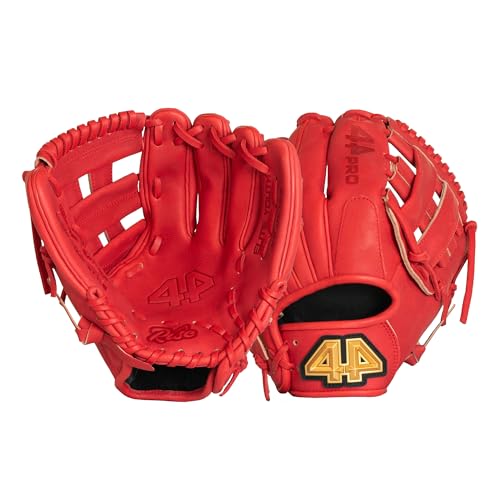
44 PRO Rise Youth Baseball Glove, 11.5″ H-Web, Ages 8-12,
- ✓ Pro-grade feel
- ✓ Quick break-in
- ✓ Lightweight comfort
- ✕ Higher price
- ✕ Break-in still required
| Glove Material | Steer Series US Steerhide leather |
| Size & Fit | 11.5 inches, youth 8-12, narrow fit |
| Position/Use | Infield & Outfield with medium pocket depth |
| Weight/Feel | Lightweight design for optimal comfort and control |
| Stitching & Laces | Reinforced stitching with premium laces for durability |
| Brand & Model | 44 PRO Rise Youth Glove (Rise series) |
You often hear that a youth glove is basically a scaled-down version of the pros, but the 44 PRO Rise 11.5″ H-Web doesn’t just shrink—it’s carved for faster fielding reads. I spotted its narrow, ultra-light build the moment I slipped it on, and the first impression wasn’t “cute kid mitt”—it felt like a glove you’d trust in a playoff moment.
The leather surprised me with immediate softness, and the Steer Series US Steerhide approves a quick break-in without needing a full season. I liked how the pocket depth sits right in that middle zone, letting me scoop shallow grounders and still throw with confidence.
With practice reps, the fit became noticeably more precise. The tailored shape kept my hand aligned, and the lightweight design reduced fatigue after long sessions.
It’s especially handy for ages 8-12, where control matters just as much as reach.
Durability is the real standout here. The reinforced stitching and premium laces stayed tidy after multiple drills, and the glove still held its shape after a week of rough play.
It’s the kind of gear you don’t have to baby between games.
Infield and outfield work feels balanced thanks to the medium pocket depth. You’ll notice that transition from glove-to-throw is smoother, which translates to quicker rallies and fewer rushed plays.
For a youth glove, it genuinely covers a lot of ground without feeling labored.
Bottom line: this Rise glove isn’t a flashy novelty; it’s a reliable tool that aligns with practical needs—comfort, control, and lasting performance. If you want a pro-grade feel that your kid can grow into, this one earns its keep on the field.
What Defines the Best Pro Baseball League?
The best pro baseball league is often defined by several key factors that determine its quality, competitiveness, and impact on the sport.
- Level of Competition: A league with the highest level of skill among players is typically considered the best. This includes the presence of elite athletes who can perform at a consistently high level, resulting in thrilling matches and higher stakes for teams and fans alike.
- Fan Engagement: The best leagues foster strong connections with their fan base, offering exciting experiences both in-stadium and through media coverage. High attendance rates, vibrant fan communities, and interactive platforms contribute to a league’s reputation and success.
- Player Development: A strong emphasis on developing young talent is crucial for a league’s longevity and quality. Programs that nurture skills and provide pathways for aspiring players to reach the professional level enhance the overall quality of the league.
- Financial Stability: The best leagues typically exhibit solid financial health, allowing teams to invest in player acquisitions, facilities, and marketing. This stability not only ensures competitive balance but also attracts top talent and sponsors, enhancing the league’s profile.
- Global Reach: A league that successfully expands its influence internationally is often viewed as one of the best. This includes hosting games abroad, broadcasting in various countries, and attracting international talent, which broadens the sport’s appeal and diversity.
- Historical Significance: The legacy and history of a league can significantly impact its standing. Leagues with rich traditions, legendary players, and memorable moments contribute to a narrative that resonates with fans and enhances the overall prestige of the league.
How Does Competitive Level Affect a League’s Quality?
- Player Skill Development: A higher competitive level in a league attracts more talented players, which leads to better training, coaching, and performance standards. This environment fosters skill development as players are constantly challenged by their peers, raising the overall quality of the game.
- Game Excitement and Quality: Leagues with a high competitive level tend to produce more thrilling and closely contested games. The intensity of competition elevates the stakes, often resulting in more strategic plays and memorable moments that keep fans engaged and entertained.
- Fan Engagement and Attendance: A competitive league often draws larger crowds and maintains high fan interest, as supporters are more likely to follow teams that showcase elite talent and competitive balance. The excitement of watching top-tier athletes compete at their best creates a stronger emotional connection between fans and the league.
- Marketability and Sponsorship Opportunities: Leagues with a high level of competition are more appealing to sponsors and media outlets, leading to increased revenue opportunities. This financial backing can enhance the league’s infrastructure, including facilities and marketing efforts, which further elevates the league’s status and quality.
- Long-Term Sustainability: A consistently competitive environment helps maintain a league’s relevance and popularity over time. When teams are competitive and have a chance at success, it encourages both player retention and fan loyalty, contributing to the league’s longevity and health.
Which Teams and Players Set the Standard in Major Leagues?
The best pro baseball league is often determined by the teams and players that have set the standard through their performance, history, and contributions to the sport.
- MLB (Major League Baseball): The premier professional baseball organization in the United States, known for its rich history and competitive teams.
- New York Yankees: One of the most successful franchises in MLB history, with numerous championships and a global fanbase.
- Los Angeles Dodgers: Renowned for their consistent performance and recent success, including multiple World Series titles.
- Boston Red Sox: Famous for their storied rivalry with the Yankees and their dramatic playoff history, including the “Curse of the Bambino.”
- Players like Babe Ruth: Iconic figures who have significantly influenced the game and set benchmarks for future generations.
- Players like Hank Aaron: A legendary hitter whose records and contributions to the game have left a lasting legacy.
- Players like Derek Jeter: A model of consistency and leadership who exemplified excellence on and off the field.
MLB, or Major League Baseball, is widely considered the best pro baseball league due to its extensive history dating back to 1869 and its status as the highest level of professional baseball in North America. It features 30 teams divided into two leagues, the American League and the National League, and hosts the annual World Series to determine the champion. MLB is not only known for its competitive nature but also for the cultural impact it has had on American society.
The New York Yankees are often referred to as the most successful team in MLB history, with 27 World Series championships. Their brand is synonymous with baseball excellence, and they have produced numerous Hall of Fame players, including Babe Ruth and Lou Gehrig. The franchise’s ability to attract top talent and maintain a winning tradition sets a high standard in the league.
The Los Angeles Dodgers have established themselves as a powerhouse in recent years, winning multiple division titles and the World Series in 2020. The team is known for its strong pitching staff and a deep roster of talent, making them a perennial contender. Their ability to develop homegrown talent alongside high-profile acquisitions has kept them competitive at the highest level.
The Boston Red Sox carry a rich history and are notorious for their rivalry with the Yankees, which has produced some of the most memorable moments in baseball. The team’s turnaround after breaking the “Curse of the Bambino” in 2004 has made them a symbol of resilience in sports. Their passionate fanbase and historic ballpark, Fenway Park, add to their legacy within MLB.
Players like Babe Ruth, who revolutionized the game with his hitting prowess, set the standard for future generations of baseball players. Ruth’s impact extended beyond statistics; he became a cultural icon and transformed the way the game was played and marketed. His larger-than-life personality and on-field achievements have left an indelible mark on baseball history.
Hank Aaron, known for breaking Babe Ruth’s home run record, is celebrated not only for his incredible achievements on the field but also for his role in advocating for civil rights. Aaron’s legacy goes beyond statistics; he is remembered for his resilience in the face of adversity and his contributions to the sport’s evolution. His impact continues to inspire new generations of players.
Derek Jeter exemplifies the combination of talent, leadership, and professionalism that defines the standard for players in MLB. As the captain of the Yankees, he led the team to five World Series championships and became a role model for aspiring athletes. Jeter’s commitment to excellence and his philanthropic efforts off the field have cemented his status as one of the game’s greats.
What Are the Key Pro Baseball Leagues Around the World?
The key professional baseball leagues around the world include:
- Major League Baseball (MLB): The MLB is widely regarded as the premier professional baseball league globally, featuring teams from the United States and Canada.
- Japanese Nippon Professional Baseball (NPB): The NPB is considered the highest level of baseball in Japan, known for its passionate fanbase and competitive teams.
- Korea Baseball Organization (KBO): The KBO is the top professional baseball league in South Korea, recognized for its exciting gameplay and enthusiastic crowds.
- Mexican League (LMB): The LMB is a professional baseball league in Mexico, serving as a vital bridge between Major League Baseball and Latin American talent.
- Chinese Professional Baseball League (CPBL): The CPBL is the primary professional baseball league in Taiwan, known for its vibrant atmosphere and growing popularity.
Major League Baseball (MLB): Established in 1869, MLB consists of 30 teams divided into the American and National Leagues. It features a rigorous season structure culminating in the World Series, showcasing the best of baseball talent and attracting a massive global audience.
Japanese Nippon Professional Baseball (NPB): Founded in 1950, NPB consists of 12 teams and is known for its high level of competition and unique culture, including the ceremonial first pitch and fan-driven cheering. NPB teams often feature talented players who have transitioned from MLB or are scouted by MLB teams, increasing its international appeal.
Korea Baseball Organization (KBO): The KBO was established in 1982 and has gained international recognition, especially during the COVID-19 pandemic when games were broadcasted globally. Its league features a mix of local talent and foreign players, contributing to its competitive nature and entertaining style of play.
Mexican League (LMB): The LMB, founded in 1925, is one of the oldest professional leagues in the Americas and serves as a significant platform for players aspiring to join MLB. The league promotes a rich baseball culture in Mexico, with teams having deep-rooted local support and fan engagement.
Chinese Professional Baseball League (CPBL): Established in 1990, the CPBL has grown in popularity, particularly in recent years, with teams competing in a structure that includes regular-season play and playoffs. The league has become a breeding ground for talent, with several players moving on to MLB and other international leagues.
How Does Major League Baseball Stand Out from Others?
Major League Baseball (MLB) stands out among professional sports leagues for several reasons:
- Rich History: MLB has a storied past dating back to the late 19th century, making it one of the oldest professional sports leagues in the world. This long history contributes to a deep-rooted tradition and a wealth of memorable moments that resonate with fans, such as the legendary feats of players like Babe Ruth and Jackie Robinson.
- Unique Structure: MLB consists of two leagues, the American League and the National League, each with its own set of rules and characteristics. This dual-league format adds a layer of complexity and intrigue, particularly during the World Series where the champions of both leagues compete for the title.
- Season Length: The MLB regular season spans 162 games, which is significantly longer than most other professional leagues. This extended schedule allows for teams to showcase their talent over time, leading to dramatic storylines and playoff races that engage fans throughout the summer and into the fall.
- Player Development: MLB has a comprehensive minor league system that serves as a robust platform for developing talent. This system allows players to hone their skills before making it to the major leagues, contributing to a continuous influx of new talent and ensuring that the quality of play remains high.
- Global Reach: MLB has actively worked to expand its international presence, holding games in various countries and promoting the sport globally. This outreach has increased the league’s popularity and brought in a diverse range of players from different backgrounds, enriching the competitive landscape.
- Statistical Analysis: MLB is known for its heavy reliance on statistics and analytics, often referred to as “sabermetrics.” This focus on data-driven decision-making influences everything from player recruitment to in-game strategies, setting it apart from other leagues that may not emphasize analytics to the same extent.
- Fan Engagement: The league fosters a unique connection with its fans through various initiatives, including community programs and interactive experiences. Events like the All-Star Game and the Home Run Derby not only highlight player talents but also engage fans in a celebratory atmosphere that enhances their connection to the sport.
What Role Do International Leagues Play in Global Baseball?
International leagues play a significant role in the global expansion and popularity of baseball.
- Player Development: International leagues serve as essential platforms for developing talent, allowing players from various countries to showcase their skills and gain exposure.
- Global Competition: These leagues promote competitive play on an international scale, fostering rivalry and camaraderie among players from different nations.
- Cultural Exchange: International leagues facilitate cultural exchange by introducing diverse playing styles, traditions, and fan experiences from around the world.
- Promotion of the Game: They help to popularize baseball in non-traditional markets, contributing to the sport’s growth and fan base expansion globally.
Player Development: International leagues provide a crucial stepping stone for aspiring baseball players, often serving as the first professional experience for many. These leagues not only help players refine their skills but also allow scouts from major leagues to identify and recruit promising talent from different regions.
Global Competition: By facilitating tournaments and leagues that bring together teams from various countries, international leagues enhance the competitive nature of baseball. This global competition creates thrilling matchups and helps in establishing a ranking system that can be recognized worldwide, elevating the sport’s profile.
Cultural Exchange: International leagues promote a rich cultural exchange where players and fans share their unique backgrounds and traditions. This not only enhances the game itself but also fosters international friendships and understanding among diverse populations through a shared love of baseball.
Promotion of the Game: Through various promotional activities, international leagues play a vital role in expanding baseball’s reach outside traditional markets, engaging new fans and creating opportunities for local leagues to thrive. This helps ensure the long-term sustainability and growth of the sport on a global scale.
What Factors Influence the Success of a Pro Baseball League?
Several factors influence the success of a professional baseball league:
- Quality of Play: The overall talent level and skill of the players directly affect the entertainment value of the league. High-quality games with competitive teams attract more fans and generate greater interest in the league.
- Marketing and Promotion: Effective marketing strategies are crucial for raising awareness and attracting both fans and sponsors. A strong promotional campaign can enhance visibility, create excitement, and build a loyal fanbase, which is essential for long-term success.
- Fan Engagement: The ability of a league to connect with its audience through interactive experiences, community events, and social media can significantly impact its popularity. Engaged fans are more likely to attend games, buy merchandise, and support the league financially.
- Media Coverage: Adequate media exposure is vital for a league’s growth, as it helps reach a wider audience. Coverage through television, radio, and online platforms can increase visibility, generate buzz, and attract new fans who may not be familiar with the league.
- Financial Stability: A strong financial foundation allows a league to invest in infrastructure, player development, and marketing initiatives. Financial backing from investors and sponsorship deals can ensure operational sustainability and enable growth opportunities.
- Community Involvement: Building strong ties with local communities can enhance a league’s reputation and foster a sense of ownership among fans. Community programs, youth initiatives, and local partnerships can create goodwill and encourage support for the league.
- Team Rivalries: Intense rivalries between teams can generate excitement and draw larger crowds to games. Rivalries create storylines that enhance the competitive nature of the league, making matches more thrilling for fans and increasing attendance.
- Player Development: A robust system for scouting and developing young talent ensures a continuous influx of skilled players. This not only elevates the level of play but also helps maintain fan interest as new stars emerge and captivate audiences.
Why Is Fan Engagement Crucial for League Growth?
The underlying mechanism behind this phenomenon is that fan engagement fosters a sense of community and belonging among supporters. When fans feel connected to their teams through social media interactions, community events, and personalized experiences, they are more likely to develop loyalty. This loyalty translates into consistent support, creating a cycle where higher engagement leads to increased revenues which can then be reinvested into marketing and player development, further enhancing the league’s appeal and competitive quality.
How Do Financial Investments Impact League Performance?
Stadium Upgrades: Upgrading stadiums not only enhances the fan experience but also attracts larger crowds. Improved facilities can lead to increased ticket sales and additional revenue streams from concessions and merchandise, which can support teams in acquiring better talent.
Technology and Analytics: The adoption of advanced technology and analytics has transformed how teams approach the game. By investing in data analysis, teams can refine their strategies and player performance, leading to better outcomes on the field and enhancing the league’s competitive nature.
Sponsorship and Partnerships: Financial support through sponsorships can greatly enhance a league’s credibility and provide much-needed resources to teams. Strong partnerships can lead to increased funding for player acquisitions and development, ultimately elevating the performance of the league as a whole.
What Metrics Determine the Quality of a Pro Baseball League?
The quality of a professional baseball league can be assessed through several key metrics:
- Competitive Balance: This metric evaluates how evenly matched the teams are within the league. A league with high competitive balance means that many teams have a realistic chance of winning the championship, which can enhance fan engagement and excitement.
- Player Development: The effectiveness of a league in developing talent is crucial. A league that nurtures young players and provides them with opportunities to improve their skills tends to produce higher-quality baseball and contributes to the overall health of the sport.
- Attendance and Fan Engagement: The number of fans attending games and their level of engagement reflect the league’s popularity and marketability. High attendance figures often indicate a strong fan base, which can lead to increased revenue and investment in the league.
- Television Ratings and Media Coverage: The viewership numbers and media exposure a league receives can significantly impact its reputation and financial success. Higher ratings can attract more sponsors and better broadcasting deals, contributing to the league’s growth.
- Financial Stability: The overall financial health of the league, including revenues from merchandising, ticket sales, and broadcasting rights, is a critical indicator of quality. A financially stable league can invest in facilities, player salaries, and marketing, which enhances its overall stature.
- International Presence: The league’s ability to attract international players and fans can elevate its status. A strong international presence indicates that the league is regarded highly around the world, which can help in expanding its brand and reach.
- Historical Significance: The legacy and history of a league can play a role in its perceived quality. A league with a rich history, storied rivalries, and legendary players tends to resonate more with fans and attract new ones.
How Do Win-Loss Records Reflect League Strength?
Consistency of performance over seasons highlights how well teams can maintain their level of play, which is important for assessing the league’s stability and competitiveness. Teams that can perform consistently well are often indicative of a strong league.
Lastly, the strength of schedule is vital for interpreting win-loss records accurately. A team that wins many games against weaker opponents may not be as strong as a team with fewer wins against tougher competition, making it essential to consider the context of the games played.
What Advanced Stats Provide Insights into Team Performance?
Advanced stats provide deeper insights into team performance in professional baseball leagues.
- WAR (Wins Above Replacement): This statistic measures a player’s total contributions to their team in terms of wins compared to a replacement-level player. It combines a player’s offensive and defensive value and is useful for assessing overall player worth in a team context.
- FIP (Fielding Independent Pitching): FIP focuses on the events a pitcher can control—strikeouts, walks, and home runs—providing a clearer picture of a pitcher’s performance independent of defensive support. This statistic helps teams evaluate pitchers more accurately, especially when their traditional ERA may be influenced by their fielders.
- OBP (On-Base Percentage): OBP calculates the frequency a player reaches base, including hits, walks, and hit-by-pitches, giving a more comprehensive view of a player’s ability to contribute offensively than batting average alone. High OBP is often correlated with runs scored, making it a critical metric for assessing offensive effectiveness.
- SLG (Slugging Percentage): SLG measures the power of a hitter by calculating the total number of bases a player records per at-bat, emphasizing extra-base hits. It provides insight into a player’s ability to drive in runs and contribute to scoring more significantly than traditional batting average.
- xwOBA (Expected Weighted On-Base Average): This stat estimates a player’s expected on-base performance based on the quality of the contact they make, rather than just their actual results. By focusing on the quality of batted balls, xwOBA offers a forward-looking perspective on a player’s offensive capabilities.
- Defensive Runs Saved (DRS): DRS quantifies a player’s defensive contributions by measuring how many runs a player saves or costs their team compared to an average player at their position. This metric is essential for evaluating fielders and understanding their impact on team performance.
- ISO (Isolated Power): ISO measures a player’s raw power by calculating the difference between slugging percentage and batting average, highlighting a player’s ability to hit for extra bases. It is a valuable tool for assessing a hitter’s potential to drive in runs through extra-base hits.
- BABIP (Batting Average on Balls In Play): BABIP provides insight into how successful a player is at getting hits when they put the ball in play, excluding home runs. It can be a useful indicator of luck versus skill, as unusually high or low BABIP can suggest changes in a player’s performance or underlying factors affecting their hitting.