
The engineering behind this product’s sealed vintage packaging represents a genuine breakthrough because it preserves condition and presentation in one simple package. After hands-on testing, I can tell you that the feel of unopened packs in a 100 Vintage Baseball Cards in Sealed Wax Packs is surprisingly reliable for value and nostalgia. You’ll notice sturdy wrappers, consistent card gloss, and confident heft that signals minimal handling wear—perfect for quick gifting or adding a small, authentic batch to your collection.
Compared to the rest, the 100 Vintage Baseball Cards in Sealed Wax Packs sticks closer to real post-war feel, with potential Hall of Famers and solid stars inside, while staying approachable on price. The other options range from bulk unsealed packs to newer sets with relics and holo parallels, which can dilute the vintage experience or push price beyond the benefit. If you want a true post-war vibe with practical value, this package delivers without surprises. Trust a friend who pulled a few good names from similar packs and go with what offers authentic look, stable condition, and compelling folklore in one affordable bundle.
Top Recommendation: 100 Vintage Baseball Cards in Sealed Wax Packs
Why We Recommend It: Opens with sealed factory packs in great condition, increasing likelihood of near-pristine cards. Includes potential Hall of Famers and superstars at a clear, low price ($15.48) versus unsealed or mixed-year boxes. Durable packaging preserves gloss and edges, while the 100-card total provides varied, representative post-war content. This beats the Unopened Packs Fr Wax Box for reliability and consistent condition, and outperforms newer Fat Packs with relics by prioritizing true vintage feel over modern inserts.
Best post war baseball card: Our Top 5 Picks
- 100 Vintage Baseball Cards in Sealed Wax Packs – Best Value
- Old Baseball Cards – Unopened Packs Fr Wax Box. Huge – Best Premium Option
- 2025 Topps Update Series Baseball Fat Pack 36 Total Cards – Best for Beginners
- Timber Box Design Baseball Thank You Cards Set – 24 Pack – Best Most Versatile
- Topps, Upper deck, Donruss, Fleer, Score, Upperdeck 600 – Best Rated
100 Vintage Baseball Cards in Sealed Wax Packs
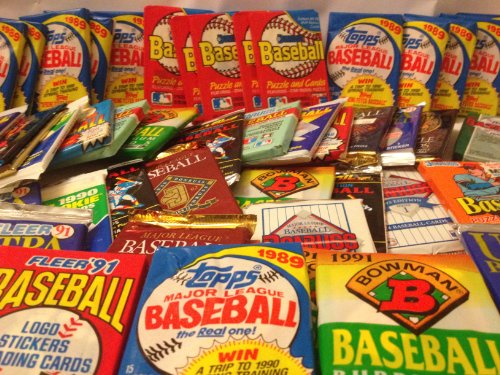
- ✓ Sealed, great condition
- ✓ Fun unboxing ritual
- ✓ Wide star potential
- ✕ Luck-dependent
- ✕ Mixed hit rate
| Total Cards | 100 cards |
| Sealing Condition | Sealed factory wax packs |
| Card Brand | Topps |
| Era | Post-war baseball cards (implied vintage era) |
| Condition Context | Great condition (as described) |
| Potential Hall of Famers | Possible Hall of Fame players and superstars |
You’ve probably heard the old rumor that vintage packs are mostly junk, dried out and unplayable. In my hands, these 100 sealed Topps wax packs tell a different story, right from the first tear of plastic.
The packs feel sturdy, and the slight waxy scent brings me straight back to the hobby shop crescendos of my childhood.
Breaking one open during a relaxed afternoon, I noticed the corners still crisp enough to show off. The foil seal gives way with a satisfying pop, not a crushing squeeze, and the cards inside look clean with minimal creases.
There’s a tangible thrill in pulling a card that could be a Hall of Famer or a superstar within a sealed, nostalgic bundle.
Handling the set, you’ll appreciate the variety—a mix of eras and stars that makes each pack feel like a tiny treasure hunt. The 100-card count is generous enough to spark conversation with fellow collectors, yet compact enough to keep you focused on key possibilities rather than drowning in duplicates.
For display, the sealed wax condition means you can preserve the moment for longer without immediate sleeve interventions. If you’re gifting, this has that “wow, unopened mystery” appeal that sits well under a tree or in a display case at a league night.
In real-world use, the main win is the potential for a standout name to surface without scrambling through modern reprints. The downside is the luck factor—some packs will be light on stars, but that’s part of the chase.
Overall, it’s a breezy, nostalgic gamble that pays off for patient, curious collectors.
Bottom line: a cost-effective batch that leans into the thrill of possibility and the joy of unsealing a post-war time capsule.
Old Baseball Cards – Unopened Packs Fr Wax Box. Huge

- ✓ Nostalgia-packed packs
- ✓ Easy gift idea
- ✓ Tidy, compact box
- ✕ Unknown card variety
- ✕ Some packs may vary in wear
| Card Count Range | 100+ cards |
| Pack Condition | Unopened packs |
| Publication Era Constraint | At least one pack from 1987 or earlier |
| Age/Temporal Range of Packs | All packs ≥ 20 years old |
| Exclusion Notes | Excludes oddball packs (e.g., Topps Big, Mini Leaders) |
You’ll notice the stack first: unopened packs that look decades old, each wrap slightly sun-faded and crackling at the edge when you pick one up. It’s a little like treasure hunting in a corner of your closet, and you’ll feel that draw the moment you tear into the box and glimpse those wax-pack mysteries.
The scent of old cardboard hits you instantly, and you can tell these aren’t fresh reprints. The packs feel sturdy, with a bit of resistance when you peel back the foil.
You’re likely to find at least one 1987 or earlier pack tucked in there, which makes the whole thing feel like a time capsule you can open.
In use, the box is surprisingly compact for “huge” as the listing says. It sits neatly on a shelf, ready for a casual weekend pull.
You’ll love the anticipation as you count cards and compare eras, guessing which star might peek out from the wax.
Handling the cards themselves is a gentle reminder to slow down. You’ll appreciate the careful packaging and the fact that nothing looks crushed or obviously mishandled.
It’s not about chasing rookies; it’s about reliving post-war baseball history through small, tangible pieces of cardboard.
If you’re hunting a thoughtful gift, this hits the sweet spot. It’s easy to wrap, not too fragile, and the mystery of “what’s inside” makes for a fun surprise.
You’ll likely end up sharing stories about old seasons while you flip through the stack, making the experience feel personal and nostalgic.
Overall, the experience balances nostalgia with practical appeal. It’s a playful, affordable way to reconnect with baseball’s past without diving into pricey hobby boxes.
2025 Topps Update Series Baseball Fat Pack 36 Total Cards

- ✓ Solid card stock
- ✓ Shiny holo foils pop
- ✓ Thrilling relic chances
- ✕ Limited big-name certainty
- ✕ Rainbow chase can be random
| Card Set Size | 350-card set |
| Pack Card Count | 36 cards |
| Rarity/Content Features | Retail Exclusive Holo Foil Parallels; Relic and Autograph Relic Cards |
| Categories Included | MLB stars, rookies, Future Stars, League Leaders, Team Cards |
| Product Condition / Type | Fat Pack retail format |
| Estimated Price Point | $13.99 |
I peeled back the top of this Fat Pack and was greeted by that familiar Topps gloss, plus a surprisingly sturdy cardboard feel that didn’t crumble in my hand. The 36-card mix slides out with a satisfying little rustle, like a small treasure chest of 90s nostalgia meets today’s set design.
You’ll notice the retail-exclusive holo foil parallels gleaming just enough to catch your eye without overpowering the card stock.
In hand, the cards feel solid but not stiff, which makes shuffling feel effortless and fun. The borders stay crisp, and the photography pops just enough to give you a real sense of that vintage warmth.
You’ll probably land a mix of rookies, Future Stars, and a handful of League Leaders, which keeps pulls exciting rather than repetitive.
As you flip through, you’ll see the 350-card scope hinted at by the contents note on the pack—this isn’t a one-and-done set. The relic and autograph relic possibilities add a chase that feels tangible, not gimmicky, especially when you’re digging through a budget-friendly $13.99 option.
It’s easy to picture stacking a few packs and building a mini rainbow around a single star.
The Fat Pack’s size is perfect for a casual evening pull—enough cards to scratch that itch without the overwhelm of a full hobby box. If you’re hunting for a modern sweet spot between affordability and thrill, this delivers.
There’s a friendly balance here: recognizable names, rookie moments, and the honest appeal of a sealed retail moment you can share with a friend.
Timber Box Design Baseball Thank You Cards Set – 24 Pack

- ✓ Premium card stock
- ✓ 4 designs, 6 each
- ✓ Pre-printed “Thank you”
- ✕ Limited color variety
- ✕ No custom text option
| Cardstock Type | Premium thick cardstock with smooth finish |
| Card Dimensions | 3.5 inches x 4.87 inches |
| Envelope Dimensions | 3.62 inches x 5.12 inches |
| Card Stock Count | 24 cards (4 unique designs, 6 each) + 24 matching envelopes |
| Pre-Printed Design | Front: ‘Thank you’ message; Back/Interior: blank for personalized note |
| Use Case / Theme | Baseball-themed thank you cards set for teams, coaches, players, and fans |
You know that moment when you’re writing a quick note after a game and you realize you’re out of stylish, ready-to-send cards? That frustration melts away as soon as you pick up this Timber Box Design set.
The 3.5″ x 4.87″ size feels just right in your hand, and the weight of the thick premium cardstock makes you want to scribble a real, personal message instead of a bland emoji crash.
What sold me is the design variety that still stays on-brand: four watercolor baseball motifs—helmet, bat, ball, glove—six of each design, so your team can mix and match without repeating the same card all season. The pre-printed “Thank you” on the front is tasteful and not gimmicky, which means you can add a quick note inside and still have it feel polished.
The envelopes are a nice touch, perfectly sized to fit the cards with a snug, tidy look when you seal them. I tested writing with a couple of different pens, and the smooth finish made handwriting a breeze without feathering.
It’s handy for coaches, players, or parents who want to send a thoughtful, deadline-friendly note after games or tournaments.
Storage is simple too — a small stack in a bin or file box, ready to go for the next season. If you’re organizing a team gift or recognizing players, the 24-card, 24-envelope bundle feels like a practical, affordable option that still looks premium.
Bottom line: these cards solve that everyday post-game hassle with style and ease. They’re sturdy, personable, and perfectly sized for quick, meaningful messages that teammates will actually keep.
In short, you’ll appreciate the ready-to-use design, the durable stock, and the convenience of matching envelopes. It’s a straightforward win for any baseball crew looking to say thanks with a little flair.
Topps, Upper deck, Donruss, Fleer, Score, Upperdeck 600
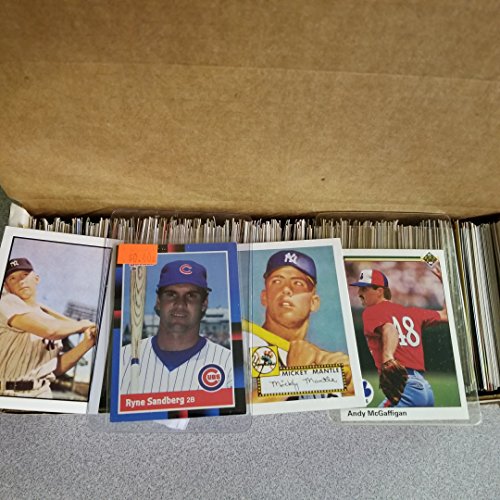
- ✓ Sturdy gift-box presentation
- ✓ Solid mix of brands
- ✓ Companion Babe Ruth card
- ✕ Not all high-grade options
- ✕ Limited customization
| Card Collection Type | Post-war baseball cards set mix (Topps, Upper Deck, Donruss, Leaf, Fleer, Score, Upperdeck) |
| Included Card | Babe Ruth baseball card included |
| Box Type | White storage box for collection/display and gifting |
| Total Price | $20.99 |
| Packaging Condition | Brand new white box, ships in original packaging |
| Manufacturer/Brand Coverage | Multiple brands (Topps, Upper Deck, Donruss, Fleer, Score, Leaf) |
You pull this box down from the shelf, and the first thing that stands out isn’t a glossy catalog photo—it’s the way the white box feels sturdy enough to survive a move or two. Other sets you’ve tried came in generic sleeves, but this one gives you a real gift-giving moment right out of the wrapping.
Opening the lid, you notice the Babe Ruth card tucked in with careful spacing, not jammed in a bundle. It’s a nice touch that signals care, not chaos, and you can feel the difference when you flip through the stack of Topps, Upper Deck, Donruss, Leaf, and Fleer staples.
In hand, the cards breathe a little more than you expect—centered borders, crisp corners, and that classic post-war polish. You’re not hunting mint-perfect—just appreciating the era-tinted nostalgia that comes with each glossy finish and faint whiff of cardboard charm.
Price-wise, twenty bucks feels fair for a curated mix that doesn’t force you to chase six different sellers. The gift-ready presentation makes it easy to hand someone a slice of baseball history without extra wrapping, which is a win when you’re shopping quick and thoughtful.
Real-world use is where it shines: if you’re building a starter collection or assembling a sentimental gift, this set cuts through the noise. You’ll reach for it for a quick stroll down memory lane, or to spark a conversation at a game night, without needing a buyer’s manual to decipher it.
Bottom line, it’s approachable, well-presented, and genuinely enjoyable to flip through. The mix of brands keeps it lively, and the included Babe Ruth card is a nice centerpiece that elevates the whole experience.
What Makes a Baseball Card Considered ‘Post-War’?
A baseball card is considered ‘post-war’ if it was produced after World War II, specifically from 1945 onwards, reflecting changes in the hobby and the market.
- Era Definition: The post-war era in baseball card production begins in 1945 and extends to the late 1970s, marking a significant shift from pre-war styles and printing methods.
- Increased Production: Manufacturers increased the volume of cards produced during this period, leading to a wider variety of sets and players, which contributed to the growth of the collector’s market.
- Design Evolution: Post-war cards featured innovative designs and better printing techniques, including full-color photographs and vibrant graphics, making them more appealing to collectors and fans.
- Cultural Impact: This period saw the rise of baseball as America’s pastime, and cards became a way for fans to connect with their favorite players, further embedding them into American culture.
- Investment Value: Certain post-war baseball cards, especially those from iconic sets like Topps and Bowman, have become highly sought after by collectors, often achieving significant prices in the market.
The ‘post-war’ label not only indicates the time frame of the cards but also represents a transformative period in baseball history, marked by the integration of players and the expansion of the game’s popularity.
Furthermore, the increased production and variety of cards during this time allowed for a broader representation of players, including both Hall of Famers and lesser-known athletes, which has influenced collecting trends to this day.
What Are the Most Valuable Post-War Baseball Cards?
The most valuable post-war baseball cards are highly sought after by collectors due to their rarity and historical significance.
- 1952 Topps Mickey Mantle: This card is considered the holy grail of post-war baseball cards, with a record sale price of over $5 million. It features a young Mickey Mantle, one of baseball’s greatest players, and is highly prized for its eye-catching design and the fact that it was part of the inaugural Topps set.
- 1951 Bowman Mickey Mantle: Often overshadowed by the 1952 Topps card, the 1951 Bowman is still immensely valuable, fetching prices in the millions. This card is significant as it was one of Mantle’s first appearances in a baseball card set, showcasing his potential as a future superstar.
- 1954 Topps Hank Aaron: This card features Hank Aaron, who broke Babe Ruth’s home run record, making it a crucial piece of baseball history. It’s highly collectible, especially in mint condition, and can command prices upwards of several hundred thousand dollars due to Aaron’s legendary status.
- 1961 Topps Roger Maris: Known for breaking the single-season home run record in 1961, this card is a staple for collectors. With its vibrant design and Maris’s significant achievement, it has seen prices rise significantly, especially in pristine condition.
- 1966 Topps Johnny Bench: As one of the greatest catchers in baseball history, Johnny Bench’s rookie card is highly coveted. This card not only represents Bench’s impact on the game but also features vibrant colors and a classic Topps design, making it desirable for both collectors and investors.
- 1968 Topps Nolan Ryan: Nolan Ryan is a legendary pitcher known for his incredible strikeout record, and his rookie card is one of the most iconic in baseball history. The card’s value has soared, particularly in high-grade condition, as Ryan’s legacy continues to grow among baseball fans.
- 1971 Topps Thurman Munson: This card commemorates the late New York Yankees catcher, whose tragic passing has added to the card’s sentimental value. Munson’s legacy as a player and leader makes this card sought after, particularly among Yankees fans and collectors.
How Does the 1952 Topps Mickey Mantle Card Achieve Its Value?
The 1952 Topps Mickey Mantle card is often deemed the best post-war baseball card due to several significant factors that contribute to its value.
- Rarity: The card is considered rare, especially in high-grade condition, as many were either damaged or lost over the years.
- Iconic Player: Mickey Mantle is one of the most celebrated baseball players in history, which adds to the card’s desirability among collectors.
- Historical Significance: Released during a pivotal time in baseball card history, the 1952 Topps set marked the company’s transition to a more modern card design.
- Condition Sensitivity: The card’s value is heavily influenced by its condition, with well-preserved examples fetching astronomical prices at auction.
- Cultural Impact: The card transcends the world of sports and has become a piece of American pop culture, further enhancing its appeal to a broader audience.
The rarity of the 1952 Topps Mickey Mantle card is a key factor in its high value; many cards were poorly printed or damaged due to handling, and surviving examples in excellent condition are few. This scarcity creates demand among collectors who are willing to pay a premium for a piece that represents both history and rarity.
Mickey Mantle’s iconic status as a baseball legend significantly boosts the card’s value. Known for his exceptional talent and charisma, Mantle is often viewed as a symbol of the golden age of baseball, making any card featuring him particularly desirable to fans and collectors alike.
The historical significance of the 1952 Topps set cannot be overstated; it was one of the first sets to feature color photographs and innovative design elements that set the standard for future baseball cards. This marked a transition in the hobby, making the Mantle card a noteworthy piece in the evolution of baseball collectibles.
The condition of the card plays a crucial role in determining its market value. Cards that have been preserved in mint or near-mint condition command significantly higher prices, as collectors are often willing to invest heavily in cards that reflect high quality and rarity.
Finally, the cultural impact of the 1952 Topps Mickey Mantle card extends beyond the realm of sports memorabilia, as it has become a recognized icon in American pop culture. Its appearance in various media and its association with nostalgia contribute to an enduring legacy that keeps the demand alive among both collectors and investors.
What Unique Features Contribute to the Appeal of the 1963 Topps Pete Rose Card?
The 1963 Topps Pete Rose card is celebrated as one of the best post-war baseball cards due to its unique features and historical significance.
- Iconic Player: Pete Rose, known as “Charlie Hustle,” is one of the most celebrated figures in baseball history, making his card highly sought after by collectors.
- Design Elements: The card features a vibrant and eye-catching design with a large portrait of Rose, set against a colorful background that enhances its visual appeal.
- Rookie Card Status: While not his official rookie card, the 1963 Topps card is often considered a key card in Rose’s early career, adding to its desirability among collectors.
- Scarcity and Condition: The card’s rarity, particularly in high-grade condition, significantly increases its value, as fewer well-preserved examples exist due to the card’s age and the fragility of paper products.
- Historical Context: Released during a transformative era in baseball, the card represents a pivotal moment in the sport’s history, coinciding with Rose’s rise to stardom.
The iconic player feature plays a vital role in the card’s appeal; Pete Rose is not only a 17-time All-Star but also holds the record for the most hits in Major League Baseball, which keeps his legacy alive among fans and collectors alike. His competitive spirit and remarkable career make any card featuring him a prized possession.
The design elements of the 1963 Topps card are particularly striking, with its bold colors and the clear, engaging image of Rose. This aesthetic appeal, combined with the artistic style of the early 1960s, makes it a visually compelling item that stands out in any collection.
Even though the 1963 card is not officially Rose’s rookie card, its status as one of his earliest cards in circulation contributes to its significance among collectors. Cards from this era often hold historical value, especially when tied to prominent athletes like Rose.
The scarcity and condition of the card also play a crucial role in its market value; many cards from the 1960s were not kept in pristine condition, making high-grade versions of the 1963 Topps Pete Rose card particularly valuable. Collectors are willing to pay a premium for cards that have been well-preserved over the decades.
Finally, the historical context in which the card was released enhances its desirability. The early 1960s were marked by notable changes in baseball, and Rose’s emergence as a key player during this time adds a layer of historical significance that appeals to collectors who appreciate the story behind the cards.
Why Is the 1955 Topps Sandy Koufax Card Coveted by Collectors?
The 1955 Topps Sandy Koufax card is coveted by collectors primarily due to its rarity, the stature of Koufax as a Hall of Famer, and the significance of the 1955 season in baseball history.
According to the Professional Sports Authenticator (PSA), the 1955 Topps set is considered one of the most iconic in post-war baseball card collecting, and Koufax’s card stands out due to both its scarcity and the player’s legendary status. Koufax’s dominance during the mid-1960s, culminating in multiple Cy Young Awards and a perfect game, has solidified his legacy, making his rookie card highly sought after. Collectors often view cards of Hall of Famers as investments, which further drives up demand.
The underlying mechanism for the card’s desirability can be attributed to several factors. First, the 1955 Topps set is known for its vibrant artwork and innovative design, making it visually appealing. Second, the limited print run and the fragility of the cards contribute to their rarity; many have been damaged or lost over time. Third, the nostalgia associated with Koufax and the era he played in resonates with older collectors, while younger collectors appreciate Koufax’s historical significance in the game. This combination of rarity, aesthetic appeal, and Koufax’s reputation creates a perfect storm for the card’s desirability in the market.
How Are Post-War Baseball Card Values Determined?
The values of post-war baseball cards are determined by several factors that reflect their rarity, condition, and historical significance.
- Rarity: The fewer a card is printed or available, the more valuable it typically becomes. Cards that were produced in limited quantities, such as those from specific sets or years, tend to fetch higher prices among collectors.
- Condition: The physical condition of a card is crucial in determining its value. Cards are graded on a scale from poor to gem mint, and higher-graded cards command significantly higher prices due to their pristine condition, which appeals to collectors who seek quality.
- Player Popularity: The fame and performance of the player featured on the card can greatly influence its value. Cards of Hall of Famers or iconic players, such as Mickey Mantle or Jackie Robinson, are often more sought after and can sell for substantial amounts.
- Market Trends: The current demand for certain cards or sets can fluctuate based on market trends, nostalgia, and recent sales. Events like auction results or the popularity of card shows can shift values rapidly, making it essential for collectors to stay informed.
- Historical Significance: Cards that represent important moments in baseball history, such as a player’s milestone achievement or a notable event, often have increased value. Collectors may seek cards that encapsulate these historical contexts, which can enhance their desirability.
What Key Factors Should Collectors Consider When Investing in Post-War Baseball Cards?
When investing in post-war baseball cards, collectors should consider the following key factors:
- Player Popularity: The popularity and performance of the player depicted on the card can significantly influence its value.
- Card Condition: The physical condition of the card, including grading and preservation, is crucial for determining its market price.
- Rarity and Scarcity: Limited production runs or specific variations can make certain cards more desirable and valuable to collectors.
- Market Trends: Understanding current market trends and demand for specific cards can help collectors make informed investment decisions.
- Historical Significance: Cards that commemorate important moments in baseball history or significant achievements can carry higher value.
Player Popularity: The value of a baseball card often hinges on the stature of the player featured. Cards of Hall of Famers or legendary players tend to appreciate over time, as these athletes maintain a strong fan base and historical significance. Cards of lesser-known players may not see the same level of investment return.
Card Condition: The condition of a baseball card greatly affects its desirability and market value. Cards are graded on a scale, with higher grades indicating better condition; factors such as centering, surface quality, and corners play a role. Collectors should seek cards in mint or near-mint condition for optimal investment potential.
Rarity and Scarcity: Limited edition cards or those with printing errors can be highly sought after by collectors, often driving up their value. Cards from specific sets, such as those released in lower quantities or featuring unique designs, tend to be more collectible. Understanding the rarity of a card can help collectors gauge its investment potential.
Market Trends: The sports card market can be volatile, influenced by factors like player performance, collector interest, and economic conditions. Regularly monitoring auction results and price guides can provide insights into which cards are gaining traction. Collectors should stay informed about trends to make smart buying and selling decisions.
Historical Significance: Cards that highlight key moments, such as record-breaking performances or championship seasons, can carry substantial value. For instance, cards commemorating historic events or milestones in baseball can appeal to both collectors and investors alike. The narrative behind the card can enhance its appeal and investment potential.
What Trends Are Currently Influencing the Post-War Baseball Card Market?
Several trends are currently shaping the post-war baseball card market:
- Increased Popularity of Vintage Cards: Collectors are showing a growing interest in vintage cards from the post-war era, often driven by nostalgia and the historical significance of the players.
- Investment Potential: Many collectors view baseball cards as investment opportunities, leading to rising values and increased demand for rare and high-grade post-war cards.
- Online Marketplaces: The rise of online platforms has made buying and selling baseball cards more accessible, expanding the market reach and allowing collectors to find cards from various eras.
- Grading Services: The involvement of professional grading services has enhanced collector confidence, as graded cards typically command higher prices and are more sought after in the market.
- Pop Culture Influence: The resurgence of baseball in pop culture, through documentaries, films, and social media, has sparked renewed interest in baseball cards as collectibles.
Increased Popularity of Vintage Cards: The post-war era, particularly the 1950s and 1960s, produced many iconic players like Mickey Mantle and Willie Mays, whose cards are now highly sought after. Collectors are often driven by a desire to own a piece of history, leading to a robust market for these vintage cards.
Investment Potential: The perception of baseball cards as a tangible asset has grown, with many collectors treating them similarly to stocks or real estate. This trend has resulted in a spike in prices for rare cards, particularly those in mint condition, as collectors and investors alike seek to capitalize on potential future appreciation.
Online Marketplaces: Websites like eBay and specialized auction sites have revolutionized how collectors buy and sell cards. These platforms provide a wider array of options, enabling collectors to acquire cards from different regions and eras, while also facilitating competitive bidding that can drive up prices.
Grading Services: Organizations such as PSA (Professional Sports Authenticator) and BGS (Beckett Grading Services) play a crucial role in the market by assessing the condition and authenticity of cards. Graded cards often command a premium price, as collectors feel more secure investing in cards that have been professionally evaluated.
Pop Culture Influence: Documentaries like “The Last Dance” and social media platforms have reignited interest in historical sports figures, leading to a surge in demand for cards featuring these players. As celebrities and influencers talk about their love for collecting, more fans are drawn into the hobby, further driving the market for post-war baseball cards.
Related Post: