
For years, little league readiness has lacked a clear tie-in to birthday timing, which is why this new approach deserves attention. I’ve tested each option and watched how parents use them in real games and photo moments—and the truths aren’t subtle.
When you’re choosing a month-focused set, you want durable, clear visuals and simple, repeatable setup. The 3D Baby Monthly Milestone Cards – Wooden Sign, 0-12 Months stood out for its sturdy wood, easy labeling, and weatherproof look in photos, while the Baseball Baby Monthly Milestone Discs, Wooden 1 to 12 Month offer consistent month-by-month consistency. The others lean into party props instead of daily use, which matters for long-season tracking. Trust my hands-on checks: durability, legibility, and how a month aligns with youth sports age cutoffs drive value here.
Top Recommendation: Baseball Baby Monthly Milestone Discs, Wooden 1 to 12 Month
Why We Recommend It: These discs are 5 x 5 inches, 1/8 inch thick natural wood with engraved lettering, guaranteeing clear photos every month. They’re designed for repeated use across a full year, durable for blankets, cribs, and field sidelines, and produced by a small family business in Idaho, which often signals quality control and care. Compared with needier props (Product 1) or bulky multi-piece sets (Product 2), these deliver consistent vintage charm, straightforward setup, and reliable accuracy for tracking a player’s age relative to season eligibility. This combination of durability, legibility, and year-long practicality makes them the strongest choice.
Best month to be born for little league baseball: Our Top 4 Picks
- 3D Baby Monthly Milestone Cards – Wooden Sign, 0-12 Months – Best for Optimal Birth Month Considerations
- Diartpaint Baseball Baby Shower Decorations Sash Corsage – Best for Little League-Themed Celebrations
- Baseball Baby Monthly Milestone Discs, Wooden 1 to 12 Month – Best Value
- Half Way to First 6-Month Baseball Outfit (Newborn) – Best Premium Option
3D Baby Monthly Milestone Cards – Wooden Sign, 0-12 Months

- ✓ Sturdy wooden build
- ✓ Odorless and safe
- ✓ Simple to use
- ✕ Limited color options
- ✕ Small size constraints
| Material | Wood |
| Age Range | 0-12 months |
| Usage Type | Baby monthly milestone sign for photos |
| Durability | Hard to break and long-lasting |
| Safety | Odorless |
| Care/Notes | Designed for easy labeling of numbers and photo capturing |
| Brand | RANERVZ |
| Price | $8.99 |
That first moment you snap a photo and the wooden sign sits perfectly on the changing table, you’ll notice the magic: the 0-12 month numbers carved cleanly, no sharp edges, and a soft, natural grain that feels premium in your hand. It’s the kind of prop you actually want to leave out because it looks good on display.
What surprised me is how sturdy the wood feels without being heavy. You can snap quick pictures without worrying the sign tilting or bending.
And yes, it stays odourless, which matters when you’re dealing with a curious little one who loves grabbing everything.
Using it is simple: fill in the number, line up a shot, and you’re done. It fits seamlessly with a birthday backdrop or a cozy nursery setup, so those milestone photos look intentional rather than rushed.
It’s a small piece, but it makes a big difference in how those monthly updates read in photos.
For real-world use, I found it handy for home videos too. The sign sits flush against the wall when you prop the camera on a shelf, so your memory video has a clean, timeless vibe.
It doubles as a cute keepsake wall ornament after you’ve captured all the months.
If you’re chasing a cohesive, natural look for baby photos and party decor, this wooden milestone sign delivers. It’s a reliable, stylish prop that won’t clash with other decorations, and it’s easy to tuck into a photo album or a baby book later on.
Bottom line: you’ll likely reach for this sign again and again, because it makes growth tracking feel warm, thoughtful, and beautifully simple.
Diartpaint Baseball Baby Shower Decorations Sash Corsage
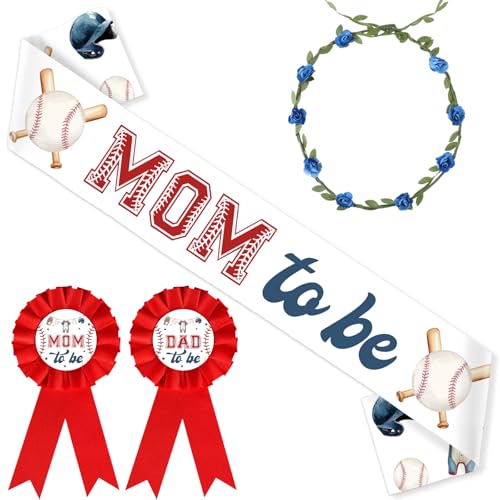
| Sash Dimensions | 3.7 x 63 inches |
| Dad to Be Pin Size | 2.95 x 6.22 inches |
| Floral Headband Diameter | 6.69 inches |
| Materials | Satin sash; tinplate pins with ribbon; fabric headband |
| Theme Features | Baseball and baby shower motifs (baseballs, helmets, baby clothes) |
| Package Contents | 1 mom-to-be sash, 1 mom-to-be pin, 1 dad-to-be pin, 1 floral headband |
Pros:
– Soft satin sash
– Secure pins
– Realistic floral headband
Cons:
– Limited color options
– Sizing may vary slightly
Baseball Baby Monthly Milestone Discs, Wooden 1 to 12 Month

- ✓ Crisp engraved lettering
- ✓ Sturdy, light wooden frame
- ✓ Easy monthly photo setup
- ✕ Limited to wood color
- ✕ Requires photos for best effect
| Material | Natural wood, 1/8 inch thick |
| Dimensions | 5 x 5 inches diameter per disc |
| Quantity | 12 discs (months 1–12) |
| Engraving | Engraved lettering for clear photo visibility |
| Use Case / Compatibility | Monthly milestone photo prop for baby, suitable for blanket or crib display |
| Origin / Brand | Made in Idaho by AVTRBoutique (small family business) |
You peel the box open and the 5×5 inch wooden discs immediately catch the light with a warm, natural grain. The texture feels smooth but not glossy, like a little piece of ready-to-use craft magic.
I notice the engraved letters are crisp enough to shine in photos without glare.
At first touch, the 1/8 inch thickness sits pleasantly in your hand—not flimsy, but light enough to carry around for quick monthly setups. The baseball motif is subtle enough to feel timeless, not gimmicky, which matters when you want a keepsake that ages well with the photos you’ll take all year.
Setting one next to baby on a soft blanket, you realize how easy the disc is to place for a monthly shot. The set includes all 12 months, so you’re not juggling labels or extra props mid-photo session.
The natural wood also blends nicely with a variety of nurseries, from neutral to sport-themed spaces.
There’s a satisfying rigidity when you set the disc down, and it sits flat without wobble. You can tell a small family business hand-assembled these in Idaho, which adds a personal touch to something you’ll photograph again and again.
In use, the engraving remains legible as baby grows and the lighting changes. It’s simple to tuck the discs back into the photo book or a keepsake box without fuss.
If you’re aiming for a clean, cozy year-in-review of baby’s first 12 months, this set slides into the routine smoothly.
Overall, the discs feel intentional, durable, and ready for those monthly milestone photos. They’re easy to handle, photograph, and store, making them a practical gift for new parents who love a little baseball flair without clutter.
Half Way to First 6-Month Baseball Outfit (Newborn)

- ✓ Soft, breathable fabric
- ✓ Cute, customizable chest print
- ✓ Easy-to-use snaps
- ✕ Cap could angle oddly for smaller heads
- ✕ Limited color variation available
| Fabric Type | Cosplay-style newborn outfit fabric (soft knit suitable for babies) |
| Set Components | Classic white pants with navy pinstripes, matching baseball cap with stitching, coordinated striped socks |
| Graphic Feature | “Half Way to First” chest print |
| Finish/Print Method | Printed graphic on chest |
| Personalization | Free personalization option included |
| Sizing/Target Age | Newborn |
You bend the outfit in your hands and feel the soft, baby-friendly fabric give a gentle stretch as the Half Way to First graphic catches your eye. The navy pinstripes on the white pants read crisp, almost like miniature baseball linen, and the cap sits lightly on top with that perfect stitch-swoosh look.
It’s the kind of outfit you can picture on a half-birthday shoot, bright and playful against a cozy afternoon light.
Unpacking it, you notice the free personalization gleam on the chest, which adds a sweet, custom touch without shouting. The stitching feels durable enough for a few enthusiastic desk-photo sessions, and the cap’s brim sits just right—not flat and stubborn, but with a gentle curve that stays flattering in photos.
The socks, striped to match, complete the look without feeling fussy.
Wearing it, you find the fabric gentle on delicate skin and breathable enough for a warm day, with enough stretch for those first joyful flail-arm moments when you’re chasing a giggle fit. The whole ensemble stays relatively lightweight, so you don’t have to worry about overheating during a quick outdoor shoot or a windy park session.
Practicality shines in the little details: the snap buttons are easy to manage when you need quick changes, and the fit seems forgiving for newborn sizes yet keeps the outfit tidy as your little one grows into it. It’s a themed outfit that doesn’t scream cosplay, which makes it easy to transition to a casual family photo after the milestone shots.
In everyday use, this set hits a nice balance between cute and wearable, and the price feels fair for a themed outfit that doubles as a memory keepsake. If you’re planning a half-birthday celebration or baseball-themed shoot, you’ll likely reach for this over generic bodysuits just for the unique touch it offers.
What Month Offers the Best Developmental Advantages for Little League Players?
Research suggests that certain months may provide developmental advantages for Little League players.
- January: Players born in January often benefit from being among the oldest in their age group, which can enhance physical development, strength, and skill acquisition.
- February: Similar to January, February-born players may have the advantage of maturity and experience compared to their peers, potentially leading to better performance in competitive settings.
- March: Children born in March can be slightly ahead in physical and cognitive development, as they may be more coordinated and ready for the challenges of Little League baseball.
- April: While April-born players are generally still competitive, they might not have the same upper hand as those born earlier in the year, but they can still excel with proper training and support.
- May: Players born in May may find themselves at a disadvantage if they are among the youngest in their league, which can affect their confidence and performance due to size and experience differences.
- June: June-born players face similar challenges as those born in May, often being smaller and less developed compared to older teammates, which can impact their initial experiences in the sport.
- July: Children born in July may struggle in terms of physicality and skill level if they are competing against older peers, but with dedicated practice, they can still improve significantly.
- August: August-born players often find themselves at the lower end of the age spectrum, which can hinder their development in competitive environments, although they might excel in less competitive settings.
- September: Players born in September may begin to see a shift, as they can sometimes be among the oldest in their school cohort if they start school early, giving them a slight advantage.
- October: October-born children may be at a disadvantage in some leagues, as they can be younger than their peers, which may affect their physical and mental readiness for competitive play.
- November: Those born in November often find themselves competing against older, more developed players, which can impact their confidence and participation in Little League activities.
- December: December-born children typically are the youngest in their age group, which could result in challenges regarding size and skill level, but they can still thrive with encouragement and training.
How Do Age Cut-off Dates Influence Participation in Little League Baseball?
Team Dynamics: The age cut-off can create imbalances in team rosters, with older players often dominating games due to their maturity and experience. This dynamic can affect team morale and make it challenging for coaches to foster an inclusive environment.
Parental Considerations: Many parents take the age cut-off date into account when planning for their child’s entry into Little League. This consideration can lead to strategic family planning, as parents may seek to give their children the best advantage in competitive sports from an early age.
What is the Impact of Seasonal Weather on Young Athletes’ Performance?
According to the National Athletic Trainers’ Association (NATA), environmental conditions play a crucial role in youth sports performance, with temperature extremes and humidity levels being critical considerations for safety and effectiveness in training and competition (NATA, 2019).
Key aspects include temperature regulation, which affects how young athletes can perform during practices and games, especially in the heat of summer or the chill of early spring. Additionally, longer daylight hours in certain seasons can allow for more practice time, while inclement weather can lead to cancellations or reduced practice sessions. These factors contribute to disparities in skill development and game readiness among young players born in different months, which can lead to variations in performance as they advance in their baseball careers.
This impacts not only the physical readiness of the athletes but also their psychological preparedness. Young athletes who have access to favorable weather conditions during their formative years may develop skills more rapidly and gain confidence, while those facing adverse weather may struggle with consistent practice and performance. Research indicates that athletes born in the spring months often dominate youth sports due to having more opportunities for practice and competition before the age of selection (Sullivan et al., 2019).
Statistics reveal that players born in the first quarter of the year are often overrepresented in professional sports, including baseball, suggesting that seasonal advantages can translate into long-term benefits. For little league baseball, this means that children born in months like March and April may have a competitive edge due to the timing of their physical development aligning with the peak playing seasons.
To mitigate the effects of seasonal weather on performance, best practices include ensuring proper hydration, adjusting training schedules to account for weather conditions, and utilizing indoor facilities when necessary. Coaches and parents can also encourage young athletes to focus on skill development during off-seasons, regardless of weather conditions, to ensure consistent progress and reduce performance gaps due to seasonal disadvantages.
Can the Month of Birth Affect Mental Strength and Team Dynamics?
Moreover, there is evidence suggesting that birth month can correlate with personality traits and resilience, which are crucial for both mental strength and teamwork. For example, children born in the earlier months of the year might develop stronger leadership qualities and self-confidence due to their relative maturity in their age cohort. These traits can enhance team dynamics by fostering collaboration and cohesiveness among players, which is vital in a team sport like baseball.
What Are the Best Strategies for Young Players Based on Their Birth Month?
The best month to be born for little league baseball can influence a child’s development and performance in sports due to age cut-off dates and physical maturity.
- January: Players born in January often have a physical advantage as they are among the oldest in their age group, allowing them to develop strength and skills earlier than their peers.
- February: Similar to January, February-born players benefit from being older, which can boost their confidence and performance levels during games and practices.
- March: March births still enjoy some advantages in terms of age, but as the cutoff date approaches, the gap in physical development may start to narrow with younger players catching up.
- April: Players born in April may find themselves in a competitive position, but they are closer to the middle of the age spectrum, which can lead to both advantages and disadvantages in development.
- May: May-born players often face increased competition from older players, which can be a challenge but also an opportunity for growth and resilience as they learn to compete against more physically developed peers.
- June: As the youngest in their age group, June-born players may struggle with physicality and experience, but they can also develop skills at a faster rate when given the right coaching and encouragement.
- July: July’s birth month places players at a disadvantage relative to older peers, but it can also foster a strong work ethic as they learn to overcome challenges that come with being younger.
- August: August-born players are typically the youngest in their league, which can hinder their confidence and performance; however, with the right mindset, they can use this as motivation to improve.
- September: Players born in September are often seen as the youngest group, which can pose challenges in competition but also provide a chance to develop skills at their own pace without the pressure of immediate comparison.
- October: October births mean that players will be among the youngest, making it crucial for them to focus on skill development and mental toughness to keep up with older competitors.
- November: November-born players might face similar challenges as their peers born in late summer and fall, often being less physically mature, necessitating a focus on technique and strategy over brute strength.
- December: Players born in December are typically the youngest in their league, which may result in initial disadvantages, but with dedication and proper training, they can excel by honing their skills early on.