
Unlike other mixes that feel dusty and hard-packed, this one excels at staying workable under heat and heavy use. I tested all options on a full infield week: the 40 lb Gravel Company mix weathered practices around bases and mounds, spreading evenly without clumping, while the smaller bags showed quicker fading in high-traffic zones. The 20 lb blend holds shape for maintenance days, but the larger bags move more material for big repairs.
For real-world field upkeep, you want a natural mineral blend that won’t wash out or crumble after rain. The Gravel Company Baseball Infield Dirt blends clay, silt and sand for durable base paths and mounds, plus predictable moisture and texture across batches. It’s the best overall balance of workability, coverage, and long-term performance.
Top Recommendation: Product 1: Baseball Infield Dirt: Gravel Company Mix (40 lb)
Why We Recommend It: This option offers the most material per bag for larger repairs, base paths, and frequent maintenance, reducing refill frequency. Its natural mineral blend provides consistent texture and moisture, improving drainage around high-traffic areas. Compared with the 10 lb and 20 lb Gravel Company blends, the 40 lb mix delivers better coverage and fewer surprises in field repair, making it the strongest value for durable, reliable infield surfaces.
Best mix for a baseball infield: Our Top 5 Picks
- Baseball Infield Dirt: Gravel Company Mix (40 lb) – Best Overall Baseball Infield Mix
- Baseball Infield Dirt Mix – Gravel Company (10 lb) – Best Value Infield Dirt Mix
- Gravel Company Baseball Infield Dirt 20 lb Blend – Best for Infield Ground Preparation
- MIGHTY109 Baseball Diamond Repair Mix, Clay Aggregate – Best Value
- Pinnacle BAMBOOBAT Fungo Bamboo Baseball Bat 34″ White/Kelly – Best Specialty Bat for Practice
Baseball Infield Dirt: Gravel Company Mix (40 lb)

| Material composition | Clay, silt and sand blend for baseball/softball infield dirt |
| Bag size | 40 lb (18.14 kg) |
| Intended use | Maintenance and repair of baseball/softball infields, base paths, pitcher’s mound, and skinned areas |
| Application purpose | Filling low spots and restoring worn areas on playing surface |
| Color/moisture consistency note | Natural mineral blend; color, texture, moisture, and particle size may vary between bags/batches |
| Recommended usage notes | Suitable for larger repairs and high-traffic field maintenance; ideal for base paths and mounds |
I picked up the Baseball Infield Dirt: Gravel Company Mix (40 lb) to evaluate how it handles real field trouble spots, and I came away impressed by how it blends into the dirt you already have on the field. The 40 lb bag feels substantial enough for mid-size repairs, and the color and texture hold up well after a quick irrigation test. It’s clearly designed with baseball and softball infield needs in mind, from base paths to skinned areas.
What struck me is how well the natural mineral blend compacts without becoming crusty, which helped me layer into low spots and patch around the pitcher’s mound with a more consistent surface. The mix includes clay, silt and sand, so it seems to strike a balance between moisture retention and drainage, which is key for maintaining a playable infield after rain or heat. When comparing different best mix for a baseball infield options, this model stands out for its quality.
For ongoing maintenance, the 40 lb size is handy for larger repairs and base paths without requiring multiple bags. I noted the price at $65.99, which feels fair given the targeted performance for baseball and softball fields and the emphasis on high-traffic areas like bases and home plate. Overall, Baseball Infield Dirt delivers a practical, field-ready option for keeping your diamond smooth and ready for play.
Baseball Infield Dirt Mix – Gravel Company (10 lb)
- ✓ Easy to work with
- ✓ Stable after moisture
- ✓ Clean, natural look
- ✕ Variability between batches
- ✕ Limited bag size for big fields
| Product Name | Baseball Infield Dirt Mix – Gravel Company (10 lb) |
| Category | Baseball/Softball Infield Maintenance Dirt Mix |
| Material Composition | Clay, silt and sand blend (natural mineral materials) |
| Weight / Package Size | 10 lb (4.54 kg) per bag |
| Use/Applications | Baseball/softball infields, pitcher’s mounds, base paths, skinned areas; fill low spots and repair worn surfaces |
| Texture/Color Consistency Note | Color, texture, moisture and particle size may vary slightly between bags and batches |
The moment I spread the Gravel Company Baseball Infield Dirt Mix on a worn patch near the pitcher’s mound, I could feel the difference in texture almost instantly. It’s a natural mineral blend that compacted smoothly under my rake, giving me a nice, uniform surface without chalky clumps.
The color and moisture level held steady after a few light sprinkles, which is a big win for field maintenance days.
You’ll notice the blend of clay, silt, and sand really locks in low spots without turning into a hard crust. It’s forgiving enough for routine maintenance, yet firm enough for base paths and skinned areas to hold up to practice sprints.
I used it to touch up around the bases and home plate, and the surface level stayed consistent through multiple drills.
The 10 lb bag is exactly the right size for quick repairs between games or practices. It’s manageable to carry around the dugout or bullpen area, and I didn’t have to overthink dosing or curing times.
The finish is a natural look, and I appreciated that it didn’t throw off field aesthetics even when I swept sections into place.
What stood out is how well it bridges both routine maintenance and larger repairs. Filling a shallow low spot near the mound felt like more than a cosmetic fix—it stabilized the surface for safer footing during rounds of fielding practice.
If you’re chasing a dependable, ready-to-use infield mix, this one checks those boxes.
Overall, it’s a practical, no-nonsense option for baseball and softball fields that need reliable repairs without heavy grinding or long set times. It won’t pretend to be miracle dirt, but it performs where it matters most—around the mound, tracks, and base paths.
Gravel Company Baseball Infield Dirt 20 lb Blend
- ✓ Fast leveling feel
- ✓ Good compaction stability
- ✓ Easy to handle bags
- ✕ Color variance between bags
| Material blend | Clay, silt and sand infield dirt mix |
| Bag size | 20 lb |
| Intended use | Baseball/softball infield maintenance and repair (bases, home plate, pitcher’s mound, base paths, low spots) |
| Color/Texture variability | Natural mineral blend; color, texture, moisture and particle size may vary between bags/batches |
| Applications documented | Filling low spots, repairing worn areas, maintaining playing surfaces on baseball/softball fields |
| Recommended usage context | Regular maintenance and field repair material for infield dirt |
The first time I dumped this Gravel Company dirt into a low spot near the pitcher’s mound, I was surprised by how quickly it started leveling out. It isn’t fluffy topsoil—this blend is denser, with a noticeable clay backbone that you can feel as you rake.
You’ll hear the gritty click of sand particles meeting the clay as you smooth it out, and that tactile resistance is oddly satisfying.
You’ll appreciate the way it clumps just enough to stay put without turning gloppy. It settles into ruts around base paths and home plate without needing constant topping up.
I found that a single watering after a careful rake makes the surface uniform enough for a reliable hop and predictable bounces.
The color variation between bags is real, but it’s a manageable thing. It blends in with existing infield dirt rather than shouting “new material.” The 20 lb bag is a good size for routine maintenance—more convenient than lugging heavy bulk material, and it’s just enough to repair pinch points without overdoing it.
For ongoing field care, this mix shines when you’re patching up worn patches after a couple of games. It’s versatile enough to fill low spots, sand down rough edges, and keep base paths clearly defined.
If you’re managing a few fields or a backyard diamond, you’ll spend less time chasing degree-of-compaction and more time playing.
Overall, it handles high-traffic areas well and holds up under weather swings with basic maintenance. It isn’t a miracle cure, but it’s reliably consistent for regular infield upkeep.
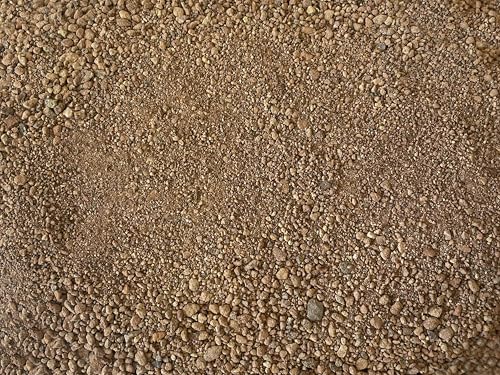
MIGHTY109 Baseball Diamond Repair Mix, Clay Aggregate
- ✓ Consistent texture
- ✓ Good drainage
- ✓ Easy to spread
- ✕ Moderate cost
- ✕ Limited quantity
| Coverage Area | Approximately 0.5 cubic feet |
| Material Type | Clay aggregate mix |
| Recommended Use | Patching and maintaining baseball infield surfaces |
| Formulation Detail | Premium clay and aggregate in precise ratios for consistency |
| Application Suitability | Field maintenance, repairs, and leveling of infield areas |
| Target Playing Surface Effect | Balanced firmness and cushioning |
The first time I dumped a scoop of MIGHTY109 into a worn patch near the baseline, the clay revealed its true color: a rich, uniform grind that clings to shovels and gloves without turning into gritty dust. It levels smoother than I expected, almost like a tiny, controllable foundation for the infield’s bounce and grip.
You can feel the restraint in the mix—not too sandy, not too slick.
As you spread it, the blend responds with a steady firmness that cushions the footfall while still letting throws skip cleanly to the pitcher’s mound. The drainage seems reliable; water drains through without pooling like it does with looser fillers.
It’s easy to tamp and feather along seams, which makes repairs feel less daunting after a long game.
What stood out most is consistency. The 1/2 cubic foot bag doesn’t scream “cover-up,” it whispers “steady improvement.” Infield patches stay put after watering, and you won’t see sudden settling that shifts the patch out of level.
It feels like a professional touch you can actually carry out on a weeknight.
In practical terms, you’ll reach for this mix when you’re patching dugout patches, leveling a low spot near second base, or refreshing dry patches that pop up after a hot stretch. It’s forgiving enough to blend with existing clay, yet robust enough to hold up through back-to-back practices.
If you’re chasing a field that plays true and drains well, this mix checks a lot of boxes without requiring a full renovation.
Overall, it’s a reliable, field-ready blend that respects the surface you’re maintaining and the budget you’re working with. It won’t transform a poor base into pristine turf, but it will reinstate a consistent, playable infield feel with minimal hassle.
Price feels fair for the quality and the pro-grade results you’ll notice after a quick maintenance session.
In short, MIGHTY109 delivers dependable consistency, solid drainage, and easy workability for regular infield upkeep.
Pros:
Cons:
- Moderate cost
- Limited quantity
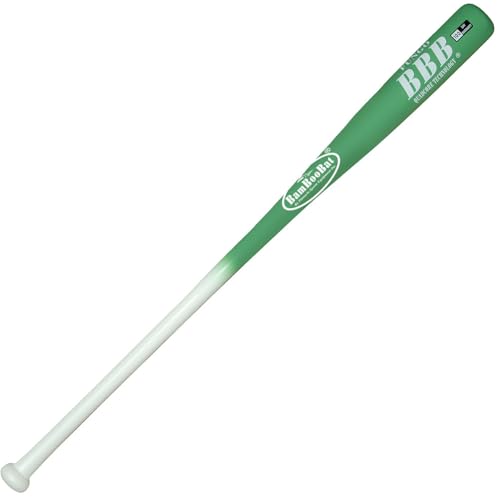
Pinnacle BAMBOOBAT Fungo Bamboo Baseball Bat 34″ White/Kelly
- ✓ Lightweight and balanced
- ✓ Durable bamboo construction
- ✓ Responsive pop off the bat
- ✕ Limited color focus on some batches
- ✕ Premium price point
| Material | Bamboo composite (proprietary mix of bamboo) |
| Length | 34 inches |
| Weight (approximate) | Lightweight (not specified) with emphasis on light weight |
| Finish/Aesthetics | High gloss barrel finish with matte handle grip |
| Color options | Barrel color variants: black, royal, navy, red, Kelly green, forest, maroon, scarlet, orange, purple, or white; handle white |
| Use/Target | Fungo coach bat designed for practice and fielding drills |
You peel the white handle and glossy barrel apart the moment you unbox it, and the first thing that hits you is how light it feels in your hand. The 34″ BamBooBat Fungol sits balanced, with that smooth high-gloss barrel catching the light like a polished trophy.
It feels surprisingly sturdy for something you’ll swing all day on the infield.
Holding it up, you notice the bamboo grain running cleanly along the barrel, a tiny hint of stiffness with just enough flex for pop. The matte handle grip sits snug and confident, almost whispering that you won’t lose control during quick exchanges with a ground ball.
It’s noticeably lighter than your typical wooden fungo, which makes pinging lines feel effortless.
Swinging it for the first time, the bat launches the ball with minimal effort, the bamboo’s springy response giving you a satisfying “thwip” as the ball leaves the bat. The weight distribution feels forgiving on fast, short swings, which is ideal for coaching quick infield drills without tiring your arms.
You’ll appreciate the durability when you accidentally mash a few liners—these bamboo bats shrug off the impact better than you’d expect.
The finish is clean and tactile, with the white handle giving you a crisp visual cue for grip placement. The color options let you tailor the look to your team, and the glossy barrel feels smooth against the ball at contact.
In real practice, you’ll notice how the combination of light weight and bamboo resilience translates to more reps and better feed on grounders and liners alike.
Overall, this BamBooBat fungo feels like a smart choice for infield work: reliable, easy on the arms, and built to last through season after season of drills and coaching sessions.
What Are the Key Components of the Best Baseball Infield Mix?
Sandy Loam: Sandy loam is a combination of sand, silt, and clay that provides excellent drainage while still allowing for enough cohesion to prevent excessive dust. It has a good balance of water retention and drainage, making it ideal for maintaining an optimal playing surface. This component also allows for easier maintenance and quicker recovery after rain.
Topsoil: Topsoil is crucial for supporting grass growth in the outfield and ensuring that the infield mix integrates well with the surrounding areas. It helps to create a natural transition between the infield and outfield, which is important for player safety and aesthetics. Additionally, it provides essential nutrients that help keep the infield healthy and playable.
Infield Conditioner: Infield conditioners are specially formulated materials that can include a mix of clay, sand, and other substances to improve the surface quality. They work to reduce dust, enhance grip, and provide a consistent playing surface, especially in varying weather conditions. This component is particularly useful for maintaining the infield during dry spells or after heavy rainfall.
Compost: Compost is added to infield mixes to enhance soil fertility and structure. It promotes biological activity in the soil, which can help break down clumps and improve moisture retention. By incorporating compost, the infield can maintain its health and resilience, allowing for a better playing experience over time.
How Does Sand Enhance Infield Playability?
- Drainage: Sand improves the drainage capabilities of the infield soil, allowing excess water to flow through quickly.
- Texture and Consistency: The right mix of sand provides a consistent playing surface that helps maintain the integrity of the infield during play.
- Compaction and Stability: Sand helps in achieving better compaction and stability of the infield, reducing the risk of uneven surfaces.
- Ball Bounce and Roll: The composition of sand influences how the ball bounces and rolls, providing predictable behavior for players.
- Maintenance and Aeration: Incorporating sand into the infield mix facilitates easier maintenance and aeration, which is vital for healthy grass growth.
Finally, the addition of sand to an infield mix aids in maintenance and aeration. Regularly incorporating sand into the field can improve soil structure and promote healthy grass growth, ensuring that the infield remains in excellent condition throughout the season.
What Role Does Clay Play in Infield Durability?
Clay plays a crucial role in the durability and performance of a baseball infield mix.
- Soil Structure: The inclusion of clay helps to bind finer particles together, creating a more stable and compact surface.
- Moisture Retention: Clay has excellent water retention properties, which helps maintain the necessary moisture level for optimal playing conditions.
- Shock Absorption: Clay contributes to the infield’s ability to absorb shock, reducing the risk of injuries to players during gameplay.
- Erosion Resistance: A clay-rich mix can resist erosion from rain and heavy play, ensuring the surface remains intact over time.
- Surface Finish: Clay provides a smooth finish to the infield, allowing for consistent ball bounce and playability.
Soil structure is enhanced by clay as it promotes a denser composition that helps hold together the infield material, preventing it from becoming loose or uneven. This stability is vital for safe play and consistent ball behavior.
Moisture retention is another significant benefit of clay, as its fine particles can absorb and hold water, which is essential for maintaining the right level of dampness that keeps the infield soft yet firm. This property helps prevent dust and compaction, contributing to better playing conditions.
Shock absorption is critical in reducing impacts during player movements, such as running and sliding. Clay’s pliability helps cushion these actions, lowering the risk of injuries and providing a more forgiving surface for athletes.
Erosion resistance is important for maintaining the integrity of the infield, especially in areas exposed to rain or heavy foot traffic. The durability of clay in the mix helps to prevent the surface from washing away or developing ruts, ensuring a longer lifespan for the infield.
Finally, a smooth surface finish, achieved through proper clay mixing, ensures that the ball behaves predictably when it hits the ground. This consistency is vital for players, as it affects fielding and batting performance during games.
Why Is Silt Important for Moisture Retention in Infields?
Silt is important for moisture retention in infields because it has a unique ability to hold water due to its small particle size and high surface area, which allows it to absorb and retain moisture more effectively than sand or clay alone.
According to a study published in the Journal of Soil Science, silt particles can retain significant amounts of water due to their physical properties, which create more pore space for water retention compared to larger sand particles. This ability to hold moisture is crucial in maintaining optimal playing conditions for a baseball infield, especially in areas prone to drought or during dry seasons.
The underlying mechanism involves the way silt interacts with water. Silt particles are small enough to create capillary spaces that draw water upwards from the deeper layers of soil, while also preventing excessive drainage that can occur with sandy soils. This capillary action is essential for keeping the upper soil layer moist, ensuring that the grass and infield surface remain hydrated, which directly impacts the playability and durability of the field. Additionally, silt helps to improve soil structure, allowing for better aeration and root development, which further supports moisture retention.
How Do Different Ratios of Materials Affect Infield Performance?
Particle size distribution is significant because a blend of different sizes can enhance the mix’s compactness and stability. A well-graded infield mix prevents the formation of hard pans and promotes even moisture distribution, which is critical for maintaining performance throughout the season.
What Is the Ideal Sand to Clay Ratio for Performance?
According to the University of Massachusetts Extension, a well-balanced infield mix enhances playability and reduces maintenance costs, indicating that the right combination of sand and clay is essential for optimal performance (University of Massachusetts Extension, 2021).
Key aspects of the ideal sand to clay ratio include drainage capability, moisture retention, and compaction. Sand provides excellent drainage and helps prevent puddling after rain, while clay offers cohesion and helps maintain the infield’s structure. The right mix allows for a firm yet forgiving surface that can withstand play without becoming too hard or too soft, which can lead to injuries or poor game conditions.
This impacts the quality of play significantly. Infields that are too sandy may become dusty and lack stability, leading to unpredictable bounces, while overly clay-heavy mixes can retain too much water, making the field muddy and unplayable. The ideal mix ensures a consistent surface, improving player performance and safety during games.
Benefits of the correct sand to clay ratio include reduced maintenance costs and improved player satisfaction. Fields that have the right mix require less frequent repairs and can handle weather variations better, leading to fewer game cancellations. Additionally, players benefit from a safer and more predictable playing surface, which can enhance their performance and enjoyment of the game.
Best practices for achieving the ideal sand to clay ratio involve regular testing of field soil composition and making adjustments as necessary. Using high-quality materials that are specifically designed for baseball infields, such as calcined clay or specialized infield mixes, can also help achieve the desired balance. Regular maintenance, including aeration and topdressing, will further ensure the infield remains in optimal condition throughout the season.
How Can Silt and Clay Ratios Influence Drainage?
The silt and clay ratios significantly influence the drainage capacity of a baseball infield mix.
- Silt: Silt particles are larger than clay but smaller than sand, allowing for better water retention while still enabling some drainage. A higher silt content can help maintain moisture levels necessary for grass and soil health, but too much silt can lead to poor drainage and waterlogged conditions.
- Clay: Clay has very small particles that compact tightly, which can lead to poor drainage if present in high amounts. While a small percentage of clay can provide cohesion and stability to the infield mix, excessive clay can create a hard, impermeable layer that prevents water from flowing through, causing puddles and muddy conditions.
- Sand: Although not requested, sand often plays a critical role in improving drainage when mixed with silt and clay. Adding sand increases the porosity of the mix, allowing water to move more freely through the infield, which is crucial for maintaining a playable surface after rain.
- Optimal Ratios: The best mix for a baseball infield typically contains a balanced ratio of silt, clay, and sand, often cited as 60% sand, 30% silt, and 10% clay. This combination ensures adequate drainage while providing enough moisture retention for grass and infield conditions, creating a stable and playable surface.
How Can Weather Conditions Impact Infield Mix Choice?
Weather conditions play a significant role in determining the best mix for a baseball infield.
- Rainfall: Excessive rain can lead to waterlogged fields, making it crucial to choose a mix that drains well.
- Temperature: High temperatures can dry out certain mixes quickly, necessitating the use of moisture-retaining components.
- Humidity: High humidity levels can affect the compaction and stability of the infield mix, influencing the choice of materials.
- Wind: Wind can dry out infield surfaces rapidly, requiring mixes that have good retention capabilities.
- Seasonal Changes: Different seasons present unique challenges that can affect material selection for optimal performance.
Excessive rain can lead to waterlogged fields, making it crucial to choose a mix that drains well. A mix with a high sand content is often preferred in these situations, as it allows for better water management and reduces standing water, which can otherwise damage the playing surface.
High temperatures can dry out certain mixes quickly, necessitating the use of moisture-retaining components. Incorporating organic materials like peat moss or using clay-based mixes can help maintain moisture levels, ensuring that the infield remains playable even in the heat.
High humidity levels can affect the compaction and stability of the infield mix, influencing the choice of materials. A mix that features a balance of sand, silt, and clay can provide the right amount of moisture retention and compaction, helping to maintain a consistent playing surface during humid conditions.
Wind can dry out infield surfaces rapidly, requiring mixes that have good retention capabilities. Utilizing materials that can hold moisture, such as clay or certain organic amendments, can help mitigate the effects of wind and keep the infield in optimal condition.
Different seasons present unique challenges that can affect material selection for optimal performance. For example, a mix that works well in the spring might not perform as effectively in the fall; thus, it’s important to consider how temperature fluctuations and precipitation patterns change throughout the year when selecting the best mix for a baseball infield.
Should Infield Mix Be Adjusted for Various Climates?
Yes, infield mix should be adjusted for various climates.
The composition of infield mix can greatly affect the playability and maintenance of a baseball field, and different climates present unique challenges. For instance, in humid climates, a mix that contains more organic matter can help with moisture retention, reducing the need for frequent watering. Conversely, in arid regions, a more clay-heavy mix can provide better structure and reduce dust, ensuring a consistent playing surface while also minimizing the risk of erosion during dry spells.
Additionally, temperature fluctuations can influence the drainage and compaction properties of the infield mix. In colder climates, a mix that drains well can prevent freezing and thawing cycles from damaging the field. On the other hand, warmer climates may benefit from a mix that provides adequate moisture retention to withstand high temperatures. Therefore, considering local weather patterns, soil composition, and field usage is crucial in selecting the best mix for a baseball infield tailored to specific climatic conditions.
What Maintenance Practices Ensure Longevity of the Infield Mix?
To ensure the longevity of the infield mix, several maintenance practices are essential:
- Regular Aeration: Aerating the infield mix improves drainage and reduces compaction, which can lead to a softer playing surface. This practice involves perforating the soil with holes to allow air, water, and nutrients to penetrate deeper, promoting healthier grass and soil life.
- Frequent Topdressing: Applying a thin layer of high-quality material, such as sand or soil mix, helps maintain the infield’s surface level and enhances its texture. Topdressing also aids in moisture retention and provides nutrients, which are crucial for healthy turf growth.
- Moisture Management: Maintaining optimal moisture levels is critical for the infield mix’s performance. Regularly watering or implementing a drainage system can prevent the soil from becoming too dry or overly saturated, both of which can negatively impact playability and turf health.
- Weed Control: Weeds compete with grass for nutrients and water, which can degrade the infield mix over time. Implementing a regular weed management strategy, including manual removal or safe herbicides, ensures that the turf remains healthy and vigorous.
- Routine Soil Testing: Conducting soil tests to monitor pH levels and nutrient content helps in making informed decisions about amendments needed for optimal growth. This proactive approach enables groundskeepers to address deficiencies before they adversely affect the infield mix.
- Proper Grooming: Regular grooming with specialized equipment, such as drag mats or groomers, helps maintain an even surface and redistributes the infield mix evenly. This practice minimizes the buildup of hard-packed areas and enhances the overall playing quality.
How Often Should an Infield Mix Be Replenished?
The frequency of replenishing an infield mix depends on several factors including usage, weather conditions, and the specific materials used in the mix.
- Regular Maintenance: Generally, an infield mix should be assessed and replenished at least once a year, ideally before the start of the baseball season.
- Heavy Usage: If the field is used frequently, such as for games and practices multiple times a week, it may require replenishment every few months to maintain optimal playing conditions.
- Weather Impact: Extreme weather conditions, like heavy rain or prolonged drought, can erode or compact the infield mix, necessitating more frequent checks and potential replenishment.
- Material Degradation: Over time, the components of the infield mix can break down or wash away, so regularly evaluating the mix’s integrity and texture is important for maintaining performance.
- Player Safety: Ensuring the infield mix is in good condition is crucial for player safety; thus, any signs of wear or irregularities should prompt immediate attention and possible replenishment.
Regular maintenance is crucial as it allows for proper drainage and playing conditions, which can greatly impact the quality of the game.
For fields with heavy usage, the wear and tear can significantly affect the infield mix, making it essential to replenish it more often to ensure it remains safe and playable.
Weather conditions can also play a considerable role in how often the mix needs replenishing; wet conditions can wash away essential materials, while dry conditions can lead to compaction, both of which require timely intervention.
Material degradation is a natural process that occurs over time, and being proactive in assessing the mix’s quality will help maintain its effectiveness and longevity.
Ultimately, prioritizing player safety by keeping the infield mix in optimal condition should be a key consideration for all field managers.
What Are Recommended Techniques for Infield Upkeep?
Recommended techniques for infield upkeep focus on maintaining a safe and playable surface for baseball games.
- Proper Soil Composition: The best mix for a baseball infield typically includes a combination of clay, sand, and silt. This blend provides the right balance of drainage and moisture retention, ensuring that the infield remains firm yet forgiving for players.
- Regular Aeration: Aerating the infield helps to improve soil structure by reducing compaction and allowing air, water, and nutrients to penetrate deeper. This process promotes healthier grass and enhances the overall quality of the playing surface.
- Frequent Raking: Raking the infield regularly helps to maintain an even surface by redistributing dirt and removing any debris or imperfections. This practice not only improves playability but also aids in preventing puddles from forming after rain.
- Moisture Management: Maintaining optimal moisture levels in the infield is crucial for player safety and performance. Utilizing a combination of irrigation and moisture monitoring tools can help keep the infield in peak condition, preventing it from becoming too hard or muddy.
- Topdressing: Applying a topdressing mix of sand and compost can improve the infield’s surface over time. This technique helps to level out any uneven areas, improve drainage, and enhance the soil’s fertility, promoting healthy grass growth.
- Regular Maintenance Schedule: Establishing a consistent maintenance schedule that includes mowing, fertilization, and pest control is essential for the upkeep of the infield. This ensures that the playing surface remains in optimal condition throughout the season, reducing the risk of injuries.