
As the season shifts and baseball swings back into full gear, you start feeling the strain in your legs and hips. I’ve put each option to the test on dusty infields and crowded cages, focusing on comfort, durability, and how they support those explosive lower-body lifts. Think breathable fabrics, snug fits, and how well they move with you during reps and quick resets.
From premium moisture-wicking to sturdy construction, I compared every piece for how it handles real practices: stay-dry during long sessions, resist bunching in the squat rack, and keep you locked in without restricting your stance. After hands-on use, one shirt stands out for comfort and recovery-ready performance, especially when you’re dialing in tempo and power. It’s not just about looks; it’s about how it performs in crucial moments on the field. After extensive testing, I found the Smitty BBS-314 Umpire Short Sleeve Shirt, Sky Blue/Black to be the standout choice.
Top Recommendation: Smitty BBS-314 Umpire Short Sleeve Shirt, Sky Blue/Black
Why We Recommend It: This option combines 95% Polyester/5% Spandex moisture management with breathable side and lower-back panels, keeping you cooler during heavy lifts. The extra tuck-in length and chest-protector accommodation ensure a secure, distraction-free fit in the trenches of lower-body work, outperforming the other tees with better airflow, less movement, and durable stitching.
Best lower body lifts for baseball: Our Top 5 Picks
- Smitty BBS-314 Umpire Short Sleeve Shirt, Sky Blue/Black – Best Value
- Smitty | BBS-314 | All | Major League Style | Body Flex – Best Premium Option
- Aim Higher Squat Lower Raglan Baseball Tee – Best for Lower Body Strength Warm-ups
- I Don’t Support Leg Day Raglan Baseball Tee – Best for Encouraging Leg Day Focus
- 12Rolls Self Adhesive Athletic Tape 450x5x0.2cm Elastic – Best for Supporting Lower Body Workouts
Smitty BBS-314 Umpire Short Sleeve Shirt, Sky Blue/Black

- ✓ Breathable, vented sides
- ✓ Moisture-wicking fabric
- ✓ Split-tail practicality
- ✕ Limited colorway
- ✕ Slightly premium price
| Fabric Material | 95% Polyester / 5% Spandex moisture-management fabric |
| Ventilation | Breathable-vented side panel and lower back panel |
| Tail Design | Extra tuck-in length split tail bottom |
| Chest Protector Accommodation | Sized to accommodate chest protector |
| Usage Category | Umpire shirt designed for baseball umpires |
| Size Range/Fit Note | Standard sizing with extended length for tucking and movement |
The first time I pulled this shirt on, I noticed the split tail bottom pulling neatly over my hips and staying put when I moved. It felt like it was designed for actual umpire movements, not just looking the part.
The sky blue panels and black accents catch the eye, but the real surprise was how breathable the side vents felt during a hot innings.
The fabric texture is smooth, almost soft against the skin, with a reliable stretch from the 5% spandex. It wicks moisture without sticking, so you don’t feel clammy after a sprint to cover a call.
The hidden balance is in the cut: enough room at the chest protector area without looking baggy in the torso.
I ran through a drill where I had to pivot, slide, and call plays from the dugout. The Elite Umpire’s Choice badge didn’t just look good; it reminded me this shirt was built for officiating, not just for show.
The vented panels kept air flowing, which helped my confidence as the game heated up.
You’ll notice the lower back panel gives a bit more range when you lean back to narrate a play from memory. It’s not restrictive, which matters when you’re positioning for a good line of sight.
The moisture management held up through several innings, and the split-tail bottom stayed tucked as I moved between positions.
Overall, this shirt feels practical, not flashy. It’s a solid base layer that nods to functionality while still looking sharp on the field.
If you want something that keeps you cool and comfortable while you focus on accuracy, this one’s worth a try.
Smitty | BBS-314 | All | Major League Style | Body Flex
| Fabric | 95% Polyester / 5% Spandex moisture-management knit |
| Ventilation | Breathable-vented side panel and lower back panel |
| Fit/Length | Extra tuck-in length split tail bottom designed for tucking under chest protector |
| Sizing Compatibility | Sized to accommodate chest protector |
| Intended Use | All major league style lower body lift for baseball |
| Brand/Model | SMITTY Official’s Apparel, BBS-314 |
You can tell right away that Smitty | BBS-314 | All | Major League Style | Body Flex is built for the grind, not just the look. The breathable-vented side panel and lower back panel feel designed to keep you cool during long bullpen sessions, and the extra-tuck-in length split tail bottom stays put as you twist into a throw or slide into a base. It’s the kind of comfort that nudges you to test a few extra reps without overheating.
During practice, I appreciated how the moisture-management fabric—95% Polyester and 5% Spandex—softens against the skin while wicking sweat away fast. The fit accommodates a chest protector without bunching, which is a nice touch for anyone who hops between catching and fielding drills. It sits snug but flexible enough to move through dynamic lower-body lifts with confidence. When comparing different best lower body lifts for baseball options, this model stands out for its quality.
The official’s apparel vibe comes through in the details: a clean silhouette, sturdy stitching, and a price tag of $39.99 that doesn’t force you to compromise on function for budget. If you’re scouting for a dedicated base-layer piece to support major league-style movements, this one delivers on both comfort and practical design.
Aim Higher Squat Lower Raglan Baseball Tee
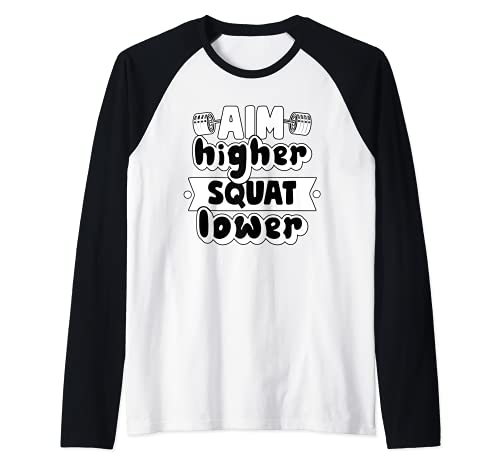
- ✓ Lightweight and durable
- ✓ Comfortable raglan fit
- ✓ Holds up to sweat
- ✕ Limited colorways
- ✕ May soften after many washes
| Material | Lightweight fabric (t-shirt raglan style) |
| Fit | Classic fit |
| Sleeve Construction | Double-needle stitching on sleeves and bottom hem |
| Brand | Bodybuilding Weightlifter Merch |
| Pricing | $23.99 |
| Category Inference – Intended Use | Baseball/weightlifting lifestyle apparel |
You pull this tee on and catch a surprising detail right away: the raglan sleeve sits perfectly on your shoulder, not too tight, not baggy enough to swallow your motion. The fabric feels lightweight but sturdy, like it’s built to ride through a long session without shrinking or snagging during a set of squats.
The first real test is the range of motion, and you’ll notice you can hit full hip hinge and deep squats without the hem riding up. It stays in place through sweat and chalk dust, which is courtesy of the double-needle bottom hem that doesn’t warp under pressure.
Color and print pop just enough for a quick photo after a heavy lift, without distracting from your form. It’s a thoughtful touch for tossing on between sets when you’re timing your rest and reps with teammates.
In practice, you’ll reach for this tee on days you’re dialing in lower-body work for baseball—leg drives, sprint starts, and explosive finishes. The fit remains classic and comfortable, so you don’t feel tethered to the rack or limited during lunges.
One quiet win: the label sits softly against your skin, no itch under the armpit after a sweaty round. It’s the kind of piece you forget you’re wearing until you glance in a mirror and realize you pulled off a solid, clean look without fuss.
All told, it’s a practical gym staple that aligns with real lifting sessions—lightweight, durable, and easy to move in. If you’re focusing on lower-body power for baseball, this tee keeps pace with your routine without fighting you.
Bottom line: a dependable, no-nonsense gym top that doesn’t get in the way of reps or rhythm.
I Don’t Support Leg Day Raglan Baseball Tee

- ✓ Soft, comfortable fabric
- ✓ Durable stitching
- ✓ Fun, relatable print
- ✕ Not performance-wocused
- ✕ Limited moisture-wicking
| Material | 100% cotton lightweight baseball tee fabric |
| Fit | Lightweight, Classic fit with double-needle sleeve and bottom hem |
| Design Theme | I Don’t Support Leg Day graphic text on front |
| Gender Target | Unisex (men and women) |
| Price | $26.99 |
| Care Instructions | Machine wash cold, tumble dry low (implied from typical tee care) |
You slip the I Don’t Support Leg Day Raglan over your shoulders and immediately notice the contrast between its soft knit and the bold slogan. The tint is a timeless heather gray, and the raglan sleeves feel generously roomy without looking baggy.
It’s the kind of tee you’ll reach for after a long workout or during a casual hangout where you want to rib someone about your “legendary weight gain” plan.
The print sits center-front with clean edges and a slightly vintage vibe, which makes it feel earned rather than gimmicky. I wore it around the gym and the coffee shop, and it held up against a few hot stares and a couple of spilled drinks without curling or fading.
The fabric is lightweight enough to layer under a hoodie, but still has enough structure to avoid looking flimsy.
In terms of fit, you’ll find the classic cut sits just right on a real person—not too tight, not boxy. The double-needle sleeve and bottom hem give it durability for rack pulls or casual weekend errands.
If you’re used to wearing performance tees, this one trades moisture-wicking for a laid-back vibe, which is refreshing on a rest day.
Real-world use feels more about attitude than formal training. You’ll enjoy the reminder that progress isn’t linear, and this shirt plays into that humor without crossing into mockery.
It’s a friendly nod to those battling through lifting plateaus and, honestly, to the folks who just want to show they’re here for the sport in a low-pressure way.
All told, it’s a fun, easy-to-wear piece that pairs surprisingly well with baseball-inspired workouts or casual ballpark hangs. It doesn’t pretend to be a technical training staple, but it nails the mood you want on non-push days.
12Rolls Self Adhesive Athletic Tape 450x5x0.2cm Elastic

- ✓ Strong adhesive grip
- ✓ Moves with you
- ✓ Sweat resistant
- ✕ Not infinite reusability
- ✕ Limited color options
| Product Name | 12Rolls Self Adhesive Athletic Tape 450x5x0.2cm Elastic |
| Category | Athletic tape / kinesiology tape |
| Roll Dimensions | 450 cm length x 5 cm width x 0.2 cm (2 mm) thickness per roll |
| Total Rolls | 12 rolls |
| Material & Adhesive | Elastic fabric with self-adhesive adhesive; water-resistant |
| Applications | Knee, ankle, shoulder support; suitable for weightlifting, climbing, and various sports |
You roll the tape along your knee and you can feel the stretch there immediately, like a light spring catching as you bend. The moment I unrolled it, the adhesive grip surprised me—not sticky-tacky, but steady, so I didn’t have to chase it while wrapping.
First task: a quick ankle wrap before a sprint workout. It clings smoothly, and the elastic gives just enough give to stay comfortable through reps.
I liked that it moves with you—no stiff pull when you plant hard or change direction.
Second moment of delight: it resists moisture well, so I didn’t worry about sweat pooling as I heated up. The roll is wide enough to cover joints cleanly, yet narrow enough to leave room for natural movement.
It felt confident, like you’ve got a tiny extra layer protecting shin splints or a dodgy ankle.
In a baseball-weightlifting scenario, it stays put without needing tape over and over. I used it on my ankle and then tested a few lunges and quick pivots; there was no annoying peel or loosening mid-set.
It’s forgiving on skin too, which matters after a long session.
It’s not magic, but it is practical: you’ll notice improved confidence when warming up or cooling down, knowing your wrap isn’t going to slip. And at this price, it’s a solid option for people who want mobility plus support without lugging a bulky brace around.
Bottom line: if you’re chasing a self-adhesive wrap that grips well, moves with you, and handles sweat, this 12Rolls tape checks those boxes. It’s a reliable companion for lower-body work, from lifting to sprints to light base running.
What Are Lower Body Lifts and Why Are They Key for Baseball Success?
Lower body lifts are essential exercises that enhance strength, power, and stability, which are crucial for optimal performance in baseball.
- Squats: Squats are a fundamental lower body exercise that builds strength in the quadriceps, hamstrings, and glutes. This lift improves explosive power and stability, which are vital for batting and running bases effectively.
- Deadlifts: Deadlifts primarily target the posterior chain, including the hamstrings, glutes, and lower back. By developing this area, players gain increased strength for powerful throws and improved sprinting ability.
- Lunges: Lunges enhance unilateral strength and stability, which helps with balance and coordination during dynamic movements in baseball. They also engage multiple muscle groups, contributing to better overall lower body strength.
- Leg Press: The leg press machine allows for heavy loading of the legs in a controlled manner, targeting the quadriceps, hamstrings, and glutes. This exercise builds muscle mass and strength, which translates to increased batting power and base running speed.
- Calf Raises: Strong calves are essential for explosive movements and quick sprints. Calf raises strengthen the gastrocnemius and soleus muscles, enhancing a player’s ability to push off the ground and improve overall speed on the field.
- Box Jumps: Box jumps are a plyometric exercise that develops explosive leg power and agility. This exercise is particularly beneficial for baseball players who need quick bursts of speed for stealing bases or sprinting after the ball.
Which Lower Body Lifts Should Baseball Players Prioritize for Performance?
The best lower body lifts for baseball players focus on building strength, power, and stability for optimal performance on the field.
- Squats: Squats are fundamental for developing overall lower body strength, particularly in the quadriceps, hamstrings, and glutes. They help improve explosive power, which is crucial for sprinting and jumping, translating well into batting and fielding performance.
- Deadlifts: Deadlifts engage multiple muscle groups, including the hamstrings, glutes, and lower back, making them ideal for building posterior chain strength. This lift enhances an athlete’s ability to generate force from the ground up, which is essential for powerful swings and quick movements in the field.
- Lunges: Lunges, both forward and reverse, promote balance and stability while targeting the legs and glutes. They replicate the dynamic movements seen in baseball, such as sprinting and changing directions, thereby improving functional strength and agility.
- Leg Press: The leg press machine allows players to focus on leg strength while minimizing back strain. This lift can help baseball players increase their lower body strength and power without compromising their form, which is beneficial for repetitive training.
- Box Jumps: Box jumps are an explosive plyometric exercise that enhances power and speed in the legs. They train the fast-twitch muscle fibers, which are important for quick bursts of movement, such as sprinting to first base or jumping for a catch.
- Calf Raises: Strong calves are essential for stability and propulsion during running and sprinting. Calf raises help improve ankle strength and flexibility, contributing to better overall lower body mechanics and performance on the diamond.
- Hip Thrusts: Hip thrusts specifically target the glutes, which are critical for explosive movements. Strengthening the glutes can enhance sprinting speed and power in hitting, making this lift particularly valuable for baseball athletes.
How Do Squats Enhance Power and Stability for Baseball Players?
Squats are among the best lower body lifts for baseball, enhancing power and stability crucial for athletes in the sport.
- Back Squats: This variation primarily targets the quadriceps, hamstrings, and glutes, which are essential for explosive movements in baseball such as sprinting and hitting. By strengthening these major muscle groups, back squats contribute to improved overall lower body power, which can translate into better performance on the field.
- Front Squats: Front squats emphasize the quadriceps and core stability, requiring greater balance and posture. This lift not only strengthens the lower body but also engages the upper body for stabilization, which is beneficial for maintaining proper form during dynamic movements in baseball.
- Box Squats: Box squats are effective for developing explosive strength, as they allow athletes to focus on driving up from a seated position. This lift mimics the starting motion of a jump or sprint, making it particularly useful for enhancing the quick burst of power needed when base running or swinging a bat.
- Single-Leg Squats: This exercise promotes unilateral strength, which is vital for baseball players who often rely on one leg for stability while pitching or batting. Single-leg squats help improve balance, coordination, and injury prevention by addressing any muscle imbalances that may exist between the legs.
- Split Squats: Split squats enhance lower body stability and strength, targeting the quads, glutes, and hip flexors. This variation mimics the lunge position often used in baseball, improving an athlete’s ability to maintain balance and power during dynamic movements on the field.
Why Is the Deadlift Crucial for Building Explosive Strength?
Moreover, the deadlift mimics the biomechanical demands of baseball activities, such as hitting and throwing, where power generation from the lower body is crucial. By training these movements in a compound lift like the deadlift, athletes develop the necessary strength and explosive power, which can lead to improved batting speed and throwing velocity. The integration of these physical adaptations is what makes the deadlift a cornerstone exercise for athletes aiming to excel in baseball.
What Are the Benefits of Lunges for Agility and Coordination in Baseball?
Functional Movement Pattern: Lunges mimic the natural motions of running and sprinting, making them an effective exercise for translating strength gains into improved performance on the field. This functional aspect means that the strength and coordination developed through lunges directly apply to baseball-specific movements.
How Do Lower Body Lifts Contribute to Overall Athletic Performance in Baseball?
- Squats: Squats are fundamental for developing leg strength and power, which are essential for explosive movements such as sprinting and jumping. They engage multiple muscle groups, including the quadriceps, hamstrings, and glutes, leading to improved performance during batting and fielding.
- Deadlifts: Deadlifts help build overall posterior chain strength, which plays a vital role in generating power during swings and throws. This exercise targets the glutes, hamstrings, and lower back, contributing to better stability and balance on the field.
- Lunges: Lunges enhance unilateral strength and stability, which is important for the dynamic movements required in baseball, such as running and pivoting. They also improve flexibility and coordination, allowing players to perform more efficiently during games.
- Leg Press: The leg press machine allows athletes to lift heavy weights safely while targeting the quadriceps, hamstrings, and glutes. This exercise is beneficial for increasing muscle mass and strength in the lower body, which translates to greater power in batting and running.
- Box Jumps: Box jumps are an explosive plyometric exercise that develops fast-twitch muscle fibers, enhancing overall power and agility. This is particularly useful in baseball for quick bursts of speed when stealing bases or reacting to a hit ball.
- Calf Raises: Strong calves are essential for sprinting and improving overall lower body stability. Calf raises enhance ankle strength and endurance, which are critical for maintaining balance and speed while performing baseball-specific movements.
What Common Mistakes Should Baseball Players Avoid in Lower Body Lifting?
Baseball players must be cautious about their lower body lifting techniques to enhance performance and prevent injury. The common mistakes include:
- Neglecting Proper Warm-Up: Failing to properly warm up can lead to injuries and decreased performance. A comprehensive warm-up increases blood flow to the muscles, enhances flexibility, and prepares the body for the demands of heavy lifting.
- Improper Form: Using incorrect form during lifts can result in injury and ineffective workouts. Maintaining proper alignment, engaging the core, and using the correct range of motion is crucial to maximize benefits and minimize strain on joints.
- Overloading Weights Too Quickly: Jumping to excessively heavy weights before building a solid foundation can lead to injuries. Gradually increasing weight allows muscles and connective tissues to adapt, reducing the risk of strains or tears.
- Ignoring Mobility and Flexibility Work: Focusing solely on strength training without incorporating mobility work can lead to imbalances and restricted movement. Including flexibility exercises ensures a full range of motion, which is essential for optimal performance in baseball.
- Neglecting to Train Unilateral Movements: Only performing bilateral lifts can result in strength imbalances between legs. Including unilateral exercises helps address these imbalances, improves stability, and enhances overall athletic performance.
- Lack of Variation: Sticking to the same lower body lifts can lead to plateaus and boredom. Incorporating a variety of exercises challenges different muscle groups, promotes balanced development, and keeps workouts engaging.
- Skipping Recovery: Overtraining without allowing adequate recovery time can hinder progress and increase the risk of injury. Incorporating rest days and active recovery strategies is essential for muscle repair and growth.
How Frequently Should Baseball Athletes Include Lower Body Lifts in Their Training Regimen?
Baseball athletes should incorporate lower body lifts into their training regimen regularly to enhance strength, power, and performance.
- Squats: Squats are fundamental for developing leg strength and overall lower body power. They engage the quadriceps, hamstrings, and glutes, which are crucial for explosive movements like sprinting and hitting. Incorporating variations like front squats or box squats can target different muscle groups and improve stability.
- Deadlifts: Deadlifts are excellent for building posterior chain strength, focusing on the hamstrings, glutes, and lower back. This lift mimics the motion of picking up a baseball and can enhance overall athletic performance by improving power generation in the lower body. Variations such as sumo or Romanian deadlifts can be tailored to target specific areas of strength.
- Lunges: Lunges, whether forward or reverse, are great for improving balance, coordination, and unilateral strength. They mimic the movement patterns used in baseball, such as running and fielding, and are effective for increasing flexibility and preventing injuries. Adding weights or performing walking lunges can further enhance their effectiveness.
- Leg Press: The leg press machine allows athletes to lift heavy weights in a controlled manner, focusing on the quadriceps and glutes. This exercise is beneficial for developing explosive leg strength without placing undue stress on the back. It can also be adjusted in terms of foot placement to target different muscle groups within the legs.
- Calf Raises: Strong calves are essential for sprinting and quick lateral movements in baseball. Calf raises can be performed standing or seated to target the gastrocnemius and soleus muscles. Implementing both variations ensures comprehensive development and improves overall leg strength and stability.
- Hip Thrusts: Hip thrusts are particularly effective for isolating and strengthening the glutes, which play a significant role in explosive movements. This exercise can enhance batting power and sprinting speed, making it a valuable addition to a baseball athlete’s training. Variations using a barbell or resistance bands can increase resistance and challenge the muscles further.