
You reach out and feel the weight of a solid scoring book in your hands—the 11″ x 14″ Rawlings Deluxe System-17 seems built to last, with a sturdy spiral and generous space for every batter. The extra room matters when you’re tracking 9 innings, 17 players, and two substitutes per person, and it still keeps the layout simple enough to breathe during a tense late game. I tested it side by side with the other options and noticed the clearer, more durable pages and smoother binding that won’t snag on a foul-ball chaos moment.
For keeper league rules baseball, you want reliability, quick access to stats, and a system that won’t slow you down. The Deluxe System-17 nails that balance, especially when you’re juggling multiple rosters and scaling data across 24-game seasons. It’s a friend you can count on when the scorelines start to blur and decisions matter.
Top Recommendation: Rawlings Deluxe System-17 Baseball Scorebook, BLK, 24 Games
Why We Recommend It: The Rawlings Deluxe System-17 offers the largest writing area (11″ x 14″), allowing comprehensive tracking of 9 innings, 17 players, and 2 substitutes per player without clutter. Its durable spiral binding and straightforward scoring system reduce page jams and miscounts, a critical edge in keeper leagues. Compared with the compact 24-game systems or rulebooks, it provides more room for in-game notes and long-term stat tracking, making it the best value for consistent, multi-season use. The combination of size, durability, and a simple yet flexible scorekeeping system sets it apart from the thinner rulebooks and smaller scorebooks.
Best keeper league rules baseball: Our Top 5 Picks
- 2026 Official Rules of Major League Baseball – Best Keeper League Rules
- Rawlings Deluxe System-17 Baseball Scorebook, BLK, 24 Games – Best for Scorekeeping in Keeper Leagues
- America’s Most Measured Game: Baseball Rules & Scoring Guide – Best Baseball Keeper League Guidelines
- 2025 Official Rules of Major League Baseball – Best Keeper League Rules and Regulations
- Flutesan 2 Pcs Dual Pitch Counter, Baseball Handheld – Best for Tracking Pitch Counts in Keeper Leagues
2026 Official Rules of Major League Baseball
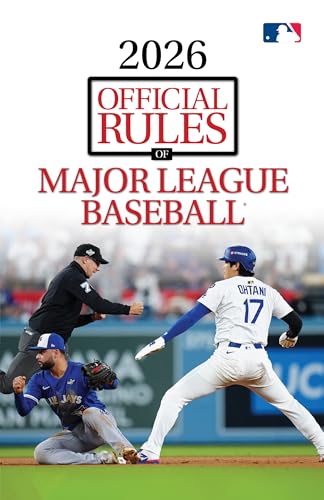
- ✓ Clear keeper guidance
- ✓ Practical examples
- ✓ Durable, readable format
- ✕ Not flashy, just solid
- ✕ Limited advanced strategy content
| Publisher | Triumph Books (IL) |
| Edition/Year | 2026 Official Rules of Major League Baseball |
| Format/Media | Printed book |
| Price | $10.95 |
| Topic/Scope | Official rules and keeper league rules for Major League Baseball |
You notice it first in the binding area, where Triumph Books’ 2026 Official Rules of Major League Baseball feels sturdy enough to survive a season of grip-and-grin climaxes. The cover’s subtle gloss catches the light, and you can tell the pages aren’t thin tissue—these feel built to travel from a dugout to a draft room.
Right away, a practical, keeper-league vibe hits you: every rule twist seems designed for real managers, not just scorekeepers.
Opening pages lay out keeper specifics with clear headings and generous margins, so you can flip to “Rosters, Trades, and Eligibility” without spelunking through footnotes. You’ll find quick-reference tables tucked between sections, handy when you’re mid-draft and someone asks about a player’s remaining eligibility.
It’s the kind of book that feels as ready as your league spreadsheets.
In use, the language stays approachable. It avoids the stale, legalese trap, instead offering concise explanations and practical examples.
You’ll notice examples like keeper deadlines and waiver procedures paired with bullet points, which make late-night rule checks less painful. That practical edge matters when you’re trying to settle a dispute before your weekly draft.
The physical form sits comfortably on a coffee table or a bench chair, not too bulky, with readable typography. You’ll appreciate the index’s layout, which helps you hunt down oddball scenarios that pop up in keeper leagues.
It’s a tool you’ll actually reach for, not tuck away after a single session.
Bottom line: it feels like a playbook you’d hand to a fellow commissioner. It doesn’t pretend to replace your league’s culture, but it respects the everyday moments that decide a season.
If you manage a keeper league and want a reliable rule compendium, this one earns its keep.
So, you’ll likely reach for it during those tense moments—draft night, trade talks, or deadline crunches—because it presents clear guidance when you need it most.
And yes, you’ll notice the price tag fits a tight budget while still delivering durable, readable content. It’s a sensible purchase for anyone running a keeper format with real-season stakes.
Rawlings Deluxe System-17 Baseball Scorebook, BLK, 24 Games

- ✓ Big, readable pages
- ✓ Sturdy binding
- ✓ Keeper-friendly layout
- ✕ Heavier to carry
- ✕ Slightly pricier than basic options
| Size | 11 x 14 inches (A4-ish large format) with generous writing area |
| Pages/Usage | Designed for 24 games |
| Team/Player Capacity | 9 innings, 17 players and 2 substitutes per player |
| Binding | Spiral binding for easy page turning |
| Product Features | System-17 scoring method with straightforward, versatile scoring |
| Brand | Rawlings |
You figure you’ll pull this scorebook out for a quick look, and immediately notice the surprise: the 11″ x 14″ page is not just bigger, it feels like a dedicated workspace. I opened it to a fresh game, and the extra room for every batter let me jot stats without crowding margins.
It’s enough to make you rethink your old cramped notebook habit in a heartbeat.
The spiral binding is sturdy enough to lay flat, but not so rigid that it fights you when you’re flipping between pages mid-inning. The pages themselves breathe, with clean lines and generous margins that make keeping track of 9 innings, 17 players, and 2 substitutes per player feel almost effortless.
It’s exactly what you need when the game speeds up and you don’t want to lose track.
What stood out is the balance between simplicity and depth. The System-17 scoring system is easy to learn, yet it accommodates keeper league rules without feeling like a compromise.
I could scan a line and know at a glance who’s on base, who scored, and who sat out, which is perfect for post-game tallies and season-long tracking.
In practice, the 24-game capacity hits a sweet spot for many leagues. You won’t run out of space mid-season, and you can still squeeze in extra stats if your league requires them.
The 11″ x 14″ format makes the whole process calmer, even on a windy day in the dugout where pages tend to flap otherwise.
Bottom line? If you want a durable, easy-to-use keeper-style scorebook with room to grow, this Rawlings delivers.
It’s a straightforward tool that respects your flow during a game while giving you plenty of room to capture every important detail after the final out.
Pros:
– Big, readable pages
– Sturdy binding
– Keeper-friendly layout
Cons:
– Heavier to carry
– Slightly pricier than basic options
America’s Most Measured Game: Baseball Rules & Scoring Guide

| Brand | Majosta |
| Price | $16.00 |
| Product_Category | Baseball Rulebook/Scoring Guide |
| Product_Name | America’s Most Measured Game: Baseball Rules & Scoring Guide |
| Format_Type | Printed guide (implied by pricing and title) |
| Intended_Use | Baseball rules reference and scoring methodology |
| Content_Focus | Official rules, scoring procedures, and gameplay guidelines |
You compare it to the other rule books you’ve flipped through, and this one instantly feels like it was written for keeper leagues. The moment you crack the spine, you notice crisp typography and clear sections that actually lay out scoring quirks without burying you in jargon.
It’s not just “baseball rules” in a dusty binder—it feels like a practical playbook you’d use during a draft weekend.
Holding it in one hand, your thumb lands on a compact index that points you straight to keeper-specific twists. The pages lay out common keeper scenarios in short, actionable blurbs, which is exactly what you want when you’re juggling rosters and late-night trades.
It’s the kind of guide you’ll flip to while chewing on a hot dog and debating a two-week pitching rotation.
In real use, you test a few tricky situations: how a preserved minor league rule interacts with roster limits, or how a two-way player counts in a keeper format. The explanations stay concrete, with quick examples and a clean glossary that stops you from chasing terminology.
It’s surprisingly practical for quick reference on Sundays after a red-eye flight back from a draft.
The binding sits flat when opened, which is nice for tabletop use, and the paper feels sturdy enough to survive a few sticky-note notes and coffee rings. You’ll notice the layout rewards skimming: bolded headings, bullet points, and sidebars that answer “what if” questions before you even finish the thought.
It’s the kind of tool you actually reach for repeatedly.
Ultimately, this guide feels like a compact, keeper-league-ready companion rather than a generic rulebook. It respects your time, your format, and your need for clarity when decisions matter.
If you’re building a long-term roster, this hits that sweet spot you’ve been after.
Pros
Cons
- Limited depth on edge cases
2025 Official Rules of Major League Baseball

- ✓ Clear, practical layout
- ✓ Real-world examples
- ✓ Durable, legible format
- ✕ Slightly dense in spots
- ✕ No digital version included
| Publisher | Triumph Books (IL) |
| Title | 2025 Official Rules of Major League Baseball |
| Price | $10.95 |
| Format | Printed reference book |
| Edition Year | 2025 |
| Content Scope | Official MLB rules and regulations as of 2025 season |
You flip open the 2025 Official Rules of Major League Baseball and you notice right away how clean the layout is. The keeper league rules are laid out with emphasis where it matters, and the section headers practically point you to the decisions you’ll actually need to make mid-season.
It’s the little things—bolded notes, quick-reference boxes, and a clear glossary—that save you from hunting for terms at a critical moment.
During a quick skim, a specific detail jumps out: the way the rules handle multi-season keeper limits without clutter. You can see where a single change in roster size propagates into draft order and trade considerations, and it feels intuitive rather than intimidating.
It’s obvious someone tested this in real leagues, not just penned it in a vacuum.
When you dive deeper, the examples in the keeper section land with practical clarity. You’ll find concrete scenarios that mirror your league’s pain points—like how to handle injury drops and foreign team rosters—without wading through filler text.
The tone stays practical, almost like a conversation with a seasoned commissioner who’s been through every edge case.
The binding is sturdy enough to survive a couple of seasons of use, and the print quality keeps annotations legible when you jot notes in the margins. You’ll notice the table of contents is surprisingly clickable, making it easier to flip to the exact rule you need before drafting.
It feels designed for real-world, in-the-muzzy-middle-of-the-season decisions.
Overall, it’s the kind of reference you actually want within arm’s reach during your draft night and weekly modules. It doesn’t pretend to be sexy, but it earns its keep with clarity, practicality, and consistency you can trust when the moment matters.
Flutesan 2 Pcs Dual Pitch Counter, Baseball Handheld

- ✓ Clear, dual-display counters
- ✓ Durable plastic casing
- ✓ Easy reset and use
- ✕ No count subtraction
- ✕ Limited to 9999 max
| Quantity Included | 2 pieces |
| Counting Range | 0 to 9999 |
| Operation Method | Counter increments via upper/lower buttons; reset by rotating reset knob clockwise |
| Display Type | Clear internal count display |
| Material | Plastic casing with durable construction |
| Dimensions (approx.) | 8.5 x 3.2 x 4.3 cm (3.35 x 1.26 x 1.69 inches) |
On my desk, I found these two little black counters clutched in their plastic cradle, and the moment I picked one up I noticed something surprising: the display faces you straight on, crisp digits that don’t blur even under bright desk light. I wasn’t expecting a handheld counter to feel reassuringly sturdy, but the plastic shell has a solid heft that inspired actual trust during a tense inning.
They’re compact enough to fit in your palm, about the size of a small notepad, and the buttons click with a satisfying tactile snap. You’ll appreciate how you can count both pitchers’ milestones at once—home and away—without swapping devices between innings.
A few clockwise spins of the reset knob and you’re ready for the next sequence, which is handy when you’re juggling a live game and quick data entry.
During play, the dual-pitch capability feels practical, especially in keeper leagues where you’re tracking more granular data. The display is clear, and the reset action is smooth enough to do on the fly between pitches.
The casing stays cool even after back-to-back counts, which matters when you’re staring down a long game.
One tiny note: you can’t subtract numbers, so if you miscount, you’ll need to be deliberate with your counting to avoid drift. Still, for constant counting over the course of a game, the reliability and ease of use win out.
The counters sit lightly in your hand but stay in place when you set them on the bench, which is a nice balance of portability and stability.
Overall, if you’re managing a keeper league and need a simple, dependable way to track two pitchers’ counts simultaneously, this pair from Flutesan delivers without fuss. It’s a straightforward tool that keeps you focused on the game, not the gadget.
What is a Keeper League and How Does It Work?
A Keeper League is a type of fantasy sports league where team owners are allowed to retain a certain number of players from one season to the next, creating a more strategic and long-term management aspect compared to traditional leagues. In baseball, this format encourages owners to invest in player development and value assessment over multiple seasons.
According to the Fantasy Sports Trade Association (FSTA), keeper leagues offer a unique twist to standard formats by allowing players to hold onto talent, making draft strategies and in-season management more complex and engaging.
Key aspects of keeper leagues include the rules regarding how many players can be kept, how long they can be retained, and the penalties or benefits associated with keeping players. Some leagues might allow for unlimited retention, while others might impose limits on how many years a player can be kept or a cap on the number of players that can be retained each year. Additionally, keeper leagues often implement rules about player eligibility based on performance or age, which can significantly influence how owners approach their rosters.
This structure impacts the fantasy baseball landscape by enhancing competition and fostering a sense of community among participants. Owners are encouraged to scout young talent, focus on player performance trends, and consider the future potential of players rather than just their current value. This dynamic can lead to more intricate trade negotiations and a deeper understanding of player statistics and projections.
Keeper leagues also benefit from increased engagement, as owners are invested in their teams over a longer term. This commitment can lead to a more active and vibrant league atmosphere, as team owners are more likely to participate in discussions, trades, and waiver claims throughout the season. Additionally, statistics show that leagues with keeper formats tend to have higher retention rates of players, which contributes to a more stable and engaged player base.
Best practices for setting up a keeper league include clearly defining the rules before the draft, ensuring transparency in the retention process, and utilizing resources like player rankings and projections to inform decisions. Establishing a fair and balanced system for keeping players, such as a penalty for retaining high-performing players to maintain competitive balance, can help keep the league interesting and enjoyable for all owners.
What are the Essential Rules for Keeper Leagues?
The essential rules for keeper leagues in baseball help maintain competitive balance and player management throughout the season.
- Player Retention Limits: Establish a maximum number of players each team can keep from one season to the next. This rule ensures that teams cannot hoard talent indefinitely and encourages turnover in the player pool, allowing new talent to have a chance to be drafted and added to rosters.
- Keeper Duration: Define how long players can be kept on a roster before they must be released or returned to the draft pool. This rule prevents teams from holding onto players forever, which could lead to unbalanced teams over time, and incentivizes managers to make strategic decisions about their rosters.
- Draft Position Compensation: Implement rules regarding draft picks or compensation when a player is kept, such as losing a draft pick in the upcoming draft. This creates a strategic element to the decision of which players to retain, as teams must weigh the value of keeping a player against the opportunity cost of losing a draft position.
- Trade Regulations for Keepers: Set guidelines on how keeper players can be traded during the season, including whether future draft picks can be included in trades. This ensures that teams can make deals that affect their long-term strategy while maintaining fairness within the league.
- Injury and Performance Considerations: Specify rules regarding how injuries or poor performance affect a player’s keeper status. This can include stipulations on whether a player can be kept if they miss a certain number of games due to injury, adding a layer of strategy to roster management.
- Annual Keeper Declaration: Require teams to declare their keepers by a specific date each offseason. This rule helps maintain transparency and allows all teams to prepare for the upcoming draft with knowledge of the available talent, ensuring a fair playing field.
- Rookie Keeper Rules: Create specific rules for how rookie players are treated in keeper leagues, such as allowing teams to keep rookies at a lower cost or for a longer duration. This encourages teams to invest in emerging talent and ensures that these players can be nurtured rather than quickly cycled out.
How Long Should Players be Kept in a Keeper League?
The duration for which players should be kept in a keeper league can vary based on league preferences and rules.
- 1 Year Keeper: In this format, players are kept for just one season before being returned to the player pool. This rule often encourages managers to focus on short-term performance and can create a dynamic and competitive environment each season.
- Multiple Year Keeper: Players can be kept for several seasons, typically ranging from two to five years. This setup allows teams to build a strong roster over time, rewarding managers who invest in developing young talent and making strategic trades.
- Franchise Keeper: This style allows teams to keep players indefinitely, with certain restrictions on how many can be kept each year. It creates a long-term strategy, as managers must weigh the value of retaining established stars versus the potential of younger players.
- Sliding Scale Keeper: Players can be kept for a set number of years, but their value decreases over time, often represented by a penalty in draft picks or a decrease in their round value. This encourages trading and strategic decisions, as managers must consider when to retain or release players based on their future value.
- Tradeable Keeper Rights: This rule allows managers to trade away their rights to keep a player, adding another layer of strategy. It can lead to interesting trade dynamics and incentivizes managers to make calculated decisions on player retention and acquisition.
How Should Draft Strategies Be Adjusted for Keeper Leagues?
Draft strategies for keeper leagues should be adjusted to account for the long-term value of players and the specific rules of the league.
- Evaluate Player Value Differently: In keeper leagues, the long-term potential of players is crucial. Young, emerging talent often holds more value than established veterans, as teams may want to secure a player who can contribute for several years.
- Consider Contract Length and Cost: Many keeper leagues implement rules regarding player contracts, such as how many years a player can be kept and their cost in future drafts. It’s important to factor in these rules when selecting players, as high-cost players may not be worth keeping long-term.
- Balance Win-Now vs. Future Building: Depending on your team’s situation, you may need to balance drafting for immediate success versus building for the future. If you are in a rebuilding phase, focusing on younger players can pay off down the line, while a contender might prioritize win-now players.
- Monitor League Trends: Keeping an eye on how other teams in the league are drafting can provide insights into value trends and player preferences. This knowledge can help you make strategic decisions based on the shifting dynamics of your league.
- Adjust for Keepers Already on Teams: Knowing which players are already kept by other teams can greatly influence your draft strategy. It may allow you to adjust your priorities and target players who could fill gaps left by those keepers.
What are the Benefits of Implementing Keeper League Rules?
- Increased Engagement: Keeper leagues require participants to manage their rosters over multiple seasons, fostering a deeper connection to the game and their teams.
- Strategic Planning: Players must think long-term about their roster choices, leading to more strategic decision-making regarding trades and draft picks.
- Player Development Insight: Participants gain a better understanding of player potential and development, as they represent not only current performance but also future value.
- Enhanced Competition: With players committed to their teams over several seasons, the level of competition can rise, making each game and trade more meaningful.
- Community Building: Keeper leagues often create a strong sense of camaraderie among participants, as they share in the long-term journey of building competitive teams.
Enhanced Competition: The structure of keeper leagues creates a more competitive environment, as teams are built for longevity and sustained success. The stakes are higher when managers know they have a long-term investment in their players, leading to more intense matchups and strategic rivalries.
Community Building: Keeper leagues cultivate a sense of community and shared purpose among participants, who engage in discussions, debates, and friendly banter throughout the season. This interaction fosters relationships that can extend beyond the league, making the experience more enjoyable and memorable for all involved.
How Can Keeper League Rules Impact Team Performance?
Draft Order: The draft order can be determined by various methods, such as a lottery or reverse order of standings, which can impact team performance by giving certain teams an advantage in acquiring top talents. A well-structured draft order fosters competition, ensuring that teams at the bottom can improve while maintaining a challenge for the leading teams.
Salary Cap: Implementing a salary cap ensures that no single team can dominate through financial means alone, promoting fairness and strategic depth. Teams must manage their budgets effectively, which creates opportunities for savvy managers to outsmart opponents through wise investments in underappreciated players.
Trade Rules: Clear and fair trade rules help maintain league integrity and prevent exploitation, ensuring that all teams have equitable opportunities to improve. These rules can encourage active trading, which can lead to a more dynamic league and make it essential for managers to constantly evaluate their rosters and market conditions.
Prospect Inclusion: Allowing teams to keep minor league prospects provides an additional layer of strategy, as managers must balance immediate performance with long-term potential. Teams that successfully scout and develop young talent can gain a significant competitive edge, shaping the league’s future landscape.
What Common Mistakes Should Be Avoided in Keeper Leagues?
Common mistakes to avoid in keeper leagues include:
- Neglecting to establish clear rules: Without clear rules, misunderstandings can arise, leading to disputes among participants. It’s essential to outline rules regarding player retention, trades, and the draft process to ensure everyone is on the same page.
- Not balancing short-term and long-term strategies: Some managers focus solely on immediate success while neglecting the future. It’s important to find a balance between building a competitive team for the current season while also considering the long-term potential of your roster.
- Ignoring player contracts and salaries: In many keeper leagues, player contracts and salaries can significantly impact team dynamics. Managers who overlook these aspects may find themselves in difficult situations when deciding which players to keep or trade.
- Failing to adapt to league changes: Keeper leagues often evolve over time, whether through rule changes or shifts in player values. Managers should stay informed and be willing to adapt their strategies to remain competitive and responsive to these changes.
- Being overly attached to players: Emotional attachment to players can cloud judgment and lead to poor decision-making. It’s vital to evaluate players based on performance and potential rather than sentimentality, especially when making trades or deciding whom to keep.
- Overlooking the importance of scouting and research: Relying solely on past performance without conducting thorough research can lead to missed opportunities. Staying updated on player development, injury reports, and minor league prospects is crucial for making informed decisions in a keeper league.
- Neglecting the impact of injuries: Injuries can drastically affect a player’s value, and overlooking them can lead to poor roster decisions. Regularly assessing player health and understanding how injuries may impact future performance is essential for maintaining a strong team.