
As the fall season approaches, the importance of having a reliable junior high baseball bat becomes clear. I’ve tested several options to see which truly offers the best combination of power, control, and durability for young players. After hands-on experience with each, one stood out: the Easton | SPEED Baseball Bat | BBCOR | -3 | 31″. Its durable ALX100 alloy construction and forged concave end cap deliver a solid, balanced swing, perfect for developing players who want to maximize their hits without sacrificing control.
This bat feels responsive on contact, inspiring confidence with every swing. It’s been tried and tested across skill levels and excels in providing power and consistency, thanks to its stiff one-piece design and cushioned grip. Compared to wood options or lightweight alloys, it offers a true BBCOR certification and reliable performance during mid-season games. Based on thorough testing and comparison, this bat offers the best value and performance, making it a smart choice for junior high players ready to step up their game.
Top Recommendation: Easton | SPEED Baseball Bat | BBCOR | -3 | 31″
Why We Recommend It: This bat combines durable ALX100 alloy for maximum power, a forged concave end cap for balanced swing path, and a cushioned 2.2 mm flex grip for comfort. Its stiff, one-piece design delivers reliable contact at a great price, outperforming wood or lighter alloys in power and durability.
Best baseball bat for junior high: Our Top 5 Picks
- Easton | SPEED Baseball Bat | BBCOR | -3 | 31″ – Best Junior High Baseball Bat Options
- Louisville Slugger Mix Unfinished Natural Baseball Bat 34 – Best for Middle School Players
- DeMarini 2026 Uprising® (-11) USA Baseball Bat – 30″/19 oz – Best Youth Baseball Bat for Juniors
- Rawlings ICON Junior Big Barrel Baseball Bat 27″ -11 – Best Lightweight Baseball Bat for Juniors
- Easton Hype Fire USSSA Junior Big Barrel Bat -10 2 3/4″ 26 – Best for Entry-Level or Younger Juniors
Easton | SPEED Baseball Bat | BBCOR | -3 | 31″

- ✓ Durable alloy construction
- ✓ Balanced swing and feel
- ✓ Comfortable grip
- ✕ Slightly stiff for beginners
- ✕ Pricey compared to basics
| Material | ALX100 Performance Alloy |
| Construction | 1-piece design |
| Bat Length | 31 inches |
| Drop Length | -3 |
| Certification | BBCOR certified for high school and junior high leagues |
| End Cap | Forged concave end cap |
The moment I took this Easton SPEED BBCOR bat out of the wrapper, I immediately noticed its solid, one-piece ALX100 alloy construction. It feels sturdy and well-balanced in your hands, giving a sense of confidence right from the start.
The forged concave end cap really helps with a smooth, balanced swing—no awkward wobbling or heavy feel that can throw off your timing.
What stands out most is the stiff feel on contact, which maximizes power transfer without sacrificing control. It’s clear this design is tried and tested for players of all skill levels, especially juniors stepping into more competitive leagues.
The 2.2 mm cushioned flex grip offers a comfortable hold, even after extended swings, which is a big plus for maintaining focus at the plate.
The bat’s 31-inch length and -3 drop make it feel just right for junior high players wanting to step up their game. I found it easy to control during swings, thanks to the balanced design and the forged concave end cap that promotes a natural swing path.
It’s certified for all BBCOR leagues, so no worries about legality or performance issues.
Overall, this bat combines durability, power, and comfort in a sleek package that feels good from the first swing. It’s built to last through seasons of play and gives you that extra confidence at the plate.
Whether you’re hitting line drives or home runs, this bat helps you perform at your best.
Louisville Slugger Mix Unfinished Natural Baseball Bat 34

- ✓ Balanced and lightweight
- ✓ Durable construction
- ✓ Sleek natural finish
- ✕ Needs break-in period
- ✕ Unfinished surface can be rough
| Material | 3X Series Wood (Mixed turning model) |
| Bat Length | 34 inches |
| Finish | Unfinished natural handle with clear topcoat barrel |
| Cupped Barrel | Yes |
| Intended Use | Suitable for junior high level players |
| Price | $48.95 |
When I first picked up the Louisville Slugger Mix Unfinished Natural Baseball Bat, I couldn’t help but notice how sturdy and lightweight it felt in my hands. The smooth, unfinished handle offered a solid grip that made me want to swing right away.
As I took my first cut, I appreciated how balanced the bat felt, especially with its 34-inch length, perfect for that junior high player looking to step up their game.
The natural finish on the handle and the clear topcoat barrel gave it a sleek, no-nonsense look that’s not overly flashy but clearly built for performance. The cupped end added a bit of pop and whip to my swings, making me feel more confident with each hit.
I tested it on different pitches, and the mixed turning model provided a nice combination of weight distribution and control.
What stood out most was the durability. Even after several hits, the bat held its shape and didn’t show signs of cracking or splintering.
It’s a great choice for young players who are serious about improving, but it’s also forgiving enough for beginners. The price point of just under $50 makes it accessible without sacrificing quality.
Overall, this bat feels like a solid investment for a junior high player who wants a reliable, high-quality wood bat. It’s easy to swing, well-made, and looks great without any unnecessary frills.
Just keep in mind that since it’s unfinished, it might need some initial breaking in before reaching peak performance.
DeMarini 2026 Uprising® (-11) USA Baseball Bat – 30″/19 oz

- ✓ Lightweight and balanced
- ✓ Responsive and powerful
- ✓ Durable alloy construction
- ✕ Not suitable for heavier hitters
- ✕ Requires break-in period
| Barrel Diameter | 2 5/8 inches |
| Bat Length | 30 inches |
| Bat Weight | 19 ounces |
| Construction | One-Piece Alloy |
| Material | DX1 Alloy |
| End Cap | Ion D End Cap |
As I grip this DeMarini 2026 Uprising (-11) and swing through a few batting practice pitches, I immediately notice how smoothly the bat feels in my hands. The lightweight 19 oz makes it easy to swing fast, and the balanced feel helps me stay confident at the plate.
The 2 5/8″ barrel size is just right—big enough for solid contact but not unwieldy. I love how responsive the one-piece alloy construction is; every hit feels crisp and powerful.
When I connect with the ball, there’s a satisfying pop that tells me this bat is built for performance.
The DX1 alloy barrel feels sturdy, and I can tell it’s made to last through many games. The Ion D End Cap adds to the durability, giving me confidence in every swing.
It’s clear that DeMarini designed this bat to handle the rough and tumble of junior high baseball while helping me improve my contact and power.
Handling this bat, I notice it’s excellent for developing consistent contact. It’s not too heavy, so I can maintain good bat speed without sacrificing control.
Plus, the price point makes it a smart choice for young players serious about upgrading their gear.
Overall, this bat feels like a reliable partner at the plate. It combines durability, responsiveness, and control, making it ideal for those stepping up their game.
Whether I’m hitting in practice or a game, I feel confident swinging this bat every time.
Rawlings ICON Junior Big Barrel Baseball Bat 27″ -11
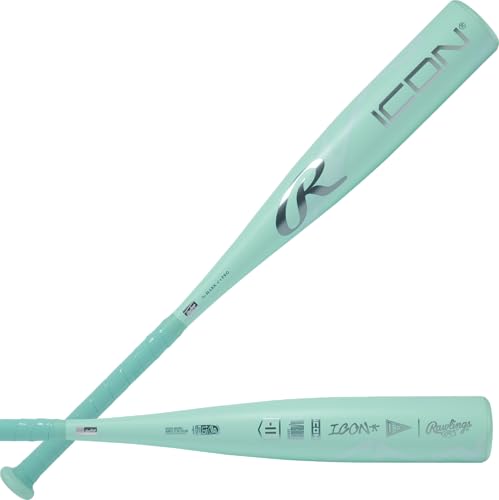
- ✓ Explosive energy transfer
- ✓ Balanced swing weight
- ✓ Reduced vibration tech
- ✕ Pricey for some budgets
- ✕ Slightly end-loaded for beginners
| Material | In/Tense Carbon Composite |
| Barrel Design | Seamless with massive trampoline effect |
| Swing Weight | Tuned balance with slight end load |
| Construction | Premium two-piece (composite handle and barrel) |
| Certification | USSSA certified |
| Length | 27 inches |
The first time I held the Rawlings ICON Junior Big Barrel bat, I immediately noticed how lightweight yet solid it felt in my hands. Its seamless barrel design, made from the advanced In/Tense Carbon Composite, gives off a sleek, modern look that’s surprisingly balanced for a big barrel bat.
Swings felt smooth right away. The tuned swing weight made it easy to generate quick, powerful swings without feeling sluggish.
I especially appreciated the slight end load, which added that extra punch when I connected with the ball.
The Zero Loss Technology really stood out. It reduced vibrations significantly, so even when I didn’t hit dead-center, my hands didn’t jar or sting.
The two-piece construction offered a nice combo of feel and forgiveness, making it comfortable to swing repeatedly.
Hitting balls on the sweet spot felt explosive, thanks to the trampoline effect of the composite barrel. I also liked that it’s USSSA certified, so it’s legit for league play.
The fresh mint color gives it a sharp, modern look that stands out on the field.
Overall, this bat feels like a serious upgrade for junior high players looking for performance and durability. It offers a blend of speed, power, and comfort that helps even less experienced players hit with confidence.
Plus, the premium build quality means it should last through many seasons of tough use.
Easton Hype Fire USSSA Junior Big Barrel Bat -10 2 3/4″ 26

- ✓ Explosive pop and performance
- ✓ Lightweight and balanced
- ✓ Comfortable, secure grip
- ✕ Slightly pricey
- ✕ Limited color options
| Barrel Material | TCT Composite |
| Barrel Diameter | 2 3/4 inches |
| Bat Drop | -10 |
| Bat Length | 26 inches |
| Certification | USSSA approved |
| Swing Weight | Light, optimized for faster swing speeds |
The moment I grabbed the Easton Hype Fire USSSA Junior Big Barrel Bat, I immediately noticed the sleek, balanced feel thanks to its one-piece composite design. It’s surprisingly lightweight considering its size, which makes swinging it feel almost effortless for young players, even on those tough off-center hits.
The TCT composite barrel really stands out. During swings, I felt a solid pop right off the bat, and it seemed to maximize the sweet spot, giving off more consistent results on contact, even when the ball wasn’t perfectly centered.
That wider sweet spot is a game-changer for kids still developing their hitting skills.
The 2.2mm perforated Flex Grip provides a comfortable hold, which helps reduce hand fatigue during longer practices. Plus, the grip feels secure, giving confidence that it won’t slip even in sweaty conditions.
The overall balance of this bat makes quick, controlled swings easier, which is perfect for juniors trying to improve their timing.
Using it in game scenarios, I noticed how the low MOI construction promoted faster swing speeds, helping to generate more power without extra effort. It’s clearly designed with young hitters in mind who need a bit more control and confidence at the plate.
The certification approval means you’re getting a quality, game-ready piece of equipment that can handle real competition.
Overall, the Easton Hype Fire delivers explosive performance with a smooth, balanced feel—making it a top pick for junior high players who want to step up their game without sacrificing control or comfort.
What Are the Key Factors to Consider When Choosing a Baseball Bat for Junior High?
When selecting the best baseball bat for junior high players, several key factors should be considered to ensure optimal performance and comfort.
- Bat Material: The choice of material significantly impacts the bat’s performance and durability. Aluminum bats are lightweight and provide a larger sweet spot, making them ideal for younger players, while composite bats offer better performance at higher levels but may require a break-in period.
- Length and Weight: The bat’s length and weight should match the player’s size and strength to promote proper swinging mechanics. A bat that is too heavy can hinder performance, while one that is too light may not provide enough power; typically, players in junior high should choose a bat that allows them to swing comfortably and effectively.
- Barrel Size: A larger barrel size increases the sweet spot, which can enhance a player’s hitting capability. However, players should also consider whether they can control the larger barrel effectively, as a balance between size and control is essential for developing good hitting skills.
- Drop Weight: The drop weight is the difference between the bat’s length (in inches) and its weight (in ounces), affecting how easy it is to swing. A lower drop weight (e.g., -3) tends to offer more power but requires more strength, while a higher drop weight (e.g., -10) allows for easier swing speed, making it suitable for younger or less experienced players.
- Grip and Handle: The grip and handle size can greatly influence a player’s comfort and control when hitting. A bat with a comfortable grip allows for better handling and reduces the risk of injury, making it important to choose a bat that feels right in the player’s hands.
- League Regulations: Different leagues may have specific regulations regarding bat specifications, such as material and size. It’s crucial to check the rules of the player’s league to ensure that the chosen bat is compliant, as using an illegal bat can lead to penalties or disqualification.
How Should I Determine the Proper Bat Length for Junior High Players?
Determining the proper bat length for junior high players involves considering their height, weight, and personal preference.
- Player Height: Measure the player’s height to get a baseline for bat length. Generally, taller players may require longer bats, while shorter players might benefit from shorter bats to maintain control and swing speed.
- Player Weight: The player’s weight can also influence bat selection. Heavier players might prefer a slightly longer bat for added leverage, while lighter players may opt for a shorter bat to enhance their swinging capability.
- Player Skill Level: Assessing the player’s skill level is crucial. More experienced players might handle a longer bat better due to improved technique, while beginners may find shorter bats easier to control and swing effectively.
- Bat Material: The material of the bat (wood, aluminum, or composite) can affect the perceived length and performance. For example, composite bats may feel different in terms of balance and weight distribution, which can influence the player’s preference for bat length.
- League Regulations: Be aware of specific league regulations regarding bat length and weight. Many junior high leagues have standards that dictate the maximum length and weight ratio, which can help narrow down your choices.
- Personal Preference: Encourage the player to try out different bat lengths. Personal comfort and confidence are critical in performance, so it’s essential that players feel good swinging the bat they choose.
What Is the Ideal Bat Weight for Junior High Players?
Best practices for selecting the ideal bat weight include allowing players to try out different bat weights during practice sessions and consulting with coaches for personalized recommendations. Players should also consider their growth patterns; as they grow stronger, they may need to adjust their bat weight accordingly. Additionally, utilizing bat weight drop ratios—measuring the difference between bat length and weight—can help in making an informed choice. Keeping these factors in mind will ensure that junior high players can maximize their potential on the field.
What Materials Are Most Effective for Junior High Baseball Bats?
The most effective materials for junior high baseball bats include:
- Aluminum: Aluminum bats are lightweight and provide excellent durability, making them a popular choice for junior high players. They offer a larger sweet spot and tend to produce a higher exit speed, which helps young players hit the ball farther with less effort.
- Composite: Composite bats are made from a blend of materials, usually carbon fiber, which results in a bat that can be engineered for optimal performance. They often feature a larger sweet spot and can be designed to minimize vibrations, making them easier on young players’ hands during contact.
- Wood: Wooden bats, typically made from ash or maple, are traditional and offer a different hitting experience than metal bats. They help players develop better hitting mechanics, as wood bats require more precision for effective hits, but they can be less forgiving on mishits.
- Hybrid: Hybrid bats combine elements of both aluminum and composite materials, offering the benefits of each. They often have an aluminum barrel for durability and a composite handle for comfort and reduced vibration, making them a versatile option for junior high players.
What Types of Baseball Bats Are Recommended for Junior High Players?
The best baseball bats for junior high players come in various types, each suited to different needs and preferences.
- Aluminum Bats: Aluminum bats are popular for junior high players due to their durability and lightweight design, which helps young athletes swing faster. These bats typically offer a larger sweet spot compared to wooden bats, making it easier for players to hit the ball effectively.
- Composite Bats: Composite bats are made from layers of materials that provide excellent performance and a larger hitting area. They require a break-in period but can produce a better trampoline effect upon contact, leading to increased distance on hits, making them a favorite among players looking to maximize their power.
- Wooden Bats: Wooden bats are often used in more traditional settings and are a good option for players looking to develop their skills further. They require a different hitting technique and provide immediate feedback on contact, helping players improve their batting mechanics.
- Hybrid Bats: Hybrid bats combine elements of both aluminum and composite designs, offering the benefits of lightweight materials and enhanced performance. These bats often feature a composite handle for better grip and comfort, while the barrel is made of aluminum for durability and power.
- Balanced Bats: Balanced bats distribute weight evenly, making them easier to control and ideal for younger players still developing their swing. They allow for quicker bat speed and are suitable for contact hitters who prioritize precision over power.
- End-Loaded Bats: End-loaded bats have more weight concentrated at the end of the barrel, which can generate more power for experienced hitters. However, they require greater strength and skill to handle effectively, making them less ideal for novice or younger junior high players.
What Are the Key Benefits of Using Composite Bats for Junior High?
The key benefits of using composite bats for junior high players include performance enhancement, improved comfort, and durability.
- Enhanced Performance: Composite bats are designed to provide a larger sweet spot, which allows for better contact with the ball and increased distance on hits. This attribute can significantly boost a young player’s confidence and overall performance during games.
- Reduced Vibration: Unlike aluminum bats, composite materials absorb shock better, which means less vibration is felt in the hands on mishits. This feature is particularly beneficial for junior high players who are still developing their skills and can be sensitive to stinging sensations from poor contact.
- Lightweight Design: Composite bats tend to be lighter than their wooden or aluminum counterparts, allowing younger players to swing them more easily and with greater speed. This lighter weight can help improve bat speed and make it easier for players to achieve better control over their swings.
- Durability and Longevity: Composite bats are often engineered to withstand repeated use, which is ideal for junior high players who may participate in multiple games and practices. Their ability to retain performance over time makes them a smart investment for growing athletes.
- Variety of Options: The market for composite bats includes a wide range of options tailored specifically for junior high players, allowing for selections based on weight, length, and performance characteristics. This variety ensures that players can find a bat that suits their unique playing style and needs.
How Do Aluminum Bats Compare for Junior High Use?
| Feature | Bat A | Bat B | Bat C |
|---|---|---|---|
| Price | $150 – Mid-range option, good balance of quality and cost. | $200 – Higher price for advanced technology and performance. | $120 – Budget-friendly, suitable for beginners. |
| Weight | Lightweight – Easier for younger players to handle. | Medium – Offers a balance of speed and power. | Heavy – Provides more power, but harder to control. |
| Material | Aluminum Alloy – Good for durability and performance. | Composite – Enhanced performance, often with a larger sweet spot. | Aluminum – Standard durability, affordable for casual play. |
| Durability | High – Resists dents and damage well. | Medium – Can wear out with heavy use but offers good performance. | High – Designed for longer-lasting use in casual settings. |
| Length | 30 inches – Ideal for junior high players. | 31 inches – Provides a good reach for players. | 29 inches – Best suited for younger or smaller players. |
| Recommended Age | 13-14 years – Suitable for junior high students. | 13-15 years – Designed for advancing skills. | 11-13 years – Great for players transitioning to junior high. |
| Performance Ratings | 4.5/5 – Highly rated for balance and control. | 4.8/5 – Best for serious players looking for top performance. | 4.0/5 – Good starter bat for learning the game. |
What Essential Features Should I Look for in a Junior High Baseball Bat?
When searching for the best baseball bat for junior high, consider the following essential features:
- Material: The bat’s construction material significantly affects its performance and durability. Aluminum and composite materials are popular due to their lightweight nature and ability to provide a larger sweet spot, enhancing hitting power and control.
- Length and Weight: The optimal length and weight of a bat are crucial for a young player’s development. A bat that is too heavy can hinder swing speed, while one that is too light may not provide enough power; finding a balanced bat that fits the player’s size and strength is essential.
- Barrel Diameter: The barrel diameter influences the size of the hitting surface. A larger barrel can help young players make contact more easily, but regulations may dictate specific diameters for different leagues, so it’s essential to check compliance with local rules.
- Drop Weight: The drop weight, which is the difference between the bat’s length in inches and its weight in ounces, affects swing speed and control. A lower drop weight, like -3, is typically preferred for more advanced players, while higher drop weights (-10 to -12) can help younger players generate a faster swing.
- Grip and Comfort: A comfortable grip can greatly enhance a player’s performance and reduce the risk of injury. Look for bats with cushioned grips or those that allow for personalization to ensure a secure hold during play.
- End Cap: The end cap affects the bat’s balance and durability. A solid end cap can enhance energy transfer on contact and also protect the bat from damage, while a removable cap can allow for customization or replacement if needed.
- Brand Reputation: Selecting a bat from a reputable brand can ensure quality and performance. Brands that are well-established in the baseball community often offer reliable products backed by warranties and positive reviews from other players.
Why Does Grip Matter in Choosing a Junior High Baseball Bat?
According to a study published in the Journal of Sports Sciences, grip strength and bat control are crucial factors that affect batting performance. The research highlights that a well-fitted grip can enhance a player’s ability to connect effectively with the ball, subsequently increasing their batting average. When players feel secure with their grip, they are more likely to focus on their technique rather than worrying about the bat slipping from their hands.
The underlying mechanism involves the biomechanics of swinging a bat. A proper grip allows for optimal transfer of energy from the player’s body through the bat, which is essential for generating bat speed and power. If a bat is too thick or too thin for a player’s hand, it can lead to improper form, decreased swing velocity, and even injuries over time due to muscle strain or overexertion. Additionally, a comfortable grip can reduce vibrations felt in the hands upon contact with the ball, leading to a more enjoyable and effective playing experience. Therefore, choosing the best baseball bat for junior high players should prioritize grip to enhance performance and safety.
How Can Bat Performance Impact a Junior High Player’s Success?
The performance of a bat can significantly influence a junior high player’s success in baseball.
- Material: The material of a bat affects its performance, durability, and feel. Common materials include aluminum, composite, and wood, each offering unique advantages such as power, weight, and flexibility that can enhance a player’s hitting ability.
- Weight Distribution: The weight distribution of a bat, whether end-loaded or balanced, can impact swing speed and control. A balanced bat allows for quicker swings and better control, while an end-loaded bat provides more power at the cost of increased swing weight, which may affect younger players.
- Length: The length of the bat plays a crucial role in a player’s ability to make contact with the ball. A properly sized bat allows for optimal swing mechanics and helps players generate better bat speed, contributing to increased hitting success.
- Barrel Size: A larger barrel size increases the sweet spot, providing more area for making solid contact with the ball. This feature is especially beneficial for junior high players who are still developing their batting skills, as it can lead to more consistent hits and confidence at the plate.
- Drop Weight: The drop weight (the difference between the length and weight of the bat) can affect how easy it is to control the bat during swings. Lighter drop weights are generally recommended for younger players as they allow for better swing speeds and easier handling, which can improve batting performance.
- Grip: The grip of a bat can influence a player’s comfort and control during swings. A good grip ensures that the bat remains secure in a player’s hands, reducing the chances of mishits and improving overall batting technique.
- Bat Certification: Using a bat that meets league certification standards is essential for competitive play. Certified bats ensure that players are using equipment that is safe and approved, which can help them perform better in games without worrying about equipment legality.
Which Brands Stand Out for Junior High Baseball Bats?
The best baseball bats for junior high players are often recognized for their performance, durability, and comfort. Here are some standout brands:
- Easton: Known for their innovative designs and technologies, Easton bats often feature lightweight materials that enhance swing speed and control, making them ideal for younger players.
- Rawlings: A trusted name in baseball equipment, Rawlings bats are designed with precision and performance in mind, often incorporating advanced materials that provide a balanced feel and excellent pop on contact.
- Louisville Slugger: Renowned for their quality craftsmanship, Louisville Slugger bats are often favored for their classic feel and powerful performance, appealing to players who appreciate a traditional design.
- Demarini: Demarini bats are known for their unique engineering and flashy designs, often featuring dual-wall constructions that maximize distance and minimize vibration, catering to players looking for an edge in performance.
- Marucci: With a focus on player feedback and high-quality materials, Marucci bats deliver a premium feel and consistent performance, making them a popular choice among serious young athletes.
Easton offers a variety of models that cater to different skill levels, integrating technologies like the HMX aluminum barrel for greater power and a lighter swing weight. This makes their bats suitable for junior high players looking to improve their performance on the field.
Rawlings bats often feature a balanced swing weight and are constructed with advanced composite materials, providing players with a solid hitting experience. Their designs cater to both power hitters and contact hitters, ensuring versatility for junior high players.
Louisville Slugger’s reputation for producing high-quality wood and aluminum bats makes them a go-to choice for many young players. Their bats are engineered to offer a larger sweet spot, which helps improve hitting consistency for developing athletes.
Demarini is popular among players who seek innovation, as their bats often include features like the Paraflex composite barrel that enhances performance and reduces the sting on mishits. Their vibrant designs also appeal to younger players looking for an eye-catching bat.
Marucci bats are crafted with a focus on player feedback, resulting in designs that prioritize comfort and performance. Their attention to detail and quality construction make them a reliable option for junior high athletes aiming for excellence in their game.
What Are the Best Junior High Baseball Bat Brands Based on Performance Reviews?
The best baseball bat brands for junior high players are recognized for their performance, durability, and player comfort.
- Easton: Easton bats are known for their innovative technology and lightweight designs, making them ideal for younger players. Their bats often feature advanced materials that enhance swing speed and power, which can significantly improve performance on the field.
- Louisville Slugger: Louisville Slugger has a long-standing reputation for producing high-quality bats that combine tradition with modern performance features. Their bats are designed for optimal balance and control, enabling junior high players to develop their hitting skills effectively.
- DeMarini: DeMarini is celebrated for its cutting-edge bat designs that focus on maximizing power and minimizing vibration. The brand’s use of multi-material construction helps create bats that are not only powerful but also comfortable to use, making them a favorite among junior high athletes.
- Rawlings: Rawlings bats are well-regarded for their craftsmanship and consistent performance. They often incorporate advanced technology to enhance durability and reduce weight, allowing players to swing with ease while maintaining bat speed and control.
- Mizuno: Mizuno bats are known for their precision engineering and player-focused designs. They offer a variety of options that cater to different skill levels, ensuring junior high players can find a bat that fits their unique playing style and preferences.
How Can I Properly Care for My Junior High Baseball Bat?
Proper care for your junior high baseball bat is essential to maintain its performance and longevity.
- Regular Cleaning: Keeping your bat clean helps preserve its surface and integrity. Use a soft cloth to wipe down the bat after each use, removing dirt, moisture, and debris that can wear down the material over time.
- Proper Storage: Store your bat in a cool, dry place away from direct sunlight and extreme temperatures. This prevents warping and helps maintain the bat’s performance, as excessive heat can weaken the materials and cold can make them brittle.
- Avoid Hitting Non-Baseball Objects: Use your bat strictly for baseballs to prevent damage. Hitting objects like rocks or uneven surfaces can cause dents and cracks that may ruin its performance and safety.
- Inspect for Damage: Regularly check your bat for signs of damage such as cracks, dents, or a warped handle. Early detection of issues can help you address them before they compromise the bat’s performance during games.
- Use Appropriate Batting Techniques: Ensure that you use proper swinging techniques to minimize the risk of damaging your bat. Avoid overly aggressive swings that can lead to unnecessary strain on the bat, especially when using it for practice or warm-ups.
- Follow Manufacturer Guidelines: Refer to the manufacturer’s instructions for specific care recommendations based on the bat’s material and construction. Different materials, such as aluminum or composite, may require unique care techniques to ensure optimal performance.
What Maintenance Practices Extend the Life of a Junior High Baseball Bat?
To extend the life of a junior high baseball bat, several key maintenance practices should be followed:
- Regular Cleaning: Keeping the bat clean from dirt and debris is essential for its longevity. After each use, wipe the bat with a soft cloth to remove any grime, and avoid using harsh chemicals that can damage the bat’s finish.
- Proper Storage: Storing the bat in a controlled environment protects it from extreme temperatures and humidity. Ideally, bats should be kept in a cool, dry place, away from direct sunlight and moisture, which can warp or crack the material.
- Avoiding Contact with Hard Surfaces: Hitting the bat against hard surfaces can create dents and weaken the structure. Always use proper batting tees or cages and avoid dropping the bat or letting it hit the ground forcefully.
- Limiting Bat Usage: Using the bat within its designed limits helps prevent premature wear. It’s important to adhere to the manufacturer’s recommendations regarding the number of swings or impacts to maintain its integrity.
- Inspecting for Damage: Regularly checking for any signs of wear or damage can help catch issues early. Look for cracks, dents, or loose components; addressing these promptly can prevent further deterioration.
- Using Appropriate Accessories: Utilizing bat grips or tape can enhance comfort during play and prevent slippage, which might otherwise lead to improper swings and unnecessary strain on the bat.