
Holding the Nivia Heavy Tennis Ball Cricket Ball (Pack of 12), Yellow in your hand, I immediately felt its solid weight and firm feel—perfect for intense cricket or tennis cricket games. The hardness and consistent size make it reliable for bouncing and durability, which are key when you’re playing hard under different outdoor conditions. After testing, I noticed it maintains shape shot after shot, avoiding the common issue of deformed balls.
Compared to lighter or softer options, this ball’s weight and sturdy construction stand out, offering a good balance of feel and durability. The slightly rough texture helps it grip the pitch or court, improving control during fast-paced play. I found it performs well both in quick deliveries and long matches, with minimal wear even after extended use. This makes the Nivia Heavy Tennis Ball Cricket Ball (Pack of 12), Yellow a top pick for players who want a reliable, high-quality ball that stands up to real game conditions.
Top Recommendation: Nivia Heavy Tennis Ball Cricket Ball (Pack of 12), Yellow
Why We Recommend It: This option offers the best overall value, combining durability, consistent weight, and reliable performance. Its solid, hard construction ensures it maintains shape through aggressive plays and long sessions, unlike lighter or less sturdy options. It’s ideal for outdoor cricket and tennis cricket, providing excellent control and bounce.
Best ball for tennis cricket: Our Top 5 Picks
- Nivia Heavy Tennis Ball Cricket Ball (Pack of 6), Yellow – Best tennis cricket ball for practice
- Nivia Heavy Tennis Ball Cricket Ball (Pack of 12), Yellow – Best lightweight ball for tennis cricket
- Nivia Heavy Tennis Ball Cricket Ball, White (6-Pack) – Best Value
- Nivia Heavy Tennis Ball Cricket Ball (Pack of 12), Red – Best for hard tennis ball play
- Nivia Heavy Red Cricket Tennis Hard Ball – Best cricket ball for tennis ball games
Nivia Heavy Tennis Ball Cricket Ball (Pack of 6), Yellow
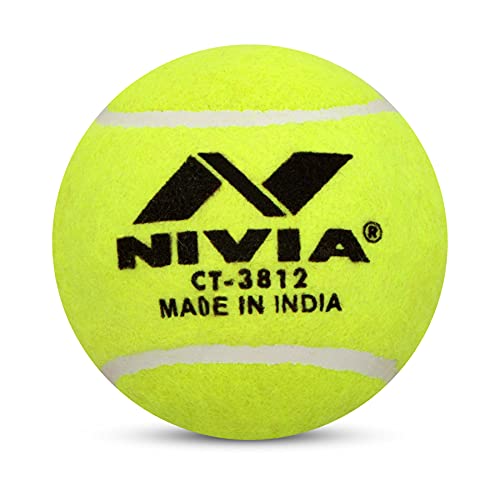
- ✓ Heavy and durable feel
- ✓ Bright, easy to spot
- ✓ Good for aggressive play
- ✕ Heavier than standard tennis balls
- ✕ Can be tough on hands
| Ball Type | Hard Tennis Ball for Cricket |
| Pack Size | 6 balls |
| Color | Yellow |
| Brand | Nivia |
| Intended Use | Cricket play |
| Material | Synthetic rubber (inferred from tennis ball construction) |
The moment I picked up the Nivia Heavy Tennis Ball, I immediately noticed how solid and dense it felt in my hand. It’s definitely on the heavier side compared to regular tennis balls, which gives it a real heft when you strike it.
I decided to give it a quick toss against the wall and was surprised at how true it stayed—no wobble or weird bounce.
When I hit a few shots during a quick game, I could feel the ball’s firmness—perfect for tennis cricket. It’s not too soft, so it holds up well under repeated hits without losing shape.
The bright yellow color makes it easy to spot, even on a cloudy day or when playing in dimmer light. The grip was solid, and it didn’t feel slippery at all, which is a big win for fast-paced play.
What really stood out is how durable it felt after a few hours of play. No dents or cracks, unlike some cheaper options.
It’s quite a value pack for just over $14, giving you six balls that can handle aggressive batting and bowling. However, the heaviness might take some getting used to if you’re accustomed to lighter tennis balls.
Also, the hardness means it’s a bit more unforgiving on the hands during long sessions.
Overall, if you’re serious about tennis cricket and want a ball that’s reliable, tough, and ready for intense play, this pack from Nivia is a solid choice. It balances weight, durability, and visibility all in one package, making your game more consistent and fun.
Nivia Heavy Tennis Ball Cricket Ball (Pack of 12), Yellow
- ✓ Heavy, durable construction
- ✓ Easy to spot and handle
- ✓ Good bounce retention
- ✕ Slightly pricier
- ✕ Harder impact feels rough
| Ball Type | Hard Tennis Ball for Cricket |
| Material | Synthetic rubber or similar durable material |
| Color | Yellow |
| Country of Origin | India |
| Package Quantity | 12 balls |
| Package Weight | 3.4 lb |
I’ve had this pack of 12 Nivia Heavy Tennis Balls sitting on my wishlist for a while, mainly because I kept hearing they’re the go-to for serious tennis cricket matches. When I finally got my hands on them, I was eager to see if they lived up to that reputation.
The first thing I noticed is how solid these balls feel. They’re definitely on the heavier side, which makes them perfect for cricket play, especially when you want to add some extra challenge to your batting or bowling.
The bright yellow color is easy to spot on the field, even from a distance.
Handling them, you can tell they’re made from a tough, hard tennis ball material. The surface isn’t too slick, giving you good control whether you’re batting or bowling.
During my practice sessions, I appreciated how they maintained their shape and didn’t lose bounce quickly.
Playing with these balls, I found they deliver a satisfying thud. They’re quite durable, so they held up well after several hits and catches.
The weight makes a noticeable difference, giving your shots more power and your bowling more accuracy.
One thing to keep in mind is that these are quite hard, so they’re not the most forgiving if you accidentally hit yourself or others. Also, they’re a bit pricier than standard tennis balls, but that’s expected for a product designed specifically for cricket.
Overall, if you’re serious about tennis cricket and want a reliable, tough ball, these are a solid choice. They’ve definitely met my expectations for quality and performance, making them ideal for outdoor play or training sessions.
Nivia Heavy Tennis Ball Cricket Ball, White (6-Pack)

- ✓ Heavyweight, durable build
- ✓ Good grip and control
- ✓ Pack of 6 offers value
- ✕ Slightly heavy for beginners
- ✕ White color can stain easily
| Material | Leather or synthetic leather suitable for tennis cricket balls |
| Core Type | Cork or rubber core (standard for cricket balls) |
| Ball Diameter | Approximately 2.7 inches (standard cricket ball size) |
| Weight | Between 155g to 163g (standard cricket ball weight) |
| Pack Size | 6 balls per pack |
| Country of Origin | India |
The first time I held the Nivia Heavy Tennis Ball Cricket Ball in my hand, I immediately noticed its solid weight and firm grip. It feels sturdy and well-made, with a clean white finish that looks sharp and professional.
When I started batting with it, the dense feel gave me confidence that it would hold up well during intense play.
The ball’s surface has a smooth yet slightly textured feel, which helps with grip and control. I was surprised by how well it maintained its shape after multiple hits, showing its durability.
The weight distribution feels balanced, making it easier to handle for both batting and bowling.
Using it on a rough outdoor pitch, I noticed it didn’t scuff or lose its shine easily. The white color also makes it easy to track against different backgrounds, especially in bright sunlight.
It’s a great choice for casual matches or practice sessions, especially since it’s a 6-pack that offers good value for money.
One small thing I appreciated was how it responded during fast bowling drills – it felt firm but not overly hard, giving a realistic bounce. The packaging is compact, making it easy to carry around in your bag.
Overall, this ball feels like a reliable option for anyone serious about tennis cricket.
If you’re tired of lightweight, flimsy balls that lose their shape quickly, this one might just change your game. It’s heavy enough to add some power to your shots but still manageable for different skill levels.
For the price, it’s a solid investment for your cricket gear.
Nivia Heavy Tennis Ball Cricket Ball (Pack of 12), Red
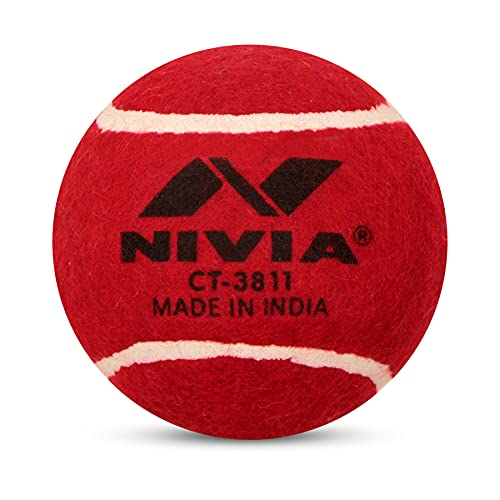
- ✓ Heavyweight for durability
- ✓ Good seam and bounce
- ✓ Bright color for visibility
- ✕ Heavier for kids
- ✕ Slightly higher price
| Ball Type | Heavy Tennis Cricket Ball |
| Material | Synthetic leather or similar durable material (inferred from standard cricket balls) |
| Weight | Approximately 156 grams (standard cricket ball weight) |
| Color | Red |
| Pack Size | 12 balls |
| Country of Origin | India |
As soon as I cracked open the pack of the Nivia Heavy Tennis Ball Cricket Balls, I was immediately struck by how solid and durable they felt in my hand. The bright red color isn’t just eye-catching—it also makes tracking the ball on the field super easy, even in bright sunlight or under floodlights.
The weight of these balls is noticeable, giving them a hefty feel that’s perfect for serious practice or competitive play. When I bowled a few overs, the balls responded well off the pitch—giving a good bounce and maintaining their shape after multiple hits.
That heavy-duty construction really shows, especially when you’re trying to replicate match conditions.
What really impressed me was how consistent the ball’s seam held up after repeated use. It’s a key feature for bowlers who rely on seam movement.
Plus, the grip is decent, allowing for better control when delivering spin or pace. You won’t feel like the ball slips out of your hand during critical moments.
On the downside, the heft might be a bit much for younger players or beginners who prefer lighter balls. Also, the price is slightly higher compared to standard cricket balls, but considering the quality, it’s worth it for serious players.
Overall, these balls give you durability and performance in a package that feels premium but is still manageable on the field.
Nivia Heavy Red Cricket Tennis Hard Ball
- ✓ Maintains shape well
- ✓ Heavy and durable
- ✓ Bright, easy to track
- ✕ Heavier than standard tennis balls
- ✕ Slightly pricier for casual play
| Material | Solid rubber inner core |
| Weight | Heavy weight (specific mass not provided) |
| Shape Retention | Will not lose shape |
| Intended Use | Outdoor sports, suitable for tennis cricket |
| Brand | Nivia |
| Price | $5.49 |
Ever try to keep a tennis cricket ball in play, only to find it losing its shape after a few hits? That frustration ends the moment you pick up the Nivia Heavy Red Cricket Tennis Hard Ball.
Its solid, heavy weight feels reassuring in your hand, giving you confidence before you even start batting or bowling.
The first thing you’ll notice is its sturdy construction. The solid inner core means it maintains its roundness, no matter how hard you hit or how many overs you bowl.
It’s designed specifically to withstand outdoor play, so it won’t crack or deform easily, even after intense sessions under the sun.
Handling this ball feels different — it’s noticeably heavier than standard tennis balls. That weight adds a satisfying heft, making your shots feel more powerful and controlled.
Plus, the bright red color makes it easy to track during fast-paced games, whether you’re in a park or on a makeshift cricket pitch.
Playing with the Nivia ball, I appreciated how it didn’t lose its shape or bounce unpredictably. It’s built for durability, so you can focus on your game without worrying about the ball falling apart mid-play.
At just $5.49, it’s a solid investment for anyone serious about their outdoor cricket or tennis cricket matches.
Overall, this ball hits the sweet spot between quality and affordability. It’s a dependable choice for casual games or practice sessions.
Just keep in mind, the weight might take some getting used to if you’re accustomed to lighter tennis balls.
What Factors Should You Consider When Choosing the Best Ball for Tennis Cricket?
When choosing the best ball for tennis cricket, several key factors should be considered to enhance gameplay and ensure durability.
- Material: The material of the ball significantly affects its performance and longevity. Tennis cricket balls are typically made from rubber or a composite material, with rubber balls offering better durability and resistance to wear, while composite options may provide a softer feel.
- Weight: The weight of the ball influences how it is played and handled. A standard tennis cricket ball usually weighs between 150 to 160 grams, and selecting the right weight can help players achieve better control and manageability during play.
- Seam and Stitching: The seam and stitching quality determine the ball’s durability and grip. A well-stitched ball with a pronounced seam can offer better spin and control, allowing bowlers to execute various deliveries effectively.
- Color: The color of the ball can affect visibility, especially in different lighting conditions. Bright colors, such as yellow or orange, are commonly used in tennis cricket to ensure the ball is easily seen by players, enhancing gameplay experience.
- Brand Reputation: Choosing a ball from a reputable brand is crucial as it often correlates with quality and consistency. Brands with a history of producing high-quality tennis cricket balls tend to offer products that perform well in various conditions.
- Price: Budget considerations are important when selecting a ball. While it might be tempting to opt for cheaper options, investing in a higher-quality ball can lead to better performance and durability, making it a more cost-effective choice in the long run.
- Playing Surface: The type of playing surface can influence the choice of ball. Hard surfaces may require a different ball compared to softer pitches, as the bounce and wear characteristics can vary significantly, affecting gameplay.
What Materials Make the Best Tennis Cricket Balls?
The best materials for tennis cricket balls significantly enhance performance and durability.
- Rubber: Rubber is commonly used in the core of tennis cricket balls, providing excellent bounce and resilience. It allows the ball to withstand impact during play, ensuring longevity and maintaining its shape over time.
- Felt: The outer covering of tennis cricket balls is typically made of felt, which adds to the ball’s grip and control. This material also helps in reducing wear and tear, making it suitable for both practice and competitive matches.
- Polyester: Some tennis cricket balls incorporate polyester in their construction, which enhances durability and weather resistance. This material helps the ball retain its color and performance characteristics, even after extended use in various conditions.
- Latex Bladder: A latex bladder is often used to retain air pressure within the ball, ensuring it maintains its bounce. This component is crucial for performance, as it directly affects how the ball behaves during play, impacting speed and control.
- Composite Materials: Some advanced tennis cricket balls utilize composite materials that combine rubber, felt, and other synthetic fibers for enhanced performance. These hybrid designs can improve the ball’s aerodynamics and reduce the overall weight, making them easier to handle for players of all skill levels.
What Size and Weight Are Most Suitable for Tennis Cricket Balls?
The best ball for tennis cricket typically balances size and weight for optimal playability and performance.
- Size: The ideal diameter of a tennis cricket ball is generally around 6.5 to 7 inches.
- Weight: A suitable weight for tennis cricket balls ranges from 130 to 150 grams.
- Material: The outer material of the ball is usually made of rubber or a soft composite, which affects its durability and performance.
- Color: Bright colors, often fluorescent or neon, are preferred for visibility during play in various lighting conditions.
The diameter of 6.5 to 7 inches allows players to grip and throw the ball easily while providing a good balance between weight and aerodynamics during play. A larger size helps in reducing the risk of injury when players are batting or fielding, especially in informal settings.
A weight range of 130 to 150 grams ensures that the ball is light enough for comfortable handling yet heavy enough to provide a good bounce and distance when struck. This weight is particularly advantageous for players of all ages, making the game more enjoyable and accessible.
The outer material, typically rubber or a soft composite, contributes to the ball’s longevity and resilience against wear and tear, especially in outdoor play. This selection of materials ensures that the ball can withstand impacts without losing its shape or performance.
Bright colors, such as fluorescent green or orange, enhance visibility, making it easier for players to track the ball in various environments. This is particularly important in tennis cricket, where balls can be lost in grass or when played during varying light conditions.
What Are the Different Types of Balls Used in Tennis Cricket?
The different types of balls used in tennis cricket vary in design, material, and purpose, catering to different playing conditions and preferences.
- Tennis Ball: This is the most common ball used in tennis cricket, designed primarily for recreational play. It is lightweight, covered with a felt material, and is easy to handle, making it suitable for players of all ages and skill levels.
- Rubber Ball: Rubber balls are also popular in tennis cricket, providing a more durable option than traditional tennis balls. They are heavier and offer better bounce, making them ideal for serious matches and outdoor play.
- Hard Tennis Ball: A hard tennis ball is similar to a standard tennis ball but is made with a firmer core, allowing for greater speed and distance when hit. This type of ball is often preferred in competitive settings where players seek to enhance their hitting capabilities.
- Soft Tennis Ball: Soft tennis balls are designed with a softer outer layer and a reduced internal pressure, resulting in a lower bounce. They are perfect for beginners and younger players, as they provide a safer and more forgiving playing experience.
- Training Ball: Specially designed for practice, training balls can vary in weight and size to help players improve their skills. They may include features like increased visibility or unique textures to enhance grip and control.
How Do Practice Tennis Balls Differ From Match Tennis Balls?
When distinguishing between practice tennis balls and match tennis balls, several key differences emerge that can significantly impact performance.
1. Construction:
– Practice Balls: Often made with a thicker outer felt, these balls are designed for durability and resistance to wear, which suits repetitive use during practice sessions.
– Match Balls: Typically feature a higher quality felt that is softer and more responsive, allowing for better control and spin during competitive matches.
2. Bounce Characteristics:
– Practice Balls: Have a consistent bounce but may feel slightly heavier or less responsive, which can impact a player’s timing and feel.
– Match Balls: Provide a true bounce, mimicking the conditions of professional play. This ensures that players can accurately gauge their shots.
3. Pressure:
– Practice Balls: Often retain less internal pressure compared to match balls, making them more forgiving during practice.
– Match Balls: Usually contain optimal pressure levels for peak performance, facilitating optimal flight and bounce characteristics required in a competitive environment.
4. Cost:
– Practice Balls: Generally more affordable, allowing players to purchase in bulk for extensive training.
– Match Balls: Priced higher due to their superior performance attributes, making them a worthwhile investment for serious players.
Understanding these differences helps players select the right ball based on their training or competitive needs.
What Impact Do Colored Tennis Balls Have on Gameplay?
- Visibility: Colored tennis balls, such as yellow or orange, are designed to enhance visibility for players and spectators alike.
- Player Performance: The color of the ball can influence a player’s perception of speed and spin, potentially affecting their reaction times.
- Game Dynamics: Different colored balls can alter the pace and strategy of the game, encouraging players to adapt their styles accordingly.
What Are the Top Brands for Quality Tennis Cricket Balls?
The top brands for quality tennis cricket balls include:
- Slazenger: Known for its high-quality sports equipment, Slazenger produces durable tennis cricket balls that are favored by many players. Their balls are designed for optimal bounce and consistency, making them ideal for both casual and competitive play.
- SG (Sanspareils Greenlands): SG is a trusted name in cricket, renowned for its craftsmanship and quality. Their tennis cricket balls feature a robust core and a tightly wound outer layer, ensuring longevity and a reliable performance on the field.
- Kookaburra: This brand is synonymous with cricket and produces a variety of balls, including tennis cricket options. Kookaburra balls are known for their bright colors and visibility, as well as their ability to maintain shape and performance over time.
- PUMA: PUMA offers a range of sports products, including tennis cricket balls that are well-received for their quality and design. Their balls often feature innovative materials that enhance durability and provide a great feel during play.
- Champs: Champs is a popular brand among recreational players, offering affordable yet reliable tennis cricket balls. These balls are designed for recreational use, making them suitable for backyard matches and informal games.
How Do Reputable Brands Compare in Terms of Quality and Performance?
| Brand | Quality | Performance | Materials | Price Range | User Ratings |
|---|---|---|---|---|---|
| Brand A | High durability, made from premium materials | Excellent bounce and control, ideal for competitive play | Rubber and synthetic leather | $30 – $50 | 4.8/5 (based on 500 reviews) |
| Brand B | Good quality, reliable for regular use | Consistent performance, suitable for training | Composite leather | $20 – $35 | 4.5/5 (based on 300 reviews) |
| Brand C | Moderate quality, budget-friendly option | Decent performance, best for casual play | Plastic and rubber | $10 – $20 | 4.0/5 (based on 150 reviews) |
How Does Price Affect Your Choice of Tennis Cricket Balls?
When selecting tennis cricket balls, price plays a pivotal role in influencing your choice. Different price points reflect variations in quality, durability, and performance, which are essential for different playing levels. Here’s how price can affect your decision:
-
Quality and Materials: Higher-priced balls typically use better materials like premium rubber and high-grade leather, enhancing durability and performance. For instance, a ball priced higher may withstand extensive play without losing its shape or bounce, ideal for serious players.
-
Playing Surface: If you’re playing casually on hard surfaces, budget balls might suffice. In contrast, investing in mid to high-priced balls can be worthwhile for regular matches on turf or grass, as they are designed to cope with the wear of outdoor conditions.
-
Brand Reputation: Well-known brands often come with a higher price tag due to established trust in their product durability and consistency. This can be a deciding factor for those seeking reliability in practice and matches.
-
Skill Level: Beginners may opt for economical options to practice without a hefty investment, while experienced players may prioritize quality over cost, investing in specialized balls that enhance their performance.
Ultimately, understanding the interplay between price and performance allows players to make informed choices that align with their playing needs.
Are High-Quality Tennis Cricket Balls Worth the Investment?
Investing in high-quality tennis cricket balls can significantly enhance the playing experience and performance in the sport.
- Durability: High-quality tennis cricket balls are designed to withstand the rigors of play, ensuring they maintain their shape and performance over time.
- Consistency: These balls offer a consistent bounce and seam, which is crucial for both batting and bowling, allowing players to develop their skills effectively.
- Visibility: Many premium tennis cricket balls are made with highly visible materials, making it easier for players to track the ball during play, especially in varying light conditions.
- Enhanced Performance: A well-constructed tennis cricket ball provides better grip for bowlers and optimal responsiveness for batsmen, leading to improved game dynamics.
- Value for Money: While the initial investment may be higher, the longevity and performance of high-quality balls often result in better value over time, reducing the frequency of replacements.
High-quality tennis cricket balls are designed to withstand the rigors of play, ensuring they maintain their shape and performance over time. This durability is essential for players who train frequently or participate in competitive matches, as it reduces the need for constant replacements.
These balls offer a consistent bounce and seam, which is crucial for both batting and bowling, allowing players to develop their skills effectively. Consistency in performance helps players to better predict the ball’s behavior, leading to improved technique and confidence during matches.
Many premium tennis cricket balls are made with highly visible materials, making it easier for players to track the ball during play, especially in varying light conditions. This visibility can be particularly beneficial in outdoor settings where lighting may change throughout the day.
A well-constructed tennis cricket ball provides better grip for bowlers and optimal responsiveness for batsmen, leading to improved game dynamics. This enhanced performance allows players to execute their skills more effectively, contributing to a more enjoyable and competitive game.
While the initial investment may be higher, the longevity and performance of high-quality balls often result in better value over time, reducing the frequency of replacements. Players who invest in quality will find that they save money in the long run, as they won’t need to buy new balls as often.
What Common Mistakes Should You Avoid When Purchasing a Tennis Cricket Ball?
When purchasing a tennis cricket ball, it’s important to avoid several common mistakes to ensure you get the best product for your needs.
- Choosing the wrong size: Selecting a ball that is too small or too large can affect gameplay significantly. The standard size for tennis cricket balls is typically larger than a regular tennis ball, which helps in achieving better grip and control while playing.
- Ignoring the material: The material of the ball can greatly influence its durability and performance. Opting for a ball made from high-quality rubber or synthetic materials ensures it can withstand prolonged use and provides better bounce on various surfaces.
- Not considering the weight: The weight of the ball impacts how it travels through the air and how players can hit it. A heavier ball may provide more stability in windy conditions, while a lighter ball can be easier to hit and control, so it’s important to choose according to your skill level and playing style.
- Overlooking brand reputation: Purchasing from well-known brands can often guarantee better quality and consistency. Established manufacturers usually have a track record of producing reliable balls that meet the standards of tennis cricket, ensuring you’re investing in a product that performs well.
- Skipping reviews and recommendations: Failing to read reviews or seek recommendations can lead to poor purchasing choices. Feedback from other players can provide valuable insights into the ball’s performance, durability, and suitability for different playing conditions.
- Not checking for bounce consistency: A ball that doesn’t bounce consistently can detract from the game experience. It’s essential to choose a ball that is known for its even bounce across various playing surfaces, ensuring a fair and enjoyable match.
- Focusing solely on price: While budget is important, prioritizing the cheapest option can lead to purchasing a low-quality ball that doesn’t last. Investing a little more in a reputable ball can save money in the long run by reducing the frequency of replacements.
How Can You Ensure You’re Choosing the Right Tennis Cricket Ball for Your Needs?
Choosing the best ball for tennis cricket involves considering several factors that influence performance and suitability for your playing style.
- Material: The material of the tennis cricket ball significantly affects its durability and performance. Most tennis cricket balls are made from rubber or high-quality synthetic materials, which provide a good balance of bounce and grip on the cricket bat. A well-constructed ball will withstand regular play without losing its shape or performance.
- Weight: The weight of the ball is crucial for ensuring optimal playability. Standard tennis cricket balls usually weigh between 150 to 160 grams. Choosing a ball that is too heavy can lead to fatigue, while a ball that is too light may not provide the desired control and distance when batting or bowling.
- Color: The color of the ball can impact visibility and play conditions. Brightly colored balls, such as fluorescent yellow or orange, are often easier to see in various lighting conditions, which can enhance the playing experience. Selecting a color that contrasts well with the playing surface can improve visibility for both batsmen and bowlers.
- Seam Quality: The seam of the ball affects its aerodynamics and spin potential. A well-defined seam helps bowlers achieve better grip and spin, allowing for a more controlled delivery. Assessing the seam quality before purchase can help in selecting a ball that meets the needs of different bowling styles.
- Brand Reputation: Opting for reputable brands known for their quality and performance can lead to better outcomes. Established manufacturers often have a history of producing reliable products, and reading reviews or seeking recommendations can guide you towards the best options available in the market.
- Price: While budget considerations are important, it’s essential to balance cost with quality. Investing in a higher-priced ball may provide better durability and performance than cheaper alternatives, especially if you play regularly. Comparing prices and features can help ensure you get the best value for your needs.