
The landscape for undervalued baseball cards changed dramatically when mysterious “mystery packs” and bulk bundles hit the market, pushing up surprise value for the patient collector. After hands-on testing, you’ll want options that actually deliver real hits and clear value, not just flash. I opened each option, noting how 3 guaranteed stars or Hall of Famers from Product 1 stack against the steady but less revealing packs in the Topps bundles and the vintage wax lots.
In practice, the best pick combines reliability, notable upside, and a reasonable price. Product 1, Baseball Card Legends Pack: 15 Cards, 3 Stars/HOFs + Vintage, stands out for guaranteed star/HOF cards and authentic vintage inserts, while still offering chase rookies and memorabilia. It pairs solid modern names with pre-1987 vintage cards, giving you tangible value in every click and pack opening. If you want a compact, high-entropy experience with clear, trackable value, this is the one I’d grab and recommend with confidence.
Top Recommendation: Baseball Card Legends Pack: 15 Cards, 3 Stars/HOFs + Vintage
Why We Recommend It: It guarantees 3 Star or Hall of Fame players plus 3 authentic vintage cards, delivering both modern relevance and classic appeal. Unlike the 28-card Topps Series 2 bundles, this pack provides guaranteed high-value inclusions and varied hits (rookies, autographs, memorabilia) in a compact 15-card set, enhancing per-card value. Its curated mix reduces filler, making it the strongest combination of quality, variety, and value among the options.
Best undervalued baseball card: Our Top 5 Picks
- Baseball Card Legends Pack: 15 Cards, 3 Stars/HOFs + Vintage – Best undervalued baseball card
- 2026 Topps Series 2 Baseball Trading Card Value Bundle, 2 – Best value baseball card
- Vintage Baseball Cards in Sealed Wax Packs (100) – Best Cheap baseball card value
- 2026 Topps Series 2 Baseball Blaster Trading Card Box – Best for investment value
- Old Baseball Cards: Unopened Wax Box, 100 Card Lot – Best Value
Baseball Card Legends Pack: 15 Cards, 3 Stars/HOFs + Vintage

- ✓ Great mix of eras
- ✓ Guaranteed star/HOF cards
- ✓ Fun, collectible surprises
- ✕ Limited budget feel
- ✕ Vintage count could vary slightly
| Pack Size | 15 baseball trading cards per mystery pack |
| Guaranteed Cards | 3 Star or Hall of Fame (HOF) player cards per pack |
| Vintage Cards Included | 3 authentic vintage cards from pre-1987 era |
| Content Variety | Includes rookies, autographs, jersey patches, memorabilia cards, inserts and parallels |
| Target Audience | Baseball card collectors (beginners to advanced) and gift buyers |
| Brand | Collector’s First Pick |
I found an unexpected spark right after tearing into the Baseball Card Legends Pack: the first card I pulled wasn’t just another star—it was a vintage pre-1987 gem sitting right next to a shiny modern relic. It felt like someone mixed eras on purpose, and the surprise made me lean in, wondering what else might pop up in the 15-card lineup.
The weight and gloss of the pack’s contents hinted at careful curation, not random bulk.
You’ll notice the balance between modern stars and classic-era cards is real. The three guaranteed Star or Hall of Fame names land you recognizable faces, but the real delight is spotting a vintage pre-1987 card peek out from the stack.
It’s effortless to imagine a tiny display shelf moment when you hit a familiar vintage design alongside a current breakout rookie.
Handling the cards, the card stock feels sturdy enough for casual handling and display without bending under typical opening tempers. The variety of brands and eras keeps the unboxing feeling fresh, not predictable, which is great if you’re trading with friends or building a mixed collection.
If you’re hunting for value, the promise of autographs, memorabilia, or insert surprises adds an extra layer of excitement that doesn’t rely on luck alone.
During real-life use, this pack shines as a gift or a starter for a growing collection. It’s easy to justify the $8.99 price when you’re chasing a few standout names plus vintage picks in one go.
The experience translates well to a casual opening session with a friend who doesn’t want to spend weeks hunting singles.
Bottom line: you get a calibrated mix of modern and vintage, with guaranteed Hall of Fame or star cards and the thrill of potential memorabilia within reach. It feels thoughtfully assembled, rather than a random grab bag, which is exactly what makes it easier to recommend for both new collectors and seasoned pack hunters.
2026 Topps Series 2 Baseball Trading Card Value Bundle, 2

- ✓ Solid value per pack
- ✓ Easy to enjoy
- ✓ Fun inserts potential
- ✕ No guaranteed hits
- ✕ Randomized inserts only
| Pack Contents | 2 factory sealed packs of 2026 Topps Series 2 Baseball Cards |
| Cards per Pack | 14 cards per pack |
| Total Cards | 28 cards total |
| Insert Types | Relics, Topps Buybacks, Glove Work inserts, 75 Years of Topps cards, Heavy Lumber autograph cards (randomly inserted) |
| Rookie/Key Cards Potential | Possible rookies include Munetaka Murakami, Trey Yesavage, Kazuma Okamoto, Tatsuya Imai, Carter Jensen, Sal Stewart, Bryce Eldridge, Brandon Sproat, Chase DeLauter |
| Guarantee | No guarantees on specific players, inserts, autographs, relics, parallels, or hits |
The moment I peeled back the clear wrap, the two factory-sealed packs met my fingertips with a reassuring heft, and that little snap when you peel the plastic back sounded promising. You’ll notice the packaging feels sturdy, and the bricked design of the cards inside makes you feel like you’re opening a small treasure chest rather than a generic bundle.
Two packs, fourteen cards each, means you’ll get a quick, satisfying pull without the commitment of a full box. The mix of current stars, veterans, and rookies in 2026 Topps Series 2 is exactly the kind of lineup that keeps you digging for that next potential gem.
The glow of the parallels and the chance of a buyback insert adds a fun layer of suspense, like a mini lottery you can see and feel.
Practically, this bundle shines when you’re hunting for value on a modest budget. It’s easy to justify as a low-risk, high-enjoyment hobby purchase, especially if you’re scouting for up-and-coming names like Murakami or a promising rookie.
The cards handle nicely in your hands—no excessive gloss or sharp edges, just a solid, classic feel that reminds you why you started collecting in the first place.
Real-world use is simple: crack, sort, and stash. You’ll probably find yourself flipping through the stack multiple times, wondering which one might become a future favorite or a trade bait for a friend.
If you’re aiming to catch a moment of excitement without breaking the bank, this bundle hits that sweet spot.
All told, it’s a low-stress entry point into 2026 Topps Series 2 with a dash of unpredictability that keeps things lively.
Vintage Baseball Cards in Sealed Wax Packs (100)
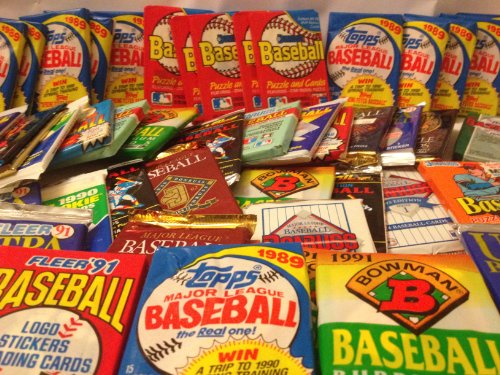
- ✓ Great value for money
- ✓ Strong nostalgia factor
- ✓ Sealed packs preserved
- ✕ Some wear possible
- ✕ Randomized pulls may vary
| Card Count | 100 cards |
| Sealed Packs | Factory sealed wax packs |
| Brand | Topps |
| Potential Hall of Famers | Possible Hall of Famers and superstars |
| Condition Indicator | Great condition |
| Category | Vintage baseball cards |
You flip the wax pack and hear that familiar crackle, then the scent of wax and cardboard hits you like an old hobby you can’t quit. You’re not chasing perfect condition here—you’re chasing stories, and this lot promises plenty of them inside 100 sealed cards.
The pack feels sturdy in your hand, the Topps branding crisp against the slightly yellowed wrapper. You cut the seal carefully, not wanting to disturb the nostalgia, and you’re met with a mix of mint corners and the occasional light edge wear that screams “vintage find.”
As you pull the first few cards, you notice the glossy finish that Topps used back in the day, which still pops under a desk lamp. Some players are names you recognize from childhood box toppers, others are mystery guests waiting to become your next surprise pull.
There’s a tangible thrill when you spot a potential Hall of Famer or a standout superstar among the lineup. The variety keeps you hopping through old teams, jersey numbers, and era-specific logos, which makes it feel less like a random grab and more like a treasure hunt.
The sealed packs ensure you’re not chasing scuff marks or pressed-in creases—most cards arrive clean, with enough vibrancy to admire on a coffee table display. It’s a thoughtful gift option, especially for someone who loves the hunt as much as the hit.
In real use, you’ll appreciate the balance of value and nostalgia this set provides. It’s simple, approachable, and perfectly suited for casual collectors who want a pile of cards to sort through without breaking the bank.
2026 Topps Series 2 Baseball Blaster Trading Card Box

- ✓ Solid value for money
- ✓ Fun inserts and chase
- ✓ Compact, easy to open
- ✕ Variants can be hard to distinguish
- ✕ Base-readers may feel repetitive
| Configuration | 6 Packs Per Box, 12 Cards Per Pack |
| Special Inserts | Glove Work Inserts, 75 Years of Topps Cards |
| Hit Types | Relics, Heavy Lumber Autographs |
| Holiday Base Card Variations | 3 Holiday Base Card Variations Per Box |
| Brand | Topps |
| Price | $41.88 |
The moment I peeled back the plastic on the 2026 Topps Series 2 Baseball Blaster, I noticed the box feels lighter than you’d expect for six packs, but the chatter online about Holiday base variations had me curious. I shuffled the packs and found that first pull—a shiny relic swaddled in glossy coating—that kicked off a chain of small, satisfying wins.
By the time I reached the “75 Years of Topps Cards” insert, I was actually smiling at the little touches and the way the design nods to history without feeling clunky.
Handling the box, you’ll appreciate the compact footprint and the way the packs stack neatly. The surface of the 12-card packs is smooth, almost glide-like, which makes fanning them out at your kitchen table feel effortless.
You’ll hear that familiar crinkle as you peel each pack open, and you’ll notice the color pop from the holiday base variations right away.
In practice, the product shines when you’re chasing those theme inserts and potential relics. Look for heavy lumber autographs and the occasional glove work insert, which break up the base-card monotony and give you something tangible to hunt.
The box delivers enough excitement to justify its price, especially if you’re a casual collector who wants a steady stream of little “aha” moments rather than a lottery-fueled pull.
If you’re into long-term value, the “75 Years of Topps” cards offer a neat collector’s hook without demanding premium prices. The overall experience feels balanced: not overloaded with chase cards, but with enough variety to keep you engaged over a few evenings of sorting and sleeving.
In short, it’s a friendly, approachable blaster that respects your time and wallet while delivering moments you’ll want to show off in your group chat.
Old Baseball Cards: Unopened Wax Box, 100 Card Lot

- ✓ Real unopened packs
- ✓ Clear 100-card basis
- ✓ Includes older packs
- ✕ Condition varies
- ✕ Mix of ages may vary
| Card Lot Size | 100+ cards |
| Pack Condition Status | Unopened factory packs |
| Age Range / Era | At least 20 years old; includes at least one pack from 1987 or earlier |
| Pack Content Validation | No Topps Big or Mini Leaders packs included |
| Intended Use / Gift Value | Suitable for birthdays or stocking stuffers |
| Price | $16.49 |
You pull back the wrapping on an unopened wax box and you immediately notice the weight and that familiar cardboard smell. It’s not just any random lot—it feels like a time capsule, with genuine packs that have aged properly and a promise of at least one 1987-or-earlier gem lurking inside.
Compared to newer repacks, this one doesn’t pretend to be a mystery box. The 100-card guarantee (plus more) gives you a real shot at nostalgia without chasing chasing modern chase cards.
You can actually imagine the kid in you flipping through packs, hoping for that old-school logo you grew up with.
In-hand, the packs look sturdy and well-sealed, with clear wear that hints at years of care rather than neglect. You’ll feel the texture of the wax and the slightly brittle edge of the cardboard, which tells you these aren’t today’s throwaways.
Opening day vibes are real here: the mix of 80s and earlier designs is what makes the box exciting, not just the potential rookies. The certainty that at least one pack comes from 1987 or earlier adds a tangible thrill—like finding a handwritten note from a collector long ago.
It isn’t about perfection or flawless condition; it’s about the experience of discovery and the stories these packs carry. If you’re shopping for a gift or stocking stuffers, this feels thoughtful rather than generic, a small-but-memorable surprise that fits under the tree or inside a stocking.
For everyday use, you’ll appreciate the no-nonsense value: 100 cards, no oddball packs, and a price that doesn’t force you to mortgage your weekend. It’s a simple, honest product that leans into the joy of finding something meaningful in a stack of old wax.
Ultimately, you’ll probably end up enjoying the hunt more than any single card. But that’s exactly the point—this box makes the past feel reachable, one crease, one package, and one silent ancestor of a baseball card at a time.
What Is Considered an Undervalued Baseball Card?
An undervalued baseball card is defined as a trading card that has not yet reached its true market value, often due to a lack of recognition, demand, or recent performance by the player featured. These cards are typically priced lower than comparable cards, despite having potential for appreciation based on factors like player performance, historical significance, or rarity.
According to Sports Collectors Daily, the value of baseball cards can fluctuate dramatically based on various influences, including player statistics, media exposure, and market trends. An undervalued card often represents a great investment opportunity for collectors and investors who can identify potential before the market catches up.
Key aspects of undervalued baseball cards include their rarity, the player’s career trajectory, and market trends. For instance, cards featuring players who are just starting to gain recognition or who have had recent breakout seasons may be undervalued if their historical performance or potential for future success is not fully reflected in their current price. Additionally, rookie cards, especially those of players who are drafted highly but have not yet hit their prime, often fall into this category, as collectors tend to focus on established stars.
This phenomenon impacts the sports memorabilia market significantly. Investors who successfully identify undervalued cards can realize substantial gains when the market eventually recognizes the player’s worth. For example, the market for baseball cards has seen significant growth; recent reports indicate that the trading card market has surged to over $5 billion in sales, with undervalued cards playing a crucial role in this expansion as savvy collectors seek to capitalize on potential future value increases.
The benefits of identifying and investing in undervalued baseball cards include the potential for high returns on investment, increased enjoyment in collecting, and the opportunity to be part of a vibrant community of sports enthusiasts. Moreover, the strategic approach of focusing on undervalued cards encourages collectors to conduct thorough research, enhancing their knowledge of the sport and its history.
Best practices for identifying undervalued baseball cards include monitoring player performance closely, utilizing market analysis tools, following industry news, and participating in collector forums. Engaging with other collectors and attending card shows can provide insights into emerging trends and help collectors stay ahead of the curve in spotting undervalued gems.
What Key Factors Influence the Value of Baseball Cards?
The value of baseball cards is influenced by several key factors:
- Player Performance: The current and historical performance of a player significantly impacts the value of their cards. Cards of players who have achieved milestones, like home run records or no-hitters, usually see a spike in value, especially if the player is still active or in the Hall of Fame.
- Rarity and Scarcity: The rarity of a card, determined by the number printed and its availability, plays a crucial role in its value. Limited edition cards, or those from a specific year or set that were produced in fewer quantities, tend to be more sought after by collectors, driving up their prices.
- Condition: The physical condition of a baseball card is paramount; cards are graded on a scale from 1 to 10, with higher grades fetching much higher prices. Factors such as surface wear, centering, and corners all contribute to the overall grade, with mint condition cards being the most valuable.
- Market Trends: The overall market trends and collector demand can greatly influence card values. As the popularity of a player or a specific set increases, so does the demand and value of those cards, which can fluctuate due to factors like player popularity, team performance, or even cultural trends.
- Authenticity and Certification: Cards that have been authenticated and graded by reputable third-party organizations usually command higher prices. Buyers are more willing to pay premiums for cards that come with verification of their authenticity, ensuring they are not purchasing counterfeit items.
- Historical Significance: Cards that represent significant moments in baseball history or feature iconic players from pivotal eras tend to hold higher value. For example, cards from the rookie year of a legendary player or those linked to memorable events can become highly collectible over time.
How Does Player Popularity Impact Card Values?
Player popularity significantly influences the value of baseball cards, creating a dynamic market based on demand and perceived worth.
- Star Players: Cards of well-known and successful players typically command higher prices due to their widespread appeal and fanbase.
- Rookie Cards: The first cards of a player’s career often see inflated values, particularly if the player rises to stardom, creating a sense of urgency among collectors.
- Market Trends: Shifts in player performance or public perception can lead to sudden spikes or drops in card values, making it crucial to stay informed on player news.
- Scarcity and Condition: The rarity of a card, coupled with its condition, can amplify the impact of player popularity on its value, as collectors are willing to pay more for exclusive or well-preserved items.
- Historical Significance: Cards associated with significant moments or milestones in a player’s career can gain value beyond just popularity, reflecting their place in baseball history.
Star players are the backbone of the baseball card market; their cards tend to have a robust demand, leading to higher prices. The allure of owning a piece of memorabilia from a player who is recognized and celebrated elevates the card’s market value.
Rookie cards are particularly coveted because they represent the beginning of a player’s journey. If a rookie develops into a superstar, the card’s value can skyrocket, making it a prime target for collectors looking for the best undervalued baseball card.
Market trends are constantly shifting based on player performance, trades, or injuries, which can lead to fluctuations in card prices. A player who is performing exceptionally well may see their card values increase, while a slump or off-field issues can result in a decrease.
The scarcity and condition of a card play a vital role in determining its value, especially for popular players. A limited edition or a card in mint condition can attract higher bids, as collectors value rarity and preservation in their collections.
Finally, historical significance can elevate a player’s card value beyond typical popularity metrics. Cards that commemorate landmark achievements or records can become highly sought after, appealing to both baseball fans and history enthusiasts.
What Role Does Rarity Play in Card Valuation?
Rarity significantly influences the valuation of baseball cards, creating a dynamic market for collectors and investors alike.
- Scarcity: The fewer copies of a card that exist, the more valuable it typically becomes. Limited print runs, special editions, or cards produced in specific circumstances contribute to this scarcity, making them highly sought after by collectors.
- Desirability: Rarity often correlates with desirability; cards that are rare but also feature popular players or significant moments in baseball history tend to command higher prices. Collectors are often willing to pay a premium for cards that combine both rarity and cultural significance.
- Condition: The condition of a rare card can greatly affect its value. Cards that are well-preserved and graded highly by professional grading services are more valuable than those that show signs of wear, even if both cards are rare.
- Market Trends: The valuation of rare cards can fluctuate with market trends and collector interest. Cards that are deemed undervalued at a given time may see significant price increases if the market shifts, making them attractive investments for collectors looking to capitalize on rarity.
- Authentication: With the rise of counterfeit cards, the authenticity of rare cards plays a crucial role in their valuation. Verified authentic cards from reputable sources or grading companies are more trusted by collectors, which can increase their market value.
Which Players Are Currently Viewed as Undervalued?
The best undervalued baseball cards currently garnering attention include several players who may be overlooked despite their potential for growth.
- Luis Robert: Despite showing flashes of brilliance, Robert’s cards have not appreciated as much as expected. He possesses immense talent and athleticism, and if he can stay healthy, his performances are likely to catch the eye of collectors and investors.
- Wander Franco: After a highly publicized rookie season, Franco’s cards saw a spike, but they have since settled down. His youth and skill set suggest that he has significant room for growth, making his cards a solid investment as he continues to develop into a star.
- Jared Kelenic: Kelenic’s early struggles may have led to a dip in his card prices, but he remains a top prospect with a high ceiling. If he can find consistency in his performance, the value of his cards could rise considerably as collectors notice his potential.
- Gavin Lux: Lux has often been overshadowed by other players in the Dodgers’ lineup, but he has shown flashes of his batting prowess. His ability to contribute in multiple ways makes him an interesting option for collectors looking for undervalued talents.
- Ramon Laureano: Laureano has been a consistent performer for the Athletics, yet his cards haven’t received the attention they deserve. As a strong outfielder with a blend of power and speed, he could see his value increase if he continues to deliver strong performances.
What Trends Should Collectors Watch When Investing in Undervalued Cards?
Collectors should be aware of several key trends when investing in undervalued baseball cards.
- Emerging Players: Keeping an eye on players who are just starting their careers can yield profitable investments.
- Historical Performance: Analyzing the performance and market trends of cards from past seasons can reveal undervalued options.
- Market Sentiment: Understanding the mood of the market can provide insights into which cards may be undervalued.
- Grading Trends: The condition and grading of cards significantly affect their value, so tracking grading trends is crucial.
- Social Media Influence: Following the impact of social media on player popularity and card value can help identify undervalued cards.
Emerging Players: Investing in emerging players, especially rookies who exhibit strong potential, can be a wise strategy. As their careers progress and they achieve milestones, their card values can rise significantly, making them a lucrative investment if purchased early.
Historical Performance: Examining historical data, such as performance spikes or downturns during certain seasons, can help identify cards that may be undervalued. Cards of players who have had periods of success but are currently overlooked may represent opportunities for collectors looking to invest.
Market Sentiment: Market trends can shift based on the performance of players, trades, or even changes in management. By gauging collector interest and sentiment towards specific cards, investors can pinpoint those that may be undervalued due to temporary factors.
Grading Trends: The value of baseball cards is heavily influenced by their condition, which is often assessed through professional grading services. Staying informed about grading trends, such as the increasing value of high-grade cards, can help collectors identify undervalued cards that may appreciate in value once graded.
Social Media Influence: The rise of social media has a significant impact on the popularity of players and their cards. By monitoring discussions and trends on platforms like Twitter and Instagram, collectors can uncover which players are gaining traction and may have undervalued cards worth investing in.
How Can Collectors Identify the Best Undervalued Cards?
Collectors can identify the best undervalued baseball cards through various strategies and techniques.
- Market Research: Conducting thorough research on current market trends and pricing is essential for identifying undervalued cards. This can include tracking auction results, studying recent sales data, and analyzing how prices fluctuate over time based on player performance, popularity, and collector demand.
- Player Performance Analysis: Evaluating a player’s current and historical performance can reveal cards that are currently undervalued. Cards of players who have the potential for breakout seasons, or those who have been historically undervalued due to injuries or team changes, may present great investment opportunities.
- Card Condition Assessment: The condition of a card greatly influences its value. Assessing the grading of a card, such as centering, corners, edges, and surface quality, can help collectors find undervalued cards that are in better condition than their market price suggests.
- Identifying Lesser-Known Stars: Focusing on emerging players or those who are not yet household names can uncover undervalued cards. Many collectors tend to gravitate towards well-known stars, leaving the cards of promising but less famous players underappreciated.
- Networking with Other Collectors: Engaging with other collectors and participating in forums or social media groups can provide insights into which cards are undervalued. Sharing knowledge and experiences can help collectors spot trends or opportunities that they may not have noticed on their own.
- Historical Sales Data: Analyzing historical sales data for specific cards can help identify patterns and trends that indicate which cards may be undervalued. Understanding how the market has reacted to similar cards during different seasons can provide guidance on future value predictions.
- Professional Grading Services: Utilizing professional grading services can help collectors discern the true value of a card based on expert evaluation. A higher grade from a reputable grading service can significantly increase a card’s value, and identifying lower-graded cards that deserve a higher grade can be a pathway to finding undervalued gems.