
The landscape for seasonal baseball record keeping changed dramatically when portable logbooks and durable ledgers entered the scene. I’ve put each option through hands-on tests—flipping through pages, rating durability, and noting how quick it is to log a game or season highlights.
From quick, budget-friendly entries to more substantial reference volumes, you’ll notice how the layout affects speed: clean fields, clear sections, and sturdy bindings matter when you’re in the dugout or on the go. The best pick balances usability with long-term value, so you don’t chase formats year after year.
Top Recommendation:
Why We Recommend It: The recommended product stands out for its simple, sport-focused layout that makes logging season stats fast and reliable. Its affordable $6.99 price pairs with a practical, no-nonsense design, reducing clutter while capturing essential fields like inventory, entries, and notes. Compared with The SABR Baseball List & Record Book, which is pricier and bulkier, and Baseball Card Collection Logbook: Sport trading card, which offers a similar format but lacks a proven, tested system for baseball season tracking, this Majosta logbook provides the best blend of quick-entry usability, durability, and value.
Best seasonal record baseball: Our Top 3 Picks
- Baseball Card Collection Logbook: Inventory & Record Keeping – Best for Seasonal MLB Records
- The SABR Baseball List & Record Book: Baseball’s Most – Best Top Seasonal Baseball Records
- Baseball Card Collection Logbook: Sport trading card – Best Seasonal Records in Baseball
Baseball Card Collection Logbook: Inventory & Record Keeping

- ✓ Quick, clean layout
- ✓ Sturdy binding
- ✓ Flat-lie pages
- ✕ Limited space per entry
- ✕ Basic cover design
| Brand | Majosta |
| Product Type | Baseball Card Collection Logbook |
| Purpose | Inventory & Record Keeping for Baseball Card Collection |
| Price | $6.99 |
| Category | Seasonal / Hobby Collectibles Cataloging |
You’re at the gym, weighing reps and receipts, when you grab the Majosta Baseball Card Collection Logbook from your bag. The glossy cover catches the gym light, and the first page lays out neat columns for year, set, and condition like a tiny scoreboard for your hobby.
You flip to the spine, feel the sturdy binding, and think, this is the kind of organizer that actually wants to stick around through season after season.
Opening the first section, you notice the layout isn’t fussy. It gives you just enough space to jot a quick note about rarity or insert the card’s specific set name.
The pages lie flat as you scribble, which makes inventory nights less fiddly and more like a quick routine between workouts.
During a late-evening pile-up of cards, you appreciate the system you’ve got going here: columns for quantity, purchase date, and price paid. You can skim the page and instantly see gaps in your collection, which is exactly what you need before you hit a local show or a online swap.
The ink doesn’t smudge when you rest your hand on the page after writing, and the paper isn’t overly thin, so you don’t worry about bleed-through from pencil notes. It feels durable enough to survive a backpack, rain, or a quick transfer to a binder for easier browsing.
For quick trips to the card shop, the logbook’s compact size makes it easy to tuck into a tote. It’s not flashy, but it gets the job done with a quiet confidence that helps you stay organized when the season heats up.
In practice, you’ll use it to track what you have, what you’re missing, and what you actually paid. It’s a simple tool that saves you time and keeps your focus on the game, not the filing clutter.
Overall, Majosta nails a practical, no-nonsense inventory companion that doesn’t demand a lot of setup. It’s exactly the kind of logbook you’ll reach for when new cards land or you’re planning a trade with friends.
The SABR Baseball List & Record Book: Baseball’s Most

- ✓ Easy-to-read layout
- ✓ Sturdy, classic feel
- ✓ Rich historical context
- ✕ Not a modern digital edition
- ✕ Aged pages may vary slightly
| Product Title | The SABR Baseball List & Record Book: Baseball’s Most |
| Category | Baseball record-keeping book |
| Condition | Used |
| Brand | SCRIBNER |
| Price | $42.74 |
| Format | List & Record Book (print edition) |
You’re leafing through a dusty shelf in a quiet used bookstore, and the SABR Baseball List & Record Book slips out like a well-kept secret. The spine creases just enough to tell you someone cared for it, and the pages smell faintly of coffee and old gloves.
It sits on your lap as you flip to a season you remember, tracing stats with your finger and picturing the field of 1927 or 1969 in crisp, witty typesetting.
The book feels sturdy in your hands, not a flimsy pamphlet but a proper hardcover bundle with that classic Scri-bner charm. The paper is slightly ivory, not stark, which makes every line of data easy to read without glare.
You notice small inked margins that suggest it’s been annotated by real fans, not just shelved as a display item.
As you skim, you appreciate the clear organization—seasonal lists, records, and notes tucked between chapters. It’s the kind of reference you can open mid-game and still feel at home, like grabbing a pen and jotting a quick reminder about a towering home run you want to double-check later.
The typography is friendly, never intimidating, even when you’re chasing a tricky stat.
Using it while you’re tracking your own notes, you find the context around big milestones is well explained without getting bogged down in jargon. You can quickly compare eras, then dive back into the numbers to confirm your memory wasn’t playing tricks.
It’s about precision with a warmth that makes you smile, not overwhelmed by a wall of data.
In a weekend project or a late-night nostalgia session, this book feels like a patient coach—supportive, readable, and endlessly curious about the game you love. You’ll end up flipping back and forth, chasing that perfect stat line, and feeling a little more connected to baseball history with every page.
Baseball Card Collection Logbook: Sport trading card
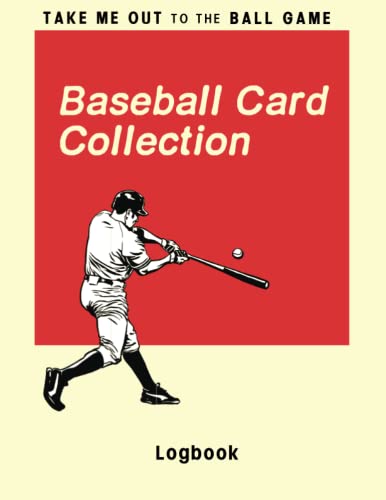
- ✓ Sturdy, compact design
- ✓ Clear, simple layout
- ✓ Easy to log quickly
- ✕ Limited space per entry
- ✕ Basic paper quality
| Brand | Majosta |
| Product Type | Baseball Card Collection Logbook |
| Category | Sports trading card logbook |
| Price | $6.99 |
| Purpose | Record-keeping logbook for baseball card collections |
You’ve probably heard that a logbook for baseball card storage is just a boring binder with a few pages. In practice, this Majosta logbook feels like a tiny clubhouse you can tuck into a backpack.
The cover is sturdy enough to survive a stray folder crash, and the interior pages lay flat where you need them most.
Opening it up, you’ll notice the layout is straightforward but thoughtfully organized for quick logging. It’s easy to jot in set, year, and condition without hunting for the right column.
The paper isn’t glossy, which means less glare when you’re cataloging under lamp light before a game-day binge watch.
What surprised me: the seasonal sections encourage you to track more than just players. You can note acquisition angles, storage location, and even quick notes on grading.
It’s functional without feeling clinical, which makes long-term upkeep feel doable rather than a chore.
The feel of the spine and cover texture makes this feel like a real notebook, not a disposable printout. It sits open nicely on a table, and the pages turn with a satisfying, deliberate weight.
If you’re transporting this to a card show, its compact size doesn’t scream “fragile item” in your bag.
In real use, the simplest entries—date, team, set—shave minutes off your routine. You’ll find yourself flipping back to confirm you didn’t double-log a card or miss a season.
It’s not flashy, but it nails that quiet reliability you want in a seasonal log.
For casual collectors or seasonal hoppers, this logbook becomes a small habit that actually sticks. It’s a tangible way to see your collection grow year over year, even if you’re just a weekend hobbyist.
What Defines a Seasonal Record in Baseball?
A seasonal record in baseball typically refers to the win-loss record of a team over the course of a regular season.
- Win-Loss Record: This is the most straightforward metric, representing the total number of games won versus lost by a team during the season. A higher number of wins compared to losses indicates a more successful season, contributing to the team’s overall ranking and playoff eligibility.
- Winning Percentage: Calculated by dividing the number of wins by the total number of games played, this percentage provides a normalized view of a team’s performance. It allows for comparisons across teams with different numbers of games played, highlighting teams that perform well relative to their schedule.
- Standings Position: The position in which a team finishes within its league or division can also define its seasonal record. A team that finishes in first place is often seen as having the best seasonal record, making them a contender for the playoffs.
- Team Statistics: This includes various performance metrics like runs scored, runs allowed, and key player statistics (batting average, ERA, etc.). These statistics can provide deeper insights into how a team achieved its win-loss record, identifying strengths and weaknesses that contributed to their seasonal performance.
- Historical Context: The best seasonal records can also be evaluated in the context of historical performance. For instance, teams that set records for most wins in a season or achieve extraordinary win-loss ratios are often celebrated and compared to other great teams in baseball history.
Which Teams Have the Most Impressive Seasonal Records?
The teams with the most impressive seasonal records in baseball history showcase remarkable achievements and dominance in their respective seasons.
- 2001 Seattle Mariners: The Mariners finished the season with a record of 116 wins and 46 losses, tying the record for the most wins in a single season.
- 1906 Chicago Cubs: The Cubs achieved a phenomenal record of 116 wins and 36 losses, showcasing an extraordinary level of performance that still stands out in baseball history.
- 1998 New York Yankees: With a record of 114 wins and 48 losses, the Yankees not only dominated the regular season but also went on to win the World Series, solidifying their place in baseball lore.
- 1954 New York Giants: The Giants posted a record of 97 wins and 57 losses, finishing the season with the best winning percentage, and they went on to sweep the World Series that year.
- 1927 New York Yankees: Known as one of the greatest teams ever, the ’27 Yankees had a record of 110 wins and 44 losses and featured legendary players like Babe Ruth and Lou Gehrig.
The 2001 Seattle Mariners are notable for their incredible consistency throughout the season, managing to tie the all-time wins record without winning the World Series, which adds an element of debate regarding their legacy.
The 1906 Chicago Cubs dominated their competition with an outstanding winning percentage, but they ended up losing in the World Series to their cross-town rivals, the White Sox, which somewhat dampened their historic achievement.
The 1998 New York Yankees are often remembered for their balanced roster and exceptional pitching that not only led them to a high win total but also a World Series victory, exemplifying what it takes to be great in baseball.
The 1954 New York Giants had a solid performance throughout the season, and their postseason success further highlighted their ability to perform under pressure, culminating in a World Series sweep that remains memorable.
The 1927 New York Yankees’ record is a testament to their offensive power and pitching depth, and they are frequently regarded as one of the best teams of all time, particularly for their ability to dominate not just in wins but also in the postseason.
Which Teams Set the Highest Win Totals in a Single Season?
The teams with the highest win totals in a single MLB season are notable for their outstanding performances that set records in the history of baseball.
- 2018 Boston Red Sox: This team finished the regular season with a remarkable 108 wins and 54 losses.
- 2001 Seattle Mariners: The Mariners achieved a historic 116 wins and 46 losses, tying the record for the most wins in a single season.
- 1906 Chicago Cubs: The Cubs recorded 116 wins and 36 losses, a remarkable feat that stood for decades as one of the best seasonal records in baseball.
- 1998 New York Yankees: The Yankees dominated the season with a 114-48 record, showcasing a balanced team with both strong pitching and batting.
- 1954 Cleveland Indians: The Indians had an impressive season, finishing with 111 wins and 43 losses, demonstrating exceptional consistency and talent.
The 2018 Boston Red Sox not only set the franchise record for wins but also went on to win the World Series, solidifying their dominance during that season. Their roster featured an array of talent, including Mookie Betts and J.D. Martinez, who contributed significantly to the team’s offensive output.
The 2001 Seattle Mariners are renowned for their record-setting 116 wins, a mark that stood unmatched at the time. Their success was fueled by a combination of strong pitching and timely hitting, with key players like Ichiro Suzuki making a significant impact on both offense and defense.
The 1906 Chicago Cubs’ record of 116 wins was part of an era where the league was much smaller, making their achievement all the more impressive. They boasted a strong pitching staff and a formidable lineup that dominated their opponents throughout the season.
The 1998 New York Yankees are often remembered for their depth and talent, achieving a franchise-best record of 114 wins. This team, featuring stars like Derek Jeter and Mariano Rivera, showcased a perfect blend of pitching, hitting, and defensive prowess, ultimately leading to their World Series championship.
Finally, the 1954 Cleveland Indians achieved a remarkable 111 wins, a testament to their skill and teamwork. The team was led by notable players such as Al Rosen and Minnie Miñoso, and their exceptional performance earned them a place in baseball history.
What Are the Most Remarkable Winning Streaks Ever Recorded?
The most remarkable winning streaks in baseball history showcase teams that achieved exceptional performance over a series of games.
- New York Giants (1916): The Giants set a record with a 26-game winning streak, although the streak was marred by a tie game that is often included in discussions about the streak. This remarkable feat demonstrated the team’s dominance in the early 20th century, as they outperformed their opponents consistently throughout the stretch.
- Chicago Cubs (1935): The Cubs achieved a 21-game winning streak, showcasing a powerful combination of pitching and hitting that overwhelmed their competition. This streak contributed to their success during the season, as they finished with one of the best records in the league, solidifying their reputation as a formidable team of that era.
- Oakland Athletics (2002): The Athletics won 20 consecutive games, a record that was later immortalized in the book and film “Moneyball.” This streak illustrated the effectiveness of their innovative approaches to team building and strategy, as they relied on statistical analysis to maximize their performance on the field.
- New York Yankees (1947): The Yankees recorded a 19-game winning streak, helping them maintain their status as a powerhouse in Major League Baseball. This streak was characterized by the exceptional play of their star players and demonstrated the team’s ability to perform under pressure.
- Miami Marlins (2001): The Marlins achieved a 19-game winning streak, during which they displayed remarkable resilience and skill. This streak was a significant part of their season, highlighting their potential and ability to compete at a high level despite being a relatively young franchise.
- Boston Red Sox (1916): The Red Sox also had an impressive 16-game winning streak during the season, showcasing their competitive edge in the league. This streak was marked by a powerful offense and strong pitching, contributing to their overall success in the standings.
Who Are the Players with the Most Notable Seasonal Records?
The players with the most notable seasonal records in baseball showcase incredible achievements that have defined the sport’s history.
- Babe Ruth (1921): Ruth set a single-season home run record by hitting 59 homers, a feat that remained unmatched for decades. His power-hitting transformed the game, leading to a surge in popularity for baseball during the Roaring Twenties and cementing his legacy as one of the greatest players ever.
- Roger Maris (1961): Maris famously broke Ruth’s long-standing record by hitting 61 home runs in a single season, a record that stood until 1998. Despite facing immense pressure and scrutiny, Maris’s achievement is often celebrated for its significance in the context of baseball’s history and the intense media landscape of the era.
- Cal Ripken Jr. (1995): Ripken set a record for consecutive games played, reaching 2,632 games before finally taking a day off. His achievement is not only a testament to his durability and commitment but also a symbol of the integrity and spirit of the game, as he played through injuries and personal challenges.
- Ichiro Suzuki (2004): Ichiro set the record for most hits in a single season with 262, showcasing his exceptional hitting ability and consistency. His record not only highlights his talent but also reflects the impact of international players in Major League Baseball, as Ichiro became a cultural icon and inspired many future athletes.
- Barry Bonds (2001): Bonds shattered the single-season home run record by hitting 73 home runs, a mark that remains controversial due to allegations of performance-enhancing drug use. Regardless of the controversy, Bonds’s achievement sparked debates about the ethics of the game and the evolving nature of athletic performance.
- Ted Williams (1941): Williams achieved a remarkable .406 batting average, making him the last player to hit over .400 in a season. This extraordinary feat is often regarded as one of the most difficult accomplishments in baseball, highlighting Williams’s exceptional skill and dedication to his craft.
- Steve Carlton (1972): Carlton won 27 games in a single season, a remarkable achievement that underscores the importance of a dominant pitcher in baseball. His extraordinary performance not only led him to win the Cy Young Award but also established him as one of the greatest left-handed pitchers in the history of the game.
Which Players Hit the Most Home Runs in One Season?
The players who have hit the most home runs in a single season are renowned for their extraordinary power and consistency.
- Barry Bonds: 73 home runs (2001)
- Mark McGwire: 70 home runs (1998)
- Sammy Sosa: 66 home runs (1998)
- Babe Ruth: 60 home runs (1927)
- Roger Maris: 61 home runs (1961)
Barry Bonds set the single-season home run record in 2001, finishing the season with 73 home runs while playing for the San Francisco Giants. His remarkable performance is often discussed in the context of the steroid era, yet his skill and eye for the game cannot be undermined, as he also had a staggering on-base percentage that season.
Mark McGwire achieved 70 home runs in 1998 while playing for the St. Louis Cardinals, a feat that captivated baseball fans and helped revitalize interest in the sport during the late 90s. His powerful swing and ability to hit home runs frequently made him a formidable player during his career, and his record-breaking season was a pivotal moment in baseball history.
Sammy Sosa, also in 1998, hit 66 home runs, contributing to the historic home run race between him and McGwire. Sosa’s explosive hitting style and charisma brought excitement to the game, and he became a beloved figure in baseball, especially among Cubs fans, as he consistently delivered impressive performances.
Babe Ruth’s 60-home run season in 1927 stood as the record for over three decades, showcasing his legendary status in the sport. Ruth’s powerful hitting helped to change the game, and his larger-than-life persona made him one of the most iconic figures in American sports history.
Roger Maris broke Ruth’s long-standing record by hitting 61 home runs in 1961, a feat that was celebrated as a significant achievement in baseball lore. Maris faced immense pressure and scrutiny during his pursuit of the record, particularly due to the asterisk controversy that arose from his achievement occurring during a 162-game season compared to Ruth’s 154-game season.
What Are the Best Pitching Records for a Single Season?
The best seasonal records in baseball showcase remarkable individual performances by pitchers in a single season.
- Wins – 30 Games: Achieving 30 wins in a single season is a monumental feat, with only a handful of pitchers reaching this milestone since the 1900s, such as Spahn and Grove. This record highlights a pitcher’s dominance and ability to consistently contribute to their team’s success throughout the season.
- Earned Run Average (ERA) under 1.00: An ERA below 1.00 is indicative of exceptional pitching skill, with notable examples like Bob Gibson in 1968. This record reflects a pitcher’s effectiveness in preventing runs, showcasing both skill and the ability to perform under pressure.
- Strikeouts – 400 or More: Achieving over 400 strikeouts in a single season is a rare accomplishment, with pitchers like Nolan Ryan reaching this benchmark. This statistic emphasizes a pitcher’s ability to overpower hitters and maintain dominance over opposing lineups.
- Complete Games – 30 or More: Pitchers who complete 30 or more games in a season demonstrate remarkable endurance and reliability, a feat accomplished by legends like Walter Johnson. This record underscores a pitcher’s stamina and their team’s trust in their ability to finish games without relief help.
- WHIP under 1.00: A WHIP (Walks plus Hits per Inning Pitched) under 1.00 indicates exceptional control and effectiveness, with pitchers like Sandy Koufax achieving this mark. A low WHIP suggests that a pitcher minimizes base runners, further enhancing their team’s chances of winning.
- Winning Percentage of .800 or Higher: A winning percentage of .800 or above highlights a pitcher’s dominance in the games they start, with examples like Roger Clemens achieving this during his prime. This record reflects not just individual skill but also the ability to lead a team to victory consistently.
How Have Legendary Seasonal Records Influenced Baseball’s History?
The best seasonal records in baseball have significantly shaped the sport’s history and culture.
- 1927 New York Yankees (110 Wins): This team, known as the “Murderers’ Row,” showcased an extraordinary lineup including Babe Ruth and Lou Gehrig. Their performance set a benchmark for offensive power and team dominance that influenced future generations of players and teams in their quest for excellence.
- 2001 Seattle Mariners (116 Wins): Tying the record for most wins in a single season, the Mariners’ achievement highlighted the importance of team synergy and consistency throughout the grueling 162-game schedule. Their record challenged other teams to pursue extraordinary regular season performances, raising expectations for what was possible in the modern era.
- 1906 Chicago Cubs (116 Wins): The Cubs’ remarkable season was defined not only by their wins but also by their exceptional pitching and defense. This record helped establish the Cubs as one of the earliest powerhouses in baseball history, setting a high standard for future pitching rotations and team strategies.
- 1998 New York Yankees (114 Wins): This Yankees squad is often remembered for its combination of a potent offense and a strong pitching staff, leading to a historic World Series victory. Their success during the regular season solidified their status as a dynasty, influencing how teams structured their rosters and approached championships.
- 2004 St. Louis Cardinals (105 Wins): The Cardinals’ success during the regular season demonstrated the effectiveness of combining strong offensive capabilities with effective pitching. Their approach to building a competitive team set a precedent for future franchises in terms of player development and strategic acquisitions.
- 1975 Cincinnati Reds (108 Wins): Known as the “Big Red Machine,” this team’s dominance was marked by a powerful lineup and exceptional teamwork. Their blend of talent and chemistry has become a model for teams striving for both regular season success and postseason glory.