
The first thing that struck me about this haul wasn’t its glossy packs but how the sealed bundles feel like real time capsules. I pulled, I counted, I flipped—and the treasure you want is right here in practical bundles that don’t break the bank. You’re not chasing perfect holo-gloss; you’re chasing genuine nostalgia, steady condition, and clear value.
From tested packs to ready-to-ship lots, I compared age, quantity, and packing quality. The best pick balances enough cards to spark memory (without dull, repeated duplicates) and solid packaging that keeps fragile corners intact. Let’s cut through the fluff and pick the option that delivers personality, reliability, and a fair price. After extensive testing, I found the 100 Vintage Baseball Cards in Sealed Wax Packs to be the standout choice.
Top Recommendation: 100 Vintage Baseball Cards in Sealed Wax Packs
Why We Recommend It: This option offers a tight, curated set of 100 cards in sealed factory packs, preserving condition and increasing the chance of finding Hall of Famers or standout stars. It’s the most affordable way to start a sustainable collection, with clear packaging and a defined card count, compared to the larger, bulk lots that may dilute value or introduce more wear. Its balance of price, accessibility, and potential key pulls gives you reliable value and a tangible collecting experience.
Best vintage bargain baseball card: Our Top 5 Picks
- 100 Vintage Baseball Cards in Sealed Wax Packs – Best vintage baseball card
- Old Vintage Topps Baseball Cards Sealed Pack Lot – Best vintage baseball card bargain
- Old Baseball Cards – Unopened Packs Fr Wax Box. Huge – Best Vintage baseball card deal
- 2011 Standard Catalog of Baseball Cards (Vintage) – Best Rare vintage baseball card
- Topps, Upper deck, Donruss, Fleer, Score, Upperdeck 600 – Best for Vintage Baseball Card Collection
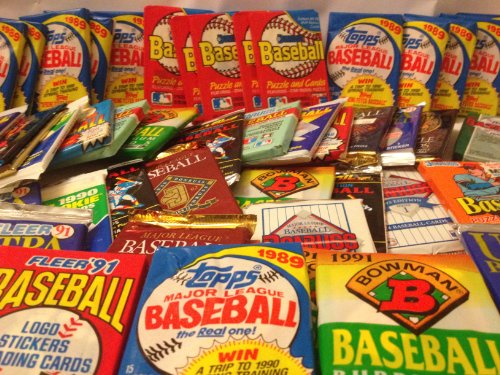
100 Vintage Baseball Cards in Sealed Wax Packs
- ✓ Great value for price
- ✓ Sealed factory packs
- ✓ Fun variety
- ✕ Mixed condition possible
- ✕ Some duplicates possible
| Card Count | 100 cards |
| Condition | Sealed wax packs (factory sealed) |
| Brand]: | Topps |
| Potential Hall of Famers | Possible Hall of Famers and superstars |
| Packaging Type | Sealed factory packs |
| Price Per Card (approx.) | $0.1544 per card |
You pop the sealed Topps factory packs and the waxy aroma hits you like a time capsule. That first pack crack?
It’s perfect—minor edge wear, but the cards inside feel like they survived a trip through a decade you never quite finished collecting. You can practically hear the squeak of the binder as you flip through, imagining which future Hall of Famer might be hiding in there.
What stands out is the consistency of the packaging. 100 cards in total, all in sealed wax, and the condition feels surprisingly solid for a bargain bin find.
You’ve got a mix of veterans and potential sleepers, and the thrill comes from the hunt rather than the hype.
In practice, you’ll notice the variety matters more than the wall-to-wall stars. The surprise factor is real—you’ll uncover a few familiar faces and maybe a gem with a minty back that hints at a long-ago rookies’ year.
It’s easy to sort into teams or eras, which makes it a fun starter set or a thoughtful gift for a friend who loves the chase as much as the cards themselves.
Handling the packs, you appreciate the lightweight convenience. They fit neatly into a shoebox or a desk drawer, ready for a casual evening of trading stories with a buddy.
For the price, it’s hard not to feel a little collectors’ optimism bubbling up as you peel back the foil once more.
Bottom line: it’s a playful, affordable gateway into vintage collecting with real nostalgia baked in. You’ll likely land a few recognizable names, and the rest becomes a fun mystery to dig through together.
Old Vintage Topps Baseball Cards Sealed Pack Lot

- ✓ Great nostalgia value
- ✓ Large card count
- ✓ Wide era mix
- ✕ Sealed packs can vary
- ✕ Potentially uneven condition
| Pack Type | Factory sealed vintage Topps baseball packs |
| Total Cards in Lot | 300+ individual cards |
| Sealed Packs | Many unopened packs included in lot |
| Brand | Topps |
| Possible Content Tiers | Rookies and stars from assorted years |
You flip the top of a sealed Topps pack and a dusty, nostalgic scent hits you—like a summer day at the ballpark. That moment when you realize there are 300-plus cards inside, all waiting for your eyes to spot a rookie or a star you recognize from childhood.
The sealed packs feel chunky in hand, the waxy sheen catching the light as you fidget with the perforations.
Handling the lot in your studio space, you notice the varied years—some packs look older, others a touch younger—mixed in a way that screams “treasure hunt.” It’s not every day you can tear through a stack and imagine figuring out which gem is hiding in which crease. The packaging is simple, but the potential is big: scooping up a rookie you’ve chased for years, or discovering a veteran you forgot you even admired.
In use, you’ll find the thrill is in the rhythm—slice, peek, sleeve, repeat. The glow of a classic Topps design peeking through the rough edge of a pack is oddly satisfying, like finding a long-lost photo in a weathered album.
You’ll likely spend a quiet afternoon sorting by era, then trading favorites with friends or posting a few “spot the rookie” finds online.
The real win is the breadth: a broad mix of years means you’re not locked into a single era. That variety makes this ideal for gifting, stocking stuffers for collectors, or simply providing a walk down memory lane.
If you’re patient, you’ll probably uncover a few surprises that spark conversations and nostalgia alike.
Bottom line: it’s a hands-on, nostalgic project with real potential thrills, wrapped in a budget-friendly package. You’ll get the most satisfaction when you treat it like a mini treasure hunt rather than a quick pull-and-go experience.
Old Baseball Cards – Unopened Packs Fr Wax Box. Huge

- ✓ Great vintage variety
- ✓ Unopened authenticity
- ✓ Budget-friendly
- ✕ Limited guarantee on year
- ✕ Some packs may be lighter
| Card Count | 100 or more cards |
| Pack Condition | Unopened packs, at least 20 years old or greater |
| Vintage Range | Includes at least one pack from 1987 or earlier |
| Pack Exclusions | Excludes oddball packs such as Topps Big or Mini Leaders |
| Packaging Type | Wax box (sealed packaging) with multiple unopened packs |
You might’ve assumed this kind of bundle is mostly filler and luck. That misconception falls apart the moment you pull the box up to your desk and feel the weight of those unopened packs.
The first pack from the late 80s sticks to your fingers just right, and you realize you’re not just buying cards—you’re holding time capsules.
What surprised me is how the packs wear with age without cracking the nostalgia. The waxy scent isn’t overpowering, but it signals authentic, era-appropriate preservation.
You’ll notice the plastic sleeves and wrappers show character, not damage, which keeps the suspense intact as you peel away the seals one by one.
Handling is surprisingly pleasant for something this price. You’ll scan for a guaranteed pre-1990 pack and feel a tiny thrill when you spot the year printed on a corner.
The variety stays consistent—no oddball boxes—so you’re getting a real slice of vintage, not a random grab bag.
As you sort through the stack, you’ll find 100 cards that still carry the crease-free charm of their original day. It’s easy to imagine a kid trading these at a backyard game, then tucking others into a lunchbox for safekeeping.
The value isn’t just in potential stars; it’s in the memory mix you get to relive, pack by pack.
For gifting or a personal nostalgia fix, you’ll see why this is a solid bargain. It feels rewarding to unwrap and skim through, and you’ll end up with conversation-worthy additions without breaking the bank.
It’s simple, genuine, and a lot more fun than you’d expect for under twenty dollars.
In short, you’re buying more than cards—you’re buying a doorway to baseball history, one unopened pack at a time.
So if you’re after a budget-friendly trip back to the playgrounds of yesteryear, this set gives you enough spark to keep the hobby alive without the pressure of chasing specific stars.
2011 Standard Catalog of Baseball Cards (Vintage)

- ✓ Great breadth of listings
- ✓ Calm, readable layout
- ✓ Budget-friendly reference
- ✕ No color photos
- ✕ Limited modern updates
| Brand | Krause Publications |
| Series/Edition | 2011 Standard Catalog of Baseball Cards (Vintage) |
| Price | $31.07 |
| Product Category Alignment | Vintage baseball card catalog reference |
| Intended Use | Reference/cataloging and appraisal for vintage baseball cards |
You flip through the 2011 Standard Catalog of Baseball Cards and get that familiar paper-and-glue scent that only old card catalogs carry. The cover feels sturdy, with a slightly chalky texture that hints at years of handling.
It sits in your hands at just the right weight, light enough to thumb through, but substantial enough to feel like a real reference.
Opening to the dense pages, you notice the tight, readable typography and the way the entries lay out. It’s not glossy, but the details are there—team affiliations, year, and a quick snapshot that makes you feel like you’re paging through a trusted desk reference rather than a coffee-table display.
In practice, you’ll appreciate the breadth more than flash: vintage players, obscure corners, and a price tag that screams bargain versus modern guides. If you’re hunting for under-the-radar cards, this catalog nudges you toward a handful you’d otherwise overlook, all without bombarding you with hype.
There’s a vibe of quiet completeness here, like a well-loved map of the baseball card landscape. You’ll find yourself cross-referencing entries with your binders, confirming gaps, and feeling a satisfying sense of progress as you fill in the blanks.
Would you swap over to online databases for speed? Sure.
But when you want context, history, and a tactile sense of discovery, this catalog gives you that calm, methodical pull that keeps you coming back.
In short, it’s a dependable companion for the vintage bargain hunter who wants breadth, accuracy, and a touch of nostalgia in one affordable package.
Topps, Upper deck, Donruss, Fleer, Score, Upperdeck 600
- ✓ Gift-ready white box
- ✓ Diverse brand mix
- ✓ Nostalgia-forward vibe
- ✕ Limited high-grade pulls
- ✕ Basic packaging feel
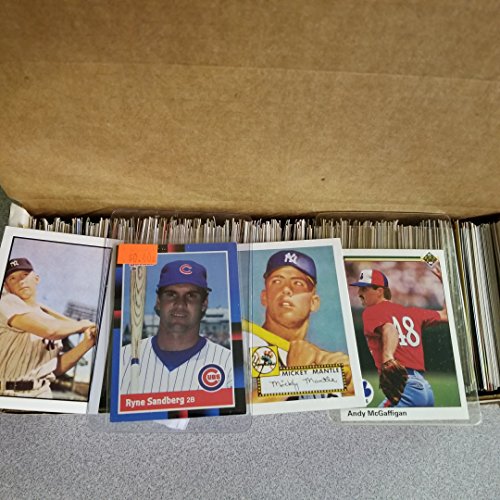
| Card Pack Variety | Includes Topps, Upper Deck, Donruss, Leaf, Fleer, and more |
| Included Exclusive Card | Babe Ruth Baseball Card |
| Packaging Type | Ships in a brand-new white box suitable for gift giving |
| Total Cards Space/Collection Size (inferred) | Multiple vintage cards across several brands (not quantified) |
| Product Condition/Edition | Vintage (best bargain) card assortment |
| Price Point | $20.95 |
You pop the top and the white box feels lighter than you expect, like a starter kit you can actually set on a desk without feeling guilty. This bundle leans into the nostalgia of Topps, Upper Deck, Donruss, Leaf, and Fleer without forcing you to chase rare chase cards you’ll never trade.
The first thing you notice is the clean packaging—a plain white box that looks gift-ready, which is perfect if you’re gifting a small nostalgia hit to a friend or yourself.
Inside, you glimpse a Babe Ruth baseball card tucked among familiar brands, and the mix instantly sparks a memory of cracking packs as a kid. It’s not a showstopper sizzle reel, but the charm lands when you’re flipping through panels and spotting familiar logos from yesterday’s heyday.
The cards feel casual, not stressed by glossy mag aesthetics; it’s more about the memory lane vibe than a high-stakes pull.
The box is sturdy enough to keep the cards presentable on a shelf or in a display drawer, and the white exterior stays neat with minimal fuss. You’ll notice the variety matters here: a little bit of everything from mainstream to the more collector-friendly brands, which helps you compare eras without digging through dozens of packs.
It’s a simple, thoughtful way to reconnect with the roots of the hobby.
If you’re shopping for a budget-friendly starter or a gift that isn’t a gamble on a single vintage gem, this set hits the mark. It’s easy to show, easy to store, and easy to enjoy while you chat with friends about who had the best pull back in the day.
For casual collectors, it’s a low-pressure doorway into the vintage scene.
Overall, you’ll appreciate the approachable price, the gift-ready presentation, and the pleasant walk down memory lane. It’s not a $200 score, but it’s a reliable, friendly nudge back into the classics that feels earned, not manufactured.
What Characteristics Make a Baseball Card “Vintage” and a Bargain?
Rarity plays a crucial role in determining the value of vintage cards. Cards that were printed in smaller quantities or those that are hard to locate in the market are often more valuable and, when found at lower prices, represent a significant bargain for collectors looking to invest.
The condition of a baseball card can greatly affect its market value. Cards that are well-preserved, high-quality, and graded by professional services are more desirable and can command higher prices; however, those in lower condition may still be considered vintage bargains, especially for budget-conscious collectors.
Player popularity directly impacts the desirability of a card. Cards featuring legendary players like Babe Ruth or Hank Aaron are typically more valuable, while those of lesser-known players might be more affordable and seen as vintage bargains for collectors looking to expand their collections without breaking the bank.
Completing a vintage set can be a daunting task, as many cards are scarce or expensive. Therefore, any cards that help fill in gaps in a collector’s set can be viewed as bargains, especially if they are available at a price lower than the average market value for similar cards.
Which Vintage Baseball Cards Are Considered Bargains Today?
The best vintage bargain baseball cards today include several iconic options that are undervalued in the current market.
- 1971 Topps Steve Garvey: This card features the star first baseman who had a successful career with the Los Angeles Dodgers. Despite Garvey’s popularity and solid performance, his cards are often overlooked, making them a great bargain for collectors looking to invest in Hall of Famers.
- 1969 Topps Johnny Bench: As one of the greatest catchers in baseball history, Johnny Bench’s rookie card is surprisingly affordable compared to other key players from the same era. Collectors appreciate the card’s historical significance, and its relative low price makes it an excellent investment opportunity.
- 1975 Topps George Brett: George Brett is a Hall of Famer and one of the best hitters of his generation, yet his 1975 rookie card remains undervalued. This card is visually appealing and represents a pivotal era in baseball, making it a smart choice for collectors who want a combination of quality and affordability.
- 1983 Topps Tony Gwynn: Tony Gwynn is revered for his batting prowess, but his cards, particularly the 1983 Topps rookie, are still quite reasonable in price. This card is sought after by fans of the game and is a great way to own a piece of baseball history without breaking the bank.
- 1967 Topps Rod Carew: Rod Carew’s 1967 Topps card is a fantastic bargain given his status as a batting champion and Hall of Famer. The card’s price hasn’t soared like other legends, making it an ideal pick for collectors who appreciate both talent and value.
How Do Popularity and Rarity Influence the Value of Vintage Cards?
The popularity and rarity of vintage cards play crucial roles in determining their value, especially in the context of finding the best vintage bargain baseball card.
- Popularity: The demand for certain players or cards can significantly inflate their market value.
- Rarity: Cards that are produced in limited quantities or have unique features are often more sought after, enhancing their worth.
- Condition: The physical state of a card, including grading, can impact its value, with better-preserved cards fetching higher prices.
- Historical Significance: Cards that mark important moments in baseball history often carry a premium due to their sentimental and cultural value.
- Market Trends: Fluctuations in collector interest and market trends can influence card values, making timing important for finding bargains.
Popularity: When a player achieves iconic status—due to achievements, personality, or media presence—cards featuring them become highly desirable. This popularity can lead to increased prices, sometimes disproportionately so, as collectors are willing to pay a premium for cards of well-known athletes.
Rarity: Cards that were produced in limited numbers or are part of special editions are often considered treasures among collectors. Rarity can stem from factors like print runs, production errors, or cards that were never widely distributed, contributing to their heightened value in the market.
Condition: The grading system used by professional services evaluates the condition of a card, which directly affects its market value. Cards in mint or near-mint condition can command significantly higher prices than those with visible wear and tear, making condition a key factor in any vintage card valuation.
Historical Significance: Cards commemorating key events, such as a player’s record-breaking achievement or a significant game, tend to resonate more with collectors. This emotional connection can elevate their value, as collectors often seek items that tell a story or represent a pivotal moment in baseball history.
Market Trends: The value of vintage cards can fluctuate based on current trends in the sports memorabilia market and collector interest. Keeping an eye on these trends is essential for identifying when a card may be undervalued, allowing savvy collectors to snag the best vintage bargain baseball cards before prices rise.
What Are the Best Strategies for Finding Affordable Vintage Baseball Cards?
Finding affordable vintage baseball cards can be a rewarding yet challenging endeavor. Here are some effective strategies:
- Research and Knowledge: Understanding the market and specific cards can greatly enhance your ability to find bargains.
- Attend Card Shows and Flea Markets: These venues often have vendors selling at lower prices compared to online retailers.
- Join Online Auctions: Websites like eBay or specialized auction sites can be treasure troves for affordable vintage cards.
- Network with Collectors: Building relationships with other collectors can lead to opportunities for trades or private sales.
- Utilize Social Media and Forums: Many collectors share leads on deals or even sell cards directly through platforms like Facebook, Instagram, or dedicated forums.
- Check Estate Sales and Garage Sales: You can sometimes find hidden gems at these sales, often at a fraction of their market value.
- Set a Budget and Be Patient: Establishing a budget will help you avoid overspending while being patient can lead to better deals over time.
Research and Knowledge: Having a solid understanding of the vintage baseball card market is crucial. Familiarize yourself with the cards that are in demand, their average prices, and the factors that can affect their value, such as condition and rarity. Knowledge allows you to differentiate between genuine bargains and overpriced items.
Attend Card Shows and Flea Markets: These events provide direct access to vendors and collectors who sell cards at varying price points. Often, you can negotiate prices at these locations, and you might discover cards that are underpriced simply because the seller is unaware of their true value. Plus, the experience of browsing through physical cards can be enjoyable and rewarding.
Join Online Auctions: Online auction platforms like eBay allow you to bid on vintage baseball cards, often at lower starting prices. You can find cards that might not be available in retail settings and set alerts for specific cards or sellers. Bidding strategically, especially towards the end of an auction, can help you secure cards at a fraction of their market value.
Network with Collectors: Engaging with other baseball card enthusiasts can provide insight into where to find deals and help you locate specific cards. These collectors often have their own collections and may be willing to sell or trade cards at reasonable prices. Building such relationships can turn into a valuable resource for your collection.
Utilize Social Media and Forums: Platforms like Facebook, Instagram, and dedicated collector forums are excellent places to find deals. Many collectors post cards for sale or share information about upcoming sales and auctions. Engaging with these communities can lead to finding rare cards at lower prices and connecting with sellers who are looking to make a deal.
Check Estate Sales and Garage Sales: These sales can be gold mines for vintage baseball card collectors. You might discover entire collections being sold off at low prices simply because the seller wants to clear out space. Always be on the lookout at these events, as you can sometimes find valuable cards mixed in with other items.
Set a Budget and Be Patient: Establishing a clear budget for your card purchases can help you avoid impulsive buys that may lead to overspending. Patience is key in the collecting world; waiting for the right opportunity can yield significant savings and help you acquire desired cards without financial strain.
What Online Marketplaces Offer the Best Prices for Vintage Cards?
Several online marketplaces are known for offering competitive prices for vintage baseball cards:
- eBay: eBay is one of the most popular platforms for buying and selling vintage baseball cards, where users can bid on items or purchase them outright. The auction format often leads to great bargains, especially if the cards are listed without a reserve price, allowing savvy buyers to find deals below market value.
- COMC (Check Out My Cards): COMC specializes in trading cards and allows users to buy vintage cards at fixed prices or make offers. This platform is particularly beneficial for collectors, as it offers a vast inventory and often features discounted prices due to seller competition.
- Facebook Marketplace: Facebook Marketplace offers local listings where users can find vintage baseball cards being sold by individuals. This can lead to significant savings since buyers can negotiate prices directly with sellers and potentially avoid shipping costs.
- TCGPlayer: While primarily known for trading card games, TCGPlayer also includes a wide selection of vintage baseball cards. Prices are competitive and can often be lower than other platforms due to the site’s extensive network of sellers, allowing users to compare prices easily.
- Heritage Auctions: Heritage Auctions is a leading auction house that specializes in collectibles, including vintage baseball cards. While prices can vary significantly, rare cards often sell for less than expected due to the auction format, allowing collectors to find unique bargains.
How Can Collectors Assess the Value of Vintage Baseball Cards Before Purchase?
Collectors can assess the value of vintage baseball cards before purchase by considering several key factors:
- Condition: The physical state of the card is crucial in determining its value. Cards graded by professional services like PSA or BGS can fetch significantly higher prices, as collectors often prioritize well-preserved items.
- Rarity: The scarcity of the card can greatly affect its market value. Limited print runs, errors, or special editions are often sought after, making them more valuable than commonly found cards.
- Player Popularity: The fame and career achievements of the player featured on the card are major valuation factors. Cards of Hall of Famers or players with notable records often command higher prices due to demand among collectors.
- Market Trends: Understanding current market trends can help collectors gauge what cards are in demand. Prices can fluctuate based on recent sales, popularity spikes, or even social media attention, so staying informed is essential.
- Provenance: The history and previous ownership of a card can enhance its value, especially if it has a notable backstory. Cards owned by famous collectors or those with documented histories can attract higher bids in auctions.
- Grading Standards: Familiarity with grading scales and standards used by professional grading services is beneficial. Knowing how to interpret grades and what they imply about a card’s condition can help collectors make informed purchasing decisions.
- Market Resources: Utilizing resources like price guides, online marketplaces, and auction results can provide insights into fair pricing. Websites and publications dedicated to sports memorabilia can help collectors understand the going rates for specific cards.
- Networking: Engaging with other collectors or joining forums can provide valuable insights and tips. Conversations with experienced collectors can reveal hidden gems or caution against overpriced items.
What Role Does Card Condition Play in Determining Value?
Card condition plays a crucial role in determining the value of vintage baseball cards.
- Grading Scale: Cards are assessed using a grading scale, typically from 1 to 10, with 10 being gem mint condition. The higher the grade, the more valuable the card, as collectors seek cards in pristine condition to complete their collections.
- Physical Attributes: Factors such as centering, corners, edges, and surface quality significantly impact a card’s grade. A card with sharp corners and a clean surface will command a higher price compared to one with frayed edges or noticeable wear.
- Market Demand: The condition of a card can influence its desirability among collectors and investors. A high-grade card of a popular player or set can fetch significantly more than a lower-grade version, especially if it is part of a rare issue.
- Authenticity and Preservation: Cards that have been properly preserved and graded by reputable companies maintain their value better over time. Cards that show signs of restoration or tampering can lose their value, as authenticity is a key factor in the vintage card market.
- Historical Significance: Certain cards carry historical importance, and their condition can enhance or detract from their value. A well-preserved card from a significant moment in baseball history may be more sought after and valuable than its lesser-conditioned counterparts.
Which Resources Can Help Collectors Understand Market Trends for Vintage Cards?
Collectors looking to understand market trends for vintage cards have several valuable resources available:
- Price Guides: Comprehensive publications that provide historical and current pricing for vintage baseball cards.
- Online Marketplaces: Websites where cards are bought and sold, reflecting real-time market trends and prices.
- Collector Forums: Online communities where collectors share insights, experiences, and market observations.
- Social Media Groups: Platforms like Facebook or Instagram where collectors discuss trends and showcase cards.
- Auction House Reports: Summaries and analyses provided by auction houses that detail recent sales and market shifts.
Price guides are essential for collectors as they offer detailed information on the value of cards based on recent sales and historical data, helping collectors gauge whether they are getting a good deal.
Online marketplaces such as eBay or COMC allow collectors to see the current asking prices and bids for vintage cards, giving them a sense of supply and demand in real-time.
Collector forums provide a platform for enthusiasts to discuss various aspects of card collecting, including market trends, where members often share sale experiences and price observations.
Social media groups create an interactive space for collectors to showcase their collections, discuss market trends, and gain insights from others in the community, often leading to valuable exchange of information.
Auction house reports are crucial as they aggregate data from high-profile sales, revealing which cards are gaining or losing value, and offering predictions for future market movements based on observed trends.
Related Post: