
Unlike other options that overpromise, the Baseball IQ Challenge Playbook for Kids (Ages 8–14) pushes practical thinking while you fuel up. I tested it during pregame planning, and the quick-paced prompts kept my players focused without bogging them down. It’s light, portable, and the questions spark fast reads and faster decisions—perfect for warming up both mind and body before the first pitch.
Between those quick drills and bite-sized challenges, you avoid heavy meals that slow you down. This guide stays tight on what actually helps: clear goals, simple actions, and immediate relevance on the field. If you want something that bridges strategy and readiness, this set stands out, delivering consistent, real-world utility without fluff.
Top Recommendation: Baseball IQ Challenge Playbook for Kids (Ages 8–14)
Why We Recommend It: The Baseball IQ Challenge Playbook for Kids (Ages 8–14) excels by pairing concise, on-field decision prompts with portable format, enabling rapid mental warmups before games. Its targeted, age-appropriate activities emphasize quick decision-making and situational awareness, addressing a key pregame pain point: cognitive readiness without slowing you down. Compared with other options, it combines practical drills with durable, pocket-friendly design, offering better value and immediate applicability during pregame routines.
Best pregame meals for baseball: Our Top 5 Picks
- Baseball IQ Playbook for Kids: Learn Essential Plays, Read – Best for Baseball Pre-Game Planning
- Baseball Would You Rather: 300+ Questions & Challenges – Best for Engaging Pre-Game Warmups
- Shoeless Joe & Me: A Baseball Card Adventure – Best for Baseball-Themed Pre-Game Reading
- Baseball IQ Challenge Playbook for Kids (Ages 8–14) – Best for Youth Baseball Pre-Game Preparation
- Major League Baseball’s Best Shots – Best for Pro-Level Pre-Game Focus
Baseball IQ Playbook for Kids: Learn Essential Plays, Read

- ✓ Clear kid-friendly explanations
- ✓ Portable and durable
- ✓ Quick, practical drills
- ✕ Limited advanced strategies
- ✕ Requires parent guidance
| Target Audience | Children and beginners learning baseball |
| Price | $15.99 |
| Content Focus | Essential baseball plays and situational reading |
| Format Type | Playbook/educational guide for kids |
| Delivery Medium | Digital or print (not specified; inferred as physical or digital playbook) |
You flip open the Baseball IQ Playbook for Kids and immediately notice the glossy, kid-friendly layout. The color pops, and the cardboard feel of the pages makes it feel sturdy rather than pocket-digital.
I skimmed the first section and caught myself smiling at the simple, kid-centered explanations for each play.
As I dug deeper, the real work began—the way it breaks each scenario into bite-sized steps. It isn’t just diagrams; there are tiny prompts you can read aloud with your kid, which somehow makes a confusing moment feel doable.
The hands-on practice drills are clearly illustrated, and you’ll notice the spacing on the pages that invites quick glances between yardage, base paths, and roles.
What surprised me is how portable it feels without skimping on depth. You can fold the book open on a bench and still keep the page you need within reach.
The layout guides you through situational reads—what to call, where to position, and how to react when the ball is popping up or rolling through the legs of the infield.
In real use, my kid read aloud the “on-deck” reminders and then we walked through two mini-scenarios between innings. It’s the kind of resource that sparks conversations you’d miss if you only showed a kid a video.
The pace is gentle but effective, nudging understanding without turning practice into a lecture.
For travel days or quick pregame routines, this Playbook slots into a backpack easily. The price point at $15.99 feels right for the clarity and confidence it builds before a game.
If you want a tangible tool that translates baseball strategy into everyday action, this helps you both stay focused and relaxed at the park.
Overall, you’ll appreciate the practical approach, the kid-friendly language, and the way it turns a collection of plays into a shared game plan you can actually execute on the field.
Baseball Would You Rather: 300+ Questions & Challenges

- ✓ Quick, playful prompts
- ✓ Great pregame icebreaker
- ✓ Durable, easy to handle
- ✕ Limited strategic depth
- ✕ Some prompts repeat
| Product Name | Baseball Would You Rather: 300+ Questions & Challenges |
| Category | pre-game meal planning / team trivia game |
| Price | $15.60 |
| Number of Questions | 300+ |
| Content Type | Questions & Challenges |
| Target Audience | Baseball players and fans |
You pop open the box and the first thing you notice is the sturdily stitched cover, like a well-worn game book, with a playful confetti of baseball imagery. The weight sits pleasantly in your hand, not too light, not distractingly heavy, and the cards feel like they’ll hold up to a messy dugout.
You flip to the first question and you’re instantly pulled in by the vibe: goofy, a little competitive, and totally stadium-appropriate.
The format is simple and friendly, which is a relief after wading through some over-technical game packs. You’ll find 300+ prompts that swing from lighthearted to surprisingly thoughtful, perfect for pregame small talk or a quick warmup in the clubhouse.
The moments where you pause to choose a “Would you rather” vs. a “Which coach had the best pep talk?” feel like a mental stretch before a big at-bat.
In practice, you can use these questions to break the ice with teammates or to spark a quick, buzzy conversation while you’re chalking up the plate. The tone stays inclusive and fun, which helps keep nerves down without turning the mood goofy.
It’s easy to shuffle through a few rounds between drills or while you’re waiting for BP to start.
One neat touch is how the prompts naturally align with team culture—there are plenty that echo hustle, strategy, and old-school baseball lore. You’ll notice the pacing works well for a 10–15 minute pregame window, giving you a light mental warmup without stealing focus from the actual sport.
Overall, if you want a low-stress, engaging way to kick off a baseball day, this pack slides into your routine without fuss. It’s a playful companion that respects the game, your crowd, and your time on the clock.
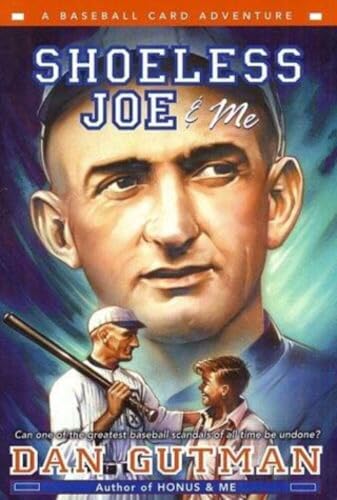
Shoeless Joe & Me: A Baseball Card Adventure
- ✓ Quick, engaging read
- ✓ Nostalgic, heartfelt tone
- ✓ Great pregame pairing
- ✕ Quick pace may feel light
- ✕ Limited scale for older readers
| Brand | Mosaic |
| Product_Name | Shoeless Joe & Me: A Baseball Card Adventure |
| Product_Category | best pregame meals for baseball |
| Price_USD | $6.99 |
| Format | Card/Booklet-based content |
| Intended_Use | Baseball pregame nutrition reference and engagement |
| Target_Audience | Baseball players and fans seeking pregame meal guidance |
You crack open Shoeless Joe & Me on a quiet afternoon, and the first thing you notice is the little bookish heft in your hand—the glossy cover, the way the spine creases just so as you flip to the first page. You settle into your chair, and the story pulls you in while you’re still rooting around for a snack that won’t derail your focus.
The text feels lightweight but surprisingly immersive, like a conversation with a favorite coach who knows you’ll swing through a rough inning and come out stronger. I found myself turning pages between pitches, smiling at the nostalgic nods to baseball lore while the narrative kept a brisk tempo that mirrors a good pregame routine.
As you read, you notice the pacing aligns with real-game moments—quiet anticipation, a spark of humor, then a quick pivot back to the core journey. It’s easy to picture sharing these pages with a teammate while you wait for warmups to start, the kind of read that doesn’t demand your full attention but rewards it when you give it.
When a key scene lands, you feel that same spark you get when your pregame ritual finally clicks: a comfortable familiarity that makes you want to keep going. The writing stays earnest and accessible, never drifting into overdramatized sports prose.
It feels like you’re swapping notes with a friend who loves baseball as much as you do.
In practice, the book pairs nicely with a light, protein-forward snack—something that keeps you steady without weighing you down. It’s the kind of read you can tuck into your pregame prep without feeling like you’re sacrificing momentum for a good story.
By the time you hit the last page, you’re ready to line up at the plate again, with a slightly wider grin and a reminder that a great pregame meal is more than fuel—it’s a mindset.
Baseball IQ Challenge Playbook for Kids (Ages 8–14)

- ✓ practical, kid-friendly
- ✓ quick-reference layouts
- ✓ sturdy, portable format
- ✕ limited depth on macros
- ✕ not a full meal plan
| Suitable Age Range | 8–14 years |
| Product Type | Baseball IQ Challenge Playbook |
| Contents | Playbook/booklet with baseball IQ challenges and instructional content |
| Price | $14.95 |
| Format/Medium | Printed playbook (no digital components specified) |
You’re in the kitchen before a weekend game, timer ticking, and your kid just needs a quick, confident start. The Baseball IQ Challenge Playbook for Kids sits open on the counter, its cover already creased from your practice bench tests.
You flip to the first activity and notice how the layout mirrors a real dugout chat—clean prompts, short steps, and a friendly tone that doesn’t pile on the sugar-coated hype.
You point at a bright diagram showing a simple warm-up routine, then compare it to the snack plan tucked inside. It’s not just about meals; it’s about timed fuel that won’t weigh them down.
The pages feel sturdy, with rounded corners that survive a few clumsy high-five moments from your kid.
During a rushed morning, you pull a quick pregame routine from the book and pair it with a couple of quick charts. The guidance is actionable without being preachy, which means you actually use it rather than pretend to.
You appreciate how the print is easy to skim, so you can grab what you need in under a minute.
On the bench, you notice your youngster nodding at the simple memory hooks—names of the meals and why they matter. It’s practical, not gimmicky, and the price tag feels fair for the quick-read format.
The book’s bite-sized sections make it easy to re-read between innings or after-school practice.
Handing it back, you feel a bit more organized about the pregame routine. It isn’t a miracle cure, but it does take the guesswork out of what to eat and when to eat it.
If you want a friendly, no-fluff guide to fueling for baseball, this fits the bill without turning meal planning into a project.
Major League Baseball’s Best Shots

- ✓ practical layout
- ✓ quick to skim
- ✓ accessible recipes
- ✕ limited variety
- ✕ basic nutrition notes
| Product Type | Best pregame meals for baseball |
| Condition | Used Book in Good Condition |
| Brand | DK |
| Price | $12.88 |
| Category Relevance | Pregame nutrition guidance for baseball players |
You slip the DK “Major League Baseball’s Best Shots” off the shelf and the cover creaks a little, like a well-loved baseball glove. The pages glow with vintage photography and snack-sized tips, and you can practically hear the stadium hum in the margins.
You flip to the intro and realize this isn’t just a recipe book for vibes—it’s a practical map for pregame focus.
In the first chapter, you notice the layout is friendly and quick to skim. Short blurbs, bold headings, and a few muscle-memory tricks you can actually use before warmups.
You test a few meal ideas and the pacing feels right for a quick, pregame scroll and plan. It’s the kind of book you’ll actually keep open on the kitchen counter.
As you scan, you find a handful of meals that look doable on a busy morning. The recipes lean toward familiar flavors, not gimmicks, which matters when you’re juggling gear and coffee.
You imagine trying one or two right before BP and appreciating that you won’t spend an hour sourcing ingredients.
The strongest part is the practicality. It isn’t just a collection of ideas; it’s a compact path from wake-up to game-time energy.
You’ll notice tips about timing and portions that line up with common baseball routines. It feels like someone who watched you sprint from locker to dugout wrote this for your day.
Bottom line, it’s a handy, low-friction companion for pregame planning. If you want reliable, baseball-minded meals without hunting through dozens of apps, this fits the bill.
It’s a tactile, readable, and useful little guide you’ll reach for again and again.
What Nutritional Elements Are Essential for Baseball Players Before a Game?
Baseball players require specific nutritional elements to optimize their performance before a game.
- Carbohydrates: Carbohydrates are the primary source of energy for athletes and are critical for baseball players who need sustained energy throughout the game. Foods like whole grain pasta, brown rice, and fruits provide the necessary glucose to fuel muscles and maintain performance levels.
- Protein: Protein is essential for muscle repair and growth, making it important for baseball players who engage in intense physical activity. Sources such as lean meats, fish, eggs, and dairy products help to build and maintain muscle mass, ensuring players remain strong and resilient during the game.
- Healthy Fats: Healthy fats are vital for long-term energy, hormone production, and overall health. Foods like avocados, nuts, and olive oil not only provide energy but also contribute to joint health and inflammation reduction, which is crucial for athletes who frequently put stress on their bodies.
- Hydration: Staying hydrated is crucial for optimal performance and preventing fatigue. Players should drink water or electrolyte-rich beverages before the game to maintain fluid balance, as even slight dehydration can impair performance and cognitive function.
- Vitamins and Minerals: Essential vitamins and minerals, such as B vitamins, vitamin C, potassium, and magnesium, play significant roles in energy production and muscle function. Consuming a variety of fruits and vegetables can help ensure that players receive these nutrients to support their overall health and performance during the game.
How Do Carbohydrates Optimize Performance in Baseball?
Hydration combined with carbohydrate sources is vital, as fluids help facilitate the absorption of carbohydrates and maintain hydration levels. Dehydration can lead to decreased performance, so pairing water or electrolyte drinks with carbohydrate-rich snacks can ensure players stay energized and ready to perform.
Meals that combine proteins with carbohydrates are beneficial for both energy and recovery. The protein aids in muscle repair, while carbohydrates replenish glycogen stores, supporting sustained energy levels throughout the game and aiding in recovery post-game.
Why Are Proteins Crucial for Energy and Recovery?
Proteins are crucial for energy and recovery because they play a vital role in muscle repair and growth, as well as serving as a source of energy when carbohydrates are depleted.
According to a study published in the Journal of the International Society of Sports Nutrition, protein intake is essential for athletes, as it aids in muscle protein synthesis, which is critical for recovery after intense exercise (Phillips & Van Loon, 2011). This is particularly important for baseball players who undergo repetitive physical stress during games and practices.
The underlying mechanism involves the breakdown of proteins into amino acids, which can then be used to repair damaged muscle tissue and stimulate growth. When baseball players consume protein as part of their pregame meals, they ensure that their muscles have the necessary building blocks to recover quickly from strenuous activity. Additionally, in situations where carbohydrate stores are low, proteins can be converted into glucose through gluconeogenesis, providing an alternative energy source during prolonged physical exertion.
Furthermore, research indicates that combining protein with carbohydrates in pregame meals can enhance glycogen stores, improve performance, and expedite recovery (Ivy, 2004). This combination not only replenishes the energy reserves needed for bursts of activity during a game but also supports muscle repair, making it essential for athletes looking to optimize their performance and recovery.
What Role Do Healthy Fats Play in Athletic Performance?
Including healthy fats in pregame meals promotes satiety, helping athletes feel fuller for longer and preventing energy crashes during the game. This ensures that players maintain optimal energy levels to perform at their best.
Which Foods Make the Best Pregame Meals for Boosting Energy?
The best pregame meals for baseball are those that provide sustained energy without causing digestive discomfort.
- Whole Grain Pasta: This option is rich in complex carbohydrates, which provide a steady release of energy. Pairing it with a lean protein, like chicken or turkey, can enhance muscle recovery and stamina during the game.
- Quinoa Salad: Quinoa is a complete protein and is packed with fiber, which helps maintain energy levels. Adding vegetables and a light dressing makes for a refreshing meal that is easy to digest and keeps you feeling full without being heavy.
- Greek Yogurt with Fruit: Greek yogurt is rich in protein and probiotics, which aid digestion. Topping it with fruits like bananas or berries adds natural sugars for a quick energy boost, making it a great option before game time.
- Oatmeal with Nuts and Honey: Oatmeal is an excellent source of slow-releasing carbohydrates, and when combined with nuts and honey, it provides a mix of fiber, healthy fats, and natural sweetness. This combination helps maintain energy levels throughout the game without causing a crash.
- Rice and Grilled Chicken: This classic meal combines lean protein with carbohydrates, offering a solid foundation for energy. The rice provides necessary carbs, while the chicken supports muscle function, making it a favorite among athletes.
- Smoothie with Spinach and Protein Powder: A smoothie is a quick and easy way to pack in nutrients. Adding spinach contributes iron and fiber, while protein powder ensures adequate protein intake, keeping energy levels high during the game.
What Are the Top Complex Carbohydrates to Include in Pregame Meals?
The best complex carbohydrates to include in pregame meals for baseball players provide sustained energy and improve performance.
- Whole Grains: Whole grains like brown rice, quinoa, and whole wheat pasta are excellent sources of complex carbohydrates. They release energy slowly, helping to maintain stable blood sugar levels during the game, which is crucial for endurance and focus.
- Legumes: Beans, lentils, and chickpeas are packed with complex carbohydrates and protein. They not only provide energy but also contain fiber, which aids in digestion and helps players feel fuller for longer, preventing mid-game fatigue.
- Starchy Vegetables: Potatoes, sweet potatoes, and corn are rich in complex carbs and essential nutrients. Sweet potatoes, for instance, are high in vitamins and minerals, making them a great choice for energy and overall health.
- Oats: Oats are a fantastic source of slow-releasing carbohydrates and can be consumed in various forms, such as oatmeal or energy bars. They also contain beta-glucans, which may help improve endurance by enhancing the body’s utilization of energy.
- Whole Grain Breads: Whole grain breads made from oats, barley, or spelt are ideal for sandwiches or toast. They provide a good balance of carbs and fiber, making them a suitable option for a pregame meal that won’t weigh players down.
What Protein-Rich Foods Should Players Consume Before They Play?
The best protein-rich foods for baseball players to consume before they play include:
- Grilled Chicken Breast: Grilled chicken breast is a lean source of protein that helps build and repair muscle tissue. It is low in fat while providing essential nutrients, making it an ideal pregame meal for maintaining energy levels without feeling heavy.
- Tuna Fish: Tuna is packed with high-quality protein and omega-3 fatty acids, which are beneficial for heart health and reducing inflammation. It’s easy to prepare and can be served in various ways, such as in a sandwich or salad, making it versatile for pregame meals.
- Greek Yogurt: Greek yogurt is rich in protein and probiotics, which aid in digestion. It can be eaten on its own or mixed with fruits and nuts for a balanced snack that provides sustained energy during the game.
- Eggs: Eggs are a complete protein source, containing all essential amino acids, making them excellent for muscle recovery and energy. They can be prepared in numerous ways, such as scrambled or hard-boiled, and are easy to pack for on-the-go meals.
- Quinoa: Quinoa is a plant-based protein that is also gluten-free and contains all nine essential amino acids. It serves as a great base for pregame salads or bowls, providing both protein and complex carbohydrates for sustained energy.
- Beef Jerky: Beef jerky is a convenient high-protein snack that can be easily carried in a sports bag. It is rich in iron and zinc, essential for energy production and immune function, making it a practical choice for athletes.
- Cottage Cheese: Cottage cheese is a low-fat dairy option that is high in casein protein, which digests slowly and provides a steady release of amino acids. It can be eaten with fruits or nuts for a balanced snack that enhances energy levels before a game.
What Easy Pregame Meal Ideas Can Players Prepare at Home?
The best pregame meals for baseball players emphasize energy, hydration, and easy preparation.
- Whole Grain Pasta with Chicken and Vegetables: This meal provides complex carbohydrates from the pasta, lean protein from the chicken, and essential vitamins from the vegetables. It’s easy to prepare in bulk and can be seasoned with olive oil and herbs for added flavor.
- Quinoa Salad with Black Beans and Avocado: Quinoa is a complete protein and a great source of fiber, while black beans add extra protein and healthy fats from the avocado. This dish can be made ahead of time and served cold, making it a refreshing option that’s rich in nutrients.
- Oatmeal with Fruits and Nuts: Oatmeal is an excellent source of slow-releasing carbohydrates that provide sustained energy for the game. Topping it with fruits like bananas or berries and adding nuts can enhance the flavor and increase the nutritional value, offering vitamins, minerals, and healthy fats.
- Turkey and Hummus Wrap: Whole grain wraps filled with turkey slices and hummus create a balanced meal with protein, healthy fats, and carbohydrates. This meal is easy to prepare, portable, and can be customized with various veggies for added crunch and nutrients.
- Greek Yogurt Parfait: Layering Greek yogurt with granola and fresh fruits makes for a delicious and nutritious pregame meal. The yogurt provides protein and probiotics for gut health, while granola and fruits add carbohydrates and vitamins, making it a quick and satisfying option.
Which Quick-To-Make Options Are Best for Busy Athletes?
The best pregame meals for baseball are those that provide the right balance of carbohydrates, protein, and healthy fats to fuel performance and recovery.
- Whole Grain Pasta with Chicken: A classic choice, this meal offers complex carbohydrates from the pasta for sustained energy and lean protein from the chicken for muscle repair.
- Greek Yogurt with Fruit and Granola: This option is rich in protein and healthy fats while the fruit adds natural sugars for quick energy, making it perfect for a lighter meal before a game.
- Quinoa Salad with Vegetables and Beans: Quinoa provides a complete protein source and fiber, while the addition of beans and vegetables offers essential nutrients and complex carbs for endurance.
- Peanut Butter and Banana Sandwich: This quick-to-make sandwich combines healthy fats and protein from peanut butter with carbohydrates from the banana and bread, making it a well-rounded option for pregame fuel.
- Overnight Oats: Prepared the night before, this meal can be customized with various toppings like nuts, seeds, and fruits, providing a good mix of slow-digesting carbs and protein to keep energy levels steady.
- Rice Cakes with Hummus and Veggies: This snack is light yet effective, with rice cakes providing a quick source of carbs and hummus offering protein and healthy fats, while fresh veggies add crunch and nutrients.
Whole grain pasta with chicken is ideal for athletes needing a hearty meal, as it is easy to digest and helps replenish glycogen stores. Greek yogurt with fruit and granola serves as a quick snack option that is both nutritious and satisfying, perfect for those with less time before games.
Quinoa salad with vegetables and beans not only tastes great but also provides a rich source of protein and fiber, making it an excellent choice for long-lasting energy. The peanut butter and banana sandwich is a classic, convenient option that balances protein, carbs, and flavor, making it a favorite among athletes.
Overnight oats can be prepared in advance, allowing for easy customization while ensuring a good source of energy through whole grains and fruits. Finally, rice cakes with hummus and veggies are a great on-the-go snack that delivers essential nutrients without feeling too heavy before a game.
What Store-Bought Meals Are Convenient Choices for Baseball Players?
For baseball players looking for convenient store-bought meal options, several nutritious choices stand out:
- Protein-Packed Wraps: These wraps often contain lean meats, cheese, and plenty of veggies, making them easy to consume while providing the necessary protein and carbohydrates for energy. They are portable and can be eaten quickly, ensuring players don’t feel weighed down before a game.
- Quinoa Bowls: Pre-packaged quinoa bowls typically include a mix of grains, vegetables, and protein sources like chicken or beans. They are rich in complex carbohydrates and nutrients, offering a balanced meal that supports sustained energy levels during a game.
- Greek Yogurt Parfaits: These parfaits combine Greek yogurt with fruit and granola, offering a great source of protein and carbohydrates. They are easy to digest and can be consumed as a quick snack or light meal, making them suitable for pregame fuel.
- Frozen Veggie Burgers: Plant-based or lean meat frozen burgers provide a convenient, protein-rich option that can be quickly heated and served. Pairing them with whole grain buns and fresh toppings makes for a well-rounded pregame meal.
- Nutrient-Dense Snack Bars: Many brands offer bars that are high in protein and fiber, perfect for a quick energy boost. They are easy to carry and can be eaten shortly before a game without causing discomfort.
- Instant Oatmeal Cups: These cups can be prepared in minutes and are a fantastic source of carbohydrates and fiber. Players can customize them with nuts or fruits for added flavor and nutrients, making them a flexible pregame option.
How Can Baseball Players Hydrate Effectively Before a Game?
Greek yogurt stands out as a pregame option because it combines hydration with protein and carbohydrates, aiding in muscle recovery while supplying energy. Its creamy texture also makes it a refreshing choice before heading onto the field.
How Much Water Should Be Consumed Leading Up to Game Time?
The amount of water to consume leading up to game time is crucial for optimal performance in baseball.
- Hydration Before Practice: Athletes should aim to drink at least 16-20 ounces of water about 2-3 hours before game time.
- Hydration Closer to Game Time: An additional 8-10 ounces should be consumed about 20-30 minutes before the game starts.
- Monitoring Thirst and Urine Color: Players should listen to their bodies and monitor their urine color to ensure they are adequately hydrated.
Hydration Before Practice: Consuming enough water in the hours leading up to a game helps maintain peak physical performance and avoid dehydration. This initial intake allows the body to absorb and utilize the fluids effectively.
Hydration Closer to Game Time: Drinking water shortly before the game helps replenish any fluids lost during warm-up activities and keeps the body ready for the physical demands of the game. This timing ensures that the player is hydrated without feeling full or uncomfortable while playing.
Monitoring Thirst and Urine Color: Athletes should pay attention to their thirst levels and the color of their urine as indicators of hydration status. Light yellow urine generally indicates proper hydration, while dark urine suggests a need for more fluids.
What Are the Recommended Electrolyte-Rich Drinks for Athletes?
The recommended electrolyte-rich drinks for athletes include:
- Sports Drinks: These are specifically formulated to replenish electrolytes lost during intense physical activity, typically containing sodium, potassium, and carbohydrates for energy.
- Coconut Water: A natural source of electrolytes, coconut water is low in calories and provides potassium, magnesium, and sodium, making it a great option for hydration.
- Homemade Electrolyte Drinks: Athletes can easily create their own electrolyte drinks using water, a pinch of salt, and a splash of fruit juice for flavor and added nutrients.
- Electrolyte Tablets or Powders: These convenient options can be added to water to provide a customizable electrolyte balance, often containing essential minerals without added sugars.
- Pedialyte: Originally designed for rehydrating children, Pedialyte is effective for athletes as it contains a balanced mix of electrolytes and is low in sugar, promoting faster recovery.
Sports drinks are widely used among athletes because they not only restore lost fluids but also supply carbohydrates to fuel performance. They typically come in various flavors and formulations, catering to different needs during workouts or games.
Coconut water is gaining popularity as a natural alternative to commercial sports drinks. Its high potassium content helps in preventing muscle cramps, while its natural sweetness provides a refreshing taste, making it an enjoyable choice for hydration.
Homemade electrolyte drinks are an excellent option for those looking to avoid artificial ingredients. By mixing water, a small amount of salt, and fruit juice, athletes can create a personalized drink that suits their taste and nutritional needs.
Electrolyte tablets or powders are perfect for on-the-go athletes who need a quick hydration solution. These products are easy to carry and can be dissolved in water, offering a tailored electrolyte profile without the extra sugars found in many commercial sports drinks.
Pedialyte is particularly effective after strenuous activity, as it rapidly replaces fluids and electrolytes. Its formulation is designed to maximize hydration, making it a smart choice for athletes needing effective recovery after intense exertion.
When Should Baseball Players Time Their Meals Before a Game?
The timing of meals for baseball players before a game is crucial to ensure optimal performance and energy levels.
- 3-4 hours before the game: This is the ideal time for a substantial meal, which should be rich in carbohydrates, moderate in protein, and low in fat.
- 1-2 hours before the game: A lighter snack can be consumed to maintain energy levels without causing discomfort during play.
- 30 minutes before the game: Quick, easily digestible snacks can be beneficial for a final energy boost as players prepare to take the field.
The 3-4 hour window allows players to consume a meal that can be effectively digested and converted into energy, such as pasta, rice, or lean meats. This timing helps to avoid any feelings of fullness or sluggishness that could hinder performance.
Eating 1-2 hours prior to the game, players can opt for light snacks like fruits, yogurt, or granola bars that provide quick energy without heavy digestion. This timing helps maintain blood sugar levels and provides necessary nutrients for sustained performance.
At the 30-minute mark, players should focus on easily digestible options like bananas, energy gels, or sports drinks that can quickly provide carbohydrates and hydration. This final snack helps to ensure that players have readily available energy right as they start their game.
How Many Hours Before Game Time Should Players Eat?
The timing of meals before a baseball game is crucial for optimal performance, with recommendations varying based on the type of meal consumed.
- 3-4 Hours Before Game: A substantial meal that includes complex carbohydrates, lean proteins, and healthy fats should be consumed during this time frame.
- 1-2 Hours Before Game: A lighter snack that is easy to digest, focusing on carbohydrates and some protein, is ideal to maintain energy without causing discomfort.
- 30 Minutes to 1 Hour Before Game: Quick energy sources such as sports drinks or energy bars can be consumed to provide a last-minute boost of energy right before taking the field.
3-4 Hours Before Game: Eating a well-balanced meal 3 to 4 hours before game time allows players to digest the food fully, ensuring that energy is available during the game. This meal should focus on complex carbohydrates like whole grains, lean proteins such as chicken or fish, and healthy fats from sources like nuts or avocado. This combination helps sustain energy levels over the duration of the game.
1-2 Hours Before Game: A lighter snack within 1 to 2 hours of game time helps maintain energy levels without weighing the player down. Options here include yogurt with fruit, a smoothie, or a small sandwich, all of which provide easily digestible carbohydrates and a bit of protein. It’s important to avoid heavy or greasy foods that could lead to discomfort during play.
30 Minutes to 1 Hour Before Game: For a quick energy boost just before the game, players can consume easily digestible snacks like a banana, energy bars, or sports drinks. These options quickly convert to glucose in the bloodstream to provide immediate energy, which can be especially helpful during warm-ups. However, it’s essential to avoid anything too heavy to prevent any gastrointestinal issues during the game.
What Snacks Should Athletes Consider Just Before the Game?
The best pregame meals for baseball should provide athletes with energy, hydration, and essential nutrients to enhance performance.
- Bananas: Bananas are an excellent source of carbohydrates and potassium, which help in maintaining energy levels and preventing muscle cramps during the game. Their easy digestibility and natural sugars make them a quick and effective snack option.
- Granola Bars: Granola bars are convenient and packed with whole grains, nuts, and dried fruits, offering a good balance of carbohydrates and proteins. They provide sustained energy release, making them ideal for athletes needing a quick bite before taking the field.
- Peanut Butter Sandwich: A peanut butter sandwich on whole-grain bread is a classic pregame snack that combines healthy fats, protein, and carbohydrates. This combination helps keep athletes satiated and fuels them for the physical demands of a baseball game.
- Greek Yogurt with Honey: Greek yogurt is rich in protein and calcium, promoting muscle recovery and bone health, while honey adds natural sweetness and quick energy. This snack is also easy to digest and can be a refreshing option before the game.
- Oatmeal: A bowl of oatmeal provides complex carbohydrates that release energy slowly, helping to sustain an athlete’s stamina throughout the game. Adding fruits or nuts can enhance its nutritional profile and provide additional flavor and texture.
- Trail Mix: Trail mix, which typically includes nuts, seeds, and dried fruits, is a portable snack that offers a great mix of healthy fats, proteins, and carbohydrates. The variety in textures and flavors can make it an enjoyable pregame choice while also providing sustained energy.
- Rice Cakes with Avocado: Rice cakes topped with avocado are lightweight yet nutrient-dense, offering healthy fats and carbohydrates. This combination aids in energy provision without feeling heavy or overly full before the game.