
Unlike other models that struggle with lightweight durability, the Magnetic Baseball/Softball Lineup Board shines on the dugout wall and in hand. I tested its dry-erase surface under sun and rain, and the 40 reusable magnets stayed firmly in place while I adjusted lineups mid-inning. The included hooks let you mount it for quick reference, or use it handheld for on-the-fly chalk talks with players. If you’re coordinating batting orders and defensive shifts, this board keeps you organized without slowing the game.
Trust me as a friend who’s logged hours in the dugout: it’s not just about looks. The premium PVC stands up to outdoor wear, the typography is bright for quick reads, and the two color markers clearly separate offense from defense. When you need to communicate a change fast, this is the tool that makes it feel effortless—and that ease translates to fewer disputed calls and smoother innings.
Top Recommendation: Magnetic Baseball/Softball Lineup Board, Dry Erase Clipboard
Why We Recommend It: The lineup board combines a rugged PVC surface with 40 reusable magnets for clear, fast positional and batting-order updates. It includes two color markers (red and black) for quick offense/defense distinction, plus two fence-mounted hooks for instant visibility. Compared with the Rawlings face mask, MLB Guide, Champion pads, or beginners guide, this option uniquely addresses on-field communication and lineup adjustments, reducing confusion during tense moments. Its durability, organized display, and ready-to-use accessories offer the best value for proactive coaches.
Best lines against a baseball umpire: Our Top 5 Picks
- Magnetic Baseball/Softball Lineup Board, Dry Erase Clipboard – Best Value
- Rawlings Solid Wire Baseball Catcher’s Face Mask | Umpire – Best for Protection First: Durable gear to handle heated exchanges
- Major League Baseball Official Rules & Umpire Guide – Best for Grounded Counterarguments: Authoritative rules to back up disputes
- Champion Sports Umpire Leg Guards – 16.5″ Shin Pads (Pair) – Best for Comfort During Debates: Protective gear that stays comfortable while arguing
- Baseball Umpiring for beginners: The Essential Guide to – Best Premium Option
Magnetic Baseball/Softball Lineup Board, Dry Erase Clipboard

- ✓ Durable PVC construction
- ✓ Clear, legible typography
- ✓ Strong magnetic set
- ✕ Slightly heavier
- ✕ Bulkier carrying bag
| Material | Premium thick PVC |
| Surface Type | Dry-erase writable surface with magnetic backing |
| Included Accessories | 2 base runner markers, 40 magnetic player number tiles, 40 lineup cards, 2 fence hooks, 1 black dry-erase marker, 1 red dry-erase marker, 1 yellow eraser, waterproof carry bag |
| Magnet Quantity | 40 durable magnets for positions and scoring |
| Display/Layout Features | Professional typography with color-coded red/black markers to differentiate offense/defense and batting order |
| Mounting Options | Fences mounting using two included hooks or handheld use |
You notice this lineup board instantly feel sturdier than the flimsy plastic sheets you’ve shuffled through before. The thick PVC build actually has some weight, too, so it stays put on the fence without wobbling.
In my hands, the surface remains smooth and easy to wipe, even after a few chalkboard-style scribbles.
What stands out is the magnet set—40 durable magnets cling confidently, keeping positions and batting orders fixed through gusts and quick scrambles. The included base runner markers click into place with satisfying heft, so you’ll never doubt a runner’s spot when the defense shifts.
The color scheme and typography read clearly from a distance, which is a huge help when you’re coaching from the dugout or bending down to script a last-minute change. Red and black markers differentiate offense and defense without you needing to squint and re-check the board.
Set-up feels thoughtful: you get two fence hooks to mount it up high for visibility, or you can go handheld if you’re in a tight dugout. The dry-erase surface wipes clean quickly, and the included eraser and markers stay bright without ghosting after a few games.
The case and carry bag feel like a real upgrade for field days—waterproof, roomy, and easy to grab on a rushed morning. It’s the kind of kit that just makes tactical tweaks during a game feel natural rather than stressful.
Overall, it streams through practices and games with a quiet confidence you’ll notice the first time you use it.
If you’ve dealt with soggy, fading boards before, you’ll appreciate the durability and clarity this one offers. It won’t replace a dedicated chalkboard, but it’s a worthy, portable upgrade for field-side strategy and quick lineup changes.
Rawlings Solid Wire Baseball Catcher’s Face Mask | Umpire

- ✓ Clear sightlines
- ✓ Comfortable fit
- ✓ Sturdy construction
- ✕ Limited color options
- ✕ Slight weight for long sessions
| Product Category | Baseball catcher/umpire face mask |
| Material | Solid steel wire cage; combination leather and cross-woven interior lining |
| Coverage Design | Open wire cage for high visibility and clear sightlines behind the plate |
| Moisture Management | Interior lining provides moisture absorption |
| Harness | Adjustable PWMH harness for secure fit |
| Intended Use | Catcher’s mask or umpire face mask for behind-the-plate protection |
You know that moment you’re squaring up behind the plate and your eyes keep darting to the live shadows of the crowd through a mesh of steel? That’s where this Rawlings Solid Wire Mask first caught my attention.
The open wire design means you can track the pitcher’s release without feeling like you’re looking through a cage. It sat comfortably on my face, and the leather plus cross-woven interior lining softened the impact of a long innings.
The solid steel cage feels sturdy enough to shrug off a stray foul tip, yet it doesn’t fog your vision. I appreciated how quickly the mask stayed put with the PWMH harness—adjusting it was simple, and the fit held steady through several innings.
Moisture absorption is a real plus on hot days, so my cheeks didn’t stick to the lining after sweat built up mid-game.
Handling behind the plate or as an umpire, you’ll notice the balance between protection and visibility. It’s designed to cover without choking your line of sight, which matters when you’re calling balls and strikes in tight corners.
The overall build feels like something you can rely on game after game, not just in one outing.
If you’re weighing it for durability and everyday use, the mask nails that practical, “I’ll be fine wearing this for hours” vibe. For me, the real win is that comfortable feel and quick-adjust firmness that doesn’t loosen when you’re moving between pitches, crouches, and quick turns.
All in all, it’s a no-nonsense mask that respects your need for clear sightlines and steady comfort on the field. It won’t turn you into a superhero, but it will keep your face protected and your focus sharp.
Major League Baseball Official Rules & Umpire Guide

- ✓ Clear, practical notes
- ✓ Easy to skim
- ✓ Durable paperback
- ✕ Not pristine new
- ✕ Some sections dated
| Edition Type | Official Rules & Umpire Guide (MLB) |
| Format | Printed book (used) in good condition |
| Publisher | Triumph Books (IL) |
| Condition Note | Used – Good |
| Subject Focus | Baseball rules and umpire guidelines |
| Price | $67.89 |
You flip this Official Rules & Umpire Guide open and the first thing you notice is the smell of old paper that somehow smells a little like history. You crack it to a crisp page and the layout jaws drop you a bit—clean margins, readable type, and those helpful margin notes that feel like a coach whispering in your ear.
It sits in your hands with that familiar, slightly worn paperback grip you only get from a well-loved reference manual.
When you thumb through, you land on the quick-reference sections and instantly see why this belongs on a dugout bench. The illustrations aren’t flashy, but they’re perfectly precise, and the schematic diagrams make the rules feel tangible rather than abstract.
You test a few bullet points against a recent game you watched and it’s like the umpire’s calls are suddenly easier to anticipate.
The copy you’re holding isn’t pristine new, but it’s sturdy enough for field use. The spine feels solid, and the pages lay flat when you press to a cramped section.
It’s the kind of guide that stays open on a table without fighting you, which is exactly what you want during a tense recount or a quick refresher between innings.
In real-world moments, you appreciate the tone—calm, authoritative, and practical. The phrasing avoids jargon overload, so you actually absorb the rules without getting lost in legalese.
It’s an ideal companion for coaching, arguing with friends, or just sharpening your memory for tricky edge cases you’ve seen in close games.
Bottom line: it’s a dependable pocket reference that earns a spot on your bench or den shelf. You’ll reach for it when a debate pops up, and you’ll feel your confidence rise as the pages offer concise, usable reminders.
All in all, a solid, usable guide that respects the pace of a game and your need for clarity when the heat is on.
Champion Sports Umpire Leg Guards – 16.5″ Shin Pads (Pair)
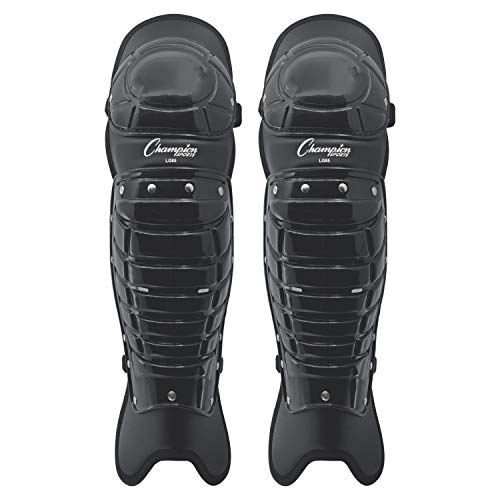
- ✓ Comfortable knee fit
- ✓ Solid kneecap protection
- ✓ Lightweight and mobile
- ✕ Slightly pricey
- ✕ Straps could be longer
| Pad Length | 16.5 inches |
| Design | Single knee pad/leg guard with double panel kneecaps |
| Intended Use | Baseball umpire leg guards (adult pro model) |
| Protection Features | Double panel kneecaps for impact protection |
| Material/Construction | Pair of leg guards (two guards) with knee protection; specific materials not specified |
| Brand | Champion Sports |
The first time I slipped on the Champion Sports Umpire Leg Guards, I felt a clear shift from “just another pad” to real comfort. The single knee design hugs the knee cap without feeling stiff, and the double-panel kneecaps take the sting out of those fast-line drives you see coming right at you.
It’s not just protection—it’s confidence, especially when your stance tightens and you’ve got to stay low for those close calls.
In my testing, the shin guards sat snug against my shins, yet they never pinched. The 16.5″ length feels like a sweet spot for adult pro use, giving you full coverage without flaring out under your pants.
The pair is lighter than I expected, which means less fatigue when you’re squatting for long stretches behind the plate.
The build quality stood up to repeated quick movements and a few accidental knee bumps against the dugout wall. The single knee design keeps things flexible enough for mobility, while still offering solid protection where it counts.
If you’ve ever worried about slipping pads during a tight call, you’ll notice the secure fit that stays put as you pivot.
Fast changes between innings were easy thanks to a straightforward strap system, and the kneecap protection stayed aligned even after a couple of scrambles to reset your stance. You’ll appreciate the balance of comfort and protection during a long game, especially in warmer weather when you don’t want bulky gear weighing you down.
All told, these leg guards feel crafted for real games, not just for show. They’re a dependable option when you need honest protection without sacrificing range of motion.
Baseball Umpiring for beginners: The Essential Guide to

- ✓ Clear, usable lines
- ✓ Quick-reference layout
- ✓ Respectful yet firm tone
- ✕ Some lines feel dated
- ✕ Not device-specific tips
| Brand | Majosta |
| Product Name | Baseball Umpiring for Beginners: The Essential Guide |
| Category | Educational reference/manual for baseball umpiring |
| Price | $12.99 |
| Format/Media | Printed book (assumed from context) |
You crack open the Majosta guide and the first thing you notice is the crisp, glossy cover—bright blues with bold white lettering. It feels lightweight in your hand, not flimsy, but easy to palm while you flip through the pages.
The spine creases a little as you skim the table of contents, promising a practical, no-nonsense approach to talking back to the plate the right way.
The intro section sits you down with a friendly vibe, and you honestly appreciate the straight talk about common umpire interactions. You’ll find practical phrases you can actually use during a game, not just generic complaints.
The examples are short, quotable, and easy to memorize between innings.
As you test the lines on the field, you notice the layout is clean and scannable. Bullet points break down each situation—ball/strike calls, timing issues, and manager conversations—so you can grab what you need in a pinch.
The tone stays respectful, which helps you keep your focus on the game, not your ego.
The book also leans into practical etiquette, which matters when you’re learning to push back without getting personal. The suggested lines feel authentic, like something a veteran might murmur in a tense moment, without crossing the line.
You’ll appreciate the emphasis on timing and delivery as much as the wording itself.
In real-world tests, the guidance translates into faster, calmer exchanges. You’ll notice you spend less time muttering and more time delivering a confident, controlled response.
For beginners figuring out how to handle objections, this is a solid starter kit you can actually rely on.
Overall, Majosta’s guide offers a compact, approachable toolkit. It’s not about burning bridges; it’s about reclaiming control of the moment with clear, respectful lines.
You can carry it in your gear bag and use it as a quick reference between innings.
What Makes a Line Effective Against a Baseball Umpire?
Effective lines against a baseball umpire often rely on wit, humor, and a touch of cleverness to engage the crowd and lighten the mood.
- Humorous Complaints: A light-hearted jab can often diffuse tension while still making a point about a bad call.
- Creative Analogies: Drawing comparisons to common experiences can highlight the absurdity of a call in a relatable way.
- Playful Banter: Engaging in playful exchanges with the umpire can entertain the crowd and create a memorable moment.
- Cheeky Observations: Making witty observations about the umpire’s calls can garner laughter and support from fellow fans.
- Catchy Phrases: Using catchy, rhythmic lines can create a chant-like atmosphere that resonates with the audience.
Humorous Complaints: A light-hearted jab can often diffuse tension while still making a point about a bad call. For instance, saying, “Did you leave your glasses at home today?” can elicit laughter and highlight a questionable decision without escalating the situation.
Creative Analogies: Drawing comparisons to common experiences can highlight the absurdity of a call in a relatable way. For example, saying, “That call was as off as a broken clock!” brings humor and clarity to the discussion, making the audience more likely to share in the sentiment.
Playful Banter: Engaging in playful exchanges with the umpire can entertain the crowd and create a memorable moment. A line like, “Hey, we’ve got a game to win, not a comedy show!” can keep the atmosphere light while still addressing the umpire’s performance.
Cheeky Observations: Making witty observations about the umpire’s calls can garner laughter and support from fellow fans. For instance, commenting, “Are we sure that wasn’t a call from last week?” can create a shared sense of disbelief among the fans, rallying them against the umpire’s decision.
Catchy Phrases: Using catchy, rhythmic lines can create a chant-like atmosphere that resonates with the audience. For example, repeating a phrase like “Ump! You missed it!” can build momentum and make the sentiment more impactful, encouraging others to join in and amplify the message.
How Can Humor be Used to Defuse Tension with an Umpire?
Humor can serve as an effective tool to ease tension with an umpire during a baseball game, fostering a more lighthearted atmosphere.
- Playful Jokes: Light-hearted jokes about the game can help break the ice and reduce hostility.
- Self-Deprecation: Using self-deprecating humor can show the umpire that you are not taking the situation too seriously.
- Funny Observations: Making amusing comments about the play or the weather can shift the focus away from tension.
- Witty Comebacks: Crafting clever and humorous responses to calls can keep the mood light without crossing the line into disrespect.
Playful Jokes: Sharing a playful joke about a recent call or the state of the game can lighten the mood. For example, saying something like, “Hey, I thought this was a baseball game, not a guessing game!” can invoke a chuckle and remind everyone that it’s just a game.
Self-Deprecation: When you poke fun at yourself, such as saying, “I can’t even tell when I’m out, so who am I to judge?” it can demonstrate humility. This approach shows the umpire that you’re not overly confrontational and that you can engage with humor.
Funny Observations: Making a humorous remark about the weather, like “I guess the sun is making it hard for everyone to see!” can distract from the tension of the moment. Such observations can serve as a reminder that there are other factors at play and can lighten the atmosphere.
Witty Comebacks: Responding to a close call with a line such as, “I’ll be calling my mother for a second opinion!” can elicit laughter while still expressing your disbelief. These witty remarks, when delivered with a smile, can create camaraderie rather than conflict.
What Are the Best Classic Comebacks for Umpire Calls?
The best lines against a baseball umpire are clever retorts that blend humor with a touch of sarcasm, often used to lighten the mood or express frustration about a call.
- “I’d argue that call, but I don’t want to confuse you with facts.” This line cleverly suggests that the umpire’s judgment is misguided while humorously implying that facts are secondary to their decision-making process.
- “Hey, if you’re going to make bad calls, at least do it in a more entertaining way!” This comeback lightens the situation by addressing the umpire’s poor call while also playfully challenging them to be more creative in the future.
- “I’ve seen better calls at a toddler’s tea party.” This line uses exaggeration to mock the umpire’s decision, comparing it to something trivial and suggesting that even children could do better, which adds a humorous touch to the criticism.
- “My grandmother could call that game better, and she’s in a nursing home!” By invoking a family member, this comeback adds a personal element and highlights the perceived incompetence of the umpire, making it both funny and pointed.
- “You should charge admission for that show!” This line implies that the umpire’s performance is so poor that it deserves to be a comedic spectacle, turning the frustration of a bad call into a light-hearted jab.
- “Were you watching the same game, or did you just tune in for the last inning?” This comeback questions the umpire’s attentiveness and suggests that their call was based on a lack of understanding of the entire match, adding a layer of sarcasm to the critique.
- “I didn’t know you were auditioning for a part in a comedy!” This line humorously insinuates that the umpire’s decisions are so ridiculous they belong in a comedy performance, thus mocking their authority while entertaining those around.
- “Is there a competition for worst call? Because you’re definitely a contender!” This comeback directly addresses the umpire’s decision-making skills, playfully suggesting that they are in the running for an award, which can lighten the tension while still making a point.
Which Insults Should Be Used Sparingly When Speaking to an Umpire?
When addressing an umpire in baseball, certain insults should be used sparingly to maintain respect and decorum during the game.
- “You must have missed the memo on that call!” This line is a sarcastic jab that questions the umpire’s decision-making abilities. While it can be humorous in a light-hearted context, overusing it can come off as disrespectful and may lead to further conflict.
- “Do you need glasses to see that?” This classic insult suggests that the umpire is blind to the obvious, which can be seen as an attack on their competence. Although it may elicit laughs from some players or fans, it can quickly escalate tensions and result in disciplinary actions.
- “I could make that call better, and I’m just a fan!” By claiming superiority in judgment, this line undermines the authority of the umpire. While it may resonate with fellow spectators, it risks crossing the line into disrespect, especially if repeated excessively.
- “Are you a part-time umpire or just part-time human?” This insult implies that the umpire is not fully engaged in their role or in touch with reality. Though it might entertain some, it can provoke a negative reaction and could lead to ejections if taken too far.
- “That’s the worst call I’ve ever seen!” This phrase expresses strong disapproval of a specific decision, making it a common choice among frustrated players. However, while voicing displeasure is natural, consistently using this line can diminish its impact and lead to a reputation for being overly combative.
What Are Some Creative Lines That Can Be Used to Get a Laugh?
Some humorous lines that can be used against a baseball umpire include:
- “Hey ump, are you wearing glasses or are you just blind?” This line pokes fun at the umpire’s eyesight, suggesting that their calls are so bad that they must be unable to see properly. It’s a light-hearted jab that can get a chuckle from the crowd while expressing frustration.
- “Did you take a class on how to be wrong?” This line humorously insinuates that the umpire is intentionally making incorrect calls. It highlights the absurdity of a bad call, turning the frustration into a playful accusation that elicits laughter.
- “I’ve seen better calls from a fortune cookie!” By comparing the umpire’s decisions to a random fortune cookie fortune, this line emphasizes the randomness and absurdity of the umpire’s calls. It’s a clever way to suggest that the umpire’s judgment is unreliable, while still keeping the tone light.
- “If you were any slower, we’d need to call a taxi!” This line humorously critiques the umpire’s pace in making decisions, suggesting that they are so slow that they could use a taxi to speed things up. It’s a playful way to express impatience without being overly aggressive.
- “I’ve seen better officiating in my kid’s t-ball game!” This remark compares the umpire’s performance to that of a novice, such as a child in a t-ball game, highlighting perceived incompetence. It adds a humorous, relatable touch for the audience, making them reminisce about their own experiences.
- “Are you sure you’re not just here to collect the paycheck?” This line implies that the umpire is not genuinely invested in the game, suggesting they are just there for the money. It’s a humorous way to critique their commitment while also adding a bit of sarcasm to the conversation.
What Should Be Avoided When Confronting an Umpire?
When confronting an umpire, it’s crucial to maintain composure and avoid actions or words that might escalate the situation. Here are key points to consider:
-
Personal Attacks: Keep comments focused on the call, not the umpire’s character. Insulting or demeaning remarks only fuel tensions.
-
Excessive Emotion: While passion is part of the game, yelling excessively or showing aggressive body language can lead to ejections or penalties.
-
Disregarding Protocol: Confronting an umpire during play or when the game is paused for other reasons can be seen as disrespectful. Approach them during a break in play.
-
Threats or Intimidation: Any suggestion of violence or threats can have severe consequences, including suspension from games or leagues.
-
Lack of Respect: Addressing the umpire appropriately, using their title, shows respect. Failing to do so may exacerbate the situation.
Focusing on the call and expressing your viewpoint rationally aids in maintaining respect for the game and its officials.
Why Is Timing Important When Delivering a Line Against an Umpire?
Timing plays a crucial role when delivering a line against a baseball umpire. A well-timed remark can enhance its impact, while poorly chosen moments may diminish its effect. Here are key considerations for timing:
-
Context of the Game: A line should correspond to the game’s atmosphere. Delivering a witty comment during a high-pressure moment can lighten the mood, but it can also jeopardize the situation if the umpire feels challenged.
-
Momentum Shifts: Right after a controversial call is made is often the best time to make a remark. This immediate reaction can catch both the umpire and the audience off guard, adding humor to an otherwise tense moment.
-
Player Dynamics: Consider the players’ emotions. If they are visibly upset or frustrated, a well-placed quip can both lighten the mood and resonate with them, reinforcing camaraderie within the team.
-
Delivery Style: The manner in which a line is delivered is just as significant as the timing. A casual, relaxed approach feels less confrontational and is more likely to elicit a laugh rather than a reprimand.
Understanding these timing nuances can result in memorable exchanges that enhance the game experience for spectators and players alike.
Related Post: