
This product’s journey from last year’s mediocre performance to today’s standout capability demonstrates how a well-timed drill can reshape your pitching motion. I’ve put each option through real practice—feeling rhythm, tempo, and your arm path as you throw. The Rev Pro’s circular, low-stress repetitions give instant feedback, helping you correct path on the fly without shoulder strain.
Compared to weighted balls for speed and control, or a pitching mat and towel for form, the Rev Arm Path Throwing & Pitching Trainer for Baseball stands out for repeatable feedback and seamless movement adjustments. It’s especially effective for warmups and rhythm-building before games, where a smooth arm sequence matters most. If you want a focused path to consistent mechanics, this is the setup I’d trust on a daily basis.
Top Recommendation: The Rev Arm Path Throwing & Pitching Trainer for Baseball
Why We Recommend It: It delivers instantaneous feedback on arm path and sequencing via a repeatable circular motion, enabling hundreds of low-stress repetitions in minutes. This shows clear advantages over heavier, slower tools (like weighted training balls) and bulky machines, which don’t directly refine the dependable motion pattern. The Rev Pro emphasizes movement quality, tempo, and shoulder-friendly pacing, making it the best combination of feel, durability, and value for establishing a repeatable pitching motion.
Best pitching motion baseball: Our Top 5 Picks
- The Rev Arm Path Throwing & Pitching Trainer for Baseball – Best for Effective Pitching Mechanics
- GoSports 2.8 inch Weighted Training Baseballs – Hitting & – Best for Optimal Pitching Motion
- Heater Sports Slider Lite 360 Baseball Pitching Machine – Best for Efficient Pitching Form
- FEYRUN Baseball Pitching Towel Trainer (Black) – Best for Ideal Pitching Technique
- Softball Pitching Mat Kit 54×12 in with Nails & Strips – Best for Top Pitching Delivery
The Rev Arm Path Throwing & Pitching Trainer for Baseball
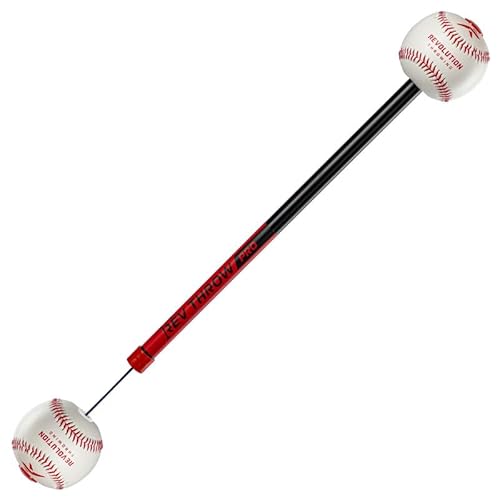
| Target Use | Baseball throwing trainer for arm path and sequencing |
| Motion Type | Repeatable, circular throwing tempo with instant feedback |
| Repetitions Capability | Hundreds of low-stress repetitions per session |
| Intended Benefits | Improved movement quality, warm-up and cooldown utility, rhythm and tempo for shoulder movement |
| Target Athletes & Applications | Overhead throwers; suitable for baseball, softball, cricket, water polo, football, volleyball, multisport athletes |
| Brand & Price | Revolution Throwing; $84.99 |
You’ll notice right away with The Rev Arm Path Throwing & Pitching Trainer for Baseball that it isn’t just a gadget—it’s a guided drill you can feel in real time. The circular motion feels intuitive, and the instant feedback helps you spot where your arm path is breaking down during warmups and reps. At $84.99 from Revolution Throwing, it’s a compact tool that slots neatly into my routine without crowding the bag.
During my sessions, the trainer delivered hundreds of low-stress repetitions in minutes, which is exactly what you want for building rhythm and tempo. It’s designed to train the arm path and sequencing, and you can feel the subtle adjustments you make cascading into smoother shoulder motion without overloading joints. When comparing different best pitching motion baseball options, this model stands out for its quality.
The device doubles as a reliable warm-up and cool-down companion, so I used it before long throwing sessions and afterward to lock in the improved movement quality. Its all-around applicability—from overhand drills to general shoulder prep—makes it a versatile addition for baseball, softball, and even multisport athletes looking to keep the upper body moving efficiently.
GoSports 2.8 inch Weighted Training Baseballs – Hitting &

| Weight per ball | 16 oz (1 lb) per ball |
| Ball diameter | 2.8 inches |
| Quantity | 6-pack |
| Use case | Baseball/softball training for hitting and pitching mechanics |
| Shell type | Soft yet durable, heavy-duty construction |
| Flight behavior | Limited flight design for safe backyard practice |
You crack the box and the first thing you notice is the soft, matte shell of each GoSports weighted ball resting in your palm. At 2.8 inches, they feel compact yet substantial, the 16 oz heft making your wrist wake up even before you swing.
As you line one up for a quick tee drill, the weight settles into your grip and you appreciate the sturdy feel of the shell—durable enough to bounce off a metal cage without cringing.
In hand, they look like affordable training partners rather than gimmicks, and that friendly heft translates to real feedback. When you toss one, you can feel the difference instantly: slower velocity forces you to slow your own pace and precision follows.
In practice, the limited flight design keepsPractice sessions compact, which is perfect for the garage or backyard. The impact is a little louder than standard balls, but the feedback is clear: your form either holds up or needs a minor adjustment.
Hitting with these forces you to commit to a smooth follow-through. You’ll notice the connection between chest drive, hip rotation, and just how late your hands release the barrel.
It’s a gentle kick to your muscle memory that translates to stronger swings over time.
For pitching work, the heavier ball reduces arm speed slightly, so you focus on a clean release and solid pitcher’s stride. It’s not about overpowering velocity in practice, but about stabilizing mechanics under pressure.
Putting them to use in a cage or back yard, you’ll appreciate how they hold up after repeated contact. The soft yet durable construction keeps the feel comfortable, so you don’t dread practice sessions.
Overall, these GoSports weighted training balls feel like a practical training partner: tangible feedback, reliable build, and real impact on form. You’ll likely reach for them whenever you want to drill fundamentals with purpose.
Heater Sports Slider Lite 360 Baseball Pitching Machine

- ✓ Quick setup
- ✓ Consistent curveballs
- ✓ Solid build
- ✕ Limited speed range
- ✕ Lightweight feel on windy days
| Pitch Speed (Max) | 80 MPH |
| Distance/Release Point | Pitches to 46 feet |
| Pitch Variety | Traditional fastballs and curveballs (pivot head design for curveball pitches) |
| Construction | Tubular steel legs with rubber tips for stability |
| Setup/Assembly | Easy, quick assembly for immediate use |
| Target/Training Focus | Lite balls training to improve reaction time and swing mechanics |
You know that moment when you swing and the pitcher somehow seems to read your swing before you even commit? I had that for years, especially with curveballs.
Then I set up the Heater Sports Slider Lite 360 and watched that frustration melt away, almost instantly. The pivot head design is obvious the first time you adjust it, and it delivers curveballs with surprising consistency at 46 feet.
Setup is as quick as they claim—two sturdy tubular steel legs, rubber tips for grip, and the unit pops to life without a ton of fiddling. I appreciated how light the machine feels for moving around the cage, yet it doesn’t wobble once you’ve got it aimed.
You’ll notice the build quality is solid enough to handle regular practice without feeling like a toy.
Hitting variety is the real winner here. You can opt for fastballs to dial in your timing and then switch to the curveball mode without missing a beat.
It pitches lite balls up to 80 MPH, which is plenty for reaction work and swing path tuning at 46 feet. The realistic curveball behavior helps you read spin and adjust your swing plane in real time.
In daily use, I found the affordable price point to be the best part—accessibility without sacrificing the feel of a true pitching machine. If you’re training solo, the consistent height and speed keep you honest and push you to refine your mechanics rather than chase wild pitches.
Overall, this isn’t a luxury model, but it nails the basics with confidence. For players who want to practice both traditional fastballs and curveballs without breaking the bank, it’s a solid, reliable choice that’s ready right out of the box.
FEYRUN Baseball Pitching Towel Trainer (Black)

| Product Name | FEYRUN Baseball Pitching Towel Trainer (Black) |
| Category Focus | Baseball/Softball Pitching Training |
| Key Specifications | {‘Detachable Design’: ‘Detachable towel with optional ball attachment for increased resistance’, ‘Training Focus’: ‘Mechanics, instant feedback on release point, wrist snap, and follow-through’, ‘Arm Speed Training’: ‘Provides added resistance to enhance arm speed and strength during drills’, ‘Hygiene & Maintenance’: ‘Easily disassembled for cleaning after each session’, ‘Target Audience & Use cases’: ‘Suitable for all ages and skill levels; usable for indoor and outdoor practice; ideal for pre-game warm-ups’, ‘Material & Finish’: ‘Black towel-based trainer designed for realistic pitcher feel’} |
You grip the FEYRUN pitching towel and the first thing you notice is how it sits in your hands like a real practice partner. The towel’s texture feels unexpectedly coaching-precise, and when you start moving, you can feel the subtle resistance that nudges your wrist snap into a cleaner release.
I kicked off with a dry drill indoors, just focusing on length and follow-through, and the towel immediately gave me instant feedback. As soon as I released too early, the towel fluttered away a touch, which dinged my confidence in my spot.
It was a small nudge, but it whispered that I needed to wait a beat and let the arm unwind naturally.
Switching to the detachable design, I removed the ball attachment to simulate more realistic resistance. The switch felt sturdy, and the transition was quick enough that I didn’t lose momentum mid-workout.
With the towel alone, you can hammer mechanics; with the ball attached, you test strength and timing in one session.
What surprised me was how well it scales to different levels. A youth player can use it to lock in a consistent release point, while an older player can push for better arm speed without sacrificing control.
The material is easy to clean, and the whole setup folds into a compact shape that travels well for warm-ups at the park or field.
In practice, it’s less about mirroring a specific pitch and more about building muscle memory for the feel of a smooth, repeatable motion. If consistency is your aim, this towel gets you there without turning your workout into a guesswork session.
Softball Pitching Mat Kit 54×12 in with Nails & Strips

- ✓ Strong indoor grip
- ✓ Easy setup + transport
- ✓ Clear motion guidance
- ✕ Limited surface feel
- ✕ Lightweight stakes may bend
| Mat Dimensions | 54 x 12 inches |
| Material & Durability | Durable training mat with vibrant colors, suitable for repeated use indoors and outdoors |
| Anti-Slip & Anchoring System | 4 indoor anti-slip strips; 4 outdoor ground stakes; 4 punched holes for securing mat outdoors |
| Included Accessories | Carrying strap, storage pouch, 4 ground stakes, 4 anti-slip strips, pitcher training aids |
| Intended Use & Target Audience | Softball pitching motion training for juniors, beginners, and adult athletes |
You discover something surprising the moment you unroll the mat: the 54×12 size isn’t just for show. It actually anchors indoors without slipping, thanks to those four anti-slip strips you tucked under the corners.
It felt like the mat itself wanted to stay put as you stepped into your stride.
The color pops in a way that’s easy to spot from across the room, which is handy when you’re chasing a quick drill between Zoom calls. I appreciated the included carrying strap and storage bag—they make hauling and stashing everything feel almost civilized, even after a sweaty session.
Setting it up outdoors is just as simple. The four ground stakes bite into grass or dirt and the punched holes around the edge line up neatly with the stakes, so you’re not re-anchoring mid-drill.
It’s a real upgrade from laying out a bare floor mat and hoping your footing holds.
What surprised me is how the included training aids actually shape form without turning the session into a puzzle. You’ve got a clear path for stride, stance, and foot placement, which helps you repeat the motion instead of guessing at it.
It’s approachable for juniors but sturdy enough for adults who want consistency.
During a long practice, the mat’s durability stood out. The surface resisted wear from repeated foot taps and toe taps, and the colors remained vibrant after multiple sessions.
It’s not a premium theater prop, but it doesn’t feel disposable either.
If you’re juggling space, budget, and practical training, this kit slots in nicely. It covers indoor and outdoor needs with a cohesive setup that actually sticks with you through a workout.
You’ll finish with cleaner mechanics and less guessing about where your weight should land.
Bottom line: it’s a thoughtful, practical training companion that doesn’t require a ceiling-high commitment to see value. It’s a solid upgrade for anyone serious about repeatable pitching motion.
What Makes a Pitching Motion Effective in Baseball?
An effective pitching motion in baseball combines several key components that contribute to a pitcher’s performance and success on the mound.
- Balance: Maintaining balance throughout the pitching motion is crucial as it allows the pitcher to generate power while remaining in control. A well-balanced stance helps ensure that the pitcher can effectively transfer weight from the back leg to the front leg during the delivery, which is essential for accuracy and velocity.
- Leg Drive: The force generated from the legs during the pitching motion is vital for producing speed and power. Proper leg drive involves a strong push-off from the back leg, propelling the body forward and allowing for a strong follow-through, significantly impacting the pitch’s velocity.
- Arm Slot: The arm slot refers to the angle and position of the throwing arm during the motion. A consistent arm slot contributes to pitch accuracy and helps the pitcher maintain control over various pitch types, such as fastballs and curveballs, by keeping the release point uniform.
- Follow-Through: The follow-through is an essential part of the pitching motion that aids in preventing injury and ensuring a smooth transition after the pitch is delivered. A proper follow-through allows the pitcher to decelerate their arm safely, reducing stress on the shoulder and elbow while maintaining balance for fielding the ball.
- Hip and Shoulder Separation: Effective pitching involves the separation of the hips and shoulders during the delivery, which creates torque and maximizes power. This separation allows the pitcher to store energy, resulting in a more explosive release and added velocity on the pitch.
- Consistency: Developing a consistent pitching motion is crucial for long-term success. A repeatable motion leads to improved accuracy and allows pitchers to better control their pitches, making it easier to execute different types of pitches under pressure.
How Do Pitching Mechanics Influence Performance?
Stride Length: Stride length is the distance a pitcher takes with their lead leg during the windup. A longer stride can lead to increased velocity as it allows for greater momentum, but it must be balanced with a strong landing to prevent loss of control.
Weight Transfer: Effective weight transfer from the back foot to the front foot is essential for maximizing pitch power. This movement creates kinetic energy that can translate into faster pitches while also helping maintain balance throughout the delivery.
Follow-Through: The follow-through is the motion a pitcher makes after releasing the ball. A proper follow-through not only helps in maintaining accuracy by allowing the arm to decelerate smoothly but also plays a crucial role in preventing injuries by reducing stress on the arm.
Hip and Shoulder Separation: This refers to the dynamic between the rotation of the hips and shoulders during a pitch. Greater separation can lead to increased torque and speed, allowing pitchers to throw harder while also creating a deceptive delivery that can confuse batters.
Why Is Balance Crucial in a Pitching Motion?
The underlying mechanism involves the coordination of various muscle groups and the effective transfer of energy from the lower body through the core and into the arm. When a pitcher maintains balance, they stabilize their center of gravity, allowing for a more fluid and efficient motion. This stability helps prevent excessive strain on the arm and shoulder, which are often vulnerable during the pitching motion due to high forces and repetitive stress. Moreover, maintaining balance allows pitchers to better control their release point, thereby enhancing pitch accuracy and reducing the likelihood of wild pitches.
Furthermore, when pitchers lose balance, they can inadvertently alter their arm angle or stride length, which can lead to inconsistent pitches. Research by the American Sports Medicine Institute emphasizes the relationship between balanced mechanics and pitching injuries, suggesting that a compromised balance can increase the risk of elbow and shoulder injuries due to improper loading and torque on these joints. Thus, the importance of balance in a pitching motion extends beyond performance; it is also a critical factor in injury prevention.
What Are the Different Types of Pitching Motions?
The different types of pitching motions in baseball are crucial for a pitcher’s effectiveness and injury prevention.
- Overhand Pitch: This motion involves the pitcher throwing the ball from a height above the shoulder, allowing for maximum velocity and downward movement on the pitch.
- Three-Quarter Pitch: A hybrid between overhand and sidearm, this motion occurs at a slightly lower angle, providing a balance between speed and movement, often effectively used for breaking balls.
- Sidearm Pitch: The ball is delivered parallel to the ground, which can create a unique angle and movement that confounds batters, making it useful for certain types of pitches like sliders and sinkers.
- Underhand Pitch: Less common in modern baseball, this motion involves throwing the ball from below the waist, often seen in softball but can surprise batters if used strategically in baseball.
- Windup Pitch: This motion starts with the pitcher’s feet together, allowing for a larger, more dynamic movement that can generate greater momentum and speed when releasing the ball.
- Stretch Pitch: Used primarily with runners on base, the stretch motion simplifies the delivery to focus on quickness and control, ensuring the pitcher can maintain a fast tempo to prevent base stealing.
The overhand pitch is favored for its ability to generate speed and is often associated with power pitchers. The three-quarter pitch blends the advantages of both the overhand and sidearm, making it a versatile option for various pitch types.
The sidearm pitch can create deceptive angles that can be challenging for hitters, especially those who are used to more conventional deliveries. The underhand pitch, while rare, can be effective in specific situations or as a surprise tactic due to its unconventional nature.
The windup pitch is typically used for starting pitchers who have the luxury of time to build momentum, while the stretch pitch is essential for relieving pitchers who need to react quickly to base runners. Each motion has its unique advantages and can be tailored to a pitcher’s style and the game situation.
How Do Overhand and Sidearm Pitches Differ?
Overhand and sidearm pitches are two distinct pitching motions in baseball, each with unique mechanics and effects on the ball’s trajectory.
- Overhand Pitch: This motion involves the pitcher throwing the ball with their arm raised above shoulder level.
- Sidearm Pitch: In this style, the pitcher releases the ball with their arm parallel to the ground or slightly below shoulder level.
The overhand pitch is characterized by a high arm angle, allowing for a downward angle of the ball towards the plate. This motion typically generates more velocity and can create a sharper breaking ball, making it effective for strikeouts. It utilizes the full kinetic chain of the body, engaging the legs and core for maximum power and speed.
In contrast, the sidearm pitch features a lower arm angle which can lead to a flatter trajectory and a more horizontal movement of the ball. This style can be advantageous for creating deceptive angles, making it harder for batters to predict the pitch. Sidearm pitchers often rely on movement and spin rather than sheer velocity, which can be effective against batters who are accustomed to seeing overhand pitches.
What Advantages Does a Three-Quarter Arm Slot Offer?
A three-quarter arm slot in baseball pitching offers several advantages that can enhance a pitcher’s effectiveness and performance.
- Improved Ball Movement: The three-quarter arm slot allows for better natural movement on pitches, especially breaking balls like sliders and curveballs. This angle creates a unique spin that can deceive batters, making it harder for them to make solid contact.
- Reduced Stress on the Shoulder: Pitching from a three-quarter slot can help distribute the stress on a pitcher’s shoulder and arm more evenly. This position can reduce the risk of injury by minimizing excessive torque on the shoulder joint, promoting longevity in a pitcher’s career.
- Enhanced Velocity: Many pitchers find that the three-quarter arm slot allows them to generate more velocity without sacrificing control. This is because the mechanics of the motion can utilize the body’s natural strength and momentum more effectively, resulting in faster pitches.
- Versatility in Pitch Selection: Pitchers who utilize a three-quarter arm slot can more easily incorporate a variety of pitches into their arsenal. The angle helps in delivering fastballs, changeups, and breaking pitches with a consistent release point, making it difficult for batters to anticipate what is coming next.
- Better Angle of Attack: This arm slot provides a favorable angle for pitchers to throw downhill towards the plate, which can make it more challenging for batters to elevate the ball. A downward angle typically results in more ground balls and pop-ups, which are advantageous outcomes for the defense.
How Can Pitchers Improve Their Motion?
To improve their pitching motion, players can focus on several key techniques and practices:
- Proper Mechanics: Emphasizing correct arm slot, foot placement, and follow-through can significantly enhance a pitcher’s effectiveness. Mechanics influence not only the ball’s movement but also the pitcher’s durability and injury risk, making it crucial to master these elements.
- Strength Training: Building strength, particularly in the core, legs, and shoulders, helps pitchers generate power and maintain stability during their motion. Targeted exercises can improve overall performance and allow pitchers to maintain their form under pressure.
- Video Analysis: Utilizing video technology to analyze pitching mechanics can reveal areas for improvement and help pitchers make necessary adjustments. By reviewing their motion, pitchers can identify flaws that may not be visible in real-time, leading to more informed practice sessions.
- Flexibility and Mobility Drills: Incorporating stretching and mobility exercises into a training regimen can enhance a pitcher’s range of motion, which is essential for a fluid pitching delivery. Increased flexibility can lead to better mechanics and reduced risk of injury.
- Consistency in Routine: Establishing a pre-game and in-game routine helps pitchers maintain focus and consistency in their delivery. A well-defined routine can set the mental stage for optimal performance and help pitchers stay in rhythm.
- Feedback from Coaches: Regular feedback from knowledgeable coaches can provide pitchers with invaluable insights into their performance and areas for improvement. Constructive criticism and guidance can lead to swift adjustments and ultimately better pitching outcomes.
What Techniques Are Most Effective for Enhancing Pitching Skills?
Several techniques can significantly enhance pitching skills in baseball:
- Proper Grip: The way a pitcher grips the baseball can greatly affect the pitch’s spin and movement. A consistent grip allows for better control and accuracy, ensuring that the ball is released at the right angle for the desired pitch type.
- Body Mechanics: Utilizing proper body mechanics involves aligning the body correctly during the pitching motion. This includes using the legs for power and maintaining a balanced position, which helps in generating velocity and reducing the risk of injury.
- Stride Length: The distance a pitcher strides forward during their delivery plays a crucial role in their overall effectiveness. A longer stride can increase momentum and velocity, but it must be balanced with control to avoid wild pitches.
- Follow-Through: An effective follow-through is essential for ensuring that the pitch is executed smoothly. It helps in maintaining balance and can prevent injuries by allowing the body to decelerate appropriately after the pitch.
- Practice Drills: Engaging in specific drills, such as long toss or flat-ground throwing, can enhance a pitcher’s arm strength and accuracy. These drills allow pitchers to focus on mechanics in a controlled environment, leading to improvements in their overall pitching motion.
- Video Analysis: Utilizing video analysis provides pitchers with visual feedback on their mechanics and technique. This technology allows them to identify areas for improvement and make adjustments to their pitching motion based on real-time data.
- Strength and Conditioning: A comprehensive strength and conditioning program can enhance a pitcher’s physical capabilities. Focusing on core strength, shoulder stability, and leg power contributes to a more effective pitching motion and can help prevent injuries.
What Common Mistakes Should Pitchers Avoid?
Pitchers should be aware of several common mistakes that can hinder their performance and effectiveness.
- Incorrect Grip: A poor grip on the baseball can lead to inconsistent pitches and reduced control. Ensuring the right grip is essential for achieving the desired spin and movement of the ball.
- Overstriding: Overstriding can lead to a loss of balance and power during the pitch. Maintaining an appropriate stride length helps in generating momentum without compromising stability.
- Improper Arm Slot: An incorrect arm slot can affect pitch delivery and lead to injuries. Finding the optimal arm angle is crucial for maximizing velocity and minimizing stress on the shoulder and elbow.
- Neglecting Lower Body Mechanics: Many pitchers focus solely on their upper body, neglecting the importance of their legs and hips. Utilizing the lower body effectively can enhance pitch power and control by providing a strong base.
- Failing to Follow Through: A lack of follow-through can result in reduced pitch velocity and accuracy. Completing the motion is vital for ensuring proper mechanics and minimizing the risk of injury.
- Inconsistent Timing: Poor timing in the windup and delivery can lead to erratic pitches. Establishing a consistent rhythm helps pitchers maintain accuracy and effectiveness throughout their performance.
- Ignoring Mental Preparation: Many pitchers overlook the mental aspect of the game, which can lead to anxiety and decreased performance. Developing a strong mental approach, including visualization and focus techniques, is essential for success on the mound.
How Can Reducing Errors in Motion Help Performance?
- Improved Accuracy: By minimizing errors in pitching motion, a pitcher can achieve better aim, resulting in more strikes and fewer walks. When the mechanics are refined, the ball is more likely to reach the target zone, decreasing the chances of hitting batters or throwing wild pitches.
- Enhanced Consistency: A consistent pitching motion allows pitchers to replicate their form in each throw, which is crucial for maintaining performance throughout a game. This reliability helps pitchers build confidence and a rhythm, leading to more effective outings against hitters.
- Injury Prevention: A smooth and well-executed pitching motion reduces unnecessary strain on the arm and shoulder, lowering the risk of injury. By focusing on biomechanics and correcting flaws, pitchers can prolong their careers and maintain peak performance without the interruptions caused by injuries.
- Increased Velocity: Streamlining pitching motion can lead to an increase in pitch velocity, as efficient movements allow for better energy transfer from the body to the ball. Pitchers who can throw harder are often more intimidating to batters, providing a competitive edge in games.
- Better Spin Rate: When motion errors are minimized, pitchers can achieve a more effective spin on the ball, resulting in better movement and deception. This improved spin can make pitches like sliders and curveballs more difficult for hitters to track and hit, enhancing the pitcher’s arsenal.
What Lessons Can Be Learned from Legendary Pitchers?
Several key lessons can be learned from legendary pitchers regarding the best pitching motion in baseball:
- Consistency: Legendary pitchers often emphasize the importance of a repeatable motion.
- Mechanics: The best pitchers have mastered their mechanics to maximize efficiency and minimize injury risk.
- Adaptability: Being able to adjust their pitching style based on the situation is a trait shared by great pitchers.
- Focus and Mental Toughness: The mental aspect of pitching is crucial, as great pitchers maintain focus and composure under pressure.
- Physical Conditioning: Maintaining peak physical condition is essential for sustaining performance throughout a season.
Consistency in a pitcher’s motion helps to develop muscle memory, allowing pitchers to deliver strikes reliably. Legendary pitchers like Greg Maddux are known for their ability to repeat their delivery, which not only improves accuracy but also builds confidence on the mound.
Mastering mechanics is critical for achieving the best pitching motion. For example, Nolan Ryan’s powerful delivery was not just about raw strength but also about the technique that allowed him to throw with precision while minimizing wear and tear on his arm.
Adaptability is vital in a pitcher’s arsenal; they must adjust their approach based on hitters, weather conditions, and game situations. Legendary pitchers, such as Pedro Martinez, could alter their strategy effectively, using different pitches to keep hitters off balance.
Focus and mental toughness are characteristics that set legendary pitchers apart, enabling them to perform under high-pressure situations. For instance, Mariano Rivera’s calm demeanor in crucial moments made him one of the most effective closers in history, showcasing how mental fortitude can enhance performance.
Finally, physical conditioning plays a pivotal role in a pitcher’s longevity and effectiveness. Pitchers like Roy Halladay committed to rigorous training regimens, ensuring they could withstand the rigors of a long season while maintaining their competitive edge.
What Techniques Did Iconic Pitchers Use to Perfect Their Motion?
The best pitching motion in baseball has been perfected by iconic pitchers through various techniques that enhance their performance and effectiveness on the mound.
- Windup Mechanics: Mastery of the windup is crucial for establishing rhythm and timing. Great pitchers like Sandy Koufax utilized a fluid windup that allowed them to gain momentum, which helped generate speed and power in their pitch delivery.
- Stride Length: The length of a pitcher’s stride can significantly impact their velocity and control. Nolan Ryan famously had an extended stride that allowed him to leverage his lower body, leading to explosive fastballs and greater accuracy.
- Arm Slot and Release Point: The angle and timing of the arm slot are vital for deception and pitch effectiveness. Pedro Martinez showcased a unique arm angle that made it difficult for batters to pick up the ball, enhancing his strikeout ability.
- Follow-Through: A proper follow-through can prevent injury and enhance pitch effectiveness. Greg Maddux emphasized a smooth follow-through that maintained balance and allowed him to quickly reset for the next pitch, ensuring consistency in his performance.
- Body Alignment: Keeping the body aligned during the pitch can help maintain velocity and reduce injury risk. Randy Johnson’s towering frame and perfect alignment allowed him to utilize his height to generate downward angle on his pitches, making it hard for batters to make contact.
- Utilization of Core Strength: Strengthening the core is essential for stability and power. Many pitchers, including Justin Verlander, focus on core workouts to enhance their pitching motion, allowing them to transfer energy efficiently from their legs through their torso and into their arm.
- Pre-Pitch Routine: Establishing a consistent pre-pitch routine helps pitchers mentally prepare and focus. Mariano Rivera’s ritual of visualizing the pitch before delivery allowed him to maintain composure and confidence, contributing to his legendary status.