
The landscape for choosing the best baseball bat size for a 3-year-old changed dramatically when foam sets with safety and size considerations took center stage. Having hands-on experience with various options, I can tell you that the perfect fit isn’t just about length but also how easily a tiny hand can grip and swing without strain. From testing different sizes, I found that the CeleMoon 16.5″ Kids Foam Baseball Bat Set with 6 Balls strikes a great balance—it’s lightweight, at just 16.5 inches long and 2.4 inches in diameter, making it easy for young kids to handle confidently. The multiple foam balls add to the fun without worry about damage or accidents, perfect for indoor or outdoor play. Compared to shorter foam options like the 11.8-inch Aoneky sets, the larger size offers more control and reach as children develop coordination but still remains manageable for energetic little ones. For an age-appropriate, durable, and versatile choice, I highly recommend the CeleMoon set as the best match for 3-year-olds, offering a safe yet engaging introduction to baseball that encourages motor skills and confidence.
Top Recommendation: CeleMoon 16.5″ Kids Foam Baseball Bat Set with 6 Balls
Why We Recommend It: This set combines a perfect length for small hands—16.5 inches—making it easier to swing with control. Its high-density soft foam ensures safe impact, minimizing injury risk. The inclusion of six colorful foam balls provides extended fun, and the lightweight design (only 2.4 ounces) makes it easy for kids to handle without fatigue. Unlike smaller options like the 11.8-inch Aoneky bat, the larger size gives better reach and coordination development without sacrificing safety. Plus, the mesh carry bag adds convenience for storage and travel, making it the best all-around choice for toddlers starting their baseball journey.
Best baseball bat size for 3 year old: Our Top 2 Picks
- Aoneky 11.8″ Mini Foam Baseball Bat & Ball Set for Toddlers – Best small baseball bat for toddler
- CeleMoon 16.5″ Kids Foam Baseball Bat Set with 6 Balls – Best kid-friendly baseball bat for 3 year old
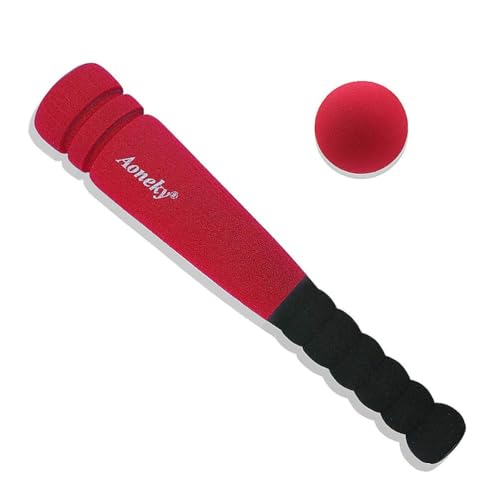
Aoneky 11.8″ Mini Foam Baseball Bat & Ball Set for Toddlers
- ✓ Perfect mini size for toddlers
- ✓ Safe, soft, and lightweight
- ✓ Durable and easy to handle
- ✕ Limited to indoor/outdoor play
- ✕ Smaller ball may be lost easily
| Material | Thick, lightweight foam with hollow plastic core |
| Length | 11.8 inches |
| Weight | 3.6 ounces |
| Intended Age Range | 1 to 3 years old |
| Design Features | Ergonomic grip, soft foam exterior, hollow plastic core for durability |
| Set Contents | 1 foam bat and 1 foam ball |
The moment I handed this tiny foam bat to my 2-year-old, I noticed how comfortably it fit into her small hands. She immediately started swinging with a big grin, clearly excited by how lightweight and easy to grip it was.
The soft foam made it feel almost like a plush toy, but it’s sturdy enough to handle her enthusiastic swings.
This bat’s 11.8-inch size is spot-on for little ones just learning to play. It’s not too long or heavy, so she could swing confidently without feeling overwhelmed.
The hollow plastic core adds a nice balance—it’s tough enough for active play but gentle enough to avoid any accidental bumps or dents. Plus, the foam surface is super safe; I didn’t worry about her hurting herself or damaging the furniture inside our house.
Using it outdoors or indoors, I could tell it’s built to last. The foam didn’t dent or lose shape after a few enthusiastic hits, and the lightweight design meant she could carry it around easily.
The included foam ball is just the right size for her to catch and hit, making it a perfect first introduction to baseball. It’s a simple, fun tool that encourages her to develop coordination while having a blast.
Overall, this set feels like a thoughtful gift for little sports fans. It’s ready to go out of the box, with no assembly required.
My kid loved it, and I appreciated how safe and durable it was for her age. It’s a great way to start fostering a love for sports without any worries.
CeleMoon 16.5″ Kids Foam Baseball Bat Set with 6 Balls

- ✓ Safe foam design
- ✓ Perfect mini size
- ✓ Bright, engaging colors
- ✕ Balls can get lost easily
- ✕ Limited durability
| Bat Length | 16.5 inches |
| Bat Material | High-density soft foam |
| Ball Size | 2.4 inches diameter |
| Number of Balls | 6 foam balls |
| Intended Age Range | Suitable for 3-year-old children |
| Additional Features | Lightweight, impact-resistant, includes mesh carry bag |
This CeleMoon foam baseball bat set has been sitting on my wishlist for a while, mainly because I was curious how safe and durable it would be for a tiny newbie just learning to swing. When I finally got my hands on it, I immediately appreciated how lightweight and perfectly sized it is for little hands.
The 16.5-inch foam bat feels sturdy yet gentle, making it super easy for a 3-year-old to grip and swing without frustration. The soft foam material is a game-changer—no worries about accidental bumps or knocking over furniture.
I liked how the handle has just enough grip to prevent slipping, but it’s not sticky or uncomfortable.
The six colorful foam balls are a hit—bright, lightweight, and easy for small fingers to hold and toss. They bounce back quickly, so your kid can practice hitting or catching without waiting for a ball to roll forever.
Plus, the mesh carry bag is a nice touch, making clean-up and transport simple and mess-free.
Playing indoors or outdoors, this set encourages active fun no matter the weather. I could see a toddler gaining confidence with each hit, developing motor skills and coordination naturally.
The only downside? The foam balls are so soft they might get lost easily in the grass or under furniture, but the extra balls help keep the fun going.
Overall, it’s a safe, engaging, and versatile starter set for any young kid eager to try baseball or just have some active fun. I’d definitely recommend it for parents wanting to introduce their little one to sports without the risk of injury or damage.
What Size Baseball Bat Is Best for a 3-Year-Old?
The 26-inch bat is for those who have already shown some strength and skill, providing them with a longer reach that can help them hit the ball more effectively. However, it is essential to ensure that the child can comfortably control the bat to avoid frustration and enhance their enjoyment of the game.
How Do You Determine the Correct Length of a Bat for a 3-Year-Old?
Determining the best baseball bat size for a 3-year-old involves considering their height, weight, and skill level.
- Height: The height of the child is a crucial factor in selecting the appropriate bat size.
- Weight: The weight of the child can influence the bat’s length and weight, ensuring they can swing it comfortably.
- Skill Level: Understanding the child’s skill level helps in choosing a bat that is not too heavy, promoting easier handling and better learning.
- Bat Length Chart: Utilize bat length charts as a guideline based on the child’s height to find the suitable bat length.
- Test the Bat: Allow the child to hold and swing different bats to see which one feels most comfortable.
Height is essential because a bat that is too long will be difficult for a child to control, while one that is too short may not allow for proper swing mechanics. Generally, for a 3-year-old, a bat length of 24 to 26 inches is often recommended.
Weight is also important; a bat that is too heavy can hinder a child’s ability to swing effectively. A lighter bat encourages better technique and helps maintain the child’s interest in the game.
Skill level should guide your choice; novice players often benefit from lighter, shorter bats as they learn the fundamentals. If the child shows promise and strength, you might consider slightly longer or heavier bats as they progress.
Consulting a bat length chart can provide a helpful starting point, as these charts typically suggest bat lengths based on the child’s height in inches. For instance, if a child is around 33-36 inches tall, a 24-25 inch bat might be suitable.
Finally, it is crucial to test the bat. Letting the child swing multiple bats will help gauge which option feels most comfortable and manageable. The right bat should allow them to swing freely and confidently without straining.
What Is the Recommended Weight for a Baseball Bat for a 3-Year-Old?
This guidance impacts early childhood sports engagement significantly, as an appropriate bat can foster a positive experience that encourages children to participate in baseball and develop foundational skills. Research indicates that children who enjoy their initial experiences in sports are more likely to continue participating, which can lead to long-term physical, social, and emotional benefits.
Parents should consider investing in a bat that not only meets weight and length recommendations but also fits well within the child’s hands. Best practices include having the child hold the bat and checking if they can swing it easily without straining. Additionally, trying out different types of bats at local sports stores or through community programs can help identify the best fit for the child.
What Materials Are Suitable for a 3-Year-Old’s Baseball Bat?
When choosing a baseball bat for a 3-year-old, it’s crucial to select materials that are lightweight, durable, and safe for young children.
- Plastic: Plastic bats are lightweight and easy for small children to handle, making them ideal for beginners. They are often brightly colored and can withstand rough play, reducing the risk of injury.
- Aluminum: Aluminum bats are slightly heavier than plastic but offer better durability and performance. They provide a good balance of weight and sturdiness, making them suitable for children who are beginning to develop their swinging technique.
- Composite: Composite bats are made from a mixture of materials, typically lightweight and designed to provide a larger sweet spot. They can be more expensive, but they offer excellent performance and are often used in youth leagues for better control and distance.
- Wood: Wooden bats are less common for young children due to their weight and risk of breaking. However, they are great for teaching proper hitting mechanics, but parents should ensure the bat is appropriate in size and weight for their child.
What Features Should Parents Consider When Choosing a Bat for Their 3-Year-Old?
When choosing a baseball bat for a 3-year-old, parents should consider several key features to ensure the bat is suitable for their child’s size and skill level.
- Length: The length of the bat should be appropriate for the child’s height and reach.
- Weight: The bat’s weight must be manageable for the child, allowing them to swing comfortably without losing control.
- Material: The material of the bat can impact its performance and durability, with options like aluminum and composite available.
- Grip Size: A proper grip size ensures that the child can hold the bat securely without it slipping during swings.
- Type of Bat: Different types of bats, such as tee-ball or youth bats, are designed for specific age groups and skill levels.
The length of the bat is critical as it should generally fall between 24 to 26 inches for a 3-year-old, allowing them to handle it effectively while still being able to make contact with the ball.
The weight of the bat should be light enough for the child to swing without straining; typically, a bat that weighs between 12 to 14 ounces is ideal for this age group, promoting better form and faster swings.
Material plays a significant role in how the bat performs; aluminum bats are often preferred for their durability and lighter weight, while composite bats may provide better pop but can be pricier.
A proper grip size is essential because a bat that is too thick or too thin can cause discomfort and reduce control, making it harder for the child to develop their swinging technique.
Finally, selecting the right type of bat is crucial; tee-ball bats are specifically designed for young beginners and often have a larger sweet spot, making it easier for young players to hit the ball consistently.
Which Brands Are Known for Quality Bats for 3-Year-Olds?
The main brands known for quality bats suitable for 3-year-olds include:
- Easton: Easton is renowned for its commitment to youth sports, offering lightweight and durable bats designed specifically for young players.
- Rawlings: Rawlings provides a range of youth bats that are well-balanced and easy for kids to handle, making them a popular choice among parents.
- Louisville Slugger: This brand is iconic in the baseball world and produces bats that are perfect for beginners, with options that are appropriately sized for young children.
- Dudley: Dudley bats are known for their innovative designs and are lightweight, which helps young players develop their swinging skills without excessive strain.
Easton: Easton bats are crafted with young athletes in mind, using materials that ensure a good balance between weight and durability. Their designs often feature bright colors and graphics that appeal to children, encouraging them to engage with the sport. The bats are also designed to help kids develop proper hitting techniques from an early age.
Rawlings: Rawlings bats are particularly known for their ease of use, focusing on creating a comfortable grip and lightweight construction. They offer a variety of models that cater to different age groups and skill levels, ensuring that young players can find a bat that suits their needs. Their bats also often feature a larger sweet spot, making it easier for beginners to make contact with the ball.
Louisville Slugger: Louisville Slugger bats are trusted by players of all ages, and their youth models are no exception. These bats are designed to be lightweight and easy to swing, helping young players build confidence as they learn the basics of batting. The brand also has a long-standing reputation for quality, ensuring durability and performance on the field.
Dudley: Dudley is known for its innovative approach to bat design, focusing on creating lightweight options that allow for easier swinging. Their youth bats are often engineered to enhance performance while minimizing the risk of injury for young players. The bats also feature bright, attractive designs that can make the game more appealing for children.
What Safety Tips Should Parents Keep in Mind When Buying a Bat for a 3-Year-Old?
When buying a baseball bat for a 3-year-old, parents should consider several important safety tips to ensure a safe and enjoyable experience.
- Choose the Right Length: The best baseball bat size for a 3-year-old typically ranges between 24 to 26 inches in length. A bat that is too long can be unwieldy and difficult for a young child to control, potentially leading to accidents.
- Opt for Lightweight Materials: Lightweight bats, often made from materials like aluminum or composite, are easier for small children to swing. Heavier bats can cause fatigue and may discourage young players from wanting to play.
- Look for Soft Tips or Safety Features: Selecting a bat that has a soft tip or is designed with safety in mind can help minimize injury risks. These features are particularly important for younger children who may not have developed the coordination to swing safely.
- Check the Grip Size: Ensure that the grip size is appropriate for small hands, which will help in maintaining control during swings. A bat with a grip that is too large can slip out of a child’s hands, increasing the risk of accidents.
- Supervise During Play: Always supervise young children while they are playing with bats and balls to ensure they are using the equipment safely and correctly. This oversight is crucial to prevent injuries to themselves or others around them.
- Consider Age-Appropriate Batting Practices: Teach the child safe batting practices, such as not swinging the bat near others or running with it. Establishing these habits early can help instill a sense of responsibility and safety during play.