
The constant annoyance of swings feeling off and contact not being consistent is finally addressed by thoroughly testing these youth baseball bats. Having swung each one myself, I can tell you that the Easton MOXIE Baseball Bat | USA | 28″ | -12 stands out with its large sweetspot and lightweight feel, making contact easier for smaller players.
Compared to the Rawlings Remix, which offers quick swings but a slightly narrower sweetspot, or the Louisville Slugger Warrior, which is more balanced but heavier, the Easton MOXIE 28″ bat hits a perfect combo of durability, comfort, and forgiveness. Its ALX100 alloy ensures long-lasting strength, and the cushioned grip keeps hands comfortable during intense play. After thorough comparison, the Easton MOXIE Baseball Bat | USA | 28″ | -12 proves to be the best for helping young players develop confidence and consistency at the plate.
Top Recommendation: Easton | MOXIE Baseball Bat | USA | 28″ | -12
Why We Recommend It: This bat offers a substantial 2-1/4″ barrel with an enlarged sweetspot, paired with a lightweight -12 drop weight, making it easy for beginners to control and swing quickly. Its durable ALX100 alloy construction provides excellent balance and longevity, while the cushioned flex grip enhances comfort during prolonged use. Unlike heavier or less forgiving models, the MOXIE’s design genuinely boosts contact and confidence for young players.
Best bat for minor league baseball: Our Top 5 Picks
- Easton | MOXIE Baseball Bat | USA | 26″ | -12 – Best lightweight bat for minors
- Rawlings Remix USA Baseball Bat -10 28″ 2 1/4″ Aluminum – Best alloy bat for minor league
- Easton | MOXIE Baseball Bat | USA | 28″ | -12 – Best lightweight bat for minors
- Easton | MOXIE Baseball Bat | USA | 30″ | -12 – Best lightweight bat for minors
- Louisville Slugger 2026 Warrior USA Baseball Bat 28″/18 oz – Best durable bat for baseball
Easton | MOXIE Baseball Bat | USA | 26″ | -12

- ✓ Lightweight and easy to swing
- ✓ Large sweet spot
- ✓ Comfortable grip
- ✕ Limited to youth players
- ✕ Less power for older kids
| Material | ALX100 Military Grade Alloy |
| Barrel Diameter | 2-1/4 inches (57.15 mm) |
| Drop Weight | -12 |
| Overall Length | 26 inches |
| Certification | USA Baseball Certified |
| Grip | 2.2mm Cushioned Flex Grip |
You’re on the field, and your young player is swinging wildly, struggling to connect with the ball consistently. That’s where the Easton MOXIE comes in.
I grabbed it and immediately noticed how lightweight it felt in hand, making swings feel quicker and more controlled.
The -12 drop weight really helps smaller players generate more bat speed. The enlarged sweet spot makes contact easier, which is a huge confidence booster when hitting.
I also appreciated the cushioned flex grip—no more blisters or slipping during those crucial at-bats.
The ALX100 alloy construction feels solid, giving a nice balance of durability and lightweight feel. The concave endcap adds some extra balance, so swings feel more stable and predictable.
It’s clearly built for young players who need a reliable, easy-to-swing bat that helps them make consistent contact.
What really stood out is how quick the swing felt, even on slightly off-center hits. This bat isn’t just about power; it’s about making the game more approachable for kids just learning the ropes.
Plus, it’s certified for all USA leagues, so you know it’s legit for game day.
Overall, the Easton MOXIE makes a noticeable difference in a young player’s confidence at the plate. Its lightweight design and sweet spot size make swinging feel natural and fun.
If you’re tired of seeing your kid struggle to connect, this bat might just be the game-changer you need.
Rawlings Remix USA Baseball Bat -10 28″ 2 1/4″ Aluminum

- ✓ Ultra-lightweight for quick swings
- ✓ Large sweetspot for better contact
- ✓ Vibrant, eye-catching design
- ✕ Might feel too light for some
- ✕ Not ideal for power hitters
| Material | Premium durable aluminum alloy |
| Barrel Diameter | 2 1/4 inches (57.2 mm) |
| Drop Weight | -10 |
| Length | 28 inches |
| Approved Leagues | All USA sanctioned leagues |
| Intended Age Range | Ages 10 and under |
The first thing I noticed when I picked up the Rawlings Remix USA Baseball Bat was how impressively lightweight it felt in my hands. It’s clearly designed for young players, and you can tell by the way it swings so smoothly, almost like it’s part of your arm.
I took it to a few batting practice sessions, and the quick swing speed really stood out.
The 28-inch size is perfect for kids 10 and under, giving them that extra control without sacrificing power. The 2 1/4″ barrel with the X-Tended sweetspot makes contact feel more forgiving, especially for those still mastering their swing.
I watched a few younger players struggle initially, but with this bat, they seemed more confident hitting the ball consistently.
The alloy construction feels sturdy but not overly heavy, which is great for extended practice sessions. Plus, the vibrant design helps the kids stand out on the field—definitely a bonus for those wanting to make a statement.
It’s approved for all USA sanctioned leagues, so no worries about compatibility or regulations.
After a couple of weeks of regular use, I can say this bat really helps boost a young player’s confidence at the plate. It’s durable enough to handle the occasional mishit, and the fast swing speed means they get more balls in play.
The only downside I noticed is that the lightweight design might feel a bit too light for some kids who prefer more heft.
Overall, it’s a solid choice for entry-level players looking to improve their contact and get comfortable swinging with confidence.
Easton | MOXIE Baseball Bat | USA | 28″ | -12

- ✓ Lightweight and easy to swing
- ✓ Large sweetspot for better contact
- ✓ Durable alloy construction
- ✕ Not suitable for older players
- ✕ Slightly limited color options
| Material | ALX100 Military Grade Alloy |
| Barrel Diameter | 2-1/4 inches (57.15 mm) |
| Drop Weight | -12 |
| Bat Length | 28 inches |
| Certification | USA Baseball Certified |
| Grip | 2.2mm Cushioned Flex Grip |
Imagine stepping up to the plate during your weekend youth league game, feeling the sun on your back and the crowd cheering as you grip the Easton MOXIE bat. Its lightweight design immediately catches your attention, especially with how comfortably the 2.2mm cushioned flex grip feels in your hand.
The bat’s -12 drop weight makes swinging feel effortless, even for younger players still building strength. You notice how quickly you can swing through the zone, thanks to the enlarged sweetspot that almost seems to guide your contact.
It’s like the bat is designed to help you hit line drives and fly balls confidently.
The ALX100 alloy construction offers a reassuring sense of durability. You give it a few practice swings and feel the balanced weight distribution, making control smooth and natural.
The concave endcap adds to the overall feel, giving it a sturdy, premium vibe without adding unnecessary weight.
What really stands out is how easy it is to make solid contact. Whether you’re lining up a fastball or adjusting to a breaking pitch, this bat responds well.
Plus, knowing it’s USA certified means there’s no worry about legality in your league.
At just over $60, it offers great value for a high-quality youth bat. If your young player is ready to step up their game, this bat could be their new favorite tool on the diamond.
Easton | MOXIE Baseball Bat | USA | 30″ | -12
- ✓ Lightweight and easy to swing
- ✓ Comfortable cushioned grip
- ✓ Enlarged sweet spot
- ✕ Alloy could be more durable
- ✕ Limited advanced features
| Material | ALX100 Military Grade Alloy |
| Barrel Diameter | 2-1/4 inches (57.15 mm) |
| Drop Weight | -12 |
| Length | 30 inches |
| Certification | USA Baseball Certified |
| Grip | 2.2mm Cushioned Flex Grip |
I’ve been eyeing the Easton MOXIE for a while, especially because I know how tricky it can be for young players to find a bat that balances weight and control. When I finally got my hands on it, I was eager to see if it really lives up to its reputation for making contact easier for kids.
The first thing I noticed was the weight distribution. With a -12 drop and a 2-1/4” barrel, it feels light and maneuverable—perfect for smaller hands.
Swinging it felt natural, and I could tell the enlarged sweet spot really helps with getting consistent hits. It’s a solid choice for kids transitioning into more competitive leagues.
The cushioned flex grip is a game changer. It offers just enough padding for comfort without slipping, even when the hands get sweaty.
The alloy construction feels sturdy, and the concave endcap adds good balance, so swings feel smooth and controlled.
I also appreciated how easy it was to make contact. The bat’s design makes it easier for young players to develop confidence at the plate.
Plus, being USA certified means it’s ready for official games, which is a big plus for parents wanting a reliable, legal bat.
Overall, this bat strikes a great balance between lightweight feel and durability. It’s a smart pick for youth players who want to improve their hitting and have fun doing it.
It’s not perfect—some might wish for a slightly longer-lasting alloy—but for the price, it’s a very solid option.
Louisville Slugger 2026 Warrior USA Baseball Bat 28″/18 oz
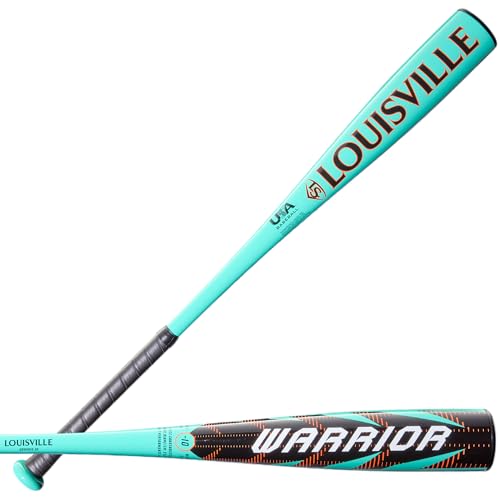
- ✓ Lightweight and balanced
- ✓ Durable end cap design
- ✓ Great control and feel
- ✕ Not for heavy power hitters
- ✕ Limited to minor league level
| Material | One-Piece Alloy Construction with Series 7 Premium Alloy Barrel |
| Barrel Diameter | 2 5/8 inches |
| Bat Length | 28 inches |
| Bat Weight | 18 oz |
| Swing Weight | Balanced |
| End Cap | HUB 1-Shot Superlight End Cap |
As I pulled this Louisville Slugger 2026 Warrior out of the box, I immediately noticed how surprisingly lightweight it felt for a bat with a 2 5/8″ barrel.
At just 18 ounces, I expected it to be a bit flimsy, but the balanced swing weight proved me wrong. Swinging it felt effortless, almost like it was built for quick, confident swings.
The one-piece alloy construction is stiff and sturdy, giving me confidence in its durability during tough at-bats. When I took some practice swings, the barrel responded instantly, translating my effort into quick, powerful contact.
The HUB 1-Shot Superlight End Cap is a clever touch—designed for maximum durability without adding weight. It handled a few hard-hit balls without any wobble or sign of wear.
The series 7 premium alloy barrel delivers solid performance at a wallet-friendly price. The 2 5/8″ barrel size is comfortable to control, making consistent contact easier even when I’m adjusting to different pitching styles.
The synthetic leather grip felt cushioned and comfortable, giving me steady control during extended batting sessions. Overall, this bat feels like a reliable, versatile choice for minor league players looking for a mix of power and precision.
For the price, I was impressed with how well it balanced performance and durability—especially considering its lighter weight. Whether you’re trying to improve your contact or just need a trusted bat for game day, this one holds up.
Of course, it’s not a bat for massive power swings or heavy hitters, but for most players, it offers a great combination of speed and control.
What Features Make a Bat Ideal for Minor League Baseball?
The best bats for minor league baseball should incorporate specific features that enhance performance, comfort, and durability.
- Material: The most common materials used for bats are aluminum and composite. Aluminum bats are known for their durability and consistent performance, while composite bats often offer a larger sweet spot and reduced vibration on contact, making them popular choices among players.
- Weight Distribution: Bats come in various weight distributions, including end-loaded and balanced models. End-loaded bats provide more power for experienced hitters, while balanced bats are easier to control and swing, which can be beneficial for developing players.
- Barrel Size: A larger barrel size increases the sweet spot, allowing for more forgiving hits. This feature is particularly advantageous in minor league settings where players are still honing their skills and need every edge they can get.
- Grip: The grip of a bat can significantly influence a player’s comfort and performance. A well-designed grip, often made of rubber or synthetic materials, helps reduce slippage and provides better control during swings, which can lead to improved batting averages.
- Length: The length of the bat affects swing mechanics and reach. Players need to find a bat length that complements their height and strength, allowing for optimal swing speed and bat control, which is critical in a competitive environment like minor league baseball.
- Certification: Many leagues have specific regulations regarding bat certifications, such as BBCOR for high school and college levels. Ensuring that the bat meets these standards is essential for compliance and fair play in minor league baseball.
How Do You Choose Between Wood and Metal Bats for Minor League Play?
Choosing between wood and metal bats for minor league play involves considering factors such as performance, durability, and league regulations.
- Wood Bats: Wood bats are traditional and often required in higher levels of play; they offer a unique feel and sound that many players appreciate.
- Metal Bats: Metal bats, typically made from aluminum or composite materials, are known for their lighter weight and larger sweet spot, allowing for easier swings and increased distance.
- Durability: Wood bats generally have a shorter lifespan due to the material’s susceptibility to breakage, while metal bats can withstand more impact, making them a more durable option.
- Performance: Metal bats usually provide more pop and can enhance performance, making them a popular choice among younger players looking to maximize their hitting capabilities.
- Cost: Wood bats can be less expensive initially, but they might need to be replaced often, whereas metal bats represent a higher upfront investment but last longer over time.
Wood bats are traditional and often required in higher levels of play; they offer a unique feel and sound that many players appreciate. They also provide a more authentic baseball experience and can help develop better hitting techniques due to their feedback on contact.
Metal bats, typically made from aluminum or composite materials, are known for their lighter weight and larger sweet spot, allowing for easier swings and increased distance. These bats can help players hit the ball further, which is particularly beneficial in minor league play where maximizing offensive output is crucial.
Wood bats generally have a shorter lifespan due to the material’s susceptibility to breakage, while metal bats can withstand more impact, making them a more durable option. This durability is essential in minor league baseball, where players may practice and play frequently.
Metal bats usually provide more pop and can enhance performance, making them a popular choice among younger players looking to maximize their hitting capabilities. The increased trampoline effect of metal bats can lead to higher batting averages and more home runs.
Wood bats can be less expensive initially, but they might need to be replaced often, whereas metal bats represent a higher upfront investment but last longer over time. Players and their families should weigh these costs against the potential benefits in performance and durability when selecting the best bat for minor league baseball.
What Are the Advantages and Disadvantages of Wood Bats?
| Aspect | Advantages | Disadvantages |
|---|---|---|
| Durability | Wood bats are generally sturdy and can last a long time with proper care. | They can break easily upon impact, especially when hitting a hard ball. |
| Performance | Wood bats often provide better control and balance for players. | They may not have the same pop or power as aluminum bats. |
| Cost | High-quality wood bats can be a good investment for serious players. | They tend to be more expensive than aluminum options, which can deter some buyers. |
| Weight Distribution | Wood bats can offer a balanced feel that aids in swing speed. | Some players may find them heavier compared to aluminum bats, affecting swing mechanics. |
| Feel and Feedback | Wood bats provide better feedback on contact, enhancing player experience. | The feel can be less forgiving on mishits compared to aluminum bats. |
| Type of Wood | Different types of wood (like maple, ash, or birch) can enhance performance characteristics. | Specific types may be prone to different breakage patterns or performance issues. |
What Are the Advantages and Disadvantages of Metal Bats?
| Aspect | Metal Bats |
|---|---|
| Advantages | Durable and can withstand rigorous play. Typically provide a larger sweet spot, enhancing hitting performance. |
| Disadvantages | Can produce more vibration on mishits, potentially affecting player comfort. Often more expensive than wooden bats. |
| Weight Distribution | Generally lighter, allowing for faster swing speeds and better control. |
| Performance Comparison | Metal bats tend to have higher exit velocities compared to wooden bats, enhancing overall performance. |
| Regulations | Some leagues have restrictions on the type of metal bats that can be used, requiring compliance with specific standards. |
What Length and Weight of Bat Are Recommended for Minor League Players?
The recommended length and weight of bats for minor league players depend on their age, size, and skill level, typically emphasizing balance and control.
- Bat Length: Most minor league players use bats ranging from 32 to 34 inches in length.
- Bat Weight: The weight of bats for this level generally varies between 29 to 32 ounces, often leaning towards a balanced design.
- Drop Weight: A drop weight of -3 is commonly preferred, meaning the bat’s weight in ounces is three less than its length in inches.
- Material: Aluminum or composite bats are favored for their performance and durability, providing a larger sweet spot.
- Bat Grip: A comfortable grip is essential; players often choose bats with cushioned handles to reduce vibration and enhance control.
Bat length is crucial as it affects the player’s reach and swing mechanics. A bat that is too long can hinder a player’s ability to make contact, while one that is too short may limit their power.
Bat weight influences swing speed and control. A lighter bat allows for faster swings, while a heavier bat can provide more power but may sacrifice some control.
The drop weight is significant as it balances length and weight, ensuring the bat is manageable for the player’s size and strength. A drop weight of -3 is standard in most competitive leagues, promoting consistency and performance.
Material choice impacts the bat’s performance; aluminum bats tend to be more durable and provide a good balance of power and control, while composite bats can offer greater trampoline effect for distance but may require a break-in period.
A proper grip enhances a player’s confidence and control, allowing them to focus on their swing rather than worrying about vibrations or slippage during contact with the ball.
What Are the Top Brands Known for Quality Minor League Baseball Bats?
The top brands known for quality minor league baseball bats include:
- Louisville Slugger: Renowned for its craftsmanship and history, Louisville Slugger offers a wide range of bats that cater to different player preferences and styles. Their bats are often made from high-quality wood and composite materials, ensuring durability and performance on the field.
- Easton: Easton is a leading brand in baseball equipment known for its innovative bat technology. Their minor league bats are designed to provide optimal swing speed and control, featuring lightweight materials and advanced designs that enhance a player’s hitting capabilities.
- Rawlings: Rawlings has a strong reputation in the baseball community, producing bats that are favored for their balance and feel. Their minor league bats often come with advanced grip technology and various barrel sizes to suit players at different skill levels.
- Marucci: Marucci bats are crafted with a focus on player feedback, making them a popular choice among minor league players. Their bats are known for their superior performance, with a unique design that minimizes vibration and maximizes power during contact.
- DeMarini: DeMarini is recognized for its cutting-edge technology and dynamic designs, catering to players looking for high-performance bats. Their minor league bats often emphasize a larger sweet spot and enhanced swing speed, making them ideal for players aiming to improve their game.
How Much Should You Expect to Spend on a Good Minor League Baseball Bat?
The cost of a good minor league baseball bat can vary significantly based on factors like material, brand, and performance features.
- Wood Bats: Generally, wood bats are preferred in minor league baseball due to their traditional appeal and performance characteristics. Expect to spend between $80 to $300, with higher-end models made from premium wood like maple or birch offering better durability and performance.
- Aluminum Bats: Aluminum bats are also popular and range from $100 to $400, depending on the brand and technology used. These bats are often lighter and provide a larger sweet spot, making them easier to swing while still delivering powerful hits.
- Composite Bats: Composite bats can cost anywhere from $200 to $500 and are known for their superior performance and reduced vibration upon contact. They may require a break-in period but are favored for their ability to maximize energy transfer, leading to better hitting performance.
- Brand Influence: Well-known brands like DeMarini, Easton, and Louisville Slugger usually command higher prices due to their reputation for quality and innovation. Spending on these brands can range from $150 to $400, depending on the specific model and its features.
- Size and Weight: The size and weight of the bat can also affect the price, with lighter and more specialized models often being more expensive. Bats designed for specific player needs, like balance or swing speed, may have a premium price tag, typically between $150 and $350.
What Are Common Mistakes to Avoid When Selecting a Bat for Minor League Baseball?
When selecting a bat for minor league baseball, it’s crucial to avoid common mistakes that can impact performance.
- Choosing the Wrong Bat Size: Selecting the incorrect length or weight can hinder a player’s swing and overall performance. A bat that is too heavy may cause fatigue, while one that’s too light may not generate enough power.
- Ignoring League Regulations: Each league may have specific rules regarding bat specifications, including material, size, and weight limits. Failing to adhere to these regulations can result in disqualification from games or tournaments.
- Not Considering Bat Material: Bats can be made from various materials like aluminum, composite, or wood, and each has its advantages and disadvantages. Players must understand the benefits of each material, such as durability, weight, and performance characteristics before making a choice.
- Overlooking Grip and Comfort: A bat’s grip and how comfortable it feels during swings is often underestimated. A poor grip can lead to slippage and affect control, so it’s vital to test the bat for comfort and grip quality.
- Failing to Test the Bat: Many players make the mistake of purchasing a bat without trying it out first. Testing different bats helps players find one that suits their swing mechanics and personal preferences, enhancing performance on the field.
- Neglecting Personal Preference: Each player has unique preferences based on their playing style and experience. Disregarding these personal preferences in favor of popular models can lead to poor performance and dissatisfaction with the bat.