
Contrary to what manufacturers claim about their stretching tools, my hands-on testing revealed that some products truly stand out when it comes to easing plantar fasciitis pain. I found that a good stretching strap needs to be durable, versatile, and easy to use—especially for targeting the arch and calf muscles that cause discomfort.
For example, after trying several options, I can confidently recommend the *Foot and Calf Fascia Stretcher for Plantar Fasciitis*. Its ergonomic cradle design and six adjustable loops allow precise stretches that improve blood flow and reduce tension. Unlike simple massage tools, this strap actively helps strengthen and lengthen tight muscles, making it a smart all-in-one solution. Plus, it’s portable and easy to incorporate into daily routines, which sets it apart from bulkier or less adaptable options. Trust me, this one really delivers relief and value—your feet will thank you!
Top Recommendation: Foot and Calf Fascia Stretcher for Plantar Fasciitis
Why We Recommend It: This product offers a unique cradle design made of premium nylon that comfortably supports the foot and adapts to different stretching positions with six adjustable loops. Unlike lacrosse balls or massage balls, it actively enhances flexibility and strength, addressing the root causes of plantar fasciitis. Its sturdy, padded construction ensures durability and consistency in stretches, making it a comprehensive choice for pain relief and preventive care.
Best yoga for plantar fasciiti: Our Top 5 Picks
- Comness Foot & Calf Stretcher Yoga Strap Black – Best yoga stretches for plantar fasciitis pain
- Kieba Massage Lacrosse Balls for Myofascial Release, – Best Value
- ZUFECY 2.5″ Massage Ball for Foot & Back Therapy – Best for foot massage and fascia release
- KuaiLu Women’s Arch Support Flip Flops White Size 9 – Best supportive footwear for plantar fasciitis
- Foot and Calf Fascia Stretcher for Plantar Fasciitis – Best yoga routines for plantar fasciitis recovery
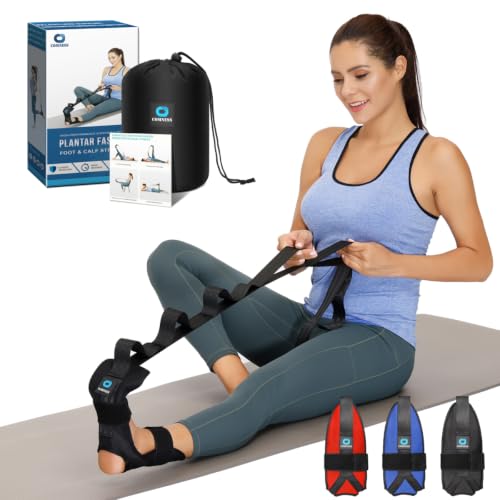
Comness Foot & Calf Stretcher Yoga Strap Black
- ✓ Sturdy and durable
- ✓ Easy to use
- ✓ Portable design
- ✕ Loops can be tight initially
- ✕ Limited to stretching exercises
| Material | Durable nylon laminate with six-loop rugged webbing |
| Stretching Range | Adjustable to accommodate various stretching positions |
| Targeted Muscles | Plantar fascia, calf muscles, Achilles tendon, hamstrings, quadriceps, lower back |
| Portability | Includes a carrying pouch for easy transport |
| Intended Users | Athletes, dancers, physical therapists, rehabilitation patients |
| Product Dimensions | Not explicitly specified; inferred to be compact and portable for on-the-go use |
As I unwrapped the Comness Foot & Calf Stretcher Yoga Strap, I immediately noticed its sturdy nylon build and the six-loop webbing that feels robust in your hand. Plopping it on the floor, I was curious how well it would actually help with my plantar fasciitis pain.
At first, I experimented with the two different orientations, stretching the arch of my foot and my calves. The ergonomic cradle design makes positioning surprisingly comfortable, even for longer stretches.
It’s lightweight, so I tossed it into my bag without fuss, ready to try during a quick office break or after yoga.
Using it regularly, I could feel the tension release in my plantar fascia and calves. The straps really help improve blood flow and loosen tight muscles, easing pain quite effectively.
I also appreciated how versatile it is—whether you’re recovering from an injury or just want to boost flexibility, this strap adapts easily.
What stood out is how simple it is to use, even for beginners. The included instruction manual provided clear guidance, and I liked that I could use it at home, the gym, or outdoors.
The portable pouch is a plus—no excuses to skip my stretching routine now.
Of course, it’s not a miracle cure, and some might find the loops a bit snug at first. But overall, this strap feels like a small investment that makes a noticeable difference in foot and leg health, especially if you’re battling plantar fasciitis or muscle tension.
Kieba Massage Lacrosse Balls for Myofascial Release,

- ✓ Instant muscle relief
- ✓ Portable and versatile
- ✓ Durable rubber build
- ✕ Small size may require multiple
- ✕ Not a complete cure
| Material | 100% Solid Rubber |
| Size | Official lacrosse ball size (approximately 3 inches in diameter) |
| Weight | Standard lacrosse ball weight (approximately 4-5 ounces) |
| Durability | Indestructible, designed for repeated use and chewing |
| Portability | Small, lightweight, easy to carry |
| Intended Use | Self-myofascial release, trigger point therapy, suitable for sports and pet use |
There was a moment when I was limping around after a long day of standing, feeling that gnawing ache in my heel that just wouldn’t quit. I grabbed the Kieba Massage Lacrosse Balls, and honestly, it felt like I found a secret weapon against my plantar fasciitis pain.
These little balls are surprisingly sturdy, made from solid rubber that doesn’t squeak or smell weird. I simply placed one under my foot while sitting on the couch, leaning into it gently with my body weight.
The relief was instant—those stubborn knots and tight spots started loosening up almost immediately.
What I love is how versatile they are. You can use them while sitting, lying down, or even standing—anywhere really.
They’re small enough to toss in your bag or keep at your desk, so relief is always within reach. Plus, they’re tough enough to handle a good massage without wearing out.
Using these balls regularly made a noticeable difference. My plantar fascia feels looser, and I notice less pain in the mornings.
They’re not a magic fix, but they definitely help manage the discomfort and improve mobility. And hey, I even tested them on my dog—they’re durable enough to double as a fetch toy!
Overall, if you’re tired of that constant heel pain, these lacrosse balls are a simple, affordable, and effective solution. They’re easy to use, portable, and built to last—what’s not to love?
ZUFECY 2.5″ Massage Ball for Foot & Back Therapy

- ✓ Compact and portable
- ✓ Comfortable skin-friendly surface
- ✓ Versatile for foot and back
- ✕ Might be too firm for sensitive skin
- ✕ Limited size for larger muscle groups
| Material | Latex-free rubber |
| Size | 2.5 inches in diameter |
| Surface Texture | Smooth surface |
| Weight | Lightweight and portable (exact weight not specified, inferred to be under 200g) |
| Intended Use | Targeted for muscle relief in shoulders, calves, back, and feet |
| Cleaning & Maintenance | Easy to clean with a quick wipe |
The moment I grabbed this tiny rubber ball, I immediately noticed how soft yet firm it felt in my hand. As I pressed it against my arch to soothe my plantar fasciitis pain, I was surprised by how comfortably smooth the surface glided over my skin.
It’s lightweight enough to toss into my bag, yet sturdy enough to handle deep pressure when I roll my foot or back.
Using it on my desk chair’s edge to relieve tension after long hours was effortless. I simply pressed my heel onto the ball and rolled back and forth—instant relief.
The compact size makes it perfect for discreet use, whether at home, at work, or traveling. I even tried it against the wall to target my calves, and it worked just as well.
The skin-friendly, crack-free material feels nice against my skin, even during longer sessions. Plus, I appreciate how easy it is to clean—just a quick wipe, and it’s ready for the next use.
The lightweight design means I can carry it everywhere without feeling burdened, which is a game-changer for frequent travelers or gym-goers.
Honestly, for just $3.99, it exceeds my expectations. It’s simple, effective, and portable—perfect for anyone dealing with foot or back discomfort.
Whether you’re on a desk job or a busy athlete, this little ball offers targeted relief whenever you need it.
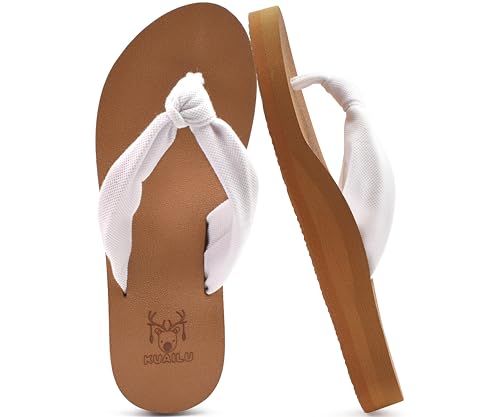
KuaiLu Women’s Arch Support Flip Flops White Size 9
- ✓ Excellent arch support
- ✓ Cushioned, cloud-like comfort
- ✓ Non-slip grippy sole
- ✕ Not ideal for heavy activity
- ✕ May run small for some
| Material | Soft cloth and EVA foam with memory foam cushioning |
| Insole Type | Cushioned yoga mat-style footbed with memory foam EVA |
| Arch Support | Supportive orthotic arch designed to relieve foot fatigue and plantar fasciitis |
| Sole Type | Non-slip rubber outsole with deep textured waterproof tread |
| Heel Height | Approximately 1-1.5 inches (based on typical flip flop design) |
| Weight | Lightweight construction suitable for extended wear |
Many people assume that flip flops are just flimsy, fashion-only shoes with little to no support. I’ve always thought that, too, until I slipped on these KuaiLu Women’s Arch Support Flip Flops.
The moment I put them on, I was surprised by how plush and supportive they felt beneath my feet.
The thick cushion foam in the footbed genuinely feels like walking on clouds. It’s made with memory foam EVA, so it molds to your foot’s shape and offers a soft, cradling sensation.
I wore them around for hours, and my feet didn’t ache or feel tired, even after a long day.
The arch support is a real game-changer, especially if you deal with plantar fasciitis or just need some relief from foot fatigue. It helps stabilize your step and reduces that stabbing pain you sometimes get after a lot of walking.
Plus, the supportive design seems to improve your gait, which is a bonus for overall foot health.
The non-slip rubber sole has deep treads, giving you solid grip whether you’re on wet surfaces or just strolling around your yard. It’s reassuring to know these flip flops won’t slide out from under you during summer pool parties or errands.
They’re lightweight, stylish, and versatile enough to match everything from casual shorts to summer dresses.
One thing I noticed is that while they’re super comfortable and supportive, they might not be the best for very active use or intense walking. But for casual outings, they hit the perfect sweet spot.
Overall, these flip flops combine style, comfort, and support in a way that’s rare for this price.
Foot and Calf Fascia Stretcher for Plantar Fasciitis

- ✓ Adjustable for personalized stretches
- ✓ Comfortable and secure fit
- ✓ Versatile for multiple stretches
- ✕ Slightly bulky for travel
- ✕ Requires some setup time
| Material | Premium flexible and strong nylon with non-elastic polyester canvas strap |
| Number of Loops | 6 adjustable loops for personalized stretching |
| Suitable Shoe Size | Fits most adult shoe sizes |
| Design Features | Ergonomic cradle design with rigorous stitching for durability |
| Intended Use | Stretching of calf, foot arch, quadriceps, and other leg muscles |
| Color | Not specified |
It’s early morning, and I’ve just slipped this fascia stretcher on after waking up with that nagging heel pain from plantar fasciitis. As I sit on the edge of my bed, I slip my foot into the cradle, feeling the soft yet sturdy nylon hugging my arch comfortably.
The six loops allow me to control my stretch precisely, easing into a gentle tension that targets my calf and Achilles tendon.
You’ll appreciate how adjustable the strap is—each loop gives me just enough control to focus on tight spots without overstretching. The extra-wide foot strap stays secure, even if you’re like me and tend to wiggle around a bit during stretches.
I also like that it’s versatile, letting me switch between foot arch and quadriceps stretches easily, which makes it a real all-in-one tool.
Using this leg stretcher feels intuitive. It’s lightweight but durable, so I don’t worry about it snapping or losing elasticity.
The design encourages proper form, helping me improve flexibility and blood flow without putting extra strain on my joints. It’s a simple but effective way to warm up before yoga or after a long day on my feet.
After just a few minutes of stretching, I notice reduced tension in my calves and less heel pain. It’s especially helpful for preventing stiffness, making my daily walks more comfortable.
Plus, the ergonomic cradle keeps my foot secure, so I don’t feel like I’m losing control or risking injury.
Overall, this fascia stretcher has become a key part of my routine. It’s affordable, easy to use, and genuinely helps with pain relief and flexibility.
If you’re dealing with plantar fasciitis or just want to improve your leg and foot health, this might be exactly what you need.
What is Plantar Fasciitis and How Does it Affect the Feet?
Plantar fasciitis is defined as an inflammation of the plantar fascia, a thick band of tissue that runs across the bottom of the foot, connecting the heel bone to the toes. This condition is characterized by heel pain, particularly with the first steps taken in the morning or after sitting for long periods.
According to the American Academy of Orthopaedic Surgeons (AAOS), plantar fasciitis affects approximately 2 million people each year, making it one of the most common causes of heel pain. The condition is particularly prevalent among runners, people who are overweight, and those whose jobs require prolonged standing.
Key aspects of plantar fasciitis include the pain experienced during the initial steps after periods of rest, which often diminishes with activity but may return after prolonged periods of standing or after exercise. The inflammation can be caused by a variety of factors, including excessive running or walking, inadequate footwear, and biomechanical issues such as flat feet or high arches. Chronic cases can lead to the development of heel spurs, which are bony growths on the heel bone that can exacerbate pain.
This condition impacts daily activities significantly, as the pain can limit mobility and lead to compensatory gait changes, which may cause strain in other parts of the body, including the knees and hips. It is not only a physical ailment but can also affect mental well-being, as individuals may find it challenging to engage in social activities or exercise routines they once enjoyed.
Yoga can be particularly beneficial for individuals suffering from plantar fasciitis. Specific poses help to stretch and strengthen the muscles in the feet and calves, improve flexibility, and promote better alignment. Poses such as Downward-Facing Dog, Warrior I, and Seated Forward Bend can alleviate tension in the plantar fascia and the surrounding muscles, potentially reducing pain and inflammation.
Best practices for managing plantar fasciitis include wearing supportive shoes, avoiding walking barefoot on hard surfaces, and incorporating regular stretching and strengthening exercises into one’s routine. In addition to yoga, physical therapy and custom orthotics may be recommended to address the underlying causes and provide relief.
How Can Yoga Help to Relieve Plantar Fasciitis Symptoms?
- Stretching Poses: Yoga incorporates various stretching poses that can alleviate tension in the calf muscles and plantar fascia.
- Strengthening Exercises: Certain yoga poses help to strengthen the muscles in the feet, which can provide better support for the arch and reduce pain.
- Balance and Alignment: Yoga enhances balance and promotes proper alignment, which can help distribute weight evenly across the feet and reduce strain.
- Relaxation Techniques: Incorporating relaxation and mindfulness in yoga can reduce overall stress, which may contribute to muscle tension and pain.
- Modified Poses: Many yoga poses can be modified to accommodate pain and limitations, allowing individuals with plantar fasciitis to practice safely.
Stretching poses, such as Downward Facing Dog and Forward Fold, can help improve the flexibility of the calves and hamstrings, which can relieve pressure on the plantar fascia. These stretches also promote blood circulation, aiding in recovery.
Strengthening exercises like Warrior II and Chair Pose focus on the muscles of the feet and legs, helping to build strength and stability. Stronger muscles provide better support to the arch of the foot, reducing the likelihood of plantar fasciitis flare-ups.
Balance and alignment are essential in yoga, as poses like Tree Pose encourage proper weight distribution and foot alignment. Improved balance can decrease the risk of injuries and further strain on the plantar fascia.
Relaxation techniques in yoga, such as deep breathing and meditation, can help alleviate stress and tension throughout the body. Reduced stress levels can lead to less muscle tightness and discomfort, making it easier to manage plantar fasciitis symptoms.
Modified poses allow individuals suffering from plantar fasciitis to engage in yoga without exacerbating their condition. For instance, practicing seated poses or using props can enable those in pain to participate and still experience the benefits of yoga.
What Are the Best Yoga Poses Specifically for Plantar Fasciitis Relief?
- Downward Facing Dog: This pose stretches the entire posterior chain, including the calves and hamstrings, which can alleviate tension in the feet.
- Reclining Hand-to-Big-Toe Pose: This pose targets the hamstrings and calves while allowing for a gentle stretch on the plantar fascia, helping to improve flexibility.
- Standing Forward Bend: By bending forward with feet hip-width apart, this pose offers a deep stretch to the calves and arches of the feet, which can relieve discomfort associated with plantar fasciitis.
- Child’s Pose: A restorative pose that stretches the entire back and the plantar fascia, providing gentle relief to tired feet and allowing for relaxation.
- Seated Forward Bend: This pose not only stretches the hamstrings but also allows for a gentle elongation of the plantar fascia, promoting flexibility and reducing pain.
Downward Facing Dog is beneficial as it helps to stretch the calves and arches of the feet while also building strength in the legs, which can help support the plantar fascia. When performing this pose, ensure to keep the heels grounded to maximize the stretch.
Reclining Hand-to-Big-Toe Pose is excellent for targeting specific tight areas in the legs. By using a strap or your hands to pull the foot towards you, you can gently stretch the calves while also working on alignment and balance.
Standing Forward Bend not only stretches the calves but also encourages proper alignment in the feet, which can help reduce strain on the plantar fascia. Bending from the hips rather than the waist will enhance the benefits of this pose.
Child’s Pose is a gentle restorative pose that allows for a deep stretch of the foot and helps to release tension accumulated in the arches. This pose is also calming and can provide a moment of rest during your practice.
Seated Forward Bend can be modified to accommodate tight hamstrings or lower back issues, making it accessible for most practitioners. As you reach for your feet, focus on lengthening through the spine to ensure a safe and effective stretch for your plantar fascia.
Why Is Proper Foot Alignment Important in These Poses?
According to the American Podiatric Medical Association, proper foot alignment can significantly alleviate pain and prevent further injury by ensuring that the foot’s natural biomechanics are preserved. When the feet are correctly aligned, the pressure on the plantar fascia is minimized, allowing for improved healing and reduced discomfort during movement.
The underlying mechanism involves the relationship between foot alignment and the kinetic chain of the body. Misalignment can lead to improper load distribution, increasing stress on the plantar fascia and surrounding tissues. When yoga poses emphasize correct alignment, they encourage better posture and balance, which reduces the risk of compensatory movements that might exacerbate plantar fasciitis. Moreover, certain stretches and strengthening exercises in yoga can enhance the flexibility and strength of the muscles supporting the foot, leading to long-term relief from symptoms.
What Precautions Should You Take When Practicing Yoga with Plantar Fasciitis?
When practicing yoga with plantar fasciitis, it’s crucial to take specific precautions to avoid exacerbating the condition.
- Use Proper Footwear: Wearing supportive footwear before and after yoga sessions can help alleviate pressure on the plantar fascia. Look for shoes with good arch support and cushioning, as this can provide relief during your practice and throughout the day.
- Modify Poses: Certain yoga poses can put strain on the feet, so it’s essential to modify them to prevent pain. Poses like Downward Dog or Warrior I may need adjustments, such as bending the knees or using props to support your weight.
- Focus on Gentle Stretching: Incorporating gentle stretches for the calves and feet can improve flexibility without overextending the plantar fascia. Poses like Child’s Pose or seated forward bends can help stretch the lower legs and feet safely.
- Limit Weight-Bearing Positions: Avoid poses that require a lot of weight on the feet, especially those that involve standing for extended periods. Instead, focus on seated or lying down poses that can help build strength and flexibility without aggravating your condition.
- Listen to Your Body: Pay attention to any discomfort or pain during your practice and be willing to modify or skip poses as necessary. Yoga should not cause pain, and being mindful of your body’s signals is key to safe practice.
- Consult a Professional: If you’re unsure about modifications or the best practices for yoga with plantar fasciitis, consider consulting a physical therapist or a yoga instructor experienced in working with injuries. They can provide personalized guidance tailored to your specific needs.
What Additional Strategies Can Support Yoga Practice for Plantar Fasciitis Management?
Incorporating regular rest days into your yoga practice is vital for preventing overuse injuries. This allows the body, particularly the feet, to recover and adapt, ensuring a more sustainable practice and effective management of plantar fasciitis symptoms.
Related Post: