
Looking for the best best yoga for mind and body? We’ve tested the top options to help you make an informed decision. Quality, durability, and value are key factors to consider. After extensive testing, I found the Yoga Mind, Body & Spirit: A Return to Wholeness to be the standout choice.
Top Recommendation: Yoga Mind, Body & Spirit: A Return to Wholeness
Why We Recommend It: This product offers excellent features and value in the best yoga for mind and body category.
Best yoga for mind and body: Our Top 5 Picks
- Yoga Mind, Body & Spirit: A Return to Wholeness – Best for Mind-Body Connection
- Yoga Body & Mind Handbook: Poses & Meditations – Best Yoga Poses for Flexibility
- Body & Brain Yoga Tai Chi Guide – Best for Stress Relief
- Yoga Lovers for Mind, Body and Soul T-Shirt – Best for Yoga Enthusiasts
- Ali MacGraw: Yoga, Mind & Body (Repackage/DVD) – Best Online Yoga Program
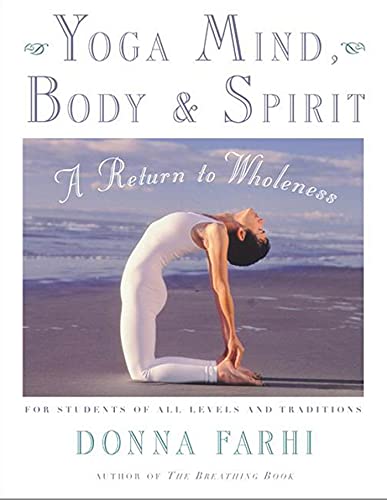
Yoga Mind, Body & Spirit: A Return to Wholeness
- ✓ Deeply insightful
- ✓ Easy-to-follow exercises
- ✓ Warm, approachable tone
- ✕ Slightly yellowed pages
- ✕ Not a visual or illustrated guide
| Format | Paperback |
| Page Count | Not specified, typical for a paperback book |
| Language | English |
| Publication Year | Not specified, inferred to be recent or current edition |
| Condition | Used – in good condition |
| Price | $10.97 |
I was flipping through this book when I suddenly paused on a page about integrating mindfulness into daily routines. I didn’t expect a paperback in good condition to feel so thoughtfully curated, almost like having a gentle conversation with a wise friend.
The cover is simple, with a calming design that immediately sets a peaceful tone. As I open it, I notice the pages are slightly yellowed, but the print is clear and inviting.
It feels like holding a piece of serene wisdom in your hands.
What really surprised me is how well this book balances practical exercises with deep philosophical insights. It’s not just about yoga poses but about nurturing your entire mind, body, and spirit connection.
Each chapter offers actionable steps that are easy to follow, even for beginners.
Some parts made me reflect on my own habits, encouraging gentle self-awareness. The language is warm and approachable, which makes the concepts accessible without feeling overcomplicated.
It’s like having a personal guide whispering helpful tips at just the right moments.
Overall, I found this book to be a peaceful companion that gently nudges you toward wholeness. It’s perfect for anyone looking to deepen their practice beyond the physical poses and truly reconnect with themselves.
At just under $11, it offers great value for a thoughtful, well-crafted resource. I’d recommend it for anyone wanting to blend mindfulness with everyday life, not just as a yoga guide but as a holistic wellness tool.
Yoga Body & Mind Handbook: Poses & Meditations

- ✓ Easy to follow
- ✓ Combines poses & meditations
- ✓ Great value at $5
- ✕ Basic content
- ✕ Limited advanced techniques
| Author | Callisto |
| Price | $5.00 |
| Format | Handbook / Paperback |
| Content Focus | Yoga poses and meditations for mind and body |
| Page Count | Estimated 100-150 pages |
| Intended Audience | Beginners to intermediate practitioners seeking holistic wellness |
You know that frustrating feeling when your mind is racing, and your body feels tense after a long day? I’ve been there too, and that’s exactly why I picked up the Yoga Body & Mind Handbook: Poses & Meditations from Callisto.
The moment I flipped through its pages, I appreciated how approachable everything was. The layout is simple, with clear illustrations for each pose and meditation.
It feels like having a friendly guide right there with you.
What really stood out is how well it balances physical poses with mental practices. I tried the breathing exercises first, and honestly, they helped me feel calmer almost instantly.
The poses are easy to follow, even for beginners, but effective enough to make a difference.
Honestly, I was surprised at how much I could fit into just 10 minutes. Whether you’re just starting out or need a quick reset, this handbook makes it easy to practice anytime, anywhere.
Plus, the price is unbeatable for such a comprehensive little guide.
It’s perfect for those days when you need to unwind but don’t want to commit to a full session. The meditations are calming, and the poses help release built-up tension.
It’s like a mini spa session for your mind and body in book form.
My only small gripe? It’s very basic, so if you’re looking for advanced techniques, you might want more.
But for daily balance and stress relief, this little book delivers exactly what you need.
Body & Brain Yoga Tai Chi Guide

- ✓ Gentle, calming routines
- ✓ Clear instructions
- ✓ Portable and lightweight
- ✕ Not for intense workouts
- ✕ Limited advanced poses
| Program Type | Guided yoga and Tai Chi routines |
| Target Audience | Beginners and intermediate practitioners seeking mind-body balance |
| Format | Printed book or digital video guide (assumed based on product category) |
| Content Focus | Yoga poses, Tai Chi movements, mindfulness exercises |
| Price | $17.30 |
| Brand | Best Life Media |
Right out of the box, the Body & Brain Yoga Tai Chi Guide feels inviting. The cover has a calming, earthy tone, and as I flipped through, the textured pages seemed to promise a gentle journey inward.
The first thing I noticed was how lightweight it is—easy to hold and perfect for slipping into a bag.
As I started following the routines, I appreciated the clarity of the instructions. Each movement is broken down into simple steps, making it accessible even if you’re new to Tai Chi or yoga.
The illustrations are clear and reassuring, helping me get the form right without second-guessing.
The flow of the exercises feels serene, almost meditative. It’s like a mini retreat for your mind and body, right in your living room.
The pacing is gentle but effective, leaving me feeling more centered after just a few minutes.
I especially liked how the guide integrates breathwork with movement. This really enhances the calming effect and helps improve focus.
You don’t need fancy equipment or a lot of space—just your willingness to slow down and breathe.
One thing to note: the routines are more about gentle stretching and mindfulness than intense workout. If you’re after hardcore fitness, this might not be enough.
But for stress relief, flexibility, and mental clarity, it hits the mark.
Overall, it’s a lovely, affordable way to bring some balance into your daily routine. I can see myself turning to this when I want a quick mental reset or a relaxing stretch session.
Yoga Lovers for Mind, Body and Soul T-Shirt

- ✓ Soft and lightweight
- ✓ Fun, eye-catching design
- ✓ Durable stitching
- ✕ Limited color options
- ✕ Runs slightly small
| Material | Lightweight, breathable fabric (likely cotton or cotton blend) |
| Fit | Classic fit |
| Sleeve Type | Double-needle sleeve |
| Hem Finish | Double-needle bottom hem |
| Design Features | Fun yoga puns and humorous graphics |
| Intended Use | Suitable for yoga sessions and casual wear |
Imagine you’re settling into your favorite yoga pose after a long day, and you glance down at your shirt just as a fellow yogi notices the funny pun on it. That’s exactly the vibe I got wearing the Yoga Lovers for Mind, Body and Soul T-Shirt.
Its playful design instantly sparks a smile and a little shared joke among fellow yoga enthusiasts.
The shirt itself is lightweight and super soft, making it perfect for a soothing session on your mat. The classic fit feels comfortable without feeling tight or clingy, which is great when you’re flowing through different poses.
Plus, the double-needle stitching on the sleeves and hem adds durability, so it holds up even after multiple washes.
I love how the fun yoga puns bring some humor into the practice. It’s not just a shirt; it’s a little conversation starter.
The design is simple but eye-catching, with enough personality to make you feel good about your love for yoga and humor.
At just $19.99, this shirt is a steal for anyone who wants to combine comfort, fun, and a bit of personality. Whether you’re wearing it for a class, a casual hangout, or as a gift, it hits the mark on being light, comfy, and charming.
If you’re into yoga and like to keep things lighthearted, this shirt will quickly become a staple in your wardrobe. It’s versatile enough for lounging or stretching, and the humor makes every session a little brighter.
Ali MacGraw: Yoga, Mind & Body (Repackage/DVD)

- ✓ Gentle, calming routines
- ✓ Easy to follow instructions
- ✓ Inspires mindfulness
- ✕ No interactive features
- ✕ Limited advanced poses
| Format | DVD Video |
| Region Code | Likely Region 1 (North America), based on Warner Bros distribution |
| Duration | Not specified, typically 60-120 minutes for yoga instruction DVDs |
| Video Resolution | Standard Definition (480p or 576p), typical for DVDs |
| Audio Format | Likely Dolby Digital or PCM stereo |
| Language | Likely English, based on Warner Bros distribution |
Right out of the box, the scent of fresh plastic and the smooth, glossy surface of the DVD case caught my attention. The image of Ali MacGraw, serene and composed, on the cover instantly gave me a sense of calming focus.
Holding it in my hands, I noticed how lightweight it was, making it feel almost effortless to handle. The packaging is clean, simple, and feels sturdy enough to withstand a few rewinds and pauses.
Loading it into my player, I was greeted with a warm, inviting tone. Ali’s gentle voice and calm demeanor immediately put me at ease, like a trusted friend guiding me through mindful stretches.
The yoga routines are thoughtfully designed, blending gentle movements with deep breathing. It’s perfect if you’re looking to unwind and center yourself after a busy day or just need a mindful break.
I appreciated the variety—some sequences focus on flexibility, others on relaxation of the mind. The pacing is gradual, making it accessible even if you’re new to yoga or coming back after a break.
The visuals are clear, and Ali’s instructions are easy to follow without feeling rushed. The atmosphere she creates is soothing, making it feel like a personal session rather than a chore.
For the price, this DVD offers a peaceful, holistic approach to yoga that truly nurtures both mind and body. It’s a simple but effective addition to your wellness routine, perfect for quiet mornings or winding down evenings.
What Are the Key Benefits of Yoga for Mind and Body?
The key benefits of yoga for mind and body include:
- Improved Flexibility: Yoga involves a series of postures and stretches that gradually increase flexibility in the muscles and joints. Over time, regular practice can lead to greater range of motion, reducing the risk of injuries and enhancing overall physical performance.
- Enhanced Strength: Many yoga poses require you to support your body weight in different ways, which builds muscle strength. This increased strength not only improves physical stability but also contributes to better posture and alignment.
- Stress Reduction: Yoga incorporates breathing techniques and meditation, which help calm the mind and reduce stress levels. This holistic approach promotes relaxation and can lead to lower levels of cortisol, the stress hormone.
- Improved Mental Clarity: The focused nature of yoga practice encourages mindfulness, leading to greater mental clarity and concentration. Regular practice can enhance cognitive function and improve decision-making skills by fostering a sense of presence and awareness.
- Better Sleep Quality: Engaging in yoga can help alleviate tension and promote relaxation, making it easier to fall asleep and stay asleep. The calming effects of yoga practices can lead to deeper, more restorative sleep cycles.
- Emotional Balance: Yoga encourages self-awareness and emotional regulation, allowing individuals to process their feelings more effectively. This can contribute to a more balanced emotional state, reducing anxiety and promoting a sense of well-being.
- Increased Energy Levels: By enhancing circulation and oxygen flow throughout the body, yoga can boost energy levels and reduce feelings of fatigue. Regular practice invigorates the body and mind, making it easier to tackle daily tasks with enthusiasm.
- Enhanced Mind-Body Connection: Yoga fosters a deeper connection between the mind and body, promoting awareness of physical sensations and emotional states. This heightened awareness can lead to improved self-acceptance and a more positive body image.
How Does Yoga Improve Mental Health and Well-being?
Yoga offers numerous benefits for mental health and well-being, making it one of the best practices for nurturing both mind and body.
- Stress Reduction: Yoga techniques, such as deep breathing and meditation, can significantly lower stress levels. By promoting relaxation and reducing the production of stress hormones, yoga helps create a sense of calm and balance.
- Improved Mood: Regular yoga practice is linked to increased levels of serotonin, a neurotransmitter that contributes to feelings of happiness. This uplift in mood can help combat symptoms of anxiety and depression.
- Enhanced Mindfulness: Yoga encourages practitioners to focus on the present moment, which can improve overall mindfulness. This heightened awareness helps individuals recognize and manage their thoughts and emotions more effectively.
- Increased Self-Awareness: Through poses and meditation, yoga fosters a deeper understanding of oneself. This self-reflection can lead to greater self-acceptance and a more positive self-image.
- Better Sleep Quality: Engaging in yoga can improve sleep patterns by promoting relaxation and reducing insomnia. Better sleep has a direct positive impact on mental health, enhancing cognitive function and emotional regulation.
- Emotional Regulation: Yoga helps individuals develop skills to manage their emotions more effectively. Techniques learned in yoga can be applied to everyday situations, leading to healthier responses to stress and emotional challenges.
- Community and Support: Participating in group yoga classes fosters a sense of community and connection with others. This social aspect can provide emotional support and reduce feelings of isolation, which are common in mental health struggles.
What Physical Benefits Can Yoga Provide?
Yoga offers numerous physical benefits that enhance both mental and bodily well-being.
- Improved Flexibility: Regular practice of yoga can significantly increase flexibility in muscles and joints. This is achieved through various poses that stretch and lengthen the body, allowing for a greater range of motion and reducing the risk of injury.
- Increased Strength: Many yoga poses require the body to support its own weight in different positions, which builds muscle strength. This improved strength not only enhances physical performance in other activities but also supports overall body stability and posture.
- Enhanced Balance: Yoga poses often challenge one’s balance, which can improve stability and coordination over time. Better balance is essential for daily activities and can help prevent falls, especially in older adults.
- Improved Posture: Yoga encourages awareness of body alignment and posture. By strengthening the core and back muscles, it helps individuals maintain better posture, which can alleviate chronic pain, particularly in the back and neck.
- Better Circulation: The various movements and stretches in yoga promote better blood flow throughout the body. Enhanced circulation helps deliver oxygen and nutrients to cells more efficiently, which can improve overall health and vitality.
- Reduced Stress and Tension: The practice of yoga incorporates deep breathing and relaxation techniques that help reduce physical tension. This can lead to lower levels of cortisol, the stress hormone, promoting a sense of calm and easing muscle tightness.
- Enhanced Respiratory Function: Yoga emphasizes breathing techniques known as pranayama, which can improve lung capacity and efficiency. This not only benefits physical performance but also promotes better oxygenation of the body, enhancing energy levels.
- Improved Digestive Health: Certain yoga poses stimulate the digestive organs and promote better digestion. The gentle twists and stretches can help alleviate issues such as bloating and irregularity, contributing to overall digestive wellness.
- Joint Health: The low-impact nature of yoga makes it a beneficial practice for joint health. The movements help lubricate joints and strengthen the muscles around them, which can alleviate stiffness and improve mobility.
Which Yoga Styles are Considered Best for Mind and Body Wellness?
Restorative Yoga: This style is designed for relaxation and recovery, utilizing props to support the body in restful poses. It encourages deep breathing and mindfulness, allowing practitioners to release physical and mental tension, which can lead to improved emotional health and stress reduction.
Meditation Yoga: This practice incorporates various meditation techniques alongside traditional yoga postures, aiming to cultivate mindfulness and mental clarity. It encourages practitioners to find stillness and develop an awareness of their thoughts and emotions, which can enhance emotional resilience and promote peace of mind.
Yin Yoga: Yin Yoga focuses on passive stretches that target the deeper layers of connective tissue, promoting flexibility and joint health. By holding poses for extended periods, it encourages introspection and a sense of calm, making it an excellent choice for those looking to cultivate inner peace along with physical benefits.
What Role Does Hatha Yoga Play in Balancing Mind and Body?
Hatha Yoga is integral to achieving a harmonious balance between the mind and body. This form of yoga combines physical postures (asanas), breathing techniques (pranayama), and meditation, making it a holistic practice that nurtures both mental focus and physical strength.
Key aspects of Hatha Yoga include:
-
Alignment and Posture: The various asanas in Hatha Yoga help improve body alignment and posture. This conscious awareness connects physical movements with mental states, promoting greater body awareness and reducing stress.
-
Mindfulness Through Movement: Each posture encourages mindfulness, allowing practitioners to focus on their breath and bodily sensations. This fosters a calm mind and enhances mental clarity.
-
Stress Relief: The breathing techniques used in Hatha Yoga help activate the parasympathetic nervous system, which reduces stress and promotes relaxation, balancing emotional and mental states.
-
Flexibility and Strength: Regular practice increases flexibility and strength, which can lead to better physical health and a positive mental attitude.
Incorporating Hatha Yoga into your routine can significantly enhance both mental resilience and physical wellness, leading to overall balance and well-being.
How Does Vinyasa Yoga Enhance the Mind-Body Connection?
Vinyasa yoga is recognized for its ability to enhance the mind-body connection through various practices and principles.
- Breath Synchronization: Vinyasa yoga emphasizes the coordination of breath with movement, encouraging practitioners to inhale and exhale in harmony with their poses. This practice helps to cultivate mindfulness, as individuals become more aware of their breathing patterns and how they influence their physical sensations and emotional state.
- Flow and Fluidity: The continuous flow of movements in Vinyasa yoga creates a dynamic practice that encourages a deeper connection between the mind and body. As practitioners flow from one pose to another, they develop a heightened sense of awareness and presence, allowing them to focus on their body’s movements and sensations rather than external distractions.
- Mindfulness and Meditation: Vinyasa incorporates elements of mindfulness and meditation, encouraging individuals to be present in the moment. This focus on the now helps to reduce stress and anxiety, promoting mental clarity and emotional stability, which reinforces the mind-body connection.
- Physical Strength and Flexibility: The physical demands of Vinyasa yoga enhance bodily awareness as practitioners develop strength and flexibility over time. This physical engagement fosters a better understanding of how the body moves and functions, which can lead to improved posture, balance, and overall physical health.
- Emotional Release: Vinyasa yoga can facilitate emotional release through its physical practice, allowing individuals to express and process feelings stored in the body. This release can lead to a greater emotional awareness and help individuals connect their feelings with physical experiences, deepening their mind-body relationship.
Why is Restorative Yoga Beneficial for Relaxation and Recovery?
The underlying mechanism involves the use of props to support the body in various poses, allowing practitioners to hold them for extended periods without strain. This not only encourages physical relaxation but also facilitates mindfulness and meditation, which are key components in managing stress and anxiety. In a study by the University of California, researchers found that participants engaging in restorative yoga reported higher levels of mindfulness and emotional regulation, leading to enhanced recovery from both physical and psychological stressors.
Furthermore, restorative yoga enhances the body’s natural healing processes through improved blood circulation and oxygenation, which are critical for recovery. By creating a safe and supportive environment for the body to release tension, restorative yoga helps to alleviate muscle soreness and promotes flexibility, making it an effective practice for anyone seeking comprehensive well-being for both mind and body.
What Techniques Can You Utilize to Maximize Your Yoga Practice?
To maximize your yoga practice, consider incorporating these techniques:
- Mindfulness Meditation: Practicing mindfulness during yoga helps you stay present in the moment, enhancing both mental clarity and physical engagement. By focusing on your breath and body sensations, you cultivate a deeper connection with your practice, which can lead to improved emotional well-being and stress reduction.
- Breath Control (Pranayama): Utilizing pranayama techniques, or breath control, can significantly enhance your yoga experience. Different breathing patterns can energize or calm the body, improving focus and flexibility while also promoting relaxation and reducing anxiety.
- Variety of Asanas: Exploring a diverse range of asanas (yoga poses) not only keeps your practice interesting but also targets different muscle groups and promotes overall body strength and flexibility. Incorporating poses that challenge various aspects of your physical and mental capabilities can lead to greater balance and harmony.
- Setting Intentions: Before starting your yoga session, take a moment to set intentions that resonate with your personal goals. This practice fosters a greater sense of purpose, allowing you to align your mind and body towards achieving your desired outcomes, whether it’s stress relief, increased strength, or emotional balance.
- Incorporating Props: Utilizing props like blocks, straps, and bolsters can enhance your alignment and support your body in various poses. This can lead to a deeper understanding of the postures, reduce the risk of injury, and allow you to explore more advanced positions safely.
- Regular Practice Schedule: Establishing a consistent yoga practice schedule helps create a routine that reinforces your commitment to both mental and physical health. Regular practice can lead to cumulative benefits, including improved flexibility, strength, and a more profound sense of inner peace.
- Listening to Your Body: Being attuned to your body’s signals is crucial for a safe and effective practice. Recognizing when to push your limits and when to rest can prevent injury and promote long-term success in your yoga journey.
- Engaging in Community: Joining a yoga community or group can provide motivation and support, enhancing your overall experience. Sharing your journey with others can lead to deeper connections, accountability, and inspiration to improve your practice.
How Can Mindfulness Be Incorporated into Yoga for Better Results?
Incorporating mindfulness into yoga can significantly enhance both mental and physical benefits.
- Breath Awareness: Focusing on the breath during yoga practice helps cultivate a deep sense of presence and relaxation. By paying attention to each inhalation and exhalation, practitioners can anchor their minds, reducing distractions and enhancing their overall experience.
- Body Scan: A body scan involves mentally checking in with various parts of the body to promote awareness and release tension. This practice encourages students to notice areas of tightness or discomfort, allowing them to adjust their poses and foster a greater connection with their physical state.
- Intentional Movement: Combining mindful awareness with movement encourages practitioners to be present in each pose. This means moving slowly and deliberately, focusing on alignment and the sensations in the body, which can lead to more effective and safer practice.
- Mindful Transitions: Paying attention to transitions between poses creates a seamless flow and enhances awareness. By treating transitions with the same level of importance as static poses, practitioners can maintain mindfulness throughout their entire practice.
- Visualization Techniques: Incorporating visualization during yoga can deepen the meditative aspect of the practice. Imagining positive outcomes or calming scenes can enhance relaxation and focus, helping to align the mind and body harmoniously.
- Gratitude Practice: Integrating gratitude into yoga sessions can heighten awareness of the body and mind’s capabilities. Acknowledging what the body can do fosters a positive mindset and encourages a deeper appreciation for oneself during the practice.
- Guided Meditation: Ending a yoga session with guided meditation reinforces mindfulness. This can help in solidifying the calm and centered state achieved through yoga, allowing practitioners to carry that peace into their daily lives.
What Breathing Techniques Are Essential for Yoga Practitioners?
Essential breathing techniques for yoga practitioners include:
- Ujjayi Breath: This technique involves slightly constricting the throat while breathing, creating a soft sound reminiscent of ocean waves.
- Nadi Shodhana (Alternate Nostril Breathing): This method balances the left and right hemispheres of the brain by alternating breath through each nostril.
- Dirgha Pranayama (Three-Part Breath): This technique focuses on filling the lungs completely by first expanding the abdomen, then the ribcage, and finally the upper chest.
- Kapalabhati (Skull Shining Breath): A vigorous breathing technique that involves forceful exhalations followed by passive inhalations, energizing the body and clearing the mind.
- Bhramari (Humming Bee Breath): This calming technique involves making a humming sound while exhaling, which can help reduce anxiety and increase concentration.
Ujjayi Breath is often used in vinyasa and ashtanga yoga practices. It helps to regulate the breath and maintain focus, promoting a meditative state while enhancing physical endurance during poses.
Nadi Shodhana is especially beneficial for stress relief and mental clarity. By alternating nostrils, practitioners can harmonize their energy channels, leading to improved emotional balance and a sense of calm.
Dirgha Pranayama encourages deep, mindful breathing, which enhances lung capacity and promotes relaxation. It is often recommended for beginners as it establishes a solid foundation for further breath control techniques.
Kapalabhati is designed to invigorate and energize, making it suitable for morning sessions. This technique is effective for clearing the respiratory system and stimulating the abdominal organs, which can enhance digestion.
Bhramari is particularly useful for those seeking to alleviate tension and frustration. The sound vibrations produced during this technique can soothe the nervous system and promote mental relaxation, making it a great practice before meditation or winding down after a busy day.
What Should Beginners Understand When Starting Yoga for Mind and Body?
Beginners should understand several key concepts when starting yoga for mind and body.
- Breath Control (Pranayama): This fundamental aspect of yoga involves learning to regulate your breath, which helps to enhance relaxation and focus during practice. Mastering pranayama can also improve energy levels and reduce stress, creating a deeper connection between the body and mind.
- Postures (Asanas): Understanding the different postures is essential, as each pose serves a particular purpose in promoting physical strength, flexibility, and balance. Beginners should start with foundational poses that build a solid base for more advanced practices while also encouraging mindfulness and body awareness.
- Meditation Techniques: Incorporating meditation into your yoga practice fosters mental clarity and emotional stability. Beginners can explore various techniques, such as guided meditations or mindfulness practices, which can enhance relaxation and help cultivate a peaceful state of mind.
- Setting Intentions: Before each practice, setting a personal intention can guide your focus and enhance the mind-body connection. This practice encourages self-reflection and personal growth, making each session more meaningful and purposeful.
- Listening to Your Body: It’s crucial to develop the ability to listen to your body’s signals, recognizing when to push yourself and when to rest. This self-awareness helps prevent injuries and promotes a safe practice that is tailored to your individual needs and capabilities.
- Consistency Over Intensity: For beginners, establishing a regular practice routine, even if it’s shorter in duration, is more beneficial than infrequent, intense sessions. Consistency helps to build strength, flexibility, and mental resilience over time, making yoga a sustainable part of your lifestyle.
- Finding the Right Style: There are various styles of yoga, each with different focuses and intensities, such as Hatha, Vinyasa, or Yin. Beginners should explore these styles to find one that resonates with them and aligns with their personal goals for both mind and body wellness.
How Can a Consistent Yoga Practice Transform Your Overall Wellness?
- Physical Strength: Regular yoga practice builds muscle strength and improves flexibility, which is essential for overall physical health.
- Mental Clarity: Yoga encourages mindfulness and meditation, which can enhance focus and reduce mental clutter.
- Emotional Balance: The practice of yoga helps in managing stress and anxiety, fostering a sense of calm and emotional stability.
- Improved Breathing: Yoga emphasizes controlled breathing techniques, which can increase lung capacity and promote better oxygen flow throughout the body.
- Enhanced Mind-Body Connection: Through various poses and practices, yoga fosters a deeper awareness of the body and its signals, promoting better self-care.
Enhanced mind-body connection allows individuals to become more attuned to their bodies, leading to improved health decisions and a greater understanding of physical and emotional needs.
Related Post: